
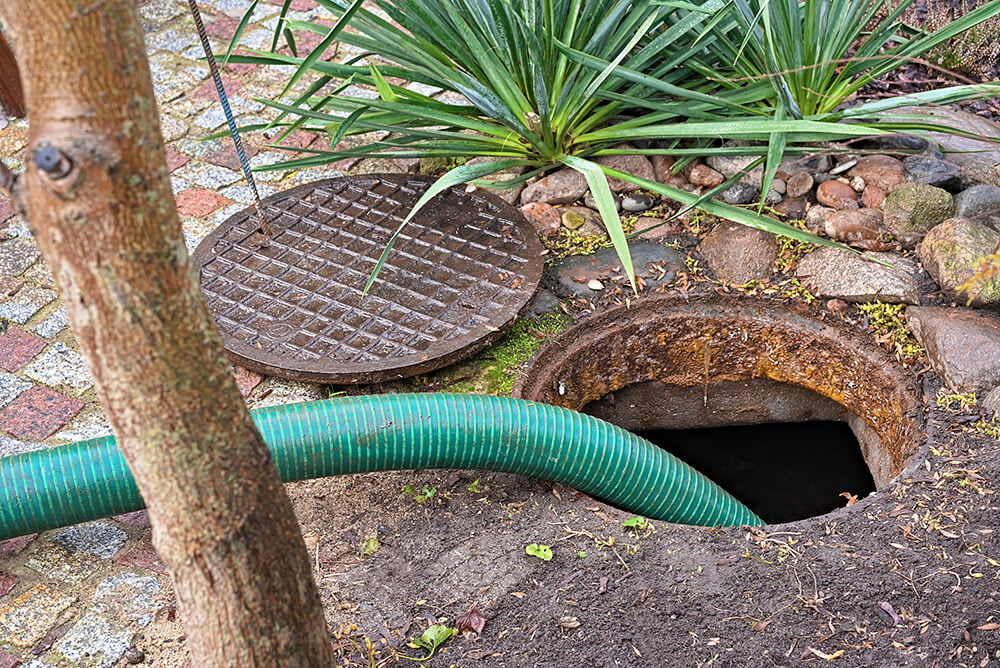
Caring for your septic system is crucial to ensuring its long life. But how much does it cost to pump a septic tank? We explore the different cost factors.
Septic tanks are not one size fits all

Your septic tank size depends on how many bedrooms you have, how much water your household uses daily, and even your local climate conditions.
Expect to pay $5,000 to $22,500 for septic system installation, with tank-only costs ranging from $500 to $1,600 depending on your home size.
You need to track your water usage and household size carefully to avoid choosing a septic tank that's too small or unnecessarily large for your needs.
Hiring a local septic tank company provides expert guidance on sizing requirements and local regulations, helping you select the right system for your property confidently.
If you live off the beaten path or want to avoid local utility companies, installing a septic tank is a great way to keep your waste management needs “in-house.” However, there are many different types, shapes, and sizes of septic tanks to choose from. Choosing the correct tank for your property helps save money both in the short-term (installation) and the long-term (water usage). Here is everything you need to know about septic tank sizes to help you make an informed purchase decision.
The best way to gauge how big of a septic tank you actually need is to simply add up the number of bedrooms and bathrooms on your property, along with the number of people who regularly use these facilities.
| Number of Bedrooms | Minimum Capacity in Gallons | Avg. Liquid Surface Area |
|---|---|---|
| 0 (Small apts, lofts) | 750 | 24 square feet |
| 1, 2, or 3 bedrooms | 1,000 | 27 square feet |
| 4 bedrooms | 1,250 | 34 square feet |
| 5 bedrooms | 1,500 | 40 square feet |
| 6 bedrooms | 1,750 | 47 square feet |
For a small loft with one or two people, 750 gallons is adequate, but homes with one or two bedrooms require 1,000 gallons or more. It is estimated that occupants use between 50 and 100 gallons of water per day in a typical U.S. home. We can use that to compare different septic tank sizes.

Septic tank sizes break down into several categories. There are the dimensions of the tank itself, the minimum septic tank capacity in gallons, the shape and size requirements of the distribution box, baffles, and drainfield.
A residential septic tank is around 4.5 feet wide x 8.0 feet long x 6 feet tall, though this is just a jumping-off point, as many tanks exceed this size. The average tank clocks in at 30 to 40 square feet. Most tanks are buried anywhere from 4 inches to 4 feet deep, according to local regulations, site conditions, slope, and related factors.
The minimum septic tank capacity is measured in gallons and represents the least amount of water required for optimal operation. This metric directly correlates to how much wastewater the tank needs to handle on a daily basis. The average here is 1,250 gallons, though many tanks hold 1,750 gallons or more. In decades past, 750-gallon tanks were popular, though these are now considered inadequate for basic residential tasks. Nowadays, the average range is 1,000 gallons to 1,500 gallons, depending on the demands and needs of the homeowners.
The shape of the tank impacts its overall dimensions, as round tanks take up less space than square tanks. There is some serious physics and geometry at play here, but if space is a serious consideration, go with a round tank over a square or rectangular model. Of course, this depends on the layout of your property and its slope. Talk to a local septic tank company to discuss the shape and how that impacts the size requirements for your unique setup.
Septic tanks are manufactured using a wide variety of materials, all of which impact the maximum size, due to construction concerns.
Concrete: This is the most common material used to make septic tanks. Due to the pourable nature of concrete, the size range here is massive. Concrete tanks go up to 5,000 minimum gallons, though larger tanks often require multiple compartments.
Plastic and fiberglass: In most cases, these tanks are prefabricated, placing a strict limit on the maximum size. Plastic and fiberglass septic tanks max out at around 1,500 minimum gallons, so they are not appropriate for large homes with more than three bedrooms.
Steel: Tanks from steel are square or rectangular, due to the nature of the material. With that in mind, they max out at around 2,000 minimum gallons. It is worth noting that steel tanks are not allowed in many areas due to their corrosive nature.
Local temperatures and weather conditions also impact the size dimensions of septic tanks in your area. Colder parts of the country, such as Alaska, require larger-than-average tanks, as these extreme temperatures slow down the process by which the sewage solids are digested. The tank sizes are increased to account for the added time the waste and water sit in the tank before digestion. On the other hand, warm and hot climates get by with smaller septic tanks, due to increased levels of bacterial action.
Just like the weather, local rules and regulations dictate required septic tank sizes. For instance, New York no longer allows tanks with a minimum capacity of 750 gallons, though this smaller size is fine in states like New Mexico. Every area boasts its own unique regulations, so contact local governmental agencies for more information. Additionally, your installation pro likely knows these rules inside and out.
Here are some tips worth considering when shopping for a new septic tank to ensure your size needs are met.
Call a pro with any questions you have about your system, even if they're general questions. The more informed you are about your system, the better it will work and the better that pros can help you with it.

Remember, all of the above metrics and data points are just starting points or average guidelines. Your property is unique, and so are your waste management needs. Start the process by discussing options with an experienced professional from a local septic tank installation company.
If you live in a three-bedroom home with a family of four or five people, there is no need for an extremely large septic tank built to service a six-bedroom home with a family of nine or ten. In fact, doing so can actually backfire: if your septic tank is far too large, it may not work properly. (Plus, septic tank costs vary depending on the size of the system, so you may be spending money you don’t need to.)
Having said that, it is never a bad idea to have a little wiggle room here, just in case your family grows.
It is not just the occupants of your home that determines the required septic tank size, but how much water they use per person. Keep accurate and up-to-date data regarding water usage and have this information ready for your installation expert.

Septic tanks must be pumped regularly to ensure efficient operation and a decent lifespan. Pumping a septic tank costs around $400. The average recommended frequency is every three to five years. Larger tanks with multiple occupants require more frequent pumpings than smaller tanks that service just one or two people.
I recently moved to another state and chose United Trust Van Lines after comparing several companies. Their team was punctual, professional, and extremely careful with my belongings. I was especially impressed with how they handled my home office setup and fragile items. Everything arrived on...
 United Trust Van Lines, LLC
Positive experience. As previously stated, the replacement/repair could not be completed (no fault of the plumbing tech) b/c misinformation was rec?d by property management maintenance. Thanks to the plumbing tech for your efforts. Appreciate you!
 The Waterworks
As usual with ECO, tech Jordan was outstanding, very professional, very knowledgeable, and very thorough with repairs made to tankless water heaters. Very highly recommend ECO!!!
 Eco Plumbers, Electricians, and HVAC Technicians
I would recommend this company to anyone! He showed up on time, was friendly, completed a very difficult repair on our dryer vent cover, was responsive, and pricing was extremely fair and competitive. I would have him back to do any of our repairs or cleanings without hesitation!
 U.S.A. Dryer Vent, LLC
Best cleaning I've had at my property
I'm a repeat customer of All Star Paving & Sealing and I appreciate the service that all start paving has done for me in the past. I just recently had them out for an estimate and things couldn't have gone better. The staff that they send out to do the estimates are very knowledgeable. The...
 All Star Paving and Sealing
Supreme Brick & Chimney is one of the best service providers I’ve interacted with. Extremely efficient, knowledgeable, and thorough. They took the time to walk me through their detailed full-service inspection and were extremely professional. Not to mention their turnaround time was...
 Supreme brick & chimney
They were great! They were thorough and efficient and paid attention to the details. Definitely recommend. I'm definitely going back!
 FIFI'S EARTH FRIENDLY CLEANING
Storms Mobile Welding was great to work with. They were prompt, professional and did an overall excellent job on the project. I highly recommend.
Great experience all together. Dog friendly, courteous, great results and honest with recommendations. Will certainly be using Cardinal in the future for any carpet repairs
 Cardinal Carpet Care & Repair
From average costs to expert advice, get all the answers you need to get your job done.
Caring for your septic system is crucial to ensuring its long life. But how much does it cost to pump a septic tank? We explore the different cost factors.

A damaged septic system can leak odors and sewage, so repairs are urgent. Find out how much septic tank repair costs based on repair type, tank size, and more.
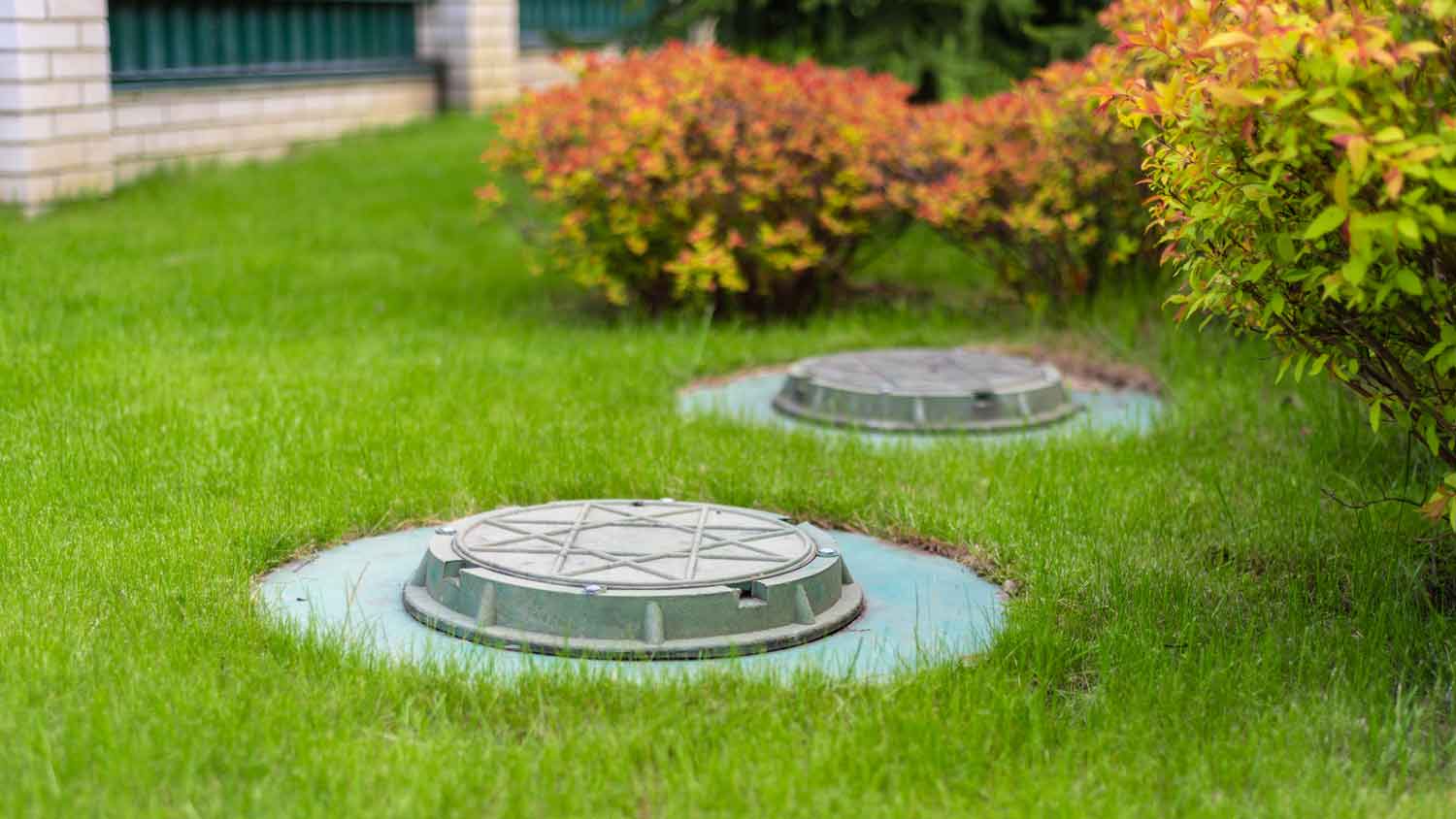
If it’s been there for a while, it can be hard to find the septic tank in your yard. Learn how much it costs to locate a septic tank with this guide.

Not sure what size septic tank to buy? Let’s break down the most common concrete septic tank sizes so you can pick the right one based on your needs.
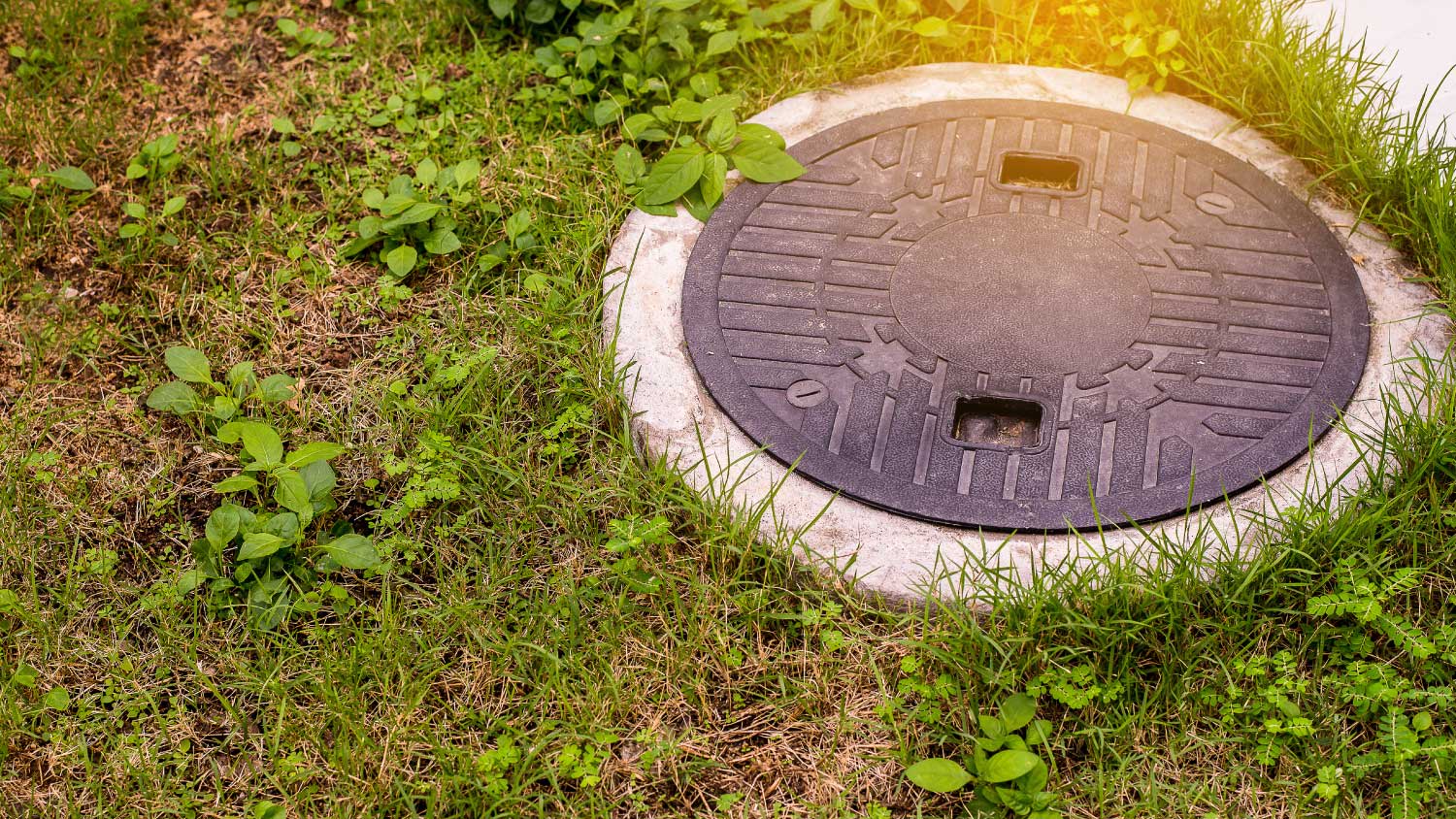
Septic tank risers make it easy to access your septic tank when it’s time for routine inspection, maintenance, and pumping, saving you precious time and labor costs.

Sludge buildup in a septic tank is natural, but it needs to go somewhere eventually. Learn what to put in a septic tank to break down solids efficiently.