


Top-rated radon detection and reduction specialists.

Get matched with top radon detection and reduction specialists in Lynwood, IL

Enter your zip and get matched with up to 5 pros

Need a pro for your radon detection and reduction project in Lynwood, IL?

Select your specific project to find the pro for you.

Find Radon detection and reduction specialists in Lynwood

Avatar for Radon Professional Services
Radon Professional Services
4.6(
34
)
Radon Gas - AbatementRadon Gas - Testing

Serving Lynwood, IL and surrounding areas

In business since 2012

Credit card accepted

"Jose Rodriguez was prompt, professional, and fast with results. He was there when he said he would, went there the next day after I called, and provided the results on time. As a real estate professional I know I'll need the services again and I know that he is the person I will be calling. Thank you!"
Recommended by100%of homeowners
Radaquest Radon Inspectors
5.0(
4
)
Radon Gas - Testing

Serving Lynwood, IL and surrounding areas

In business since 2008

Free estimates

Credit card accepted

"Very easy to get an appointment on short notice when I had limited time to get a radon test done in the process of purchasing a home. Their price was also slightly lower than an estimate I'd received from another company, and the technician was more thorough about explaining the process than the other company I considered."
Response time5 hrs
Response rate87%
Recommended by100%of homeowners
Avatar for Reliable Basement Services LLC
Reliable Basement Services LLC
4.7(
208
)
Radon Gas - AbatementRadon Gas - Testing

Serving Lynwood, IL and surrounding areas

In business since 2008

Free estimates

Credit card accepted

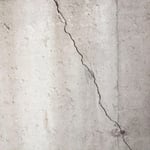
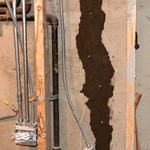
"The estimator examined the basement walls and identified four cracks through which water might be coming in and gave a quote.  We agreed to have the work done.  One service man came and filled the cracks in less than the estimated time.  The work involved surface patching the cracks on the inside of the wall, drilling approximately six holes through each crack and injecting a sealant into each crack.  Since we haven't had a hard rain since then, we haven't had a real test of whether it holds water out.
"
Additional Photos
Additional Photos
Additional Photos
Additional Photos
Additional Photos

+6

Recommended by95%of homeowners
Avatar for High Tech Waterproofing LLC
High Tech Waterproofing LLC
4.7(
63
)
Radon Gas - AbatementRadon Gas - Testing

Serving Lynwood, IL and surrounding areas

In business since 2013

Free estimates

Credit card accepted

"This company understands customer service.  My call was returned immediately and was able to have someone out to issue a quote within days of contact. We received a quote and had the work done within a week.  We have had all the big name companies out to give us quotes and High Tech Waterproofing provided a better option. Their quote was more cost effective, involved no hazardous fumes, no stud removal (that others had requested), and still included a warranty.  I am thankful thankful that I ran across their review on Angie's List. We've yet to have spring rains to test the job done, but I feel very comfortable with our choice.  I would recommend this company to any one.
"
crack repair
crack repair
BEFORE
AFTER
Crawlspace Storage

+1

Recommended by100%of homeowners
Showing 1-10 of 14
Radon Detection and Reduction questions, answered by experts

Radon enters your home when warm air begins to rise and exits through the roof, creating a vacuum that pulls cooler air from under the foundation. Part of that air is radon, which is an invisible, odorless gas that develops naturally when radioactive particles are deep within the ground. Those particles usually come from decaying matter in soil and rocks.

The soil beneath your house is most likely what’s causing an increased level of radon. This is because soil holds radioactivity for a long time and it’s also what most buildings are built on. Another common source of radon is water from a source that hasn’t been through periodic radon tests, such as well water. Over time, the radon from the soil can inhabit other parts of your house like the foundation or plumbing.

No level of radon is technically safe, but since it is naturally present everywhere, it is impossible to avoid entirely. The average radon level in homes across the United States is 1.3 picocuries per liter (pCi/L). The Environmental Protection Agency (EPA) recommends taking action to reduce radon levels if your home's test results are between 2 and 4 pCi/L or higher.

Long-term exposure increases lung cancer risks. Prolonged homestay individuals and smokers encounter heightened vulnerability and exposure concerns.

The fan that pulls the radon out of the air needs to run continuously, so you may see an increase in your electric bill once you install the mitigation system. Additionally, you may see an increase in your heating or cooling bills, as the fan can cause some loss of hot or cool air.

The Lynwood, IL homeowners’ guide to radon detection and reduction services

From average costs to expert advice, get all the answers you need to get your job done.