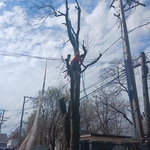
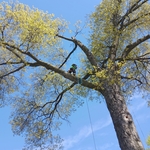
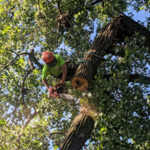
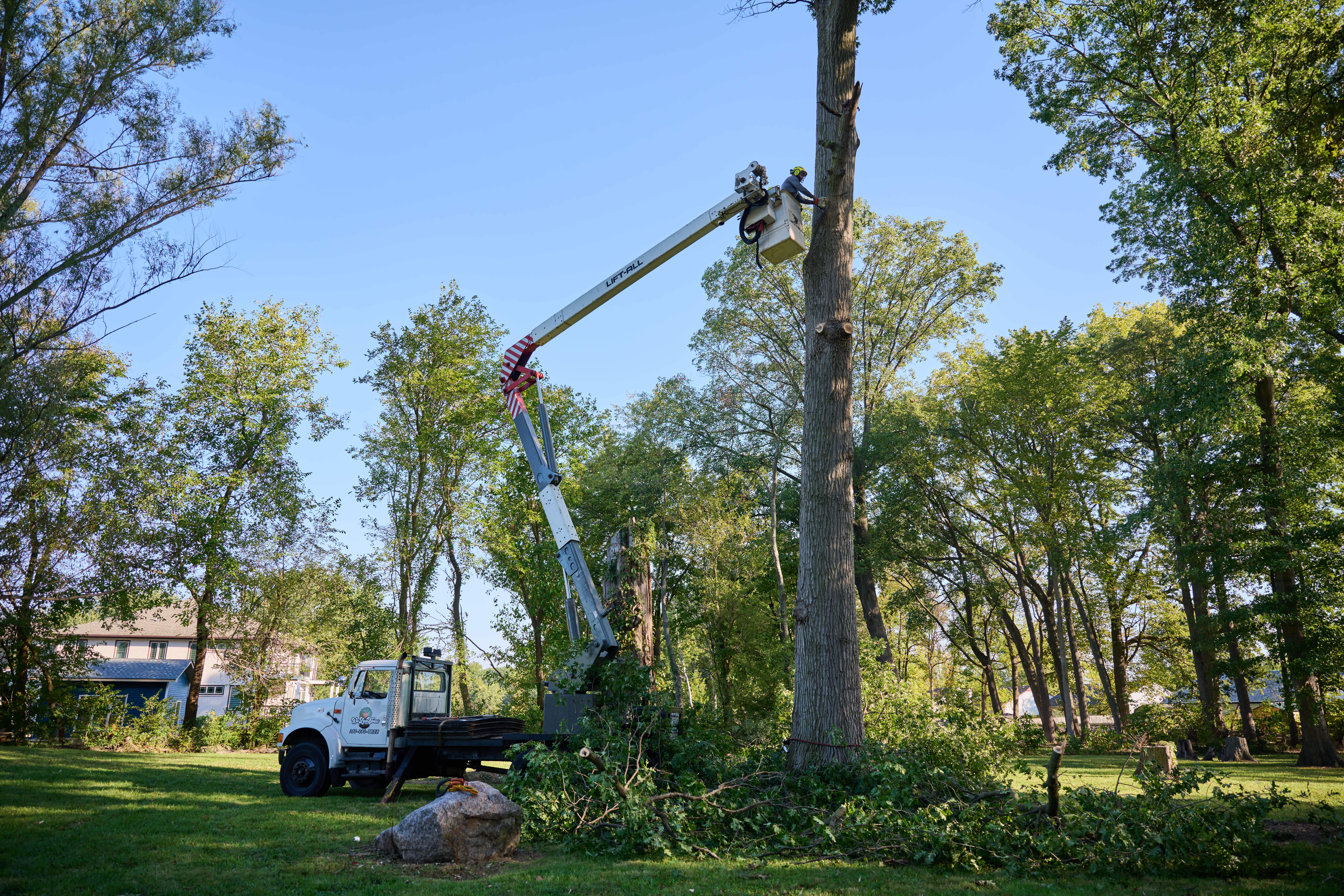
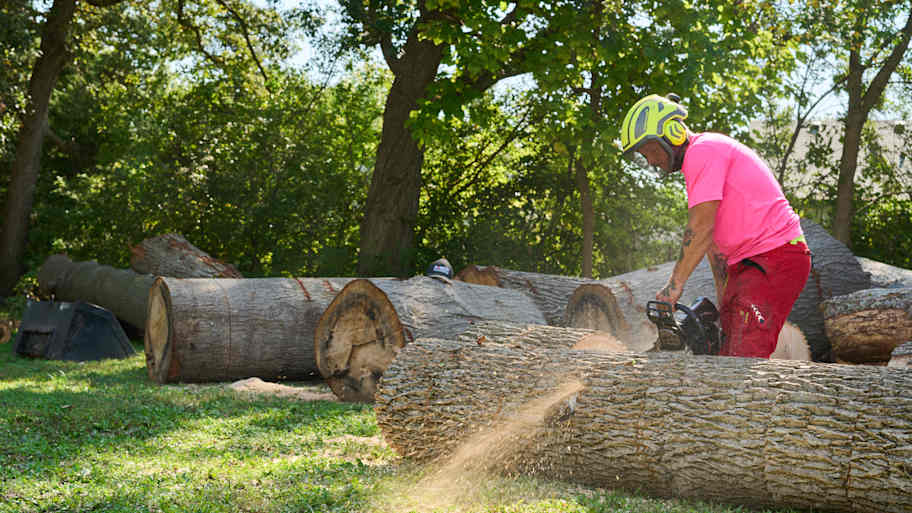
"They were on time, had plenty of help and did a excellent job removing a very large tree. They were very professional and polite. I would encourage others to use them as well."
"I contacted Arbor Pro Tree Service Sunday evening and they pruned my front yard tree on Monday while I was at work. Jose was very professional and did an awesome job. I would use his services again."
"Ramos Tree Service did an excellent job trimming 4 trees and 7 bushes. Professional and cleaned up after they finished. Very pleased with their service!"
"I was very pleased with the tree trim that I requested of Briggs once it was done. Only thing was I had to wait over a week and had to call to see if he was still going to do it."
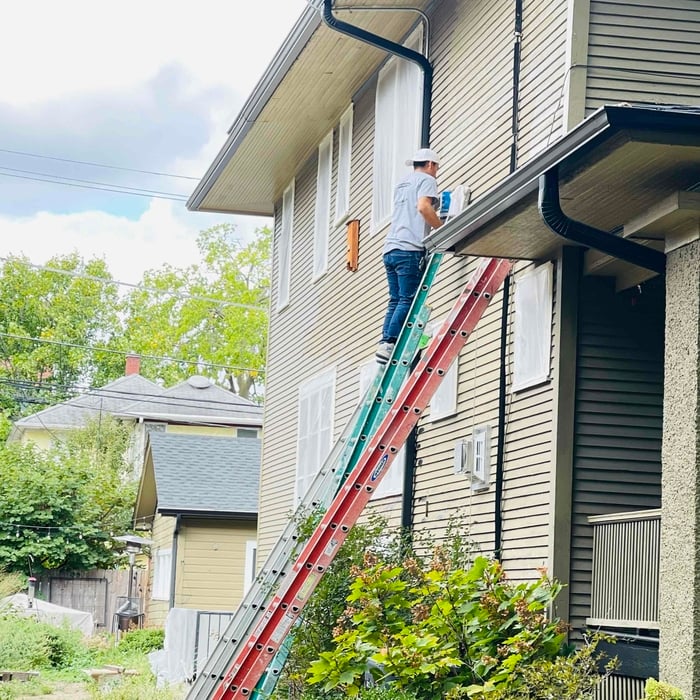
"Juan did a wonderful job in our house painting bedrooms bathrooms living room hallways kitchen and office room. He was so good in finding perfectly matching paint and his work was quick and flawless. He completed the job in 2.5 days"
A palm tree's lifespan typically ranges from 40 to 100 years, though some species can live much longer. For example, certain types of Date Palm trees can live for over 200 years. The exact longevity of a palm tree is influenced by several factors, including its species, size, climate, and growing conditions. To maximize your palm's lifespan, provide proper care and maintenance, such as ensuring it gets enough sunlight, water, and nutrients, and protecting it from pests and diseases. For expert maintenance tips, consider consulting a professional arborist.
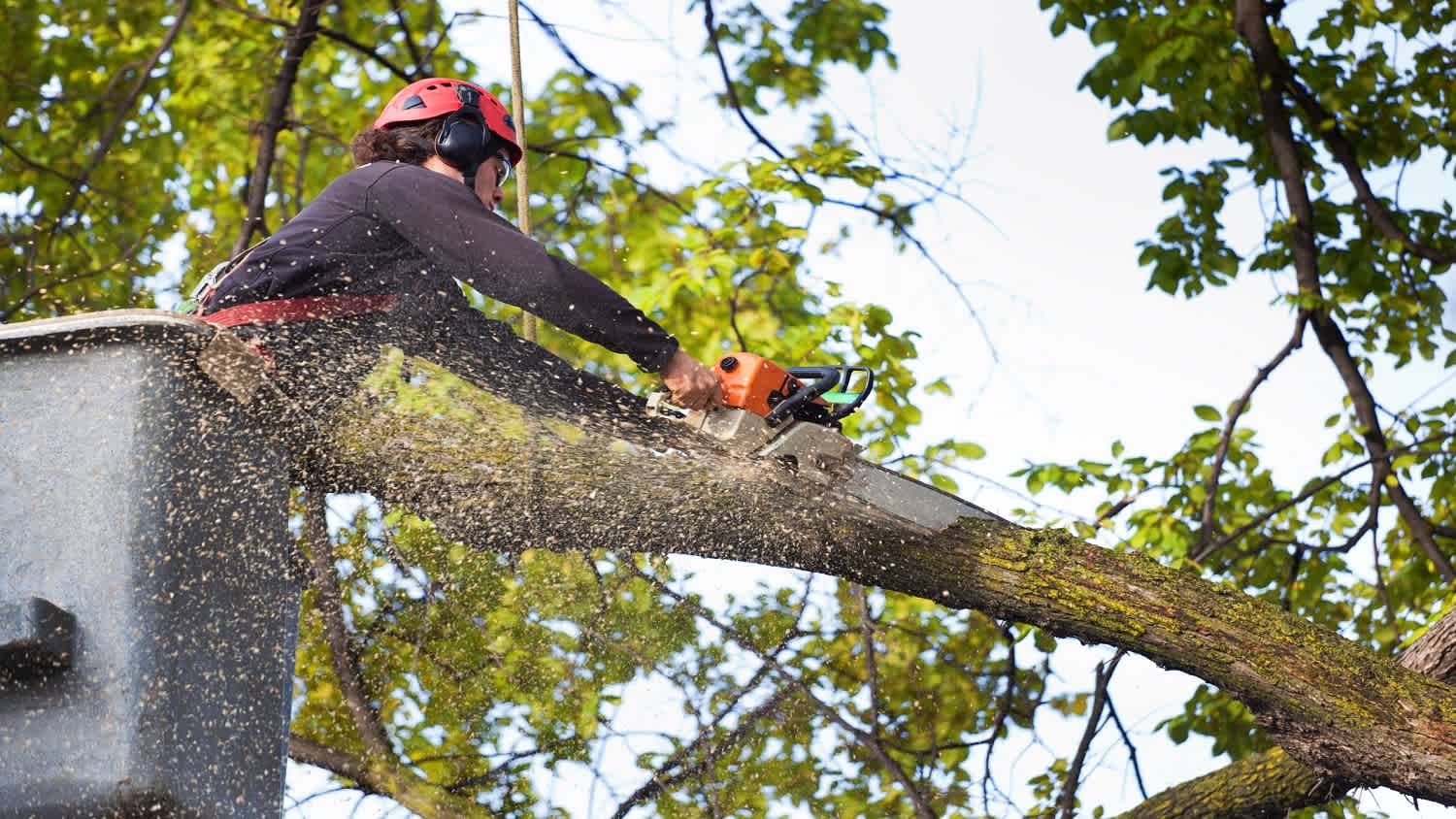
There are four common ways to prune a tree correctly: crown thinning, crown reduction, crown raising, and crown cleaning. The method you choose depends on the purpose of pruning. However, making the correct cuts is a vital part of the process, regardless of your method. Pruning incorrectly can damage or even kill the tree. So, you may want to hire a professional tree-trimming company to tackle the task.
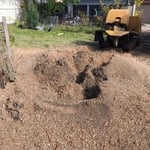
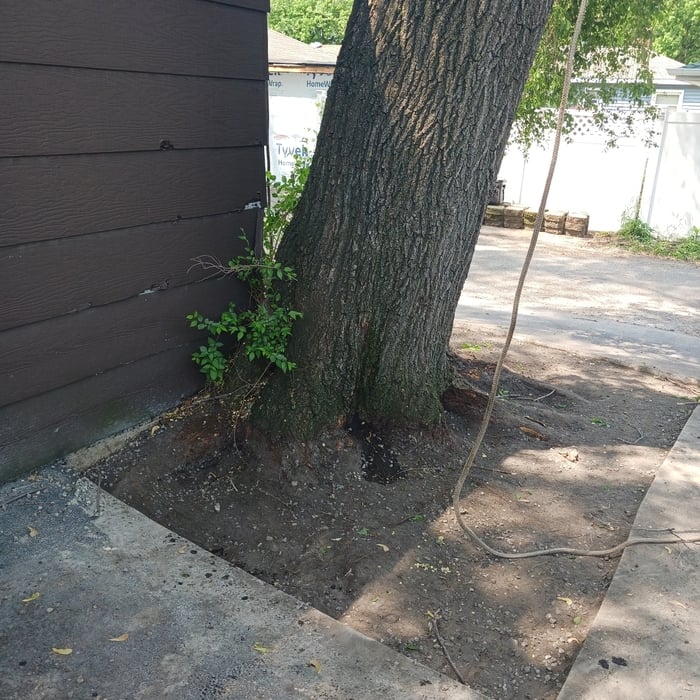
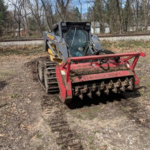
Unfortunately, palm tree stumps are one of the most difficult types to remove due to how their roots grow. Unlike other trees, palm tree roots grow horizontally and vertically. Palm tree roots grow as deep as three feet into the ground, although soil and growing conditions could mean they go as far as 50 inches into the earth.
If you want to be able to repurpose the grass in the area where you removed a stump later, you’ll have to dig quite deep—and perhaps wide—to trim away all the roots.
Palm tree removal can cost anywhere between $100 and $1,800 depending on palm size, tree condition, labor, location, and the amount of prep work involved. With the necessary skills, a DIY palm tree removal for trees shorter than 15 feet can lower costs. However, it’s generally recommended that you hire a palm tree expert for tree removal.
The best plan of action for an unhealthy or unsafe tree will depend on its condition. An arborist can recommend whether trimming or removal is the right call for your tree. Preventive tree trimming can keep trees safe and healthy, so make regular tree trimming a part of your yard maintenance plan.
The Homewood, IL homeowners’ guide to tree services
From average costs to expert advice, get all the answers you need to get your job done.
Discover what average tree removal costs in Chicago, IL based on different factors to know how much it will cost to take care of a dead or troublesome tree on your property.
The most significant factor in tree removal costs is the amount of debris. Read on to learn more about the average tree debris removal costs in Chicago, IL.
Tree inspections can ensure your trees stay healthy and safe, preventing costly damage. Learn how much tree inspections cost and what can affect the price.
Follow these tips to learn how to find a good tree removal service. Doing a little research can help you save time and money when you need to say goodbye to your trees.
You suspect that the leaning oak tree in the back needs to come down, but can you just handle it yourself? Here are the pros and cons of calling a tree service.