"Jose Rodriguez was prompt, professional, and fast with results. He was there when he said he would, went there the next day after I called, and provided the results on time. As a real estate professional I know I'll need the services again and I know that he is the person I will be calling. Thank you!"
"Chuck was thorough, personable, and very helpful. He went above and beyond to give us helpful pointers and information that was beyond the scope of what was required for the inspection. I highly recommend his services! "
"The owner called and asked the right questions which gave me the confidence that he would be the right person for the job. He was able to come over on the same day we spoke. He was prompt with communication and solidified that he was the right person to do the job. When it was time to do the job: Arrived on time, did clean work - and finished in a timely fashion. After a 6 hours of testing, my device showed the levels went down tremendously."
"Great. They provide radon mitigation for my home before closing, worked with my schedule and also allowed me to pay at closing which helped tremendously in my situation."
"Very easy to get an appointment on short notice when I had limited time to get a radon test done in the process of purchasing a home. Their price was also slightly lower than an estimate I'd received from another company, and the technician was more thorough about explaining the process than the other company I considered."
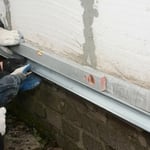
"The estimator examined the basement walls and identified four cracks through which water might be coming in and gave a quote. We agreed to have the work done. One service man came and filled the cracks in less than the estimated time. The work involved surface patching the cracks on the inside of the wall, drilling approximately six holes through each crack and injecting a sealant into each crack. Since we haven't had a hard rain since then, we haven't had a real test of whether it holds water out. "
Radon Detection and Reduction questions, answered by experts
Radon is present almost everywhere but, like sunlight, the concentration levels and how often you are exposed to it have a large part to play in just how dangerous it is. There are levels of radon that are acceptable inside a house, but above a certain limit, radon becomes a serious radioactive hazard that is a known cause of lung cancer. In fact, radon exposure is the number two leading cause of lung cancer (after smoking).
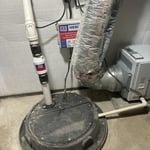
Installing a mitigation system reduces radon levels, which can cause lung cancer, providing peace of mind and long-term health benefits. It can also increase your home’s value, as many buyers prefer properties with radon safety measures in place. The investment is relatively low compared to the potential health risks associated with prolonged radon exposure.
No level of radon is technically safe, but since it is present everywhere, complete avoidance is impossible. The average radon level in homes across the United States is 1.3 picocuries per liter (pCi/L). The Environmental Protection Agency (EPA) recommends taking preventative measures if your home's radon levels are between 2 and 4 pCi/L or higher.
Mitigation reduces radon levels, protecting your health and complying with safety standards.
Use a radon test kit or hire professionals to conduct a detailed assessment of radon levels in your home.
The Posen, IL homeowners’ guide to radon detection and reduction services
From average costs to expert advice, get all the answers you need to get your job done.
The cost of a radon mitigation system in Chicago, IL, depends mostly on the type of system being installed. Use this guide to learn about your options.
Radon is a gas that you can't see or smell and is harmful to your health. If your home has radon, you need to know who installs radon mitigation systems.