


Top-rated lawn irrigation specialists.

Get matched with top lawn irrigation specialists in Basalt, ID

Enter your zip and get matched with up to 5 pros

TRUSTED BY BASALT, ID HOMEOWNERS

  • Average homeowner rating star icon3.8
    Average homeowner rating
  • Verified reviews icon53
    Verified lawn irrigation services reviews

Find Lawn irrigation specialists in Basalt

Avatar for Chaud Company Plumbing Services LLC
Chaud Company Plumbing Services LLC
4.7(
28
)
Lawn and Garden Sprinkler System - InstallLawn and Garden Sprinkler System - Install - For BusinessLawn and Garden Sprinkler System - Repair+2 more

Serving Basalt, ID and surrounding areas

In business since 1986

Credit card accepted

"Well. 1st plumber who looked at the system said shower valves needed to be replaced but that was a problem because there are no access panels. Chaub plummer advised valves were good quality and there was no need to replace. He replaced/installed new hardware and did a great job in a timely manner."
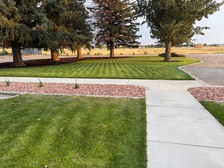
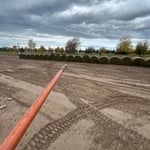
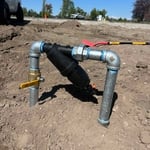
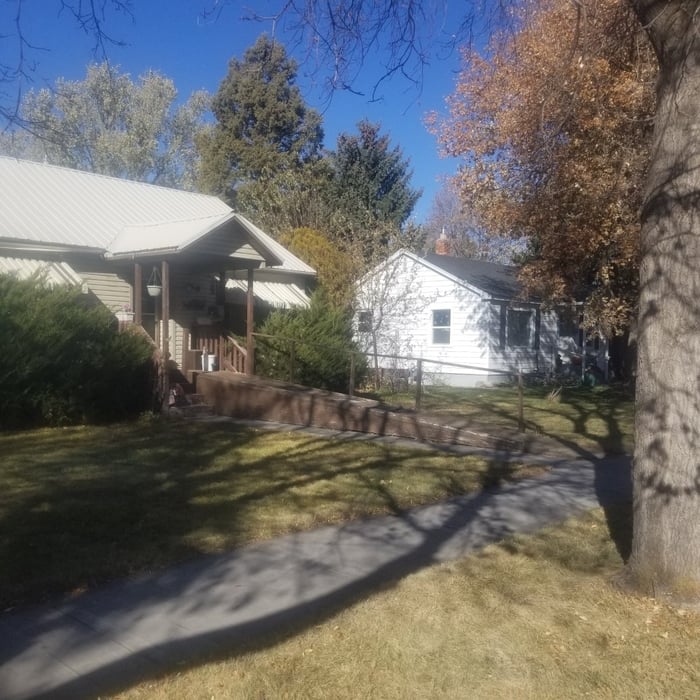
Additional Photos
Additional Photos
Additional Photos
Additional Photos
Recommended by96%of homeowners
Showing 1-10 of 30
Lawn Irrigation questions, answered by experts

This depends on the type of grass seed, as some types do better in different environmental conditions. Cool-season grasses go dormant during the summer months when the soil temperature exceeds 65 degrees Fahrenheit. Once exposed to regular doses of heat, the germination rates decline, with seedling death not far behind. 

As for warm-season seeds, they come from tropical parts of the world and thrive in heat. They actively grow in warm air temperatures between 70 and 90 degrees Fahrenheit, and they prefer soil temperatures between 65 and 70 degrees Fahrenheit. Once temperatures dip and frost rolls in, if you don’t store them properly, warm-season grass seeds will die quickly.

Yes, orchard grass is a perennial weed that will come back each spring. However, if you maintain a healthy, dense lawn in the spring, orchard grass will not have as much space to flourish. Remove signs of the weed early in the spring season whenever possible.

In the fall, you should aerate the soil, overseed the bare spots, kill weeds, mow the lawn low, and rake your leaves. By boosting your lawn’s health in the fall, your grass will be stronger throughout the winter and come back healthier in the spring. You should also trim your perennials so that they withstand the winter and are ready for new growth in the spring. 

Whether you’re putting down fresh seed or reseeding, there are a few things to keep in mind when seeding your lawn. Be sure to choose the correct seed for your climate, seed at the right time of year, and water two to three times a day for the first week. Generally, Dudley recommends seeding in spring and fall as it is usually cooler and rainier.

Bahia grass is not difficult to grow, but you might need patience for this slow-growing grass. Whereas some grass species, like Bermuda grass, can take 1 to 2 weeks to germinate, Bahia grass can take two or three times as long, making it seem like it won’t grow. But again, once your Bahia grass is established, it requires little maintenance. Its deep root system makes it a very durable grass that can bounce back after freezes and droughts. 

The Basalt, ID homeowners’ guide to lawn irrigation services

From average costs to expert advice, get all the answers you need to get your job done.