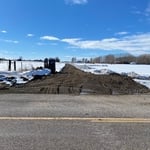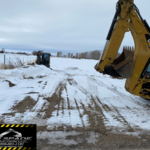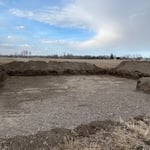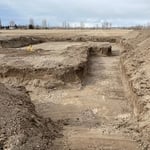






Top-rated excavation pros.

Best excavation pros near Basalt, ID

Enter your zip and get matched with up to 5 pros

Need a pro for your excavation project in Basalt, ID?

Select your specific project to find the pro for you.

TRUSTED BY BASALT, ID HOMEOWNERS

  • Average homeowner rating star icon4.3
    Average homeowner rating
  • Verified reviews icon22
    Verified excavation services reviews

Top-Rated Excavation pros in Basalt - Updated Nov 2026

Avatar for Double JJ DirtWorks
Double JJ DirtWorks
5.0(
5
)
Excavation - Major Grading or ReslopingExcavation - Major Grading or Resloping - For Business

Serving Basalt, ID and surrounding areas

Approved

In business since 2020

Free estimates

Offers commercial services

"Justin did a great job. He was on site when promised, worked quickly and completed the demolition project on time. High attention to detail, thorough and responsive to questions. The post-project job site condition exceeded my expectations."
Response time3 days
Recommended by100%of homeowners
The Service Company of Idaho
New to Angi
Excavation - Major Grading or ReslopingLandscape - Minor Grading or Resloping

Serving Basalt, ID and surrounding areas

Approved

In business since 2013

Free estimates

Offers commercial services

We are committed to excellence in every aspect of our business. We uphold a standard of integrity bound by fairness, honesty, and personal responsibility. Our distinction is the quality of service we bring to our customers. Accurate knowledge of our trade combined with ability is what makes us true professionals. Above all, we are watchful of our customers' interests, and make their concerns the basis of our business.

Response time10 mins
Intermountain Specialties
4.3(
2
)
Building Site - Preparation and ClearingBuilding Site - Preparation and Clearing - For BusinessExcavation - Major Grading or Resloping

Serving Basalt, ID and surrounding areas

In business since 1996

Free estimates

Credit card accepted

"he has worked for us for about 8 months and never had a problem that we couldn't work out. He's been honest and up front about everything. He does not go back on his word even if he takes a loss, he keeps his word."
Response time2 days
Recommended by100%of homeowners
Showing 1-10 of 21
Excavating FAQs, answered by experts

Prior to excavation, you should prepare the dig site and call 311 before you sign anything.

To get your site ready for excavation, you should move anything in the area that isn’t affixed to the land. You can save money on the excavation by removing hardscaping, including walkways, decks, concrete patios, and paver patios.

Before you carry out any digging, you should call 311 to confirm that there are no utility lines running through your excavation site. Skipping this step could lead to severe injury and property damage if your excavator hits a water, sewage, or gas line.

Slab foundations are more affordable than crawl spaces because they require minimal excavation, as the slab sits directly on the ground or on footers that only sink a few feet into the ground. Crawl spaces require excavation of the entire footprint of the home to several feet below the surface. Not only does that mean higher labor costs, but more materials are necessary for the concrete foundation walls.

Depth is not a qualifying component of evacuation. Any human-made cut, cavity, or depression in the earth’s surface is considered excavation. The hole from excavation can be any size, shape, or depth. Excavation is used to create foundations, reservoirs, drainage ditches, and roads. Long, narrow excavations are called trenches and are often used for underground utilities.

The best method for digging a trench depends on the scope of the project. For a short, shallow trench (less than 2 feet deep) in light, soft soil, digging by hand may be sufficient. However, digging by hand is labor-intensive, so consider the effort required. A machine trencher is the better option for longer trenches (over 100 feet), deeper ones, or when dealing with difficult soil conditions, such as rocky or hard ground, or obstructions like tree roots. A machine can save significant time and energy in these situations.

No, fire blight does not survive free in the soil but instead is carried through insects, animals, rain, or wind during the spring. Keep in mind that it can also spread on tools, which is why you should always disinfect them in between cuts.

The Basalt, ID homeowners’ guide to excavation services

From average costs to expert advice, get all the answers you need to get your job done.