




Top-rated lawn irrigation specialists.

Best lawn irrigation specialists near Riverside, ID

Enter your zip and get matched with up to 5 pros

Need a pro for your lawn irrigation project in Riverside, ID?

Select your specific project to find the pro for you.

Top-Rated Lawn irrigation specialists in Riverside - Updated Nov 2026

Avatar for Concors Earthworks
Concors Earthworks
5.0(
6
)
Lawn and Garden Sprinkler System - Repair

Serving Riverside, ID and surrounding areas

Approved

In business since 2023

Free estimates

Offers commercial services

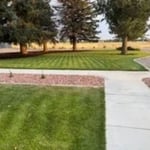
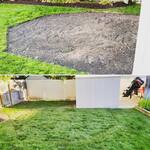
"Wilson from Concors Earthworks did an outstanding job installing about 1,000 square feet of sod in my front yard. He was professional, efficient, and clearly knows what he’s doing. The sod was laid cleanly and evenly, and the yard looks fantastic. Communication was clear throughout the process, and he left everything tidy when he finished. Highly recommend Wilson and Concors Earthworks for any sod or earthwork needs!"
Nice lawn
1 neighbors recently requested a quote
Avatar for Chaud Company Plumbing Services LLC
Chaud Company Plumbing Services LLC
4.7(
28
)
Lawn and Garden Sprinkler System - InstallLawn and Garden Sprinkler System - Install - For BusinessLawn and Garden Sprinkler System - Repair+2 more

Serving Riverside, ID and surrounding areas

In business since 1986

Credit card accepted

"Well. 1st plumber who looked at the system said shower valves needed to be replaced but that was a problem because there are no access panels. Chaub plummer advised valves were good quality and there was no need to replace. He replaced/installed new hardware and did a great job in a timely manner."
Additional Photos
Additional Photos
Additional Photos
Additional Photos
Recommended by96%of homeowners

Showing 1-10 of 31
Lawn Irrigation FAQs, answered by experts

Soaking grass seeds in water before seeding is called pre-germinating. It’s not necessary but can be very helpful in some cases. Some grasses like are very slow to germinate, and basic seeding on the ground is unlikely to be effective—that’s especially true of cool season grasses like Kentucky bluegrass, rye grasses, and Bermuda grass. Soaking these seeds in a bag or bin of water for one to four days beforehand can give the grass the start it needs to survive.

If thrown on the ground and left, some Bermuda seeds will sprout on the surface, but you will have a diminished germination rate. It’s best to cultivate the area before spreading the seeds for optimal results. Rake the area first and then evenly distribute the Bermuda seeds. Cover the space with about ¼ inch of soil before watering the area.

If maintained correctly, natural grass should last between five and 15 years, or up to several decades, depending on your home’s climate conditions. You can extend your grass’ lifespan by treating it well, including regular mowing, weeding, watering, and preventative pest control. Consider hiring a local lawn care service to provide everything your grass needs to live a long, healthy life.

Speeding up grass seed germination is possible, but it requires quite a bit of extra work and commitment. Keeping the soil moist is key, but here are a few other tried-and-true methods for growing your new grass as quickly as possible:

  • Mist grass up to eight times per day to keep the soil moist.

  • Purchase a moisture-retaining seed coating for your grass seeds.

  • Amend soil that is compacted or in the wrong pH range.

  • Choose the right grass seed for your area’s climate and soil conditions.

  • Avoid planting on windy days or during periods of extreme rain or drought.

The best time to plant grass seed depends on your local climate and whether you have cool-season or warm-season grass.

For cool-season grasses (like tall fescue), the ideal time to seed is late summer or early fall (typically August and September). During this period, the soil is still warm from the summer, but the air is cooler, creating optimal conditions for germination and root establishment before winter. There is also less competition from weeds. Spring is a secondary option, but cooler soil temperatures, the risk of a late frost, and less time for the grass to mature before summer heat can make it less successful.

For warm-season grasses (like St. Augustine), the best time to plant is from late spring through mid-summer (typically May and June), when temperatures are consistently between 75 and 90 degrees Fahrenheit.

In general, it is best to avoid seeding during winter or early spring, as cold soil and air can prevent seeds from germinating. For recommendations tailored to your specific grass type and climate, consider consulting a local lawn care professional.

The Riverside, ID homeowners’ guide to lawn irrigation services

From average costs to expert advice, get all the answers you need to get your job done.