

Top-rated lawn irrigation specialists.

Best lawn irrigation specialists near Annis, ID

Enter your zip and get matched with up to 5 pros

TRUSTED BY ANNIS, ID HOMEOWNERS

  • Average homeowner rating star icon4.5
    Average homeowner rating
  • Verified reviews icon17
    Verified lawn irrigation services reviews

Top-Rated Lawn irrigation specialists in Annis - Updated Nov 2026

Avatar for Concors Earthworks
Concors Earthworks
5.0(
6
)
Lawn and Garden Sprinkler System - Repair

Serving Annis, ID and surrounding areas

Approved

In business since 2023

Free estimates

Offers commercial services

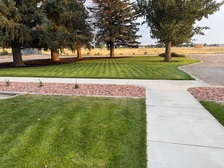
"Wilson from Concors Earthworks did an outstanding job installing about 1,000 square feet of sod in my front yard. He was professional, efficient, and clearly knows what he’s doing. The sod was laid cleanly and evenly, and the yard looks fantastic. Communication was clear throughout the process, and he left everything tidy when he finished. Highly recommend Wilson and Concors Earthworks for any sod or earthwork needs!"
Nice lawn
1 neighbors recently requested a quote
Showing 1-10 of 36
Lawn Irrigation FAQs, answered by experts

Planting grass from seed requires time to grow before it can handle even light foot traffic. Most varieties require a minimum of three months before you can walk on them regularly. You can expect to wait at least one year before your lawn can hold up to heavy use. Because sod is already established, it can be walked on more quickly than grass planted from seed.

While it may seem easier and faster to throw grass seed onto dirt and call it a day, that method likely won’t yield great results. Preparing your lawn for reseeding or seeding by clearing rocks and debris, aerating, removing existing grass, or leveling it. You should also plan out the best time to plant your grass based on its type and your location to ensure it grows well. So, if you want your grass to grow successfully, put more time and effort into the project than throwing seed on the ground.

Grass will grow back after being sprayed with vinegar. If you’re looking for an alternative to chemical herbicides, vinegar can help you manage weeds. Use a mixture of 1 gallon of white vinegar, 1 cup of salt, and 1 tablespoon of dish soap to spray on your grass. This will kill the grass at the surface while keeping the roots intact, so it’ll eventually grow back. You’ll need to use an herbicide or manually remove the whole root system to get rid of grass for good.

Properly secured bird netting is the best option to cover your grass seed with. It creates a minor moisture barrier that can help seeds sprout, and it’s a great way to keep birds away from your seeds. A cheaper, lower-maintenance option is hay or mulch, but these can change the look of your lawn and require cleanup in the case of straw.

Adding seed to existing grass is often known as overseeding, as opposed to reseeding. Reseeding refers to the process of filling in bare or dying patches of lawn—or in some cases, full lawns—whereas reseeding supports existing lawns to prevent thinning. Overseeding is an ideal annual lawn care practice for grass fighting drought, disease, weeds, or pest issues.

The Annis, ID homeowners’ guide to lawn irrigation services

From average costs to expert advice, get all the answers you need to get your job done.