



Top-rated asphalt driveway pros.

Get matched with top asphalt driveway pros in Keokuk, IA

Enter your zip and get matched with up to 5 pros

Need a pro for your asphalt driveway service project in Keokuk, IA?

Select your specific project to find the pro for you.

Find Asphalt driveway pros in Keokuk

Dave Navarro Construction
5.0(
2
)
Concrete Driveways & Floors - Install- For BusinessConcrete Driveways - Install

Serving Keokuk, IA and surrounding areas

In business since 2010

Free estimates

"The workmanship was excellent. The work was completed within the time frame agreed upon as well as the price quoted. Everything was done very professionally from start to finish. I HIGHLY recommend Dave Navarro Construction for any interior remodeling. I will definitely use him again - without hesitation."
Recommended by100%of homeowners

Avatar for Ellison's Elite Concrete Finishing
Ellison's Elite Concrete Finishing
New to Angi
Concrete Driveways & Floors - Install- For BusinessConcrete Driveways - Install

Serving Keokuk, IA and surrounding areas

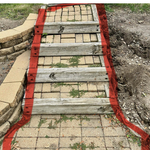
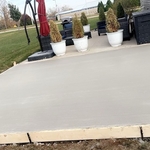
We specialize in concrete services, repairs, pouring, leveling, driveways, walkways, patios, and more! We guarantee your satisfaction, and we won’t leave until the job is done right. We pride ourselves on the quality work we provide, while delivering great customer service! Check out all the services we offer below and call -or- click to schedule a free estimate today!

Additional Photos
Showing 1-10 of 15
Asphalt Driveways questions, answered by experts

Building a road on a slope requires careful planning and will normally require a drainage system underneath to prevent flooding and damage to the road over time. Your professional may lengthen your road to create switchbacks if the slope directly to your home is too steep, as there are regulations for maximum road slope. The drainage system will help prevent runoff from the higher side of the slope from damaging the asphalt or concrete. Keep in mind that building a road on a slope isn’t a good DIY project, as a lot can go wrong.

If you’re looking for a similar, eco-friendly driveway material, you might consider one of these options:

  • Permeable pavement: This material is sometimes called “pervious” or “porous” pavement; it allows stormwater to drain into the subbase, eliminating storm drain costs. 

  • Gravel: Consider paving your driveway with locally sourced gravel. By sourcing from a nearby source, your money won’t fund international shipping and will be invested back into your local community.

  • Natural stone pavers: Because natural stone pavers are made from organically-produced stone, there’s no new manufacturing required, limiting the environmental impact. In addition, water easily flows and drains through the gaps in the pavers.

New asphalt goes through two stages: drying and curing. Drying typically takes 24 to 72 hours, after which the surface is solid enough for light use like walking or careful driving. While you may be able to park on it after 72 hours, the surface is still soft and should be treated gently. Full curing is a much longer process, taking anywhere from 30 days to a full year for the asphalt to reach maximum strength. During this extended curing period, the asphalt is susceptible to damage from heavy vehicles, sharp objects, and high temperatures. Factors like weather, the specific asphalt mix, and application thickness all influence drying and curing times. For the most accurate timeline and to ensure the longevity of your new asphalt, it is always best to consult with your installation contractor for their specific recommendations.

Several materials are suitable for steep driveways. Gravel and crushed stone are affordable options that provide good traction. Permeable pavers—such as plastic, rubber, or concrete—filled with gravel or crushed stones are also excellent, as they allow water to drain without causing erosion and perform well in ice and snow. Another option is resin, which can be coated with an anti-slip finish and helps prevent puddles. For added stability, you can install a retaining wall to prevent pavers and gravel from shifting over time.

Like all driveway materials, asphalt can crack in the wrong conditions and with age. Many things can cause asphalt to crack, including shifting soil or settling under the foundation. Other common causes are driving oversized vehicles on the asphalt, tree roots, and using rock salt during the snowy season. Proper installation and sealing the driveway every 10 years can help prevent cracks.

The Keokuk, IA homeowners’ guide to asphalt driveway services

From average costs to expert advice, get all the answers you need to get your job done.