




Top-rated asphalt driveway pros.

Get matched with top asphalt driveway pros in Carthage, IL

Enter your zip and get matched with up to 5 pros

Need a pro for your asphalt driveway service project in Carthage, IL?

Select your specific project to find the pro for you.

Find Asphalt driveway pros in Carthage

Agape Construction & Improvement
4.0(
60
)
Concrete Driveways & Floors - Install- For BusinessConcrete Driveways - Install

Serving Carthage, IL and surrounding areas

In business since 2009

Free estimates

Emergency services offered

"

Brady is the best you'll ever find for home remodeling projects.
Showed up on time. Took the time to make ever job right.
Projects were worked on over a number of months, one at a time.


The best and most honest tradesmen I've ever found.
We moved to Texas in January of 2014.  We whish Brady could have come with us.
I've found some good (and bad) people to work on the Texas home.  But no one who comes close to the quality of work done by Brady Brower.
"
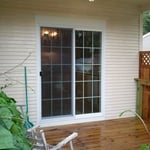
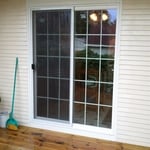
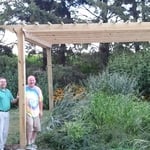
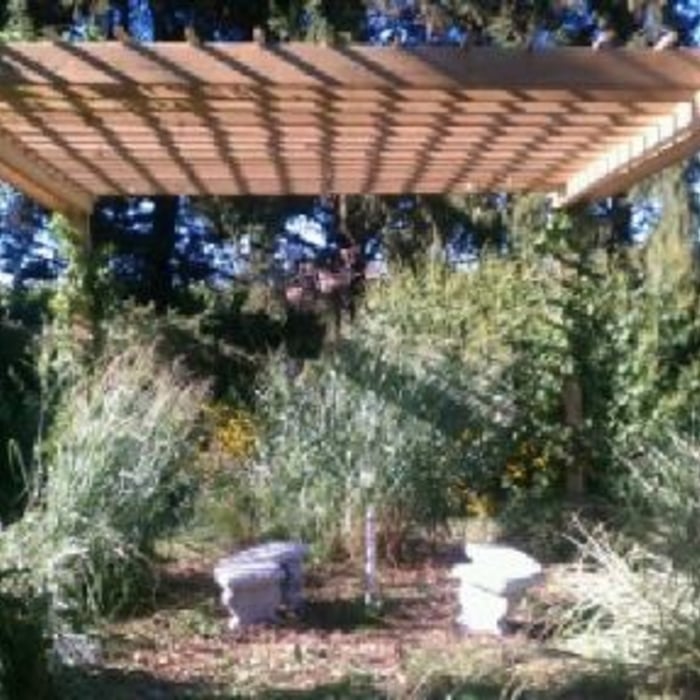
Additional Photos
Additional Photos
Additional Photos
the home owners are very happy!
all done!!

+1

Recommended by90%of homeowners

Avatar for Green Earth Enterprises Inc
Green Earth Enterprises Inc
4.7(
7
)
Gate for Driveway or Security - Install or Replace

Serving Carthage, IL and surrounding areas

In business since 2009

Free estimates

Emergency services offered

"
I wasn't sure this would end up to be a good idea but, it turned out a very pleasant experience. They did it all from start to finish. They spent the first day and a half gathering the trash and debris left by the tenants. They must have pulled four trailers worth of mess out to the dump. Then they went through the whole place; removing nails from the walls, doing the patchwork on the plaster and lathe (where we wanted it repaired and pulled out where we wanted drywall replaced), sanding all the spots and removing the mess. Then they started in with the heavy repairs in the putting in a couple of windows and hanging the drywall where needed, they taped off all the walls, fixtures and windows to ready it for paint. After painting and waiting for it to dry; then they started outside clearing out the brush and debris left behind. They also worked to dress up the yard with great ideas like window boxes and fresh flowers! . They did all the paint work inside the house and finished up by touching up the outside paint. They went back through the house last time and shampooed the carpets, cleaned the stove and fridge, and put fresh new chalk in all the needed spots. I know I may not have all the right terminology but, these folks Really saved the day! When they left the place was spotless and the time and money we spent was well worth giving up the headache of that mess to someone else and finding they'd done a great job! Wonderful!"
Recommended by71%of homeowners
Showing 1-10 of 35
Asphalt Driveways questions, answered by experts

In the United States, roads are usually categorized as one of three types: public roads, other drivable roads, and non-drivable roads. These categories dictate how a road can be used; a non-drivable road might be classified that way because it is heavily damaged and unsafe for cars.

While blacktop is a type of asphalt, the terms should not be used interchangeably, as not all asphalt qualifies as blacktop. The primary differences are in their composition, production process, and ideal applications. Blacktop contains more stone than other types of asphalt and is heated to a higher temperature during production—300°F or more—while hot-mix asphalt is heated to between 275°F and 300°F. The ratio of bitumen (a tar-like crude oil) is a key differentiator, though sources vary: some state blacktop has less bitumen, making it less durable, while others claim it has a higher ratio. Due to these differences, asphalt is generally more durable and better for high-traffic areas like highways and streets, while blacktop is more suitable for playgrounds and residential driveways. For a driveway project, it is best to consult a professional to determine the most appropriate material.

New asphalt typically needs 24 to 72 hours to dry before it can handle light foot traffic and careful driving. Although it may appear solid after a few days, the full curing process, where the asphalt reaches its peak strength, takes much longer—generally from 30 days to a year.

During this extended curing time, the surface remains relatively soft and can be damaged by heavy vehicles, sharp objects, or high temperatures. To protect your investment, it's best to avoid parking heavy machinery on the asphalt until it has fully cured.

The exact time required for drying and curing depends on several factors, including the weather, the specific asphalt mix, and its thickness. For the most accurate advice tailored to your situation, consult with your asphalt contractor.

The three most common types of asphalt are hot asphalt, MC cold mix, and UPM asphalt. Hot asphalt is used most often for paving and patching roadways while it’s hot and workable. MC cold mix asphalt cures more slowly than hot asphalt, but it can be used for temporary patches and repairs in low-traffic areas. UPM is also used cold, but it can be used as a longer-term fix, usable in almost any conditions at almost any temperature.

Recycled asphalt is a durable choice for a driveway, but doesn’t have the same appearance and low maintenance as standard asphalt. For long driveways in rural communities, recycled asphalt can make a great choice. Recycled asphalt is 20% to 30% percent less expensive than standard asphalt and is better for the environment. 

The Carthage, IL homeowners’ guide to asphalt driveway services

From average costs to expert advice, get all the answers you need to get your job done.