

Calculate the cost of installing a new asphalt driveway based on dimensions, depth, finishes, and other custom driveway details.
Paving the way to success starts with knowing your options

Your asphalt driveway can use hot mix, warm mix, or cold mix types, each suited to different climates and installation temperatures.
Expect to pay $3 to $16 per square foot for professional asphalt installation, depending on the mix type and durability you need.
Dense-graded mixes resist freeze-thaw damage best, while porous asphalt drains water efficiently but requires soil that drains well to work properly.
Hiring a local driveway paving professional helps you choose the right asphalt type for your climate and traffic needs, keeping your installation smooth and long-lasting.
You’ve narrowed down the driveway types and settled on asphalt as the winning material—but not all asphalt is made equal. With six different types of asphalt available for your driveway, knowing which one to choose could make a huge difference in the safety and effectiveness of your new driveway. We’ve rounded up the most common asphalt materials and investigated the pros and cons of each one so that you can make an informed decision.

When cruising down the road, you’re likely driving on what is known as hot mix asphalt (HMA). This type of asphalt is most commonly used on surfaces with heavy traffic because it’s comprised of any combination of fine or coarse aggregates and a binder. This combo creates one of the most weather-resistant asphalt surfaces.
HMA gets its name from the high heat used in the mixing process and delivery. The asphalt is heated above 300 Fahrenheit when mixed at the mixing facility. From there, it’s delivered to your home hot, placed at a hot temperature, compacted, and then it cools quickly to form your asphalt pavement. Since HMA cools fast, it’s important to work with a driveway paving company near you that’s familiar with working with this asphalt.
HMA asphalt is one of the best types of asphalt to use in paving due to its durability, but it does tend to cost more than other types of asphalt. This asphalt costs around $7 to $13 per square foot on average. Another downside is that HMA can’t be applied if temperatures are below 40 degrees because the cold will cause the asphalt to cool too fast to apply.
| Pros | Cons |
|---|---|
| Can handle heavy traffic | Higher cost |
| Durable | Can’t be applied under 40 degrees |
| Cures quickly | Requires a pro |
Best for: Homes in warmer climates with high traffic or heavy-duty, slow-moving vehicles

Dense-graded asphalt is a type of HMA made from fine- or coarse-graded aggregates. The aggregates are densely designed to achieve one of the densest and most impermeable driveway materials on the market. This type of asphalt can handle the heaviest of traffic, making it suitable for busy roads.
Since this material is so impermeable, your driveway is less likely to crumble or crack during the freeze-thaw cycle, making it a good choice for homes in freezing climates. However, since dense-graded mixes are a type of hot-mix asphalt, you’ll find they have similar cons regarding price and application.
| Pros | Cons |
|---|---|
| Freeze-thaw cycle resistant | Needs a pro to install |
| Heavy-duty | Higher cost |
| Durable | Must be applied above 40 degrees |
Best for: Driveways with climates most at risk of damage from freeze-thaw cycles or heavy-duty traffic

As the name suggests, warm mix asphalt (WMA) uses warm temperatures during the manufacturing process. While it has a similar production method as hot mix asphalt, the temperature range for this asphalt falls anywhere between 200 and 250 degrees.
This lower temperature means that less energy is needed to manufacture WMA, making it more environmentally friendly compared to HMA. Research from the Illinois Asphalt Pavement Association Scholarship suggests that WMA can save up to 30% of energy if used as a replacement for HMA. The cooler temperatures also mean that installation professionals aren’t exposed to as many fumes, smoke, and debris during the paving process.
There are some downsides to choosing this type of asphalt. For one, WMA uses more binding materials, water, and other additives to help the asphalt spread at lower temperatures, which may have unknown effects on the environment. Additionally, WMA is more susceptible to water damage than HMA and may not perform as well.
On the plus side, you’ll pay less to have warm mix asphalt for your driveway. Another advantage is that WMA doesn’t cool as quickly as HMA. It’s a suitable replacement for homeowners looking to install HMA on their driveways during colder months when that isn’t an option. You can use WMA on driveways, roads, paths, and more.
| Pros | Cons |
|---|---|
| Safer and more energy-efficient | Contains more additives |
| Lower cost | Susceptible to water damage |
| Can be applied in cooler temperatures | May not be as durable as HMA |
Best for: Cooler climates and those wanting to avoid installation fumes

You’ve probably already guessed it, but cold mix asphalt is a type of asphalt mix that’s made without using heat. The result is an asphalt driveway that takes a longer time to cure and harden. CMA driveways aren’t as durable or firm as WMA or HMA driveways, but they do have some benefits worth considering.
For example, since it’s already cold, you can apply cold mix asphalt in extremely low temperatures. CMA also serves as a great temporary option for driveways or even a cheap driveway repair cost option, and it repels water. If you’ve got a pothole you’re itching to fix but it’s freezing outside, CMA is your go-to quick fix.
Homes that receive moderate traffic should skip using CMA entirely because it has a short life span and can’t withstand the traffic. If you live in a rural area and want the most affordable asphalt you can find, however, cold mix asphalt could be a good short-term option.
| Pros | Cons |
|---|---|
| Affordable | Not durable |
| Applicable in cold temperatures | Slow cure time |
| Useful for temporary repairs | Can’t handle moderate traffic |
Best for: Driveway repairs or low-traffic driveways for those on a budget

Also known as open-graded friction course (OGFC) and permeable European mix, porous asphalt contains a high ratio of coarse aggregates and a lower ratio of fine aggregates. The coarse aggregates are mostly uniform, which allows for amounts of air pockets to develop throughout the asphalt once dry.
If you’re looking for the most environmentally friendly asphalt material, then porous asphalt is the best choice for your driveway. The air voids make this asphalt far more permeable than your typical, impermeable asphalt, allowing for excellent rainwater drainage.
In addition, if you live on a slope or in a region with high rainfall, this pavement surface can help prevent hydroplaning. Not only that, but porous asphalt is quieter to drive on, making it a good option for those looking for peace and quiet as they enter or exit their driveways. You spend between $3 and $8 per square foot to install porous asphalt, which is about half the cost of standard HMA.
Even with all of these perks, there are a few downsides to porous asphalt. Firstly, your soil type can make or break this type of asphalt. Heavy clay soil has poor drainage, so porous pavement can actually cause issues if there’s no place for the water to go once it filters through the pavement. Porous pavement is also not ideal for driveways with very high traffic and requires more maintenance for removing particle buildup due to its air voids.
| Pros | Cons |
|---|---|
| Promotes water drainage | Not suitable for clay soil |
| Environmentally friendly | Can’t handle heavy-duty traffic |
| Low cost | Requires more maintenance |
Best for: Homes with well-draining soil that receive heavy rainfall

Also called stone mastic asphalt, stone matrix asphalt (SMA) is another type of HMA, so it lifecarries the same advantages and disadvantages but with a slight twist. SMA is designed to maximize the durability of asphalt surfaces and boost rutting resistance. Rutting happens when your car puts too much repetitive strain on the driveway, causing surface depressions.
SMA is an impermeable material that has improved frictional resistance and reduced noise because of its sound-absorbing properties. In addition, it can also stay stable in higher temperatures and under frequent exposure to water.
Considered one of the most premium types of asphalt, SMA also happens to be the most expensive asphalt by around 20% to 25%, putting costs around $8.50 to $16.25 per square foot. However, it contains durable aggregates, modified binders, and a high content of asphalt, which gives it a longer life span.
| Pros | Cons |
|---|---|
| Rutting-resistant | Highest cost |
| High heat tolerant | Not ideal for water drainage |
| Longest life span | Must be applied in temperatures above 50 degrees |
Best for: Sloped driveways where frictional resistance best aids in safe driving and walking
Before we dive into the different types of asphalt, it’s important to understand the major differences between asphalt mixtures. Let’s break down how the amount of drainage and the amount of traffic your asphalt will receive can affect which type you choose.
There are two overall types of asphalt you can choose for your home: permeable and impermeable asphalt.
If drainage is a major concern for your driveway, then you might want to consider choosing a permeable driveway option. Porous asphalt is the main permeable asphalt option on the market, as we’ll break down for you in the following section. This asphalt has properties that allow water to drain through the pavement into the ground or material below.
Keep in mind that asphalt-treated permeable bases (ATPB) can go underneath dense, impermeable asphalt to aid in filtration.
Impermeable asphalt, on the other hand, is a dense-graded mix that is more on the impermeable side. Most asphalt falls into this category to some extent. Water can’t percolate into the soil if you go for this option. This means that rainwater will flow down the surface and into storm drains.
According to the University of Delaware’s College of Agriculture and Natural Resources, impermeable surfaces can negatively impact the environment by introducing contaminants from water runoff into bodies of water, harming biodiversity. For this reason, you might want to consider choosing permeable paving for your home to allow for water runoff to drain into the surrounding area and prevent flooding.
The type of asphalt you choose isn’t the only factor that can impact the quality and life span of asphalt. You’ll also want to consider the amount of traffic your surface will receive.
Your average driveway needs a three-inch thick material. High-traffic areas, however, need thicker asphalt of around four to five inches and a stronger sublayer. Hot mix asphalt is ideal for high-traffic driveways, but if you have heavy vehicles, then you might need premium asphalt like stone matrix asphalt.
Light-traffic surfaces benefit more from fine-graded asphalt as opposed to coarse, dense-graded asphalt. The finer the grading, the lower the permeability. Meanwhile, high-traffic surfaces benefit more from a coarse asphalt mix than using a binding agent. You’ll find coarse-grade mixtures used in parking lots, major roads, and driveways.
Archie did a good job cleaning up the driveway before he laid down the sealer. It looks good. He was gracious and even helped me bring up my groceries. His rate was comparable to another company who came out to give me a quote and he talked to me personally rather than just text me a quote...
 Pro Seal Roofing & Paving
D1 Roofing delivers outstanding service from beginning to end, backed by a strong warranty and expert teams. I highly recommend them for their excellence in meeting and surpassing expectations with unmatched communication. Choosing D1 Roofing was flawless decision
 Division 1 Roofing LLC
This company went above and beyond with their work, chimney sweeps are usually pretty messy, but the clean up was spot on.!! Josh explained every thing that he was doing, and the things that he was checking to make sure the chimney was safe for me and my family. He was very professional,...
 Supreme brick & chimney
Our homes curb appeal skyrocketed thanks to Custom Paint Jobs LLC s exterior painting.
 Custom Paint Jobs, LLC
Very well! Two men came to do the work. They were both polite, punctual and professional in manner. When they finished, Cameron explained about preserving an asphalt driveway, as I had never had one in the past. I will definitely be calling them in the future.
 All Star Paving and Sealing
Fantastic! Top Line was early for the appointment and very knowledgeable and took time to explain everything they had found during the home inspection. The report included clearly defined issues and what they recommended to remedy the same. The report also included many pictures to help...
 Top Line Home Inspections, LLC
Working with Peter and his crew was a breeze. They were exceptionally polite and did a neat job to repair and seal our driveway. I will definitely talk to them first for additional work.
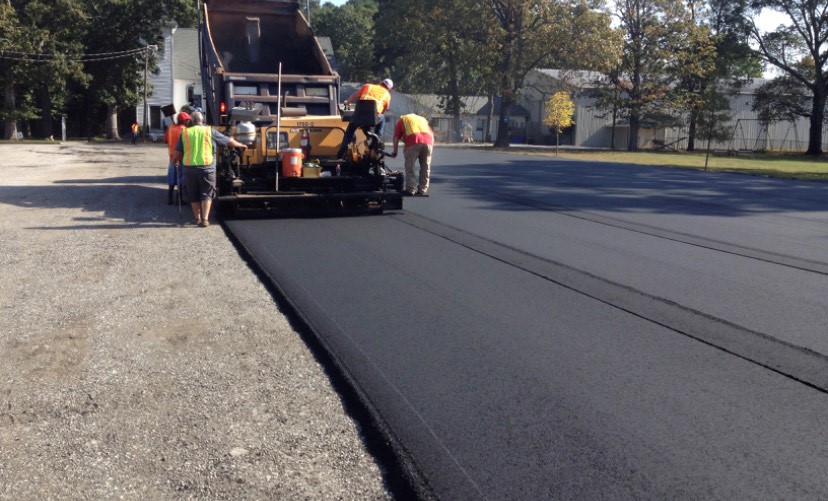 Central Paving
The preformed a really good job the staff is incredible never been so happy with my home, A brand new driveway is like a face lift!!
 Pristine Paving
Called Mark on a Thursday morning. Not really knowing if he could help me or not. I was having driveway, flooding issues due to a clogged channel drain and I was trying to figure out what direction to take. Heavy rains had come on Monday and again on Thursday leading to flooding in my garage...
 Mark Rodgers Construction
Had already met with 2 other contractors before Blue Ring, and Blue Ring's price quote for the work was better than either of the other 2, and the came out the next morning and cleaned up a very large fallen tree branch from a storm that was blocking my driveway. Work was completed in...
 Blue Ring Residential Services, LLC
From average costs to expert advice, get all the answers you need to get your job done.
Calculate the cost of installing a new asphalt driveway based on dimensions, depth, finishes, and other custom driveway details.
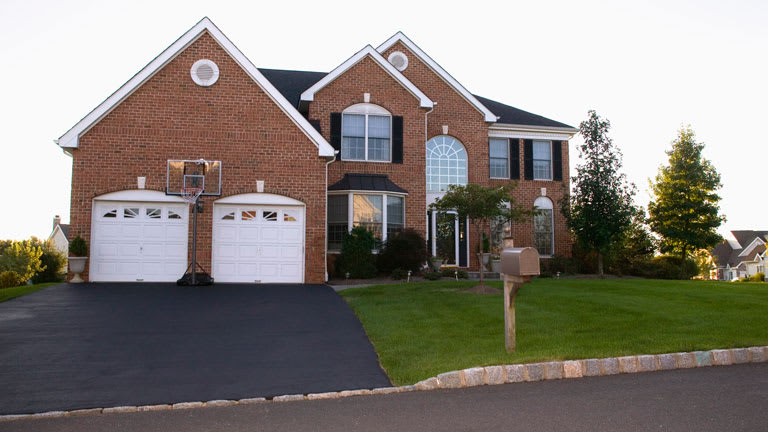
Asphalt driveway repair costs account for everything from hairline cracks to complete overhauls. Learn what to expect from your asphalt repair bill.
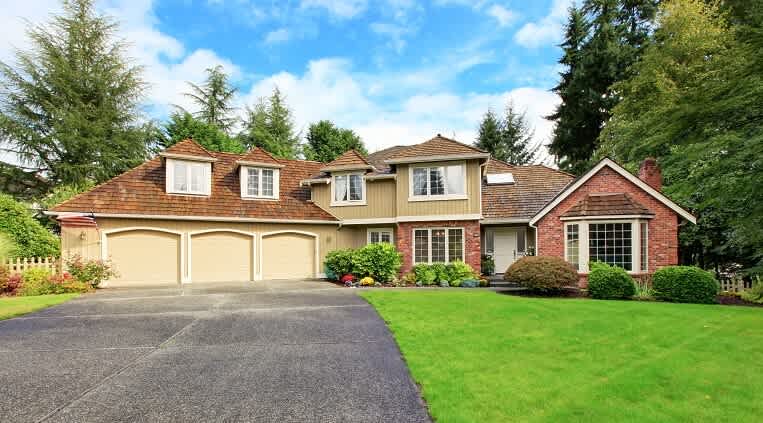
Use our guide to calculate the cost to seal an asphalt driveway. Prices vary based on the type of sealant and the size of the driveway.
This article reveals the 6 most common types of asphalt cracks, their causes, and the best solutions to prevent further damage.
Know the different pros and cons of different types of asphalt shingles, including three-tab, architectural, and luxury shingles.
Learn how to choose the best driveway sealer based on driveway type, longevity, and cost.