



Top-rated asphalt driveway pros.

Get matched with top asphalt driveway pros in Lewistown, MO

Enter your zip and get matched with up to 5 pros

Need a pro for your asphalt driveway service project in Lewistown, MO?

Select your specific project to find the pro for you.

Find Asphalt driveway pros in Lewistown

One Contracting
5.0(
6
)
Concrete Driveways & Floors - Install- For BusinessConcrete Driveways - Install

Serving Lewistown, MO and surrounding areas

In business since 2021

Free estimates

Credit card accepted

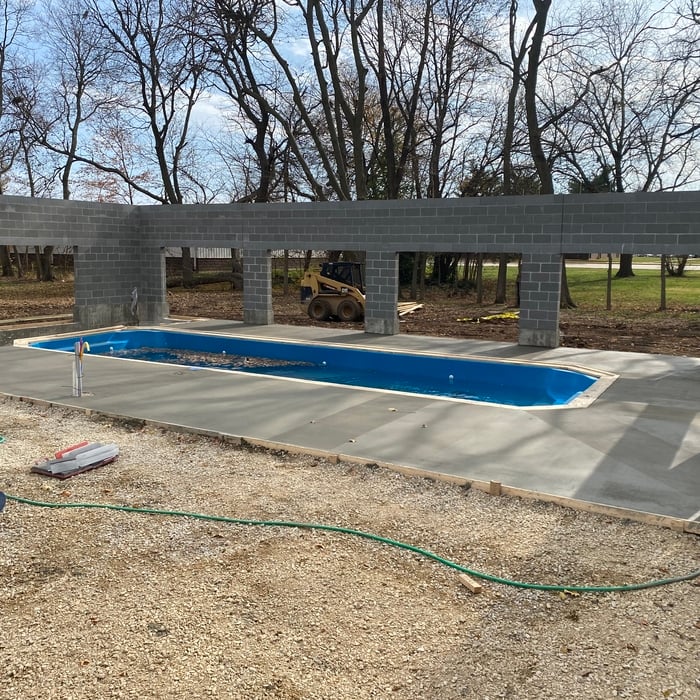
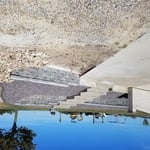
"One Contracting did my complete job for an in ground pool install. They dug my pool, installed plumbing for the bathroom, and laid a large concrete patio around the pool. Easy to work with and allowed me to make changes/additions along the way and did a great job."
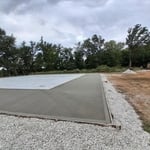
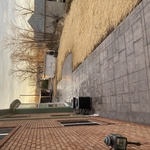
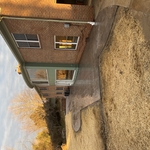
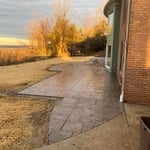
Stamped patio
Stamped patio
Stamped patio
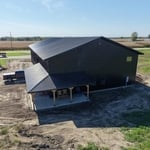
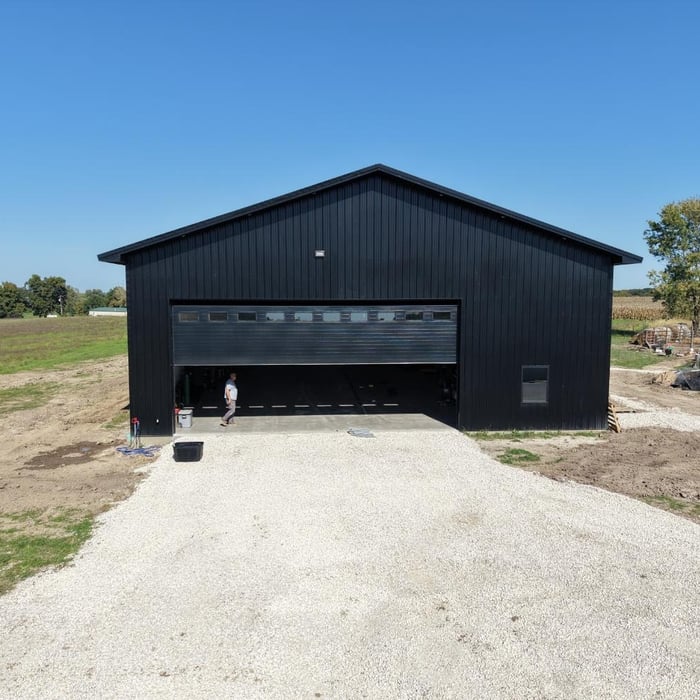
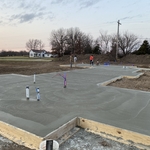
Slab for new home
Swimming pool install

+21

Response time6 hrs
Recommended by100%of homeowners
Showing 1-10 of 36
Asphalt Driveways questions, answered by experts

New asphalt goes through two stages: drying and curing. Drying typically takes 24 to 72 hours, after which the surface is solid enough for light use like walking or careful driving. While you may be able to park on it after 72 hours, the surface is still soft and should be treated gently. Full curing is a much longer process, taking anywhere from 30 days to a full year for the asphalt to reach maximum strength. During this extended curing period, the asphalt is susceptible to damage from heavy vehicles, sharp objects, and high temperatures. Factors like weather, the specific asphalt mix, and application thickness all influence drying and curing times. For the most accurate timeline and to ensure the longevity of your new asphalt, it is always best to consult with your installation contractor for their specific recommendations.

Asphalt is not a type of concrete. While both are a common type of pavement, asphalt is composed of aggregates (like sand and gravel) and bitumen; concrete is a mixture of cement, aggregates, and water. Here are some of the key differences between asphalt and concrete driveways.

The decision to repair or replace your driveway depends on the extent of the damage. If your driveway has a few small cracks, a simple repair will do the trick. If you see larger cracks and potholes, it may be time to consider resurfacing or replacement. Resurfacing is a great option if more than 25% of the surface is damaged, but if the damage is extensive—deep cracks or significant sinking—it’s best to replace the driveway entirely. A new driveway, with proper care, can last decades while patching or resurfacing might only hold up for a few years before needing more attention.

A driveway approach is the part of a driveway where the public road meets the private driveway. This section contains several key elements, including the driveway apron, the curb cut, and the end slope. Depending on the slope of the driveway, this area may also contain the trench drain.

Since it has a smoother surface using a mixture of finer rock and sand, 41A tends to be the best asphalt grade for a driveway, especially for residential driveways. Other options are available, but more homeowners choose 41A for a smoother asphalt driveway. Talk with your asphalt driveway professional for recommendations of the best grade for your specific driveway.

The Lewistown, MO homeowners’ guide to asphalt driveway services

From average costs to expert advice, get all the answers you need to get your job done.