

Calculate the cost of installing a new asphalt driveway based on dimensions, depth, finishes, and other custom driveway details.
Cure your asphalt frustrations with this handy guide

Your asphalt drying time depends heavily on weather, with warm and sunny conditions speeding evaporation while cold or rainy weather delays drying significantly.
Asphalt thickness affects how long it takes to cure, as thicker layers need more time for heat and moisture to escape from the interior.
You can drive on your new asphalt after three days, but avoid sharp turns and sudden stops until it fully hardens over several months.
Hiring a local asphalt patching professional provides reliable support for proper installation timing and helps you avoid costly mistakes during the critical curing period.
When investing in a new asphalt surface, the last thing you want is to use it before it’s fully dried and cured. Asphalt curing and drying are two distinct processes, both of which play a critical role in how long the asphalt lasts. Use this guide to learn all about asphalt drying and curing times based on factors like weather conditions, asphalt thickness, and air quality.
Asphalt typically takes 24 to 72 hours to dry after it’s applied, but the drying time can vary, depending on the weather conditions, asphalt thickness, and the type of mix used. Most asphalt mixes will provide recommended drying times from the manufacturer. Once it’s dry (but not cured) the asphalt driveway or other surface can endure light foot and vehicle traffic without damage.
The curing process can take up to a full year—after asphalt is cured, it has fully hardened. Over the course of the year, while the asphalt is curing, it changes color from black to dark gray as the asphalt loses its oils due to sun exposure. This process is known as oxidation. Excess oils in asphalt can lead to a “power steering tear,” or asphalt scraping from wheel rotation. While the curing process takes about a year, the asphalt can be sealed after 30 days.
Several factors can affect both asphalt curing and drying time, including weather conditions, air quality, and asphalt mix and thickness.
The weather is the most significant factor affecting curing and drying times. Asphalt dries and cures fastest during warm, sunny conditions, which accelerate the evaporation of moisture as well as the chemical reactions needed to cure the asphalt. Wind can help the asphalt dry faster by blowing off moisture.
When the weather is cold, rainy, snowy, or very humid, it can delay the drying process as it increases moisture and takes longer for it to evaporate. These conditions make the asphalt slower to cure as it delays the chemical reactions needed to fully harden it.
Asphalt comes in a variety of mixes, which vary by the type and grade of binder used, as well as aggregate size and distribution. Dense-graded asphalt with a high number of fine aggregates takes longer to cure than less dense asphalt with fewer and larger aggregates. Consult the manufacturer of your asphalt mix for recommended drying and curing times.
The asphalt’s thickness can also affect drying times. Basically, the thicker the asphalt layer, the longer it takes to dry and cure since heat and moisture must travel a greater distance to escape from the asphalt’s interior to the surface.
Poor air quality and a lack of oxygen content in the atmosphere can delay asphalt curing times since it slows down the oxidation process of the binder, which is necessary for the asphalt to fully cure. Additionally, higher altitudes usually have lower air pressure and cooler temperatures, which can delay the evaporation of moisture from the asphalt, increasing drying time.
Curing and drying refer to two distinct phases of the asphalt setting process. Drying is the first phase, which is when the water in the asphalt fully evaporates and leaves the surface dry to the touch. Once the asphalt is dry, it’s firm enough to bear weight, but you still need to take precautions until it’s fully cured.
The curing phase happens after drying. It’s a longer process during which the asphalt continues to harden and gain strength over time. During this process, the asphalt binder, which is typically petroleum based, reacts with the asphalt’s aggregate materials to form a durable structure.
If your asphalt is dry but not yet cured, take some precautions to preserve its appearance until it fully hardens. The following maintenance tips can keep your asphalt in great condition during this critical period.
Don’t use the new asphalt surface until it’s completely dry, which can take anywhere from 24 to 72 hours.
Avoid using sharp objects or heavy equipment on the asphalt until it’s cured. Otherwise, you can dent the surface.
Regularly inspect your new surface for any signs of distress, like cracks and potholes, and repair the asphalt quickly to prevent further issues. If you’re not comfortable with repairs, you can always hire an asphalt pro to address them for you.
Be careful with petroleum-based products, like oil and gas, which can dissolve the asphalt binder and weaken the surface if spilled.
Promptly remove any vegetation that might sprout through the asphalt, like weeds, to prevent cracks and other damage.
Avoid making very sharp turns or sudden stops with your car—it can scuff the asphalt’s surface before it’s fully hardened.
Ensure that water is draining away from the asphalt since standing water can weaken the surface and lead to damage, particularly during the early stages of curing.
Archie did a good job cleaning up the driveway before he laid down the sealer. It looks good. He was gracious and even helped me bring up my groceries. His rate was comparable to another company who came out to give me a quote and he talked to me personally rather than just text me a quote...
 Pro Seal Roofing & Paving
D1 Roofing delivers outstanding service from beginning to end, backed by a strong warranty and expert teams. I highly recommend them for their excellence in meeting and surpassing expectations with unmatched communication. Choosing D1 Roofing was flawless decision
 Division 1 Roofing LLC
This company went above and beyond with their work, chimney sweeps are usually pretty messy, but the clean up was spot on.!! Josh explained every thing that he was doing, and the things that he was checking to make sure the chimney was safe for me and my family. He was very professional,...
 Supreme brick & chimney
Our homes curb appeal skyrocketed thanks to Custom Paint Jobs LLC s exterior painting.
 Custom Paint Jobs, LLC
Very well! Two men came to do the work. They were both polite, punctual and professional in manner. When they finished, Cameron explained about preserving an asphalt driveway, as I had never had one in the past. I will definitely be calling them in the future.
 All Star Paving and Sealing
Fantastic! Top Line was early for the appointment and very knowledgeable and took time to explain everything they had found during the home inspection. The report included clearly defined issues and what they recommended to remedy the same. The report also included many pictures to help...
 Top Line Home Inspections, LLC
Working with Peter and his crew was a breeze. They were exceptionally polite and did a neat job to repair and seal our driveway. I will definitely talk to them first for additional work.
 Central Paving
The preformed a really good job the staff is incredible never been so happy with my home, A brand new driveway is like a face lift!!
 Pristine Paving
Called Mark on a Thursday morning. Not really knowing if he could help me or not. I was having driveway, flooding issues due to a clogged channel drain and I was trying to figure out what direction to take. Heavy rains had come on Monday and again on Thursday leading to flooding in my garage...
 Mark Rodgers Construction
Had already met with 2 other contractors before Blue Ring, and Blue Ring's price quote for the work was better than either of the other 2, and the came out the next morning and cleaned up a very large fallen tree branch from a storm that was blocking my driveway. Work was completed in...
 Blue Ring Residential Services, LLC
From average costs to expert advice, get all the answers you need to get your job done.
Calculate the cost of installing a new asphalt driveway based on dimensions, depth, finishes, and other custom driveway details.
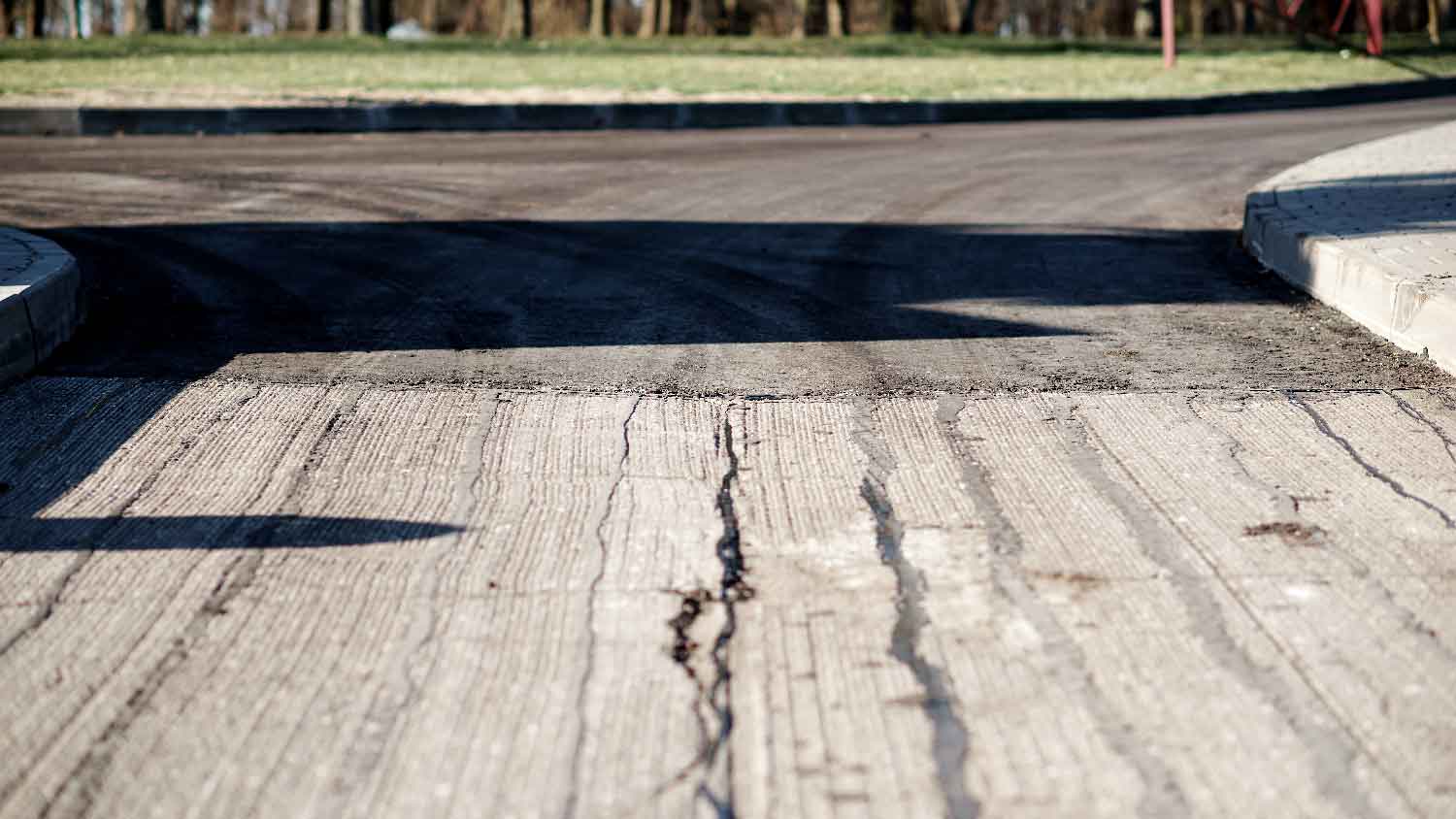
This guide gives you an idea of the average cost of asphalt millings for projects of different sizes.
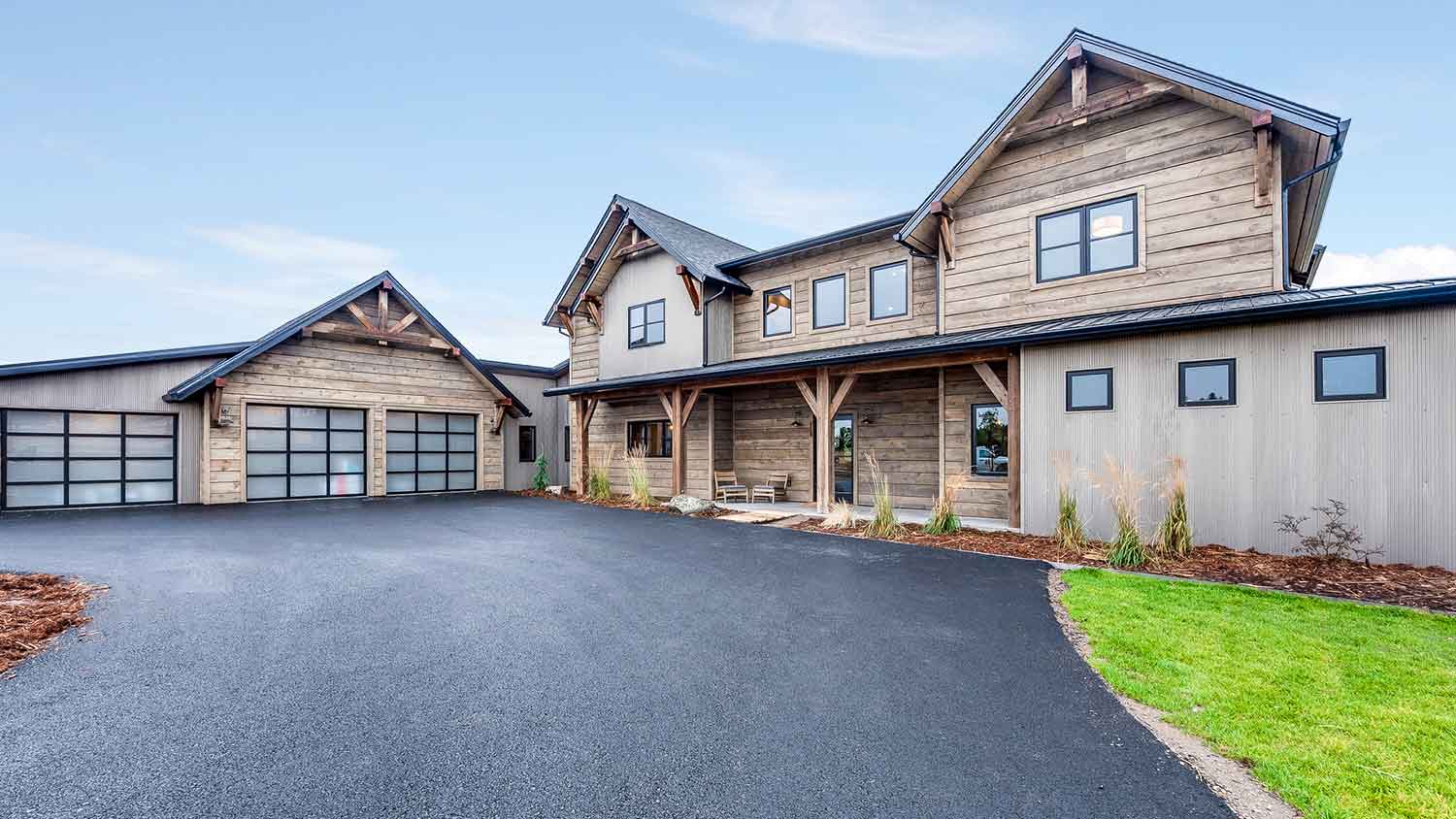
Asphalt driveways take anywhere from 48 to 72 hours to dry enough for vehicles. Stay tuned to learn more about how long before you can drive on asphalt.
Adding a new asphalt driveway to your home can boost its overall appearance and give homeowners a nice ROI down the line. But how long do asphalt driveways last, and what can you do to maximize their lifespans? Read this guide to find out.
Are you planning to pour a new concrete driveway? Keep tire track imprints off your new driveway by knowing how long before you can drive on concrete.
Which one is better for your home, an asphalt or concrete driveway? Learn the difference in initial installation, pros and cons, and follow-up costs.