



Top-rated radon detection and reduction specialists.

Get matched with top radon detection and reduction specialists in Keokuk, IA

Enter your zip and get matched with up to 5 pros

Need a pro for your radon detection and reduction project in Keokuk, IA?

Select your specific project to find the pro for you.

Find Radon detection and reduction specialists in Keokuk

Avatar for Milledge Construction
Milledge Construction
4.9(
32
)

Serving Keokuk, IA and surrounding areas

Approved

In business since 2020

Free estimates

Warranties offered

"They installed a Radon Mitigation system in a house I was selling. They had the best price, the experience I wanted, and were able to install a few days after I called. Technician was very nice and efficient in getting it installed. Good warranty too. I had my system installed in an encapsulated crawl space."
Response time7 hrs
Response rate94%
94 neighbors recently requested a quote
Avatar for SWAT Environmental, Inc.
SWAT Environmental, Inc.
4.5(
13
)

Serving Keokuk, IA and surrounding areas

In business since 1988

Free estimates

Credit card accepted

"They did a great job with the installation and made sure the Radon was under the level it needed to be. He had to make a couple of trips to make that happen but was very polite and profession through the whole process."
Response time1 day
Recommended by100%of homeowners
Radon Detection and Reduction questions, answered by experts

No level of radon is technically safe, but since it is present everywhere, complete avoidance is impossible. The average radon level in homes across the United States is 1.3 picocuries per liter (pCi/L). The Environmental Protection Agency (EPA) recommends taking preventative measures if your home's radon levels are between 2 and 4 pCi/L or higher.

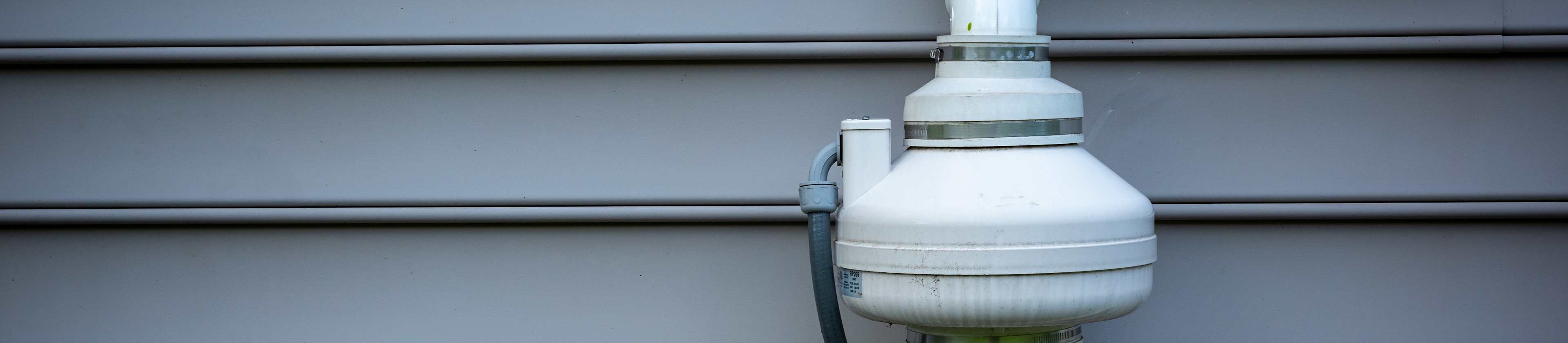
The fan that pulls the radon out of the air needs to run continuously, so you may see an increase in your electric bill once you install the mitigation system. Additionally, you may see an increase in your heating or cooling bills, as the fan can cause some loss of hot or cool air.

The soil beneath your house is most likely what’s causing an increased level of radon. This is because soil holds radioactivity for a long time and it’s also what most buildings are built on. Another common source of radon is water from a source that hasn’t been through periodic radon tests, such as well water. Over time, the radon from the soil can inhabit other parts of your house like the foundation or plumbing.

No level of radon is technically safe, but since it is naturally present everywhere, it is impossible to avoid entirely. The average radon level in homes across the United States is 1.3 picocuries per liter (pCi/L). The Environmental Protection Agency (EPA) recommends taking action to reduce radon levels if your home's test results are between 2 and 4 pCi/L or higher.

Radon detection is crucial as prolonged exposure to radon gas, a leading cause of lung cancer, poses significant health risks in residential environments.

The Keokuk, IA homeowners’ guide to radon detection and reduction services

From average costs to expert advice, get all the answers you need to get your job done.