



Top-rated structural engineers.

Best structural engineers near Rodeo, CA

Enter your zip and get matched with up to 5 pros

Need a pro for your structural engineering project in Rodeo, CA?

Select your specific project to find the pro for you.

TRUSTED BY RODEO, CA HOMEOWNERS

  • Average homeowner rating star icon4.4
    Average homeowner rating
  • Verified reviews icon28
    Verified structural engineering services reviews

Top-Rated Structural engineers in Rodeo - Updated Nov 2026

Earthquake and Structures, Inc.
4.2(
49
)
Engineer - Structural

Serving Rodeo, CA and surrounding areas

Approved

In business since 1984

Emergency services offered

Warranties offered

"Mr. Paul showed up exactly on time, provided an inspection and assessment of my home project, was professional and knowledgeable, and answered all of my questions. He provided outstanding customer service, and I would highly recommend him. Excellent! M. Wolfe Oakland, CA ."
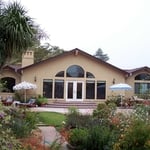
 New Home
 House on water
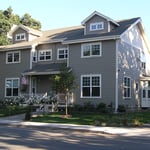
Addition to Existing Home
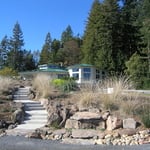
Hillside home on Piers
Community Center Retrofit

+6

Response time2 days
18 neighbors recently requested a quote
Recommended by89%of homeowners

Avatar for Evolution Drafting
Evolution Drafting
3.7(
127
)
Draftsperson/CADDArchitectArchitect - For Business

Serving Rodeo, CA and surrounding areas

Approved

In business since 2018

Free estimates

Emergency services offered

"They were excellent. They quickly made a draft that only needed 3 minor adjustments. The final product was exactly what I needed. They referred me to a structural engineer for review. The whole process took half of the time that they initially estimated. I would definitely use them again."
Zeal Floor Plan
Charcoal
Palm Floor Plan
Charcoal Floor 2
Charcoal Floor 1

+23

Response time1 day
Response rate100%
75 neighbors recently requested a quote
StudioNorth
4.9(
7
)
Draftsperson/CADD

Serving Rodeo, CA and surrounding areas

Approved

In business since 2012

Customers say: Quick response

"Esther responded quickly to my inquiry, made me feel comfortable in determining what could be done with the space on a limited budget, offered many options and followed through with updates and contacts efficiently so that I had the best solutions and products available to complete the project."
2 neighbors recently requested a quote
Recommended by100%of homeowners

...
Showing 1-10 of 129
Structural Engineering FAQs, answered by experts

The standard thickness for an LVL beam is between 1.75 inches and 7 inches. However, you can order LVL beams in non-standard sizes as well. When you work with a contractor, they can source beams that are the appropriate size for your project for you after assessing your blueprints.

It is not recommended to cut or drill into LVL (laminated veneer lumber) beams. As major structural components of a home, their composite structure can be compromised by alterations, which can weaken them and lead to cracking over time. If you must make modifications to an LVL beam, it is crucial to consult a structural engineer or general contractor first. A professional can advise on whether it's safe and provide specifics on the appropriate bit size, depth, and directionality for any necessary drilling.

Most lenders and homeowner’s insurance companies don’t mandate a structural engineer’s inspection, so in most cases, it’s not required. However, it’s a good idea to have one done anyway to ensure you know what you’re buying. You can use the report to carry out repairs after closing or even to negotiate the sale price before closing.

Yes, all states require structural engineers to carry the proper license, with specifics determined by each state. You can use Angi’s state licensing tool to confirm that the structural engineer you’re considering holds the required licensing to tackle your job. Hiring an unlicensed structural engineer will not only cause issues with permits but it could also lead to an unsafe building. The cost of a professional, licensed, and experienced engineer is well worth the investment.

No, squeaky floors do not always mean there is structural damage. The noise is often caused by friction from issues like loose floorboards, gaps between the subfloor and joists, or loose subflooring. While many squeaks are harmless, persistent or worsening noise could indicate a more severe problem. If you notice other signs of structural damage—such as soft or sagging floors, cracks running from the wall to the ceiling, or horizontal cracks in your foundation—it's best to have a professional inspect your floor to determine the root cause.

The Rodeo, CA homeowners’ guide to structural engineering services

From average costs to expert advice, get all the answers you need to get your job done.