








Top-rated septic tank pros.

Get matched with top septic tank pros in Etna, CA

Enter your zip and get matched with up to 5 pros

Need a pro for your septic tank service project in Etna, CA?

Select your specific project to find the pro for you.

Find Septic tank pros in Etna

Avatar for EMC
EMC
5.0(
8
)
Septic System - Install or ReplaceSeptic System - Install or Replace - For BusinessSeptic System - Repair+3 more

Serving Etna, CA and surrounding areas

In business since 2003

Free estimates

Emergency services offered

Licensed and bonded General Contractor #1009350 , EMC has an Odd Job Division! We can fix almost anything, and I will refer you to those that do what I don't. I have over 30 years in the construction business, now offering high-end maintenance services. Your home and property is your sanctuary, I will help you keep it in "ship shape". Call for a free estimate
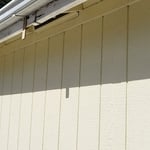
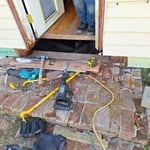
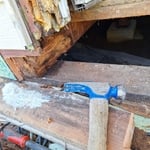
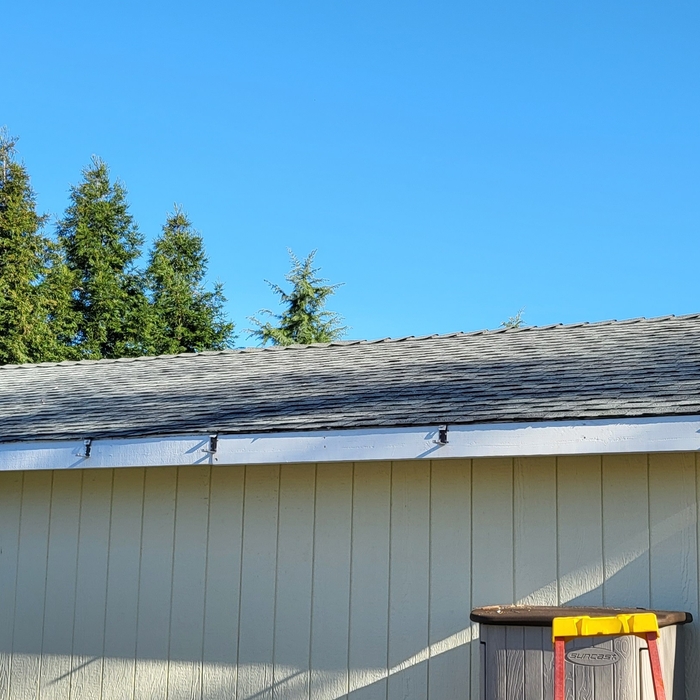
Sagging gutter and rotten facia
Handyman Services Project
Remove gutter, cut out rotten wood
Handyman Services Project
Painted and replaced 2x6

+41

Recommended by100%of homeowners

Da H33L Company
New to Angi
Septic Tank - Clean or Pump OutSeptic Tank - Clean or Pump Out - For Business

Serving Etna, CA and surrounding areas

In business since 2011

Free estimates

Credit card accepted

We are committed to excellence in every aspect of our business. We uphold a standard of integrity bound by fairness, honesty and personal responsibility. Our distinction is the quality of service we bring to our customers. Accurate knowledge of our trade combined with ability is what makes us true professionals. Above all, we are watchful of our customers interests, and make their concerns the basis of our business.\n

Septic Tanks questions, answered by experts

A septic system's lifespan typically ranges from 15 to 40 years, with a common average of 20 to 30 years. The longevity heavily depends on the tank's material, maintenance diligence, and usage habits. With proper care, lifespans can reach the upper end of this range.

Lifespan by Tank Material:

  • Concrete: 20 to 40 years

  • Plastic or Fiberglass: 30 to 40 years

  • Steel: 15 to 20 years

To maximize your system's lifespan, follow these maintenance best practices:

  • Regular Pumping and Inspections: Have the tank pumped every three to five years and schedule professional inspections regularly.

  • Mindful Usage: Only flush human waste and toilet paper. Avoid putting items like cat litter, paper towels, cigarette butts, fats, grease, oils, or coffee grounds down your drains.

  • Avoid Chemicals: Do not pour harsh chemicals into the system.

  • Water Conservation: Reduce the amount of wastewater your system has to process.

  • Protect the Drain Field: Avoid driving or building heavy structures over the drain field area.

Because well water is not artificially filtered or pre-treated, it may contain contaminants. As a result, it’s possible for well water to damage pipes based on what is in the water. Well water can be corrosive, slowly rusting and dissolving pipes, fixtures, and fittings. The corrosion can affect the taste and quality of the drinking water that comes out of the taps in your home. 

Neither system is necessarily better or worse than the other, but one of the two might be better for your needs. For example, anaerobic systems are less expensive than aerobic ones and don’t use power to run. On the other hand, aerobic septic systems don’t take up as much space and are typically more efficient than their anaerobic counterparts.

There is no standard depth for burying a septic tank; they are typically buried anywhere from 4 inches to 4 feet underground. The final depth depends on several factors, including the depth of your main sewer line, the height of the bedrock, soil type, local regulations, and the property's landscape. If you plan to grow grass or plants over the tank, a depth of at least 4 to 6 inches is recommended. Deeper tanks can be more difficult to locate, but a septic professional can help find it for you.

A household of four can easily fill a 1,000-gallon septic tank within a week. It may be 10 to 14 days for smaller households. But the reason why you don't need weekly pumping is because the tank's contents eventually reach the overflow pipe. They flow down this pipe to the absorption area whenever water is used in your home. The tank keeps working at this full level until it's pumped again.

The Etna, CA homeowners’ guide to septic tank services

From average costs to expert advice, get all the answers you need to get your job done.