"The service was excellent, done quickly, and cleaned up great. He was very knowledgeable and was to repair more than just the broken lid he put new lids on both tanks and made sure they would last and be easy to pump for years to come. He was also able to put new code back flows on both tanks."
Licensed and bonded General Contractor #1009350 , EMC has an Odd Job Division! We can fix almost anything, and I will refer you to those that do what I don't. I have over 30 years in the construction business, now offering high-end maintenance services. Your home and property is your sanctuary, I will help you keep it in "ship shape". Call for a free estimate
"He was able to quickly diagnose that the water leak from the water heater was a result of a ruptured tank, resulting in the need to replace the entire water heater."
"I just pay $75 you never know who's going to come out. They do everything electrical. Just about everything is covered except the septic tank. I had an air conditioner replaced. It went great, all I had to do was pay for the freon. He didn't charge e more than what was needed."
We pride our company on reliability, great communication, integrity, and quality work. We are experts in our trade and will do our best to keep you as educated as we can on your particular task or project. We look forward to earning your business!
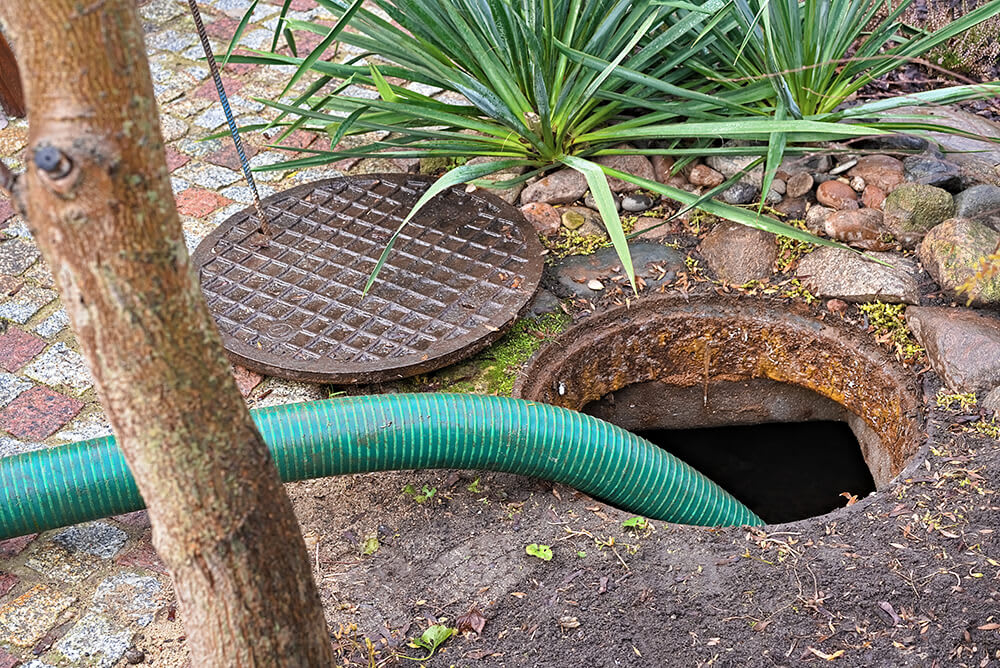
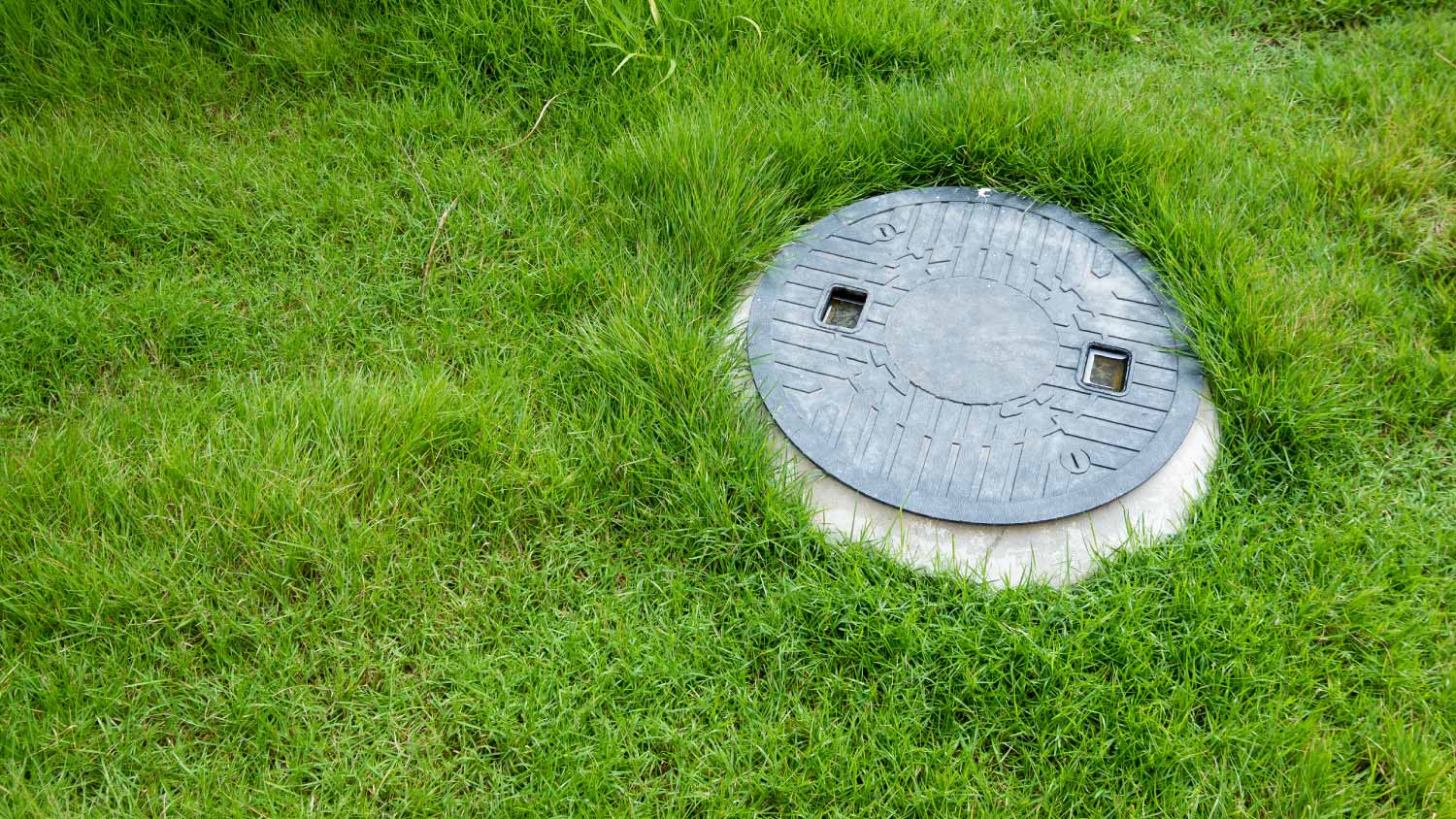
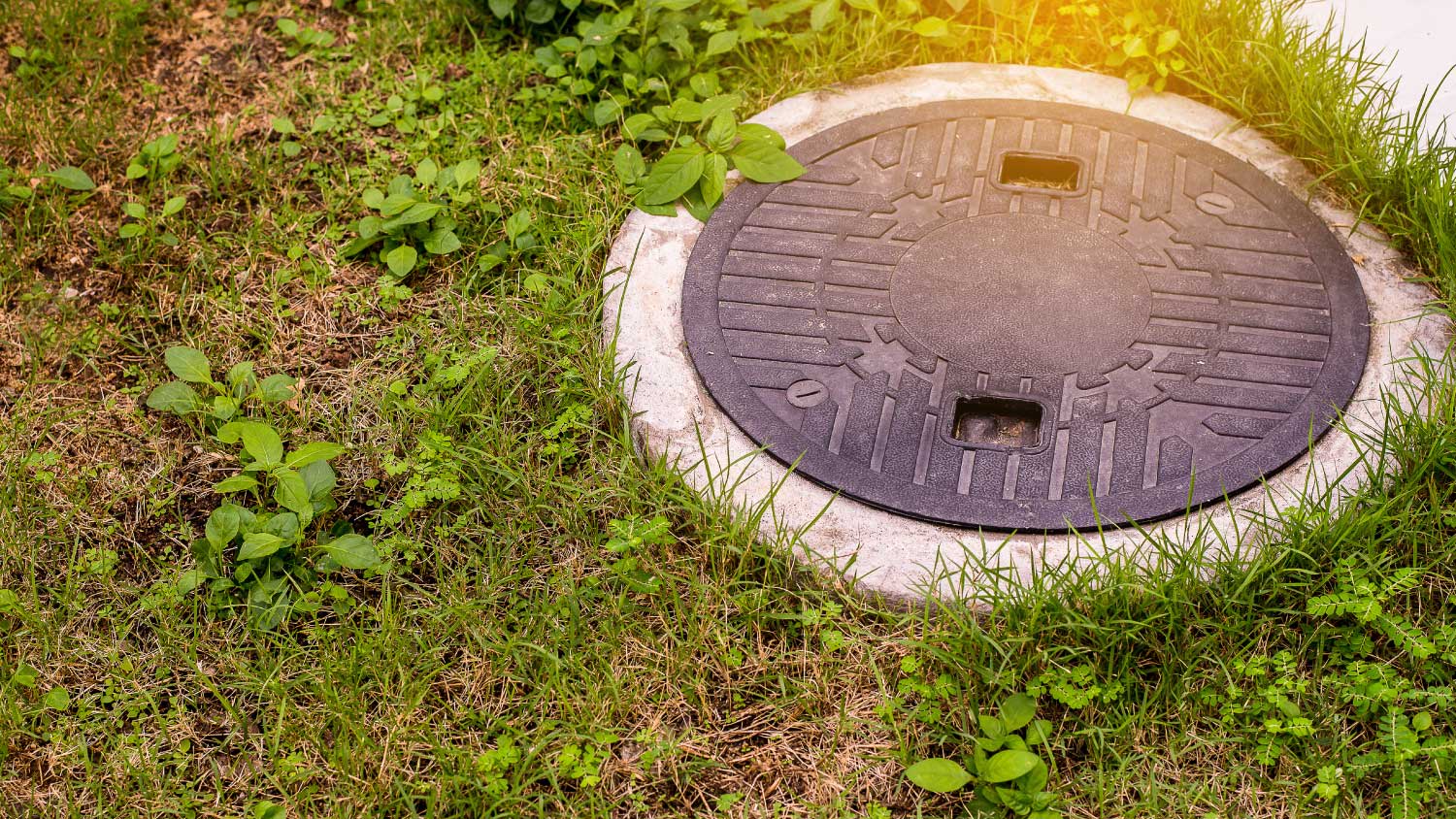
Yes, a septic tank riser can replace a concrete septic tank lid. Risers are designed to replace various types of septic tank covers, including concrete, metal, and fiberglass, to provide easier access for pumping and repairs. While a plastic riser makes future access more convenient, the initial replacement can be difficult because concrete lids are very heavy, so it is a job best left to professionals. Once installed, you will need to be cautious around the riser during yard work, such as mowing, to avoid causing damage.
Yes, it is possible to drill a well by hand, but it calls for a good deal of physical labor. Drilling a well by hand is best suited for softer soil, and it may not be possible through rockier terrain. For wider and deeper holes, companies with professional equipment make the job much easier.
Your drain field or leach field should be 1 to 3 feet under the ground. It will be a little shallower than the septic tank, although it can be the same depth or slightly deeper. The proper depth of the septic tank is up to 4 feet. It’s possible that your local regulatory agency requires a certain depth for your drain field.
Your septic tank naturally contains the good bacteria it needs, so you typically don't have to add more as the system produces them on its own. However, if you wish to replenish the bacteria, you can use natural methods. For example, you can add three rotten tomatoes to your garbage disposal or flush 1/4 ounce of active yeast down the toilet every three months. While store-bought septic enzymes and chemicals are available, many additives are unnecessary and may even harm your system. The most effective way to maintain a healthy bacterial balance is to avoid using chemical drain cleaners, which can kill the beneficial bacteria in your tank.
How deep your septic system needs to be into the ground depends on several factors. In extremely cold environments, the tank needs to rest below the maximum frost line, which can be up to six or eight feet deep. The standard burying depth for most systems is between a few inches and four feet below ground level. Depth can also depend on the slope of the landscaping and other property variables.
The Mccloud, CA homeowners’ guide to septic tank services
From average costs to expert advice, get all the answers you need to get your job done.
Caring for your septic system is crucial to ensuring its long life. But how much does it cost to pump a septic tank? We explore the different cost factors.
A damaged septic system can leak odors and sewage, so repairs are urgent. Find out how much septic tank repair costs based on repair type, tank size, and more.
Septic tank risers make it easy to access your septic tank when it’s time for routine inspection, maintenance, and pumping, saving you precious time and labor costs.
Septic tank sizes vary depending on the size of your home, how many people live there, how much water you use, and more. Read on to learn how to determine the right size for you.