








Licensed and bonded General Contractor #1009350 , EMC has an Odd Job Division! We can fix almost anything, and I will refer you to those that do what I don't. I have over 30 years in the construction business, now offering high-end maintenance services. Your home and property is your sanctuary, I will help you keep it in "ship shape". Call for a free estimate

"Well. Only problem was delay in response time after claim was filed online. Water tank started leaking Thanksgiving morning and no reply until I called the Regional Manager."
"I just pay $75 you never know who's going to come out. They do everything electrical. Just about everything is covered except the septic tank. I had an air conditioner replaced. It went great, all I had to do was pay for the freon. He didn't charge e more than what was needed."
You can put yogurt in your septic tank, but it will not increase the bacteria in your septic tank. In other words, it won't harm your tank, but it won't get rid of a septic smell or boost the performance of your septic system. While yogurt contains helpful bacteria, you would need to buy an extraordinary amount of yogurt to make any difference. Adding yogurt is not a helpful or cost-effective strategy.
The average three to four-bedroom home typically uses a well pump rated for 8 to 12 gallons per minute (GPM). To find the most accurate size for your specific needs, a common rule of thumb is to count the number of water fixtures and appliances in your home and aim for that number in GPM. This calculation allows for about one gallon of water per minute per fixture. Because estimating the correct size can be challenging, it's best to have a professional technician make the final determination. A professional can ensure your pump provides sufficient water for your home, especially during peak usage hours.
A well does not run out of water because the groundwater continues to refill with rainwater that seeps through the ground. If the well is too shallow or there is a drought, a well can run dry or be short in supply. It’s important to have a well deep enough to source enough water for your home’s use. Deeper wells tap into more groundwater reserves. If your well is not producing enough water, you may need to redig your well.
When your septic system is failing, you’ll probably smell it. Common signs of a septic system failure include sewage odors in the home or around the yard, flooding in the yard above the septic tank or in the leach field, and wastewater or even raw sewage backing up into your home’s drains.
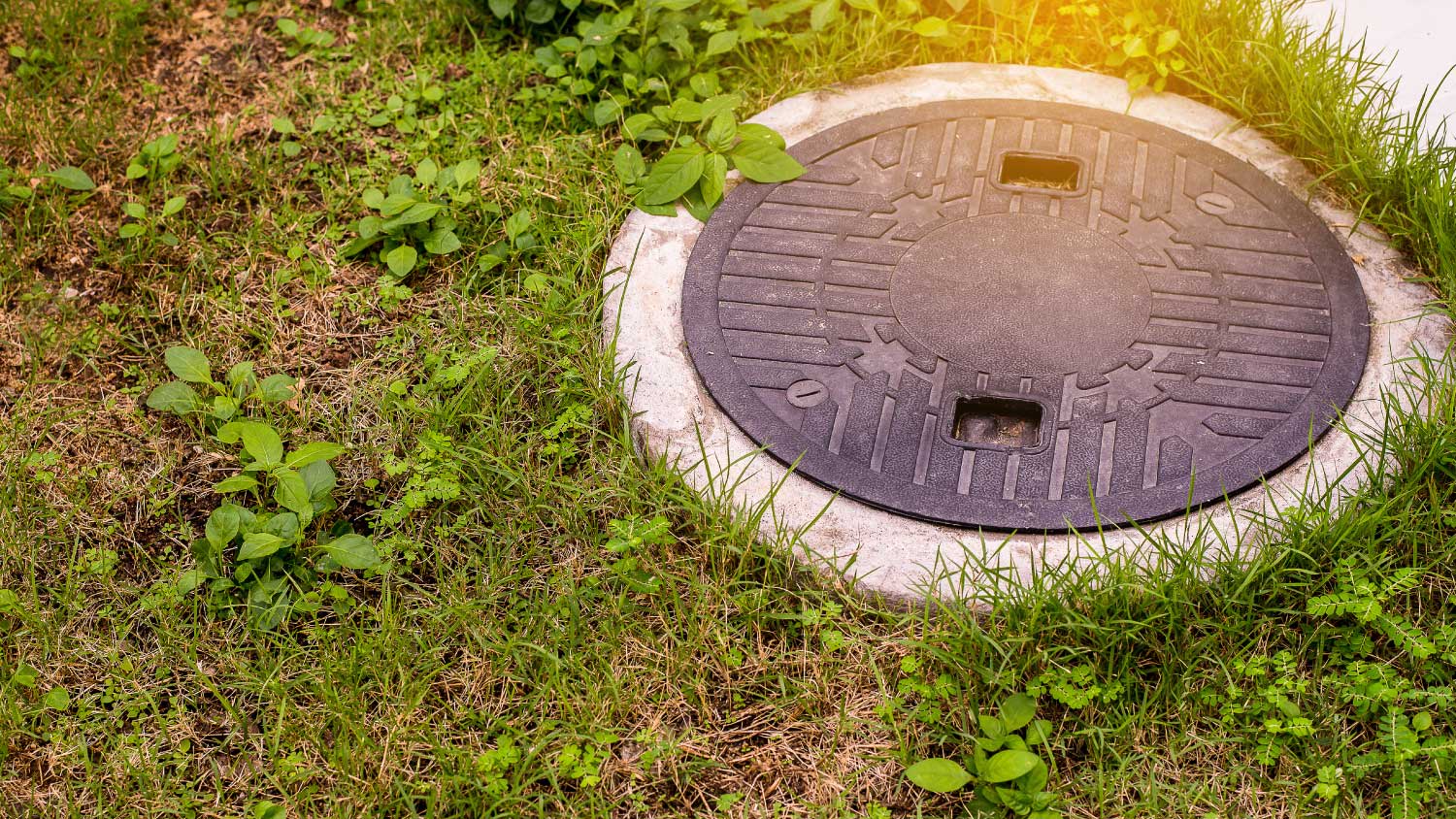
Yes. A metal detector is one of the quickest and easiest ways to find your septic tank. However, metal detectors can be too expensive (costing upward of $300 in some cases), and not everyone has a metal detector just lying around. If that’s the case for you, you can also take a long metal rod and poke it into the ground at regular intervals until you hit something—likely your septic tank lid.
The Weed, CA homeowners’ guide to septic tank services
From average costs to expert advice, get all the answers you need to get your job done.
A damaged septic system can leak odors and sewage, so repairs are urgent. Find out how much septic tank repair costs based on repair type, tank size, and more.
It’s crucial to install a septic tank with the right volume to avoid wastewater backups. This guide will help you calculate the right septic tank volume.
Septic tank sizes vary depending on the size of your home, how many people live there, how much water you use, and more. Read on to learn how to determine the right size for you.