
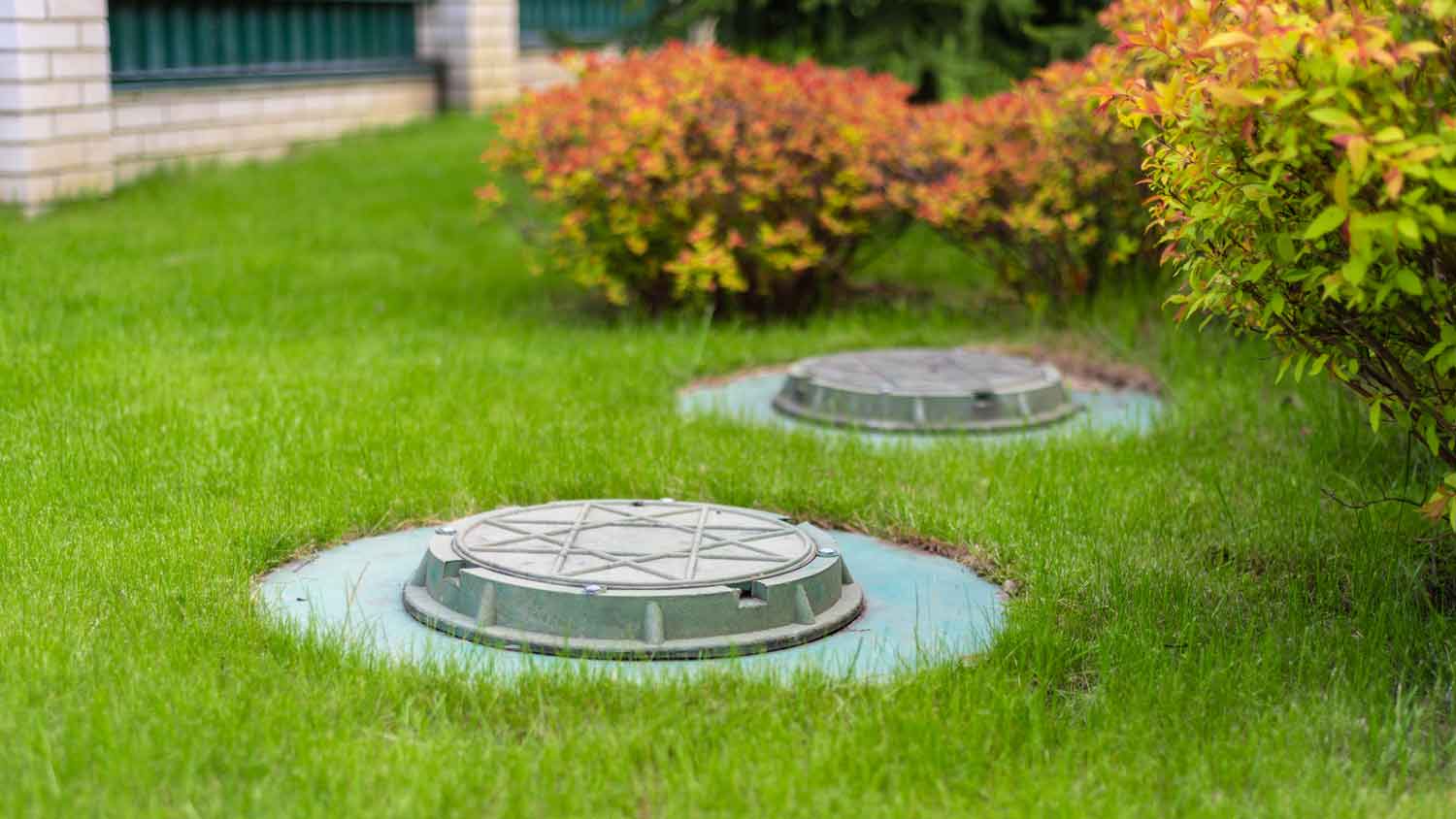
If it’s been there for a while, it can be hard to find the septic tank in your yard. Learn how much it costs to locate a septic tank with this guide.
How low can they go?

The depth of a septic tank depends on your sewer line depth, landscape obstacles, and bedrock height, ranging from 4 inches to 4 feet underground.
Expect to pay around $400 for septic tank pumping every three to five years, or $0.30 per gallon, to keep your system working properly.
Your septic drain lines sit 18 to 36 inches underground, where aerobic bacteria help treat wastewater as it filters through gravel and sand layers.
Hiring a local septic tank company provides reliable support for locating your tank, scheduling regular pumping, and keeping your entire system running smoothly for years.
Let’s get the most important question out of the way first: How deep is a septic tank buried? Well, there’s no set, standard depth at which septic tanks are buried. Your septic tank may be buried anywhere from 4 inches to 4 feet below the ground, depending on factors like the depth of your sewer line, local regulations, and any existing obstacles that might be in the way.
Still, many questions remain. How does a septic tank work, and why is it (usually) buried in the first place? Read on to learn more about this common home wastewater treatment option, including important details about how to maintain your own septic system and increase its longevity.

A septic tank is a tank, usually made of concrete, plastic, or fiberglass, that utilizes time, gravity, and beneficial bacteria to separate solid from liquid waste. A septic tank is one important part of a septic system, which also includes a drain field. Septic systems are used to process wastewater in areas that aren’t connected to a city sewer system.
Inside your septic tank—which may be anywhere between 1,000 gallons and 3,500 gallons in capacity, depending on the size of your household—wastewater is naturally separated into three distinct layers:
Scum is composed of lighter solid waste materials, like fat, oil, and grease, and it floats at the top of the septic tank.
Effluent, the cleanest layer of the three, is composed of the wastewater left over after scum and sludge separate.
Sludge is the bottom layer, which is composed of heavier solid waste materials. Sludge must be periodically pumped out of the septic tank in order to avoid clogging the inlet or outlet pipes so that the septic system can keep working.
After the wastewater is separated into these three layers and partially treated, the effluent is pumped out into the drain field. The drain field uses filtration and more natural biological processes to further purify the wastewater before it returns to the aquifer, therefore effectively creating a self-contained sewer treatment system.

Septic tanks are generally (though not always!) buried underground for two main reasons:
Wastewater flows down and out of the house, aided by gravity, and an underground septic tank makes that process easier.
Many people don’t want an above-ground septic tank, which they may see as an eyesore on their otherwise pristine property.
But there’s no other reason governing how deep a septic tank should be buried aside from the characteristics of the land you’re installing it on. That’s why there’s no standard depth, and your septic tank could be as close as 4 inches to the surface or as far away as 4 feet.
So if there’s not some specific, standard septic tank depth, what factors go into determining whether yours will be just a few quick spadefuls of dirt away or if you’ll need to employ a heftier shovel?
Here are some of the factors that commonly determine how deep your septic tank is buried.
The depth of your main sewer line: Since the main sewer line carries all the wastewater out of your home, it makes sense that your septic tank should be at a similar depth to this pipe or just below it to use gravity to the system’s advantage.
Landscape characteristics: If there are obstacles on your property or your bedrock is high, these factors might influence how deeply your tank is buried. Plus, if those obstacles mean your tank must be buried further from your home, it will likely be buried deeper—again, to aid gravity in moving wastewater into the tank.
Landscaping: If your septic tank is very close to the earth’s surface, it will be more difficult to grow even a simple lawn over top of it, which is why some people prefer to bury it at least 4 to 6 inches below the ground.
Keep in mind that, depending on your specific needs and circumstances, pumps may be used that will enable you to place a septic tank at any depth necessary—even upstream from the house, against the flow of gravity. Still, the simplest and often most cost-effective way to install a septic tank is just below the ground’s surface.
So, now we know how deep the septic tank might be buried. But what about the septic drain lines that accompany it?
Like septic tanks, septic drain lines aren’t subject to one standard depth—though your local government may have requirements on the minimum depth or size of the drain field as a whole.
Generally speaking, septic drain lines are buried between 18 and 36 inches underground, and the pipes are surrounded by gravel and sand to aid in the filtration and water treatment process. Some septic drain lines may be buried just 6 inches under the ground. Being close to the surface helps aerobic bacteria influence and improve the water treatment process that occurs during filtration through the drain field.
According to data from Angi customers, 29% of homeowners don’t know if they need a permit for their septic tank installation. Similarly, 28% of homeowners know they need a permit for their project but don’t have one yet. Not sure where you stand? A septic tank pro can give you all the information you need before your installation starts.

Fortunately, septic systems, when properly maintained, are made to last. An immaculately maintained drain field could last up to 50 years, while a well-maintained septic tank could last up to 40. (Of course, there is some upfront expense to installing the system. Setting up a septic system costs about $7,310 on average.)
Here’s how to maintain your septic tank—and larger septic system—to ensure it stays in proper, working order for as long as possible.
Pumping your septic tank every three to five years is one of the most important septic maintenance tasks. When you combine that with flushing only approved items (toilet paper and waste) and avoiding driving over your drain field, you have a recipe for a long-lasting septic system.

Once your septic tank is full, the only way to get sludge out is to have it professionally pumped—which you’ll need to do, depending on the size of your household and your usage, approximately once every three to five years. Fortunately, the cost is relatively low given how much time you can go between professional services. A one-time septic tank pump service costs about $400, or $0.30 per gallon.
Although the PVC pipes that carry effluent out into the field are strong and durable, you should avoid driving vehicles over them or setting up heavy equipment, like an above-ground pool or storage shed, over them. In addition, avoid planting trees or other types of plants with strong, deep roots that could damage the pipes or the tank.
Other than flushable toilet paper and human waste, nothing should be flushed down your toilet. That goes for period products, cigarette butts, and more. In addition, with a septic system, it can be helpful to use toilet paper as sparingly as possible. If you flush a lot of paper at once, you may clog the system.
Although many products are commercially available that claim to help your septic system do its job, if everything’s working correctly, nature should take care of it. Pouring these harsh chemicals into your system can, ironically, actually decrease its efficacy or infect your drain field with toxins.
When it’s time for your regularly scheduled maintenance, never fear: Your local septic tank company will be there to help!
I recently moved to another state and chose United Trust Van Lines after comparing several companies. Their team was punctual, professional, and extremely careful with my belongings. I was especially impressed with how they handled my home office setup and fragile items. Everything arrived on...
 United Trust Van Lines, LLC
Positive experience. As previously stated, the replacement/repair could not be completed (no fault of the plumbing tech) b/c misinformation was rec?d by property management maintenance. Thanks to the plumbing tech for your efforts. Appreciate you!
 The Waterworks
As usual with ECO, tech Jordan was outstanding, very professional, very knowledgeable, and very thorough with repairs made to tankless water heaters. Very highly recommend ECO!!!
 Eco Plumbers, Electricians, and HVAC Technicians
I would recommend this company to anyone! He showed up on time, was friendly, completed a very difficult repair on our dryer vent cover, was responsive, and pricing was extremely fair and competitive. I would have him back to do any of our repairs or cleanings without hesitation!
 U.S.A. Dryer Vent, LLC
Best cleaning I've had at my property
I'm a repeat customer of All Star Paving & Sealing and I appreciate the service that all start paving has done for me in the past. I just recently had them out for an estimate and things couldn't have gone better. The staff that they send out to do the estimates are very knowledgeable. The...
 All Star Paving and Sealing
Supreme Brick & Chimney is one of the best service providers I’ve interacted with. Extremely efficient, knowledgeable, and thorough. They took the time to walk me through their detailed full-service inspection and were extremely professional. Not to mention their turnaround time was...
 Supreme brick & chimney
They were great! They were thorough and efficient and paid attention to the details. Definitely recommend. I'm definitely going back!
 FIFI'S EARTH FRIENDLY CLEANING
Storms Mobile Welding was great to work with. They were prompt, professional and did an overall excellent job on the project. I highly recommend.
Great experience all together. Dog friendly, courteous, great results and honest with recommendations. Will certainly be using Cardinal in the future for any carpet repairs
 Cardinal Carpet Care & Repair
From average costs to expert advice, get all the answers you need to get your job done.
If it’s been there for a while, it can be hard to find the septic tank in your yard. Learn how much it costs to locate a septic tank with this guide.
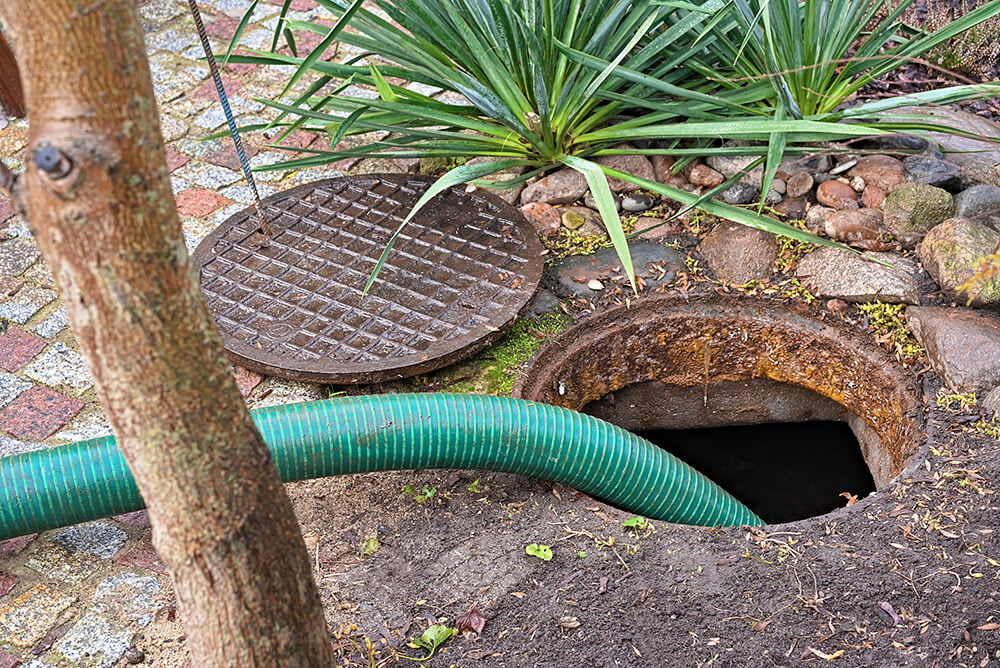
Caring for your septic system is crucial to ensuring its long life. But how much does it cost to pump a septic tank? We explore the different cost factors.

A damaged septic system can leak odors and sewage, so repairs are urgent. Find out how much septic tank repair costs based on repair type, tank size, and more.

Septic tank sizes vary depending on the size of your home, how many people live there, how much water you use, and more. Read on to learn how to determine the right size for you.
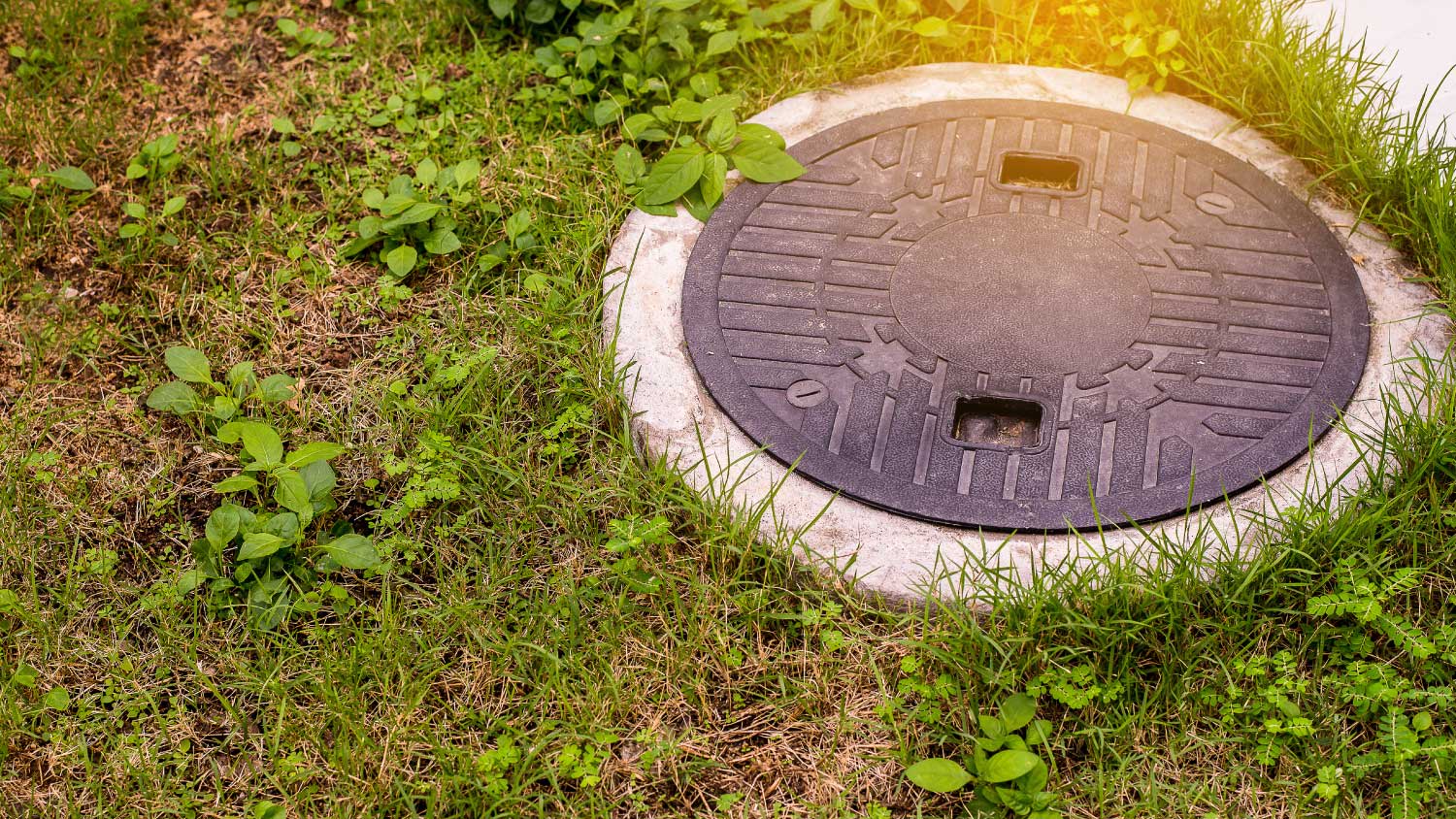
Septic tank risers make it easy to access your septic tank when it’s time for routine inspection, maintenance, and pumping, saving you precious time and labor costs.

It’s crucial to install a septic tank with the right volume to avoid wastewater backups. This guide will help you calculate the right septic tank volume.