



Top-rated roofers.

Get matched with top roofers in Etna, CA

Enter your zip and get matched with up to 5 pros

Need a pro for your roofing project in Etna, CA?

Select your specific project to find the pro for you.
Roofing questions, answered by experts

The green coloration that develops on copper roofs is called a “patina,” and it’s a result of mild oxidation on the surface. The oxidation process is not harmful to your roof. In fact, the surface corrosion acts as a protective layer and won’t spread to the core of your copper roof materials. The discoloration will progress much more quickly in damp or humid climates than it will in dry climates. If you don’t like the green color, you can seal your roof to preserve the shiny, rose-gold look.

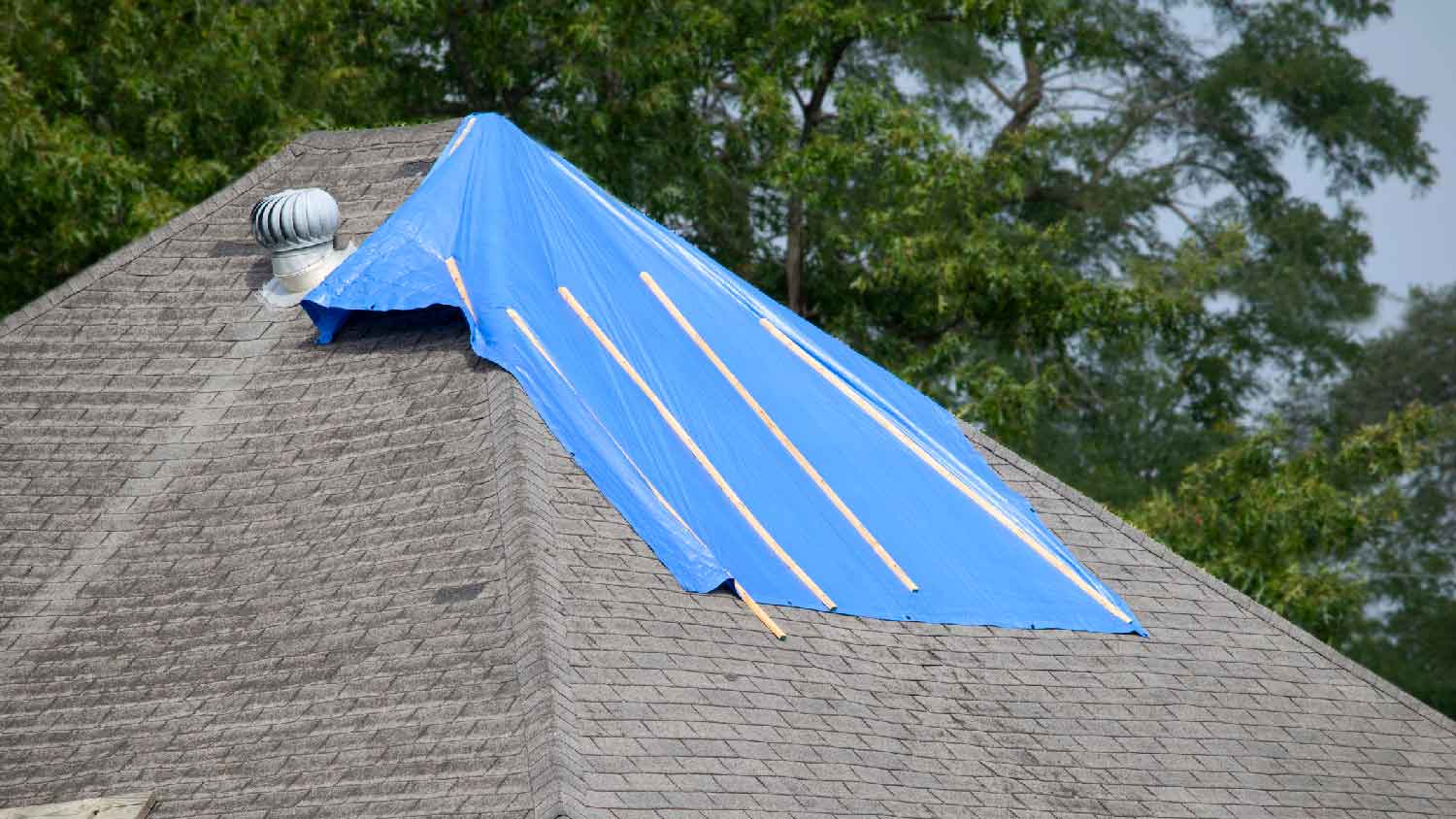
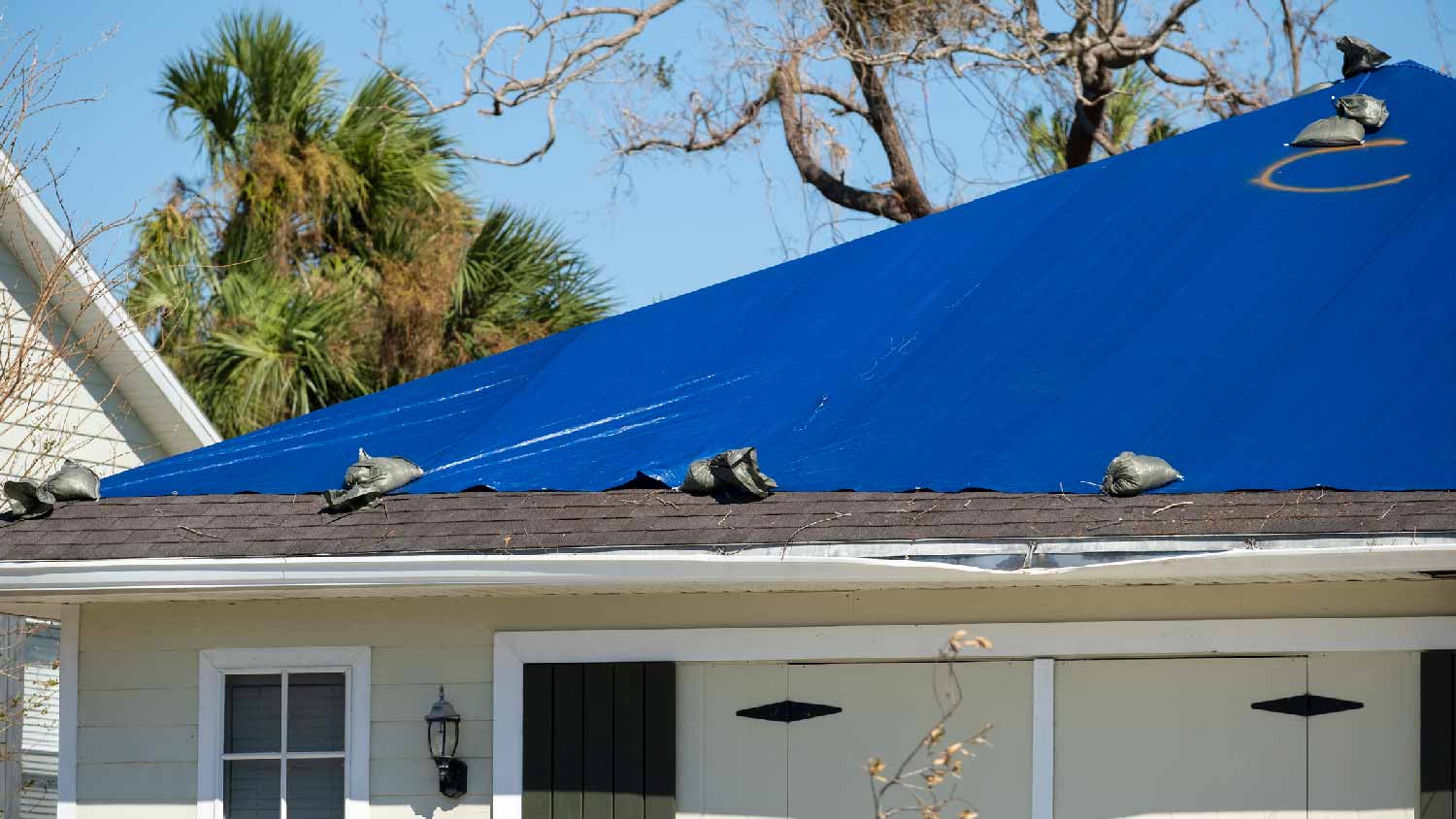
Roofing replacements and repairs expose the interior of your home to the elements. Failing to protect these areas during inclement weather can cause extensive damage and job delays. Have a conversation with your pro to learn their plans to use tarps, plastic sheeting, or other waterproofing methods to keep your home safe. Also, ask whether your pro will inspect your home during rain or snow to ensure the covering works.

No, there’s no specific building code that requires a roof overhang. However, installing your roof with the standard 2-inch overhang is good practice, as it helps direct runoff away from your fascia boards and roof decking and into your gutters. Some overhang is especially important in areas that see heavy rainfall and snowfall, as the risk of water getting under the roofing material and causing water damage is much higher.

Asking questions before hiring a roofer ensures you receive the best quality for your investment upfront and in the long term. Roofers with minimal experience, unfamiliar with local building codes, or minimal access to great materials can lead to both structural and financial problems down the line. You should also be able to easily communicate and collaborate with your roofer during extensive projects.

Yes, you should seal and cap an unused chimney to protect it from damage. Sealing the structure helps prevent moisture damage, which can lead to issues like cracks, spalling, efflorescence, and damaged mortar joints. Capping the chimney is also crucial to prevent blockages, damage from invasive critters, and downdrafts, while still allowing for proper air ventilation to manage moisture. For the best results, consult a chimney professional to select the right type of chimney or flue cap for your home. It's also wise to continue with annual chimney inspections to maintain the structure's integrity.