Licensed and bonded General Contractor #1009350 , EMC has an Odd Job Division! We can fix almost anything, and I will refer you to those that do what I don't. I have over 30 years in the construction business, now offering high-end maintenance services. Your home and property is your sanctuary, I will help you keep it in "ship shape". Call for a free estimate
"He was able to quickly diagnose that the water leak from the water heater was a result of a ruptured tank, resulting in the need to replace the entire water heater."
"I just pay $75 you never know who's going to come out. They do everything electrical. Just about everything is covered except the septic tank. I had an air conditioner replaced. It went great, all I had to do was pay for the freon. He didn't charge e more than what was needed."
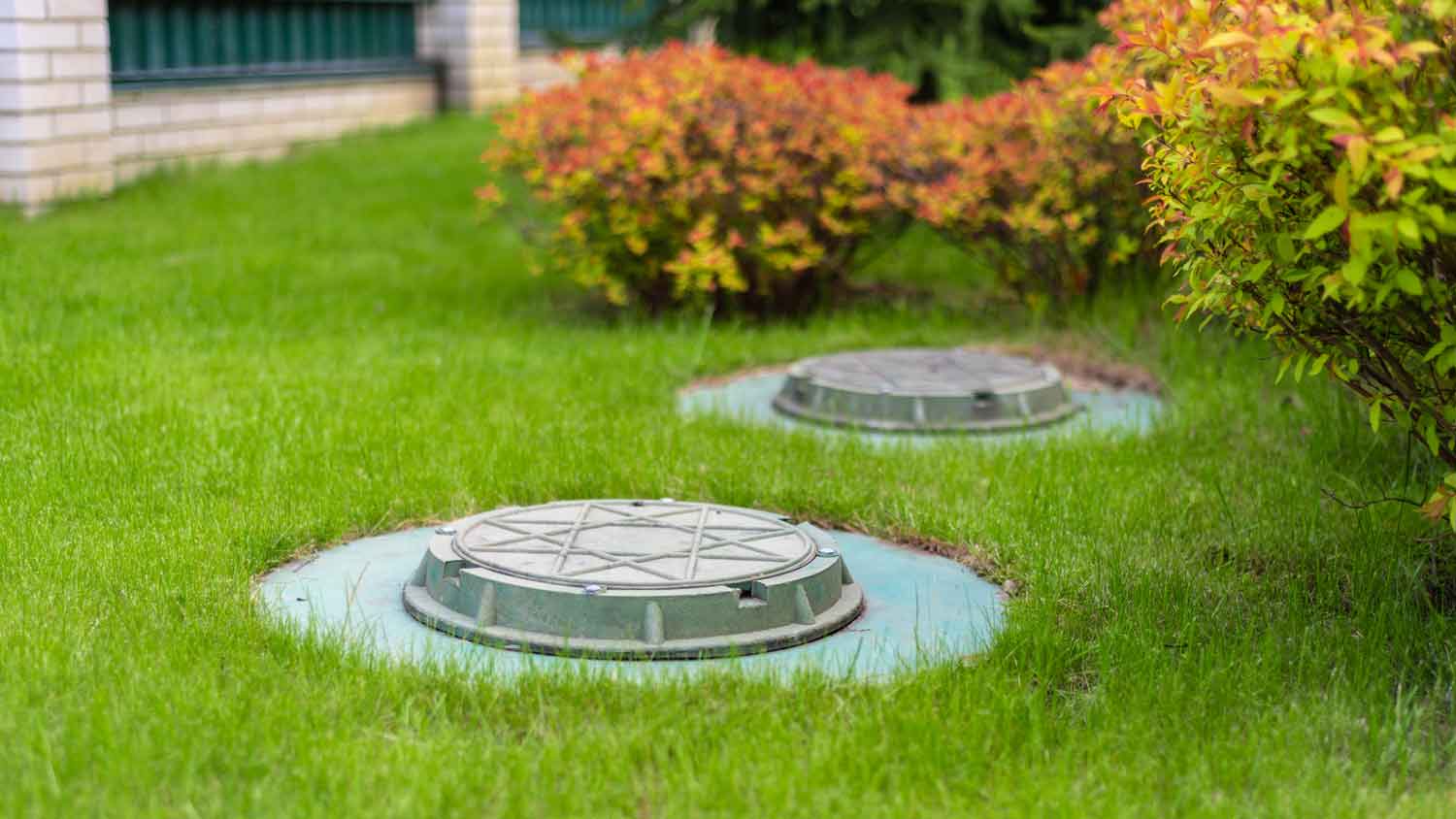
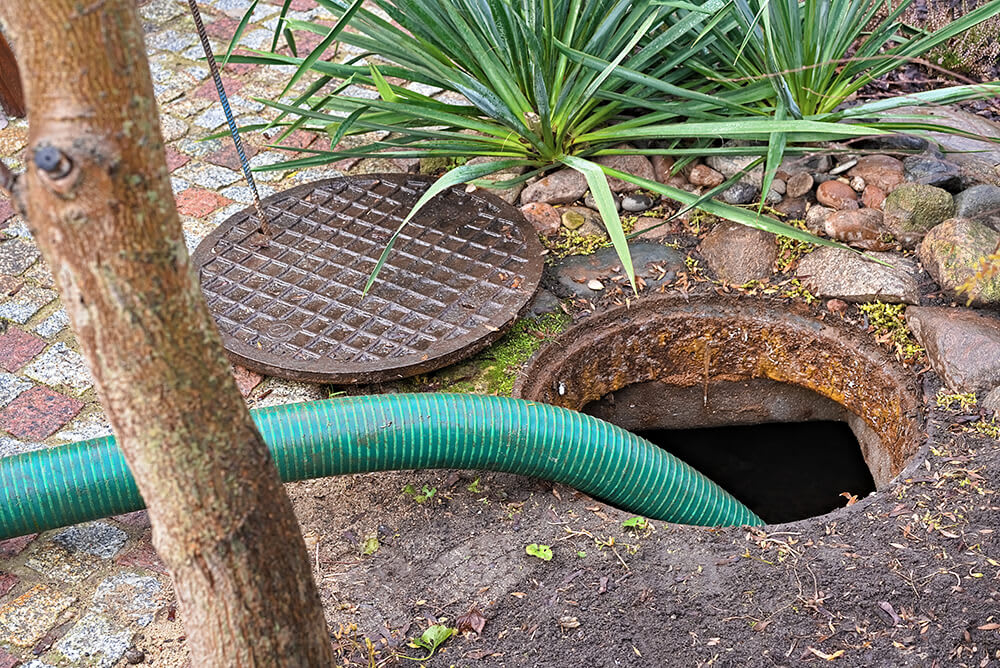
On average, septic systems last between 15 and 20 years. However, with proper care and routine septic maintenance, you may be able to extend your septic system’s life span to 30 years (or more). Some ways to keep your system in tip-top shape include scheduling a professional inspection every two to five years and reducing the flow of wastewater into your system.
The disadvantages of having a well include more maintenance, like annual testing and inspections, and high up-front costs to drill a well. Well water is also vulnerable to contamination, which is why keeping up with testing is important if you own a well. When it comes to well water versus city water, well water does offer more independence and is a reliable water source.
Most well pump pressure switches have a factory setting of 30 to 50 PSI. There’s some flexibility with this if you’d like a lower or higher water pressure, but remember that it should sit 2 to 3 PSI above your well tank’s general pressure setting.
The inside of your pressure switch cover will usually indicate minimum and maximum settings—going below and above the numbers might damage your well pump.
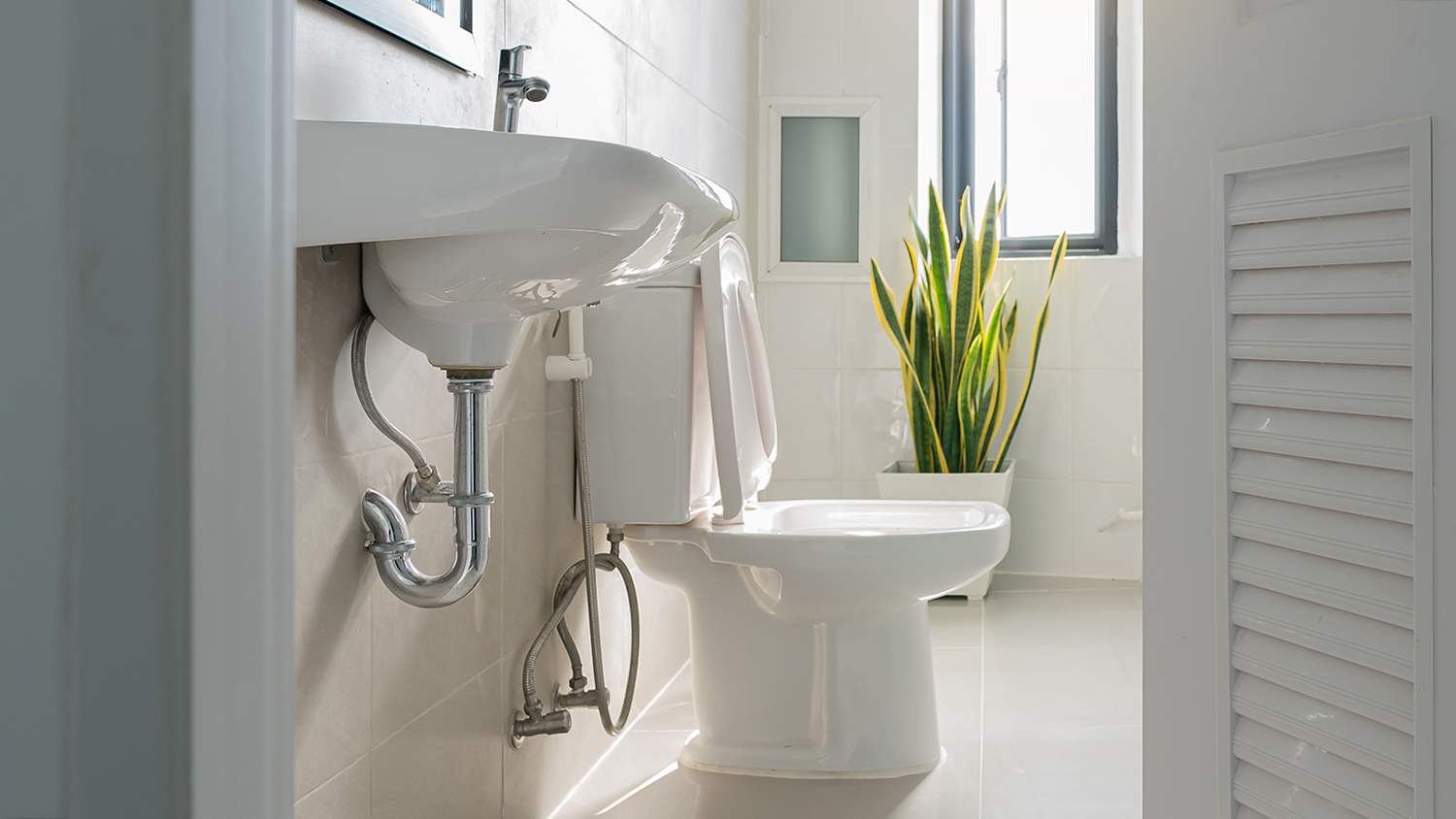
Yes, shower water goes into the septic tank. Shower water is a type of greywater, and in fact, all water used in a home with a septic system—including water from sinks, toilets, the dishwasher, and the washing machine—drains into the tank. When shower water enters the tank, debris like soap and hair travels with it. The solid debris sinks to the bottom to become sludge, while soap residue joins the scum layer at the top. The remaining water is treated in the tank before moving to the drain field for further treatment and dispersal. It is important to avoid putting oil or harsh chemicals down any drain, as they can cause clogs or disrupt the beneficial bacteria required for proper wastewater management in the septic system.
Expect to take at least a day to drill your own well by hand. For a 500-foot well, this could take even longer, depending on the makeup of the soil and the terrain you are drilling through. Other factors include your physical strength and overall fitness level and the weather conditions you’re working in.
The Dorris, CA homeowners’ guide to septic tank services
From average costs to expert advice, get all the answers you need to get your job done.
Caring for your septic system is crucial to ensuring its long life. But how much does it cost to pump a septic tank? We explore the different cost factors.
It’s crucial to install a septic tank with the right volume to avoid wastewater backups. This guide will help you calculate the right septic tank volume.
Septic tank sizes vary depending on the size of your home, how many people live there, how much water you use, and more. Read on to learn how to determine the right size for you.