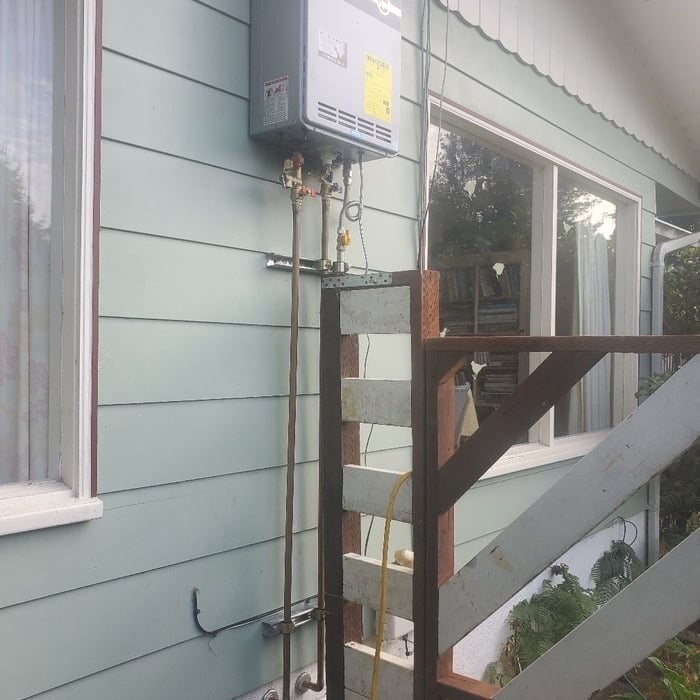
"Well. Only problem was delay in response time after claim was filed online. Water tank started leaking Thanksgiving morning and no reply until I called the Regional Manager."
"I just pay $75 you never know who's going to come out. They do everything electrical. Just about everything is covered except the septic tank. I had an air conditioner replaced. It went great, all I had to do was pay for the freon. He didn't charge e more than what was needed."
We're a locally owned and operated company that values honesty and integrity in all aspects of our business. We offer a variety of services that are customizable to each individual project. We pride ourselves on the quality of our work as well as our commitment to outstanding results. We look forward to building lasting relationships with our clients and guarantee your satisfaction!
We are a locally owned and operated company that values honesty and integrity and treats your home as if it were our own. We offer a variety of Plumbing & Heating services that are customizable to each individual project. You will find us to be competitively priced, paying close attention to the details of each and every project that we are involved with. We look forward to building lasting relationships and guarantee your satisfaction!
We are committed to excellence in every aspect of our business. We uphold a standard of integrity bound by fairness, honesty and personal responsibility. Our distinction is the quality of service we bring to our customers. Accurate knowledge of our trade combined with ability is what makes us true professionals. Above all, we are watchful of our customers interests, and make their concerns the basis of our business.\n
The average lifespan of a deep well pump is between 15 and 25 years, after which you’ll have to replace it. Several factors can affect the lifespan of a well pump, such as the quality of the unit. Proper maintenance and repair can also help extend your well pump’s lifespan as well as keep adequate water flow and pressure throughout your home.
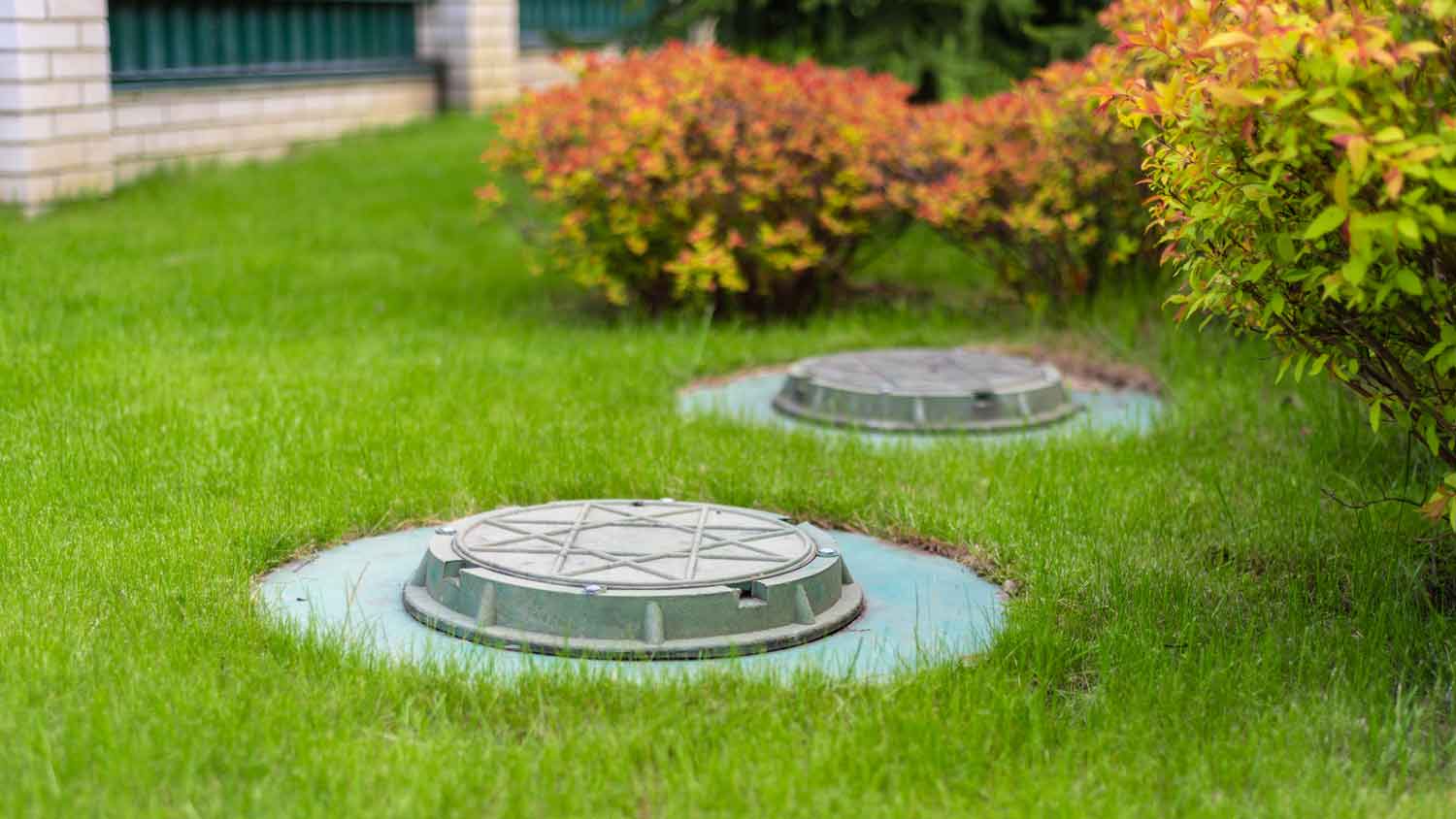
There are a variety of different types of septic systems that can work in your home—such as conventional anaerobic systems, chamber systems, drip distribution systems and mound septic systems. All of them work using natural processes to break down solid waste and effectively treat wastewater without needing to be connected to a city sewer system. Which type of septic system you need will depend on characteristics of your property like how high the bedrock is or groundwater table is. Different types of systems come at different costs to install.
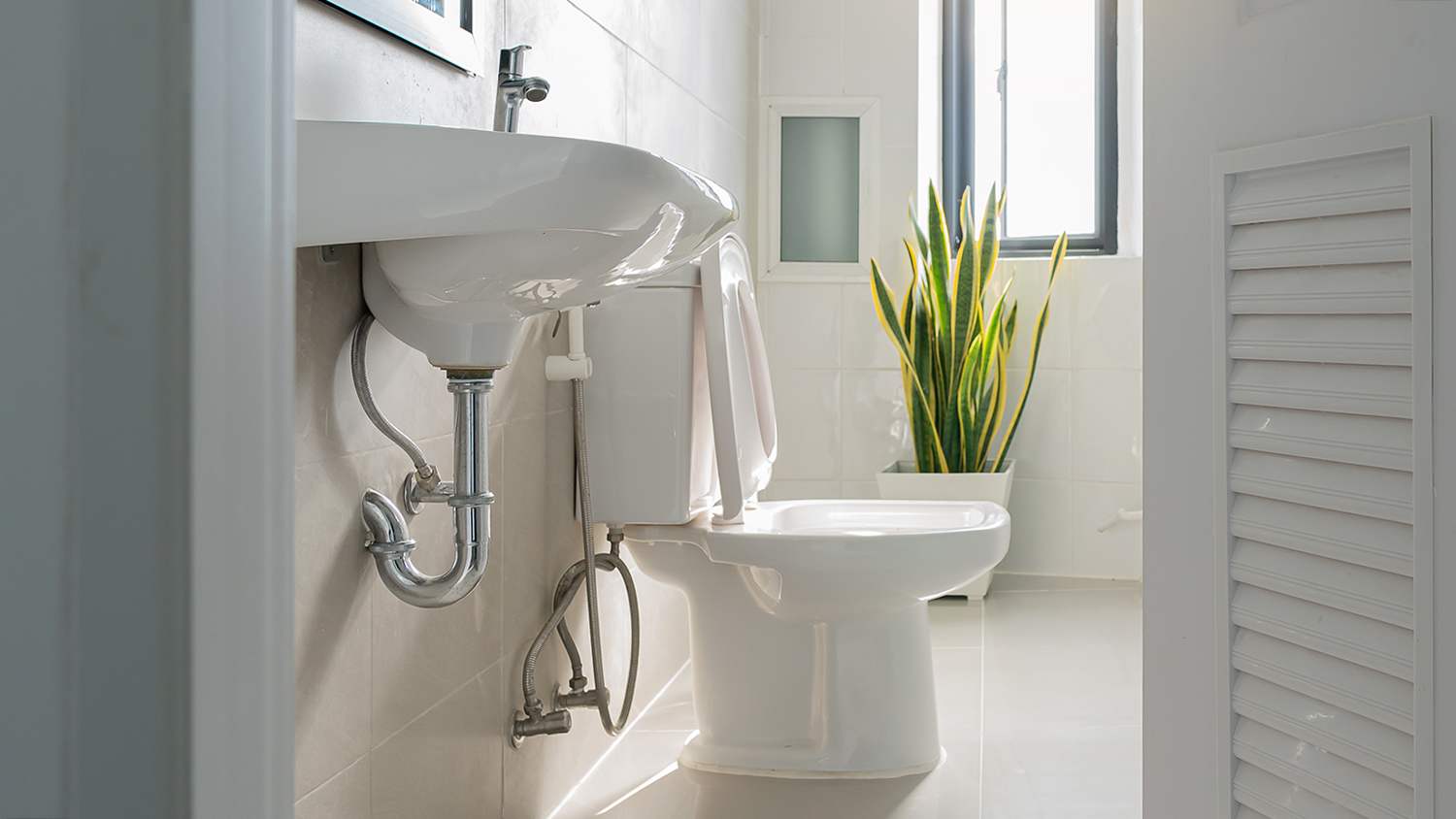
Yes, shower water goes into the septic tank. Shower water is a type of greywater, and in fact, all water used in a home with a septic system—including water from sinks, toilets, the dishwasher, and the washing machine—drains into the tank. When shower water enters the tank, debris like soap and hair travels with it. The solid debris sinks to the bottom to become sludge, while soap residue joins the scum layer at the top. The remaining water is treated in the tank before moving to the drain field for further treatment and dispersal. It is important to avoid putting oil or harsh chemicals down any drain, as they can cause clogs or disrupt the beneficial bacteria required for proper wastewater management in the septic system.
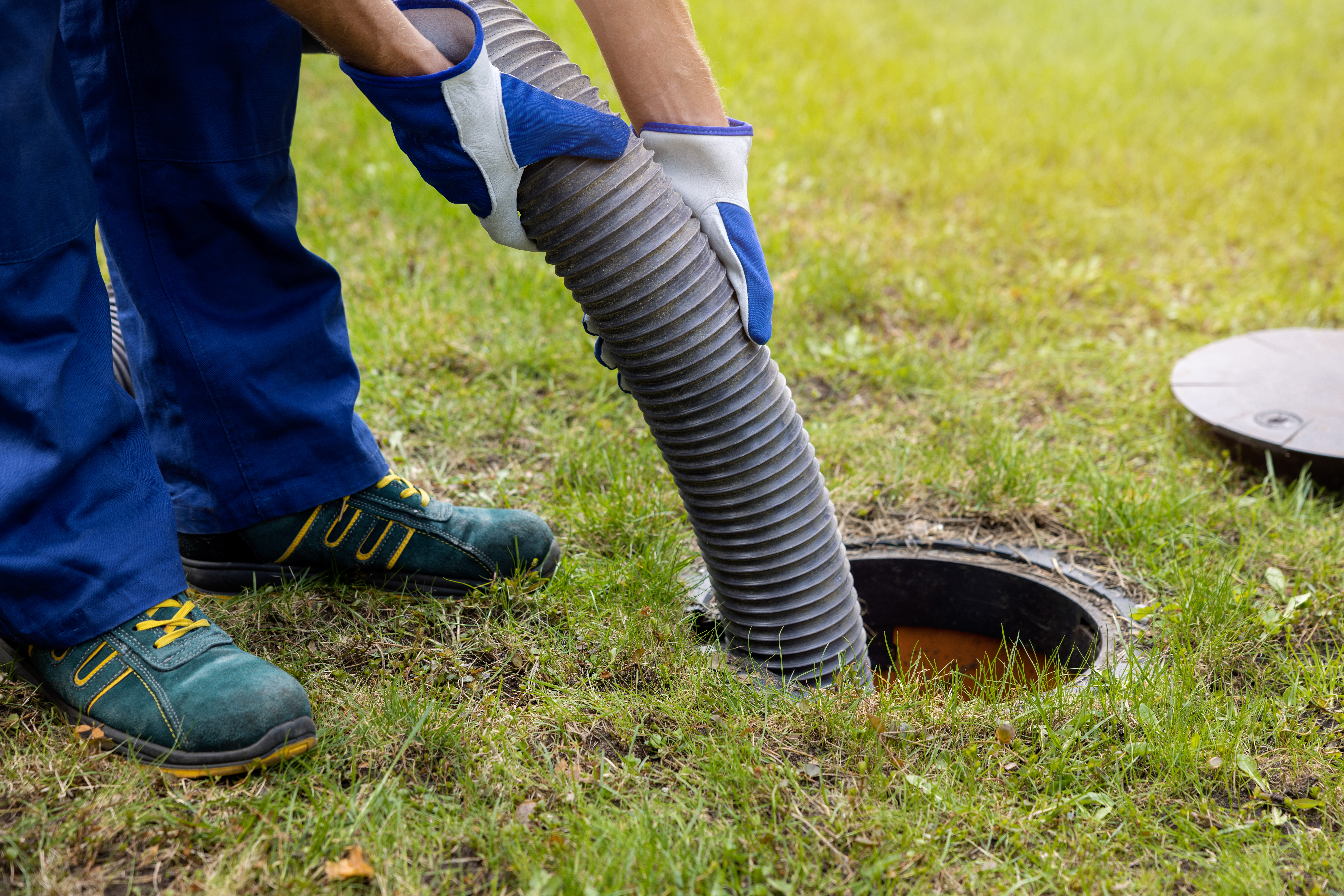
Septic tanks can clog if they aren’t pumped every few years since solid waste accumulates inside of them. Your tank might also clog if you have a habit of flushing anything other than human waste or toilet paper. Items like diapers, baby wipes, paper towels, cat litter, and personal hygiene products should never go down your pipes.
Options include submersible, jet, and centrifugal pumps. Choose based on water needs and well depth.
The Hoopa, CA homeowners’ guide to septic tank services
From average costs to expert advice, get all the answers you need to get your job done.
It’s crucial to install a septic tank with the right volume to avoid wastewater backups. This guide will help you calculate the right septic tank volume.
Septic tank sizes vary depending on the size of your home, how many people live there, how much water you use, and more. Read on to learn how to determine the right size for you.