

Top-rated plaster repair specialists.

Get matched with top plaster repair specialists in Harrison, AR

Enter your zip and get matched with up to 5 pros

Need a pro for your plaster repair project in Harrison, AR?

Select your specific project to find the pro for you.

Find Plaster repair specialists in Harrison

Avatar for NorthArkHandyman
NorthArkHandyman
5.0(
2
)
Plaster - RepairPlaster - Repair - For Business

Serving Harrison, AR and surrounding areas

In business since 2018

Free estimates

Emergency services offered

"Mark was fast and focused helping my smooth out my ceiling after I removed my popcorn ceiling. The price was unbeatable and he also helped with a few other repairs on the roof for just a small added fee. Would hire again!"
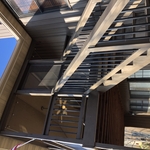
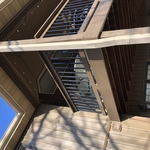
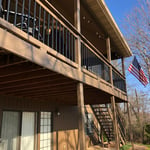
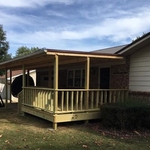
Custom screened in deck
Custom screen deck
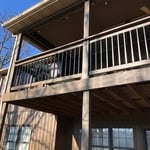
Custom screen deck
Custom screen deck
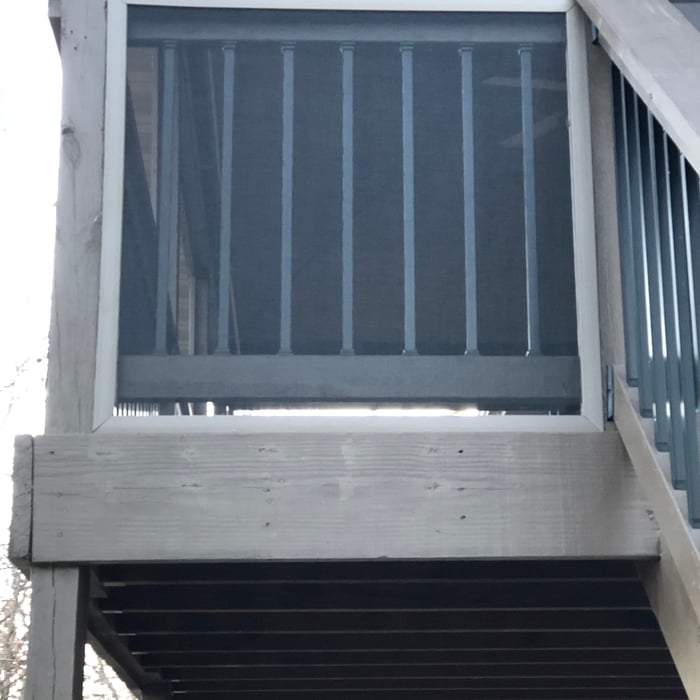
Custom screen deck

+8

Response time12 hrs
Recommended by100%of homeowners
Avatar for Bilderback Home Improvement -   Facebook
Bilderback Home Improvement - Facebook
5.0(
2
)
Plaster - Repair

Serving Harrison, AR and surrounding areas

In business since 2001

Free estimates

Emergency services offered

Bilderback Home Improvement is committed to excellence in every aspect of our business. We uphold a standard of integrity bound by fairness, honesty, and personal responsibility. Our distinction is the quality of service we bring to our customers. Accurate knowledge of our trade combined with ability is what makes us true professionals. Above all, we are watchful of our customers' interests, and make their concerns the basis of our business. \n

Recommended by100%of homeowners
Severson, Inc.
5.0(
1
)
Plaster - RepairPlaster - Repair - For Business

Serving Harrison, AR and surrounding areas

In business since 2003

Free estimates

Warranties offered

"My professional window installers were prompt, courteous, friendly and most importantly knowledgeable. They were able to answer my concerns and questions before during and after installation. The rooms were left clean and orderly. The yard and carport where the windows were stored after delivery by Lowe's was spotless, the old windows, trash and debris were gone! Very impressed! When we signed the paperwork for an installer we didn't know we were getting an entire company with Severson, Inc. Thank You Denise Capps"
Looking Down to the Kitc
Kitchen from Living Room
View from Loft
Kitchen
Recommended by100%of homeowners
Showing 1-10 of 22
Plaster Repair questions, answered by experts

Plaster ceilings can sag for several reasons. In some cases, the plaster and other building materials shift and come apart over time, which is why you’ll commonly find drooping plaster ceilings in older homes. Improper installation, foot traffic, and water damage—often from a leaky roof or a broken pipe—can also cause plaster ceilings to sag.

Plaster is a pretty tough surface, but it can still sustain damage from things like bumping against it, water issues, dampness, extreme humidity changes, and plain old age. Most plaster walls last hundreds of years and will only be taken down to the base layer when major repairs are required. Being cautious around the wall, not placing furniture against it, and ensuring stable humidity are all great ways to reduce possible damage.

You can put certain types of plaster over other types, but doing so isn't always the best idea. For example, putting a coat of gypsum over lime plaster is possible, but doing so will limit the lime plaster's breathability and potentially affect its performance.

Since cement plaster tends to leave a textured surface, no matter how much you smooth it, some people prefer to use gypsum plaster as a topcoat over cement plaster, creating a smoother surface.

It may take a bit of patience and trial and error to match your particular drywall texture type when making repairs. For orange peel or knockdown finishes, use a spray texture product or a thinned joint compound applied with a roller or sponge. Practice on scrap drywall or cardboard first. Once dry, lightly sand and prime before painting.

Although they have similar applications, spackle and joint compound are not the same. Their primary differences lie in their composition, consistency, and ideal use cases.

Spackle is composed of gypsum and binding agents, making it thicker than joint compound. It dries quickly and is easy to sand, which makes it ideal for small wall repair projects like filling nail holes or patching minor damage.

Joint compound, also known as drywall mud, consists of limestone and gypsum. It is primarily used for large-scale projects, such as taping and finishing the seams on newly installed drywall. It tends to shrink more than spackle and can be more difficult to spread.

While both products can be used to fill small depressions and cracks, spackle cannot replace joint compound for taping and mudding new drywall. Conversely, you can often use joint compound for small patching jobs typically done with spackle.

The Harrison, AR homeowners’ guide to plaster repairs

From average costs to expert advice, get all the answers you need to get your job done.