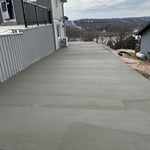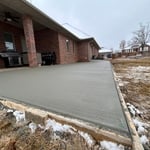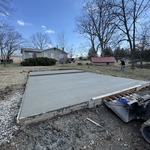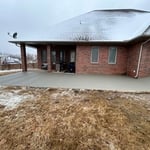

Top-rated concrete driveway pros.

Get matched with top concrete driveway pros in Harrison, AR

Enter your zip and get matched with up to 5 pros

Need a pro for your concrete driveway service project in Harrison, AR?

Select your specific project to find the pro for you.

Find Concrete driveway pros in Harrison

Allens concrete finishing
New to Angi
Concrete Flatwork - Repair & Resurface

Serving Harrison, AR and surrounding areas

In business since 2017

Free estimates

We're dedicated to providing our clients with the very best in concrete installation and repair for driveways, sidewalks, patios, steps, and a variety of other projects. With over 28 years of industry experience, we take and enormous amount of pride in the attention to detail put into each of the projects we're involved with. We're known for our quality work and the integrity of our business. We look forward to building long-term relationships with our clients, and guarantee your satisfaction.\n

Avatar for Checkered Flag Concrete & Construction, LLC
Checkered Flag Concrete & Construction, LLC
New to Angi
Concrete Driveways & Floors - InstallConcrete Driveways - InstallConcrete Flatwork - Repair & Resurface+3 more

Serving Harrison, AR and surrounding areas

In business since 2018

Free estimates

At Checkered Flag Concrete & Construction, LLC, we pride ourselves on providing quality service that customers can believe in. Whether it's patios or driveways, we can take care of all your concrete needs. Ask us about our service! We look forward to working with you!

Response time1 day
Showing 1-10 of 22
Concrete Driveways questions, answered by experts

You should avoid using a pressure washer on any surface or item that could be damaged by the high-pressure spray, as some materials are too delicate to withstand the force.

Key items and surfaces to avoid include:

  • Electrical Components: Never pressure wash electrical systems, as water can cause short-circuits and create a safety hazard. This includes utility meters, breaker boxes, electrical outlets, generators, and HVAC or air conditioner units.

  • Delicate and Fragile Materials: Fragile items can crack, shatter, or be stripped by the pressure. Avoid pressure washing windows, glass, light fixtures, shingled roofs (especially asphalt), and stucco.

  • Painted, Stained, or Sealed Surfaces: Unless your goal is to strip the finish, do not pressure wash painted surfaces, stained wood (like decks), or anything with a protective seal that could be stripped away. Be especially cautious with older surfaces that may contain lead paint.

  • Soft Woods and Certain Decking: Delicate surfaces like softwood, composite decking, and antique or wooden patio furniture can be etched or damaged. If you must wash wood, use a lower-powered pressure washer with a wide-angle nozzle to prevent damage.

  • Living Things: Never use a pressure washer on people, pets, or plants. The force can cause serious injury and will destroy landscaping.

Whether you need to winterize your pressure washer depends on where you store it. If you can keep it in a relatively warm place with no risk of freezing, you won't need to add antifreeze. However, if the machine will be stored in freezing temperatures, any liquid left in the water pump can freeze, expand, and cause severe damage. To prevent this, add antifreeze to keep it in good condition. While some suggest emptying the machine with compressed air, this can be a tedious process that may not fully drain the liquid. Regardless of storage conditions, it is also good practice to empty the gas chamber and refresh the oil before winter storage.

Yes, you can, but you’ll need to acquire the right pressure washer tips and cleaning solutions for the job. In particular, you’ll need tips that are capable of lowering the pressure from a max of 3,500 PSI to between 150 and 300 PSI. As for the cleaning solution, look for options that are clearly marked for soft washing rather than pressure washing. 

The ideal PSI (pounds per square inch) for a pressure washer depends on the surface you are cleaning. For general home use, a pressure washer with a range of 2,000 to 3,000 PSI is recommended and powerful enough for most residential projects.

The specific PSI you should use varies by task:

  • High-Pressure Tasks (2,500-3,000 PSI): Tough materials like concrete, stone, masonry, and brick can handle higher pressures. This is suitable for removing stubborn stains from driveways or cleaning graffiti.

  • Low-Pressure Tasks (around 600-1,300 PSI): Softer surfaces require a gentler touch to avoid damage. Use a low PSI setting for cleaning wood decks (especially softwoods like pine and cedar), vinyl siding, outdoor furniture, and stucco.

For best results, choose the right nozzle for your surface, such as a 15-degree nozzle for siding or a surface cleaner attachment for driveways. Using an extendable wand can also make the work easier and more ergonomic.

Yes, you can remove oil stains from your driveway by applying an absorbent material such as baking soda, sawdust, or cat litter, pouring on a liquid detergent such as dish soap, scrubbing the area, and rinsing with water. You can also use a diluted bleach solution, white vinegar, or TSP solution on concrete.

The Harrison, AR homeowners’ guide to concrete driveway services

From average costs to expert advice, get all the answers you need to get your job done.