

Top-rated painters.

Get matched with top painters in Harrison, AR

Enter your zip and get matched with up to 5 pros

Need a pro for your painting project in Harrison, AR?

Select your specific project to find the pro for you.

TRUSTED BY HARRISON, AR HOMEOWNERS

  • Average homeowner rating star icon4.7
    Average homeowner rating
  • Verified reviews icon29
    Verified painting services reviews

Find Painters in Harrison

Avatar for Hudson Custom Painting
Hudson Custom Painting
5.0(
6
)
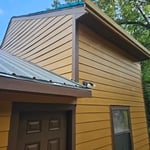
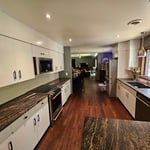
Exterior Home or Structure - Paint or StainExterior Home or Structure - Paint or Stain: LargeInterior Home or Surfaces - Paint or Stain+7 more

Serving Harrison, AR and surrounding areas

In business since 1999

Free estimates

Credit card accepted

"Hudson painting is a true professional. Nathan is a veteran who learned his craft working for his father as a young man. After his return from serving his country he picked up his craft once again. A job well done from start to finish. You can count on his word and starting a job on time thru completion. Five Star Job"
Painting - Exterior Project
Painting - Interior Project
Additional Photos
Additional Photos

+61

Recommended by100%of homeowners
Starr Painting Plus
5.0(
4
)
Interior Painting or Staining: 1 - 2 RoomsInterior Painting or Staining: 3 - 4 Rooms

Serving Harrison, AR and surrounding areas

In business since 2000

Free estimates

Credit card accepted

"Jade Starr replaced and stained exterior cedar shakes on our home. He is professional, prompt, courteous and conscientious. He gives estimates, is meticulous, stands by his work and even cleans up behind himself. Recommended 100%."
Response time10 hrs
Recommended by50%of homeowners
...
Showing 1-10 of 99
Painting questions, answered by experts

Limewash and whitewash are two techniques used to give brick a light, matte finish, but they differ in composition, application, and permanence. The best choice depends on your aesthetic goals and the specific surface.

Composition

  • Limewash: A natural and environmentally friendly option made from limestone, water, and sometimes pigments. It is breathable and soaks into porous surfaces like brick.

  • Whitewash: Traditionally made from lime, water, chalk, and binders, but a similar look can be achieved with watered-down white paint. It is paint-based and sits on top of the surface.

Appearance and Finish

  • Limewash: Provides a natural, textured appearance that allows the brick's character to show through. It offers a more traditional finish.

  • Whitewash: Creates a softer, more opaque finish, often used for a rustic or shabby-chic style.

Application and Permanence

  • Limewash: Is semi-permanent and can be removed, making it a good choice if you might want to change the look in the future. It requires more skill to apply and cannot be used on previously painted brick.

  • Whitewash: Is a more permanent solution. It is more forgiving to apply and can be used on painted brick. However, because it sits on the surface, it can trap moisture.

Ultimately, if you want a breathable, natural, and reversible finish for unpainted brick, limewash is a great option. If you need a more permanent, opaque coating that can be applied over painted surfaces, whitewash is the better choice. Whitewashing may also be more economical, costing approximately $1.40 to $4.20 per square foot.

Typically, a fence requires one to two coats of stain. The exact number can vary depending on the porosity of the wood. For specific guidance, it's best to check the manufacturer's instructions. After applying the first coat and letting it dry completely, you can assess the finish. If it appears patchy, uneven, or you want a more saturated color, a second coat is recommended. An extra coat can also help cover lap marks.

A dry lawn is easier to edge than a wet one. When your ground is wet, your blades will likely clump together, making a seemingly even cut while wet, but an uneven disaster when dried. Also, a wet lawn can impact your blade's performance and cause mud to kick up, resulting in a messy finish.

You should repaint your fence every 1 to 3 years, depending on the appearance of wear and tear. Weather and usage will factor into how often you should paint another coat on your fence. If you need to replace a few fence boards or posts, you may want to consider repainting the fence to help protect the rest of the fence as well as the new pieces against damage and deterioration from being exposed to the elements.

Wood stain is typically dry to the touch within 6 to 12 hours, but it is not fully cured at this point. You should wait at least 24 hours before applying a second coat or a protective finish. For surfaces like decks, avoid walking on them for at least 24 to 48 hours, and wait even longer before placing furniture. The full curing process can take from 24 hours to one week, depending on the type of stain. Factors like high humidity and cold temperatures can extend drying and curing times, so it's wise to allow for extra time in these conditions.

The Harrison, AR homeowners’ guide to painting services

From average costs to expert advice, get all the answers you need to get your job done.