





Top-rated plaster repair specialists.

Best plaster repair specialists near Ridgedale, MO

Enter your zip and get matched with up to 5 pros

Need a pro for your plaster repair project in Ridgedale, MO?

Select your specific project to find the pro for you.

TRUSTED BY RIDGEDALE, MO HOMEOWNERS

  • Average homeowner rating star icon4.5
    Average homeowner rating
  • Verified reviews icon38
    Verified plaster repairs reviews

Top-Rated Plaster repair specialists in Ridgedale - Updated Nov 2026

Avatar for Keller's Drywall
Keller's Drywall
4.0(
51
)
Plaster - InstallPlaster - Install - For BusinessPlaster - Repair+1 more

Serving Ridgedale, MO and surrounding areas

Approved

In business since 2005

Free estimates

Emergency services offered

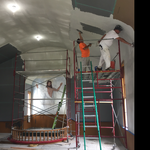
"Dusty did an incredible job with our popcorn ceiling removal, texture, and paint. He was really easy to work with, reliable, punctual, and efficient. We are very happy and pleased with the work that he did. There is no question that we will be hiring him again for future projects. We would recommend Keller's drywall to anyone!! Phenomenal work!!"
Remodel
Patches
After.
Remodel
Closet

+58

Response time1 day
3 neighbors recently requested a quote
Recommended by94%of homeowners
Freeman Drywall
4.4(
43
)
Plaster - InstallPlaster - Install - For BusinessPlaster - Repair+1 more

Serving Ridgedale, MO and surrounding areas

In business since 2010

Free estimates

Emergency services offered

"Very meticulous about every step of the job, from the prep to the completion. Attention to detail. Made sure we were satisfied with everything. Cleaned up and put everything back in place before leaving. I highly recommend them. This is the second time we have used them in the last few months."
Recommended by100%of homeowners
Avatar for Magic LeWand Painting and Dry Wall
Magic LeWand Painting and Dry Wall
4.4(
36
)
Plaster - InstallPlaster - Install - For BusinessPlaster - Repair+1 more

Serving Ridgedale, MO and surrounding areas

In business since 2002

Free estimates

Warranties offered

"He arrived on time ,did a gorgeous job on the beam he installed, repaired my wall that was cracked, and fixed my doggie door.He was very knowledgeable and we discussed other projects, he cleaned up after himself and even righted my room . so yes I'd recommend him ."
Our Work
Our Work
Our Work
Our Work
Our Work

+321

Response time1 day
Response rate85%
Recommended by89%of homeowners
Showing 1-10 of 39
Plaster Repair FAQs, answered by experts

While it’s most common to sand plaster dry, it is possible to wet-sand plaster, too. Doing so can reduce the amount of plaster dust released into the air and make it easier to work in smaller, more delicate areas (such as around wall trim). However, some people find that wet sanding leads to more imperfections, which is why larger walls are more often dry sanded to ensure an even finish.

If your premixed drywall mud is dried out or has begun to set in the bucket, you may be able to revive it by adding warm water and stirring. However, the first and most important step is to scrape off any hard, dried bits of drywall that may have accumulated toward the top of the container and throw them away because they will not easily reconstitute back into the drywall mud mix.

This depends on how much plaster is applied and in how many layers, but a decent estimate is around 150 square feet. If you are applying only two coats on a small wall, there is a chance you may only need one or two gallons for the entire project. If you are plastering a large living room wall with high ceilings, using one of the more involved techniques–like Scagliola–that requires several coats, expect the project materials costs to add up quickly. 

On average, repairing a ceiling costs anywhere from $450 to $1,750. However, there are many variables that can impact the price of this project. For example, the type of ceiling material, type and extent of the damage, and local labor rates all affect your costs. Holes and cracks are less expensive to fix, while structural issues and water damage are pricier problems.

Although they have similar applications, spackle and joint compound are not the same. Their primary differences lie in their composition, consistency, and ideal use cases.

Spackle is composed of gypsum and binding agents, making it thicker than joint compound. It dries quickly and is easy to sand, which makes it ideal for small wall repair projects like filling nail holes or patching minor damage.

Joint compound, also known as drywall mud, consists of limestone and gypsum. It is primarily used for large-scale projects, such as taping and finishing the seams on newly installed drywall. It tends to shrink more than spackle and can be more difficult to spread.

While both products can be used to fill small depressions and cracks, spackle cannot replace joint compound for taping and mudding new drywall. Conversely, you can often use joint compound for small patching jobs typically done with spackle.

The Ridgedale, MO homeowners’ guide to plaster repairs

From average costs to expert advice, get all the answers you need to get your job done.