




Top-rated plaster repair specialists.

Get matched with top plaster repair specialists in Branson, MO

Enter your zip and get matched with up to 5 pros

Need a pro for your plaster repair project in Branson, MO?

Select your specific project to find the pro for you.

TRUSTED BY BRANSON, MO HOMEOWNERS

  • Average homeowner rating star icon4.5
    Average homeowner rating
  • Verified reviews icon32
    Verified plaster repairs reviews

Find Plaster repair specialists in Branson

JMH BUILT LLC
5.0(
1
)
Plaster - Install

Serving Branson, MO and surrounding areas

Approved

In business since 1994

Free estimates

Credit card accepted

We take great pride in our experience, expertise, quality and customer service, that we provide to meet the consumer's needs. It is our mission to provide excellent workmanship, and complete customer satisfaction, from start to completion of a project. In order to understand the needs and expectations of our customers, we take great care to work and communicate, with every customer in a professional manner. Our reputation is based on service, safety and quality, regardless of how large, or small the job. Call us today!

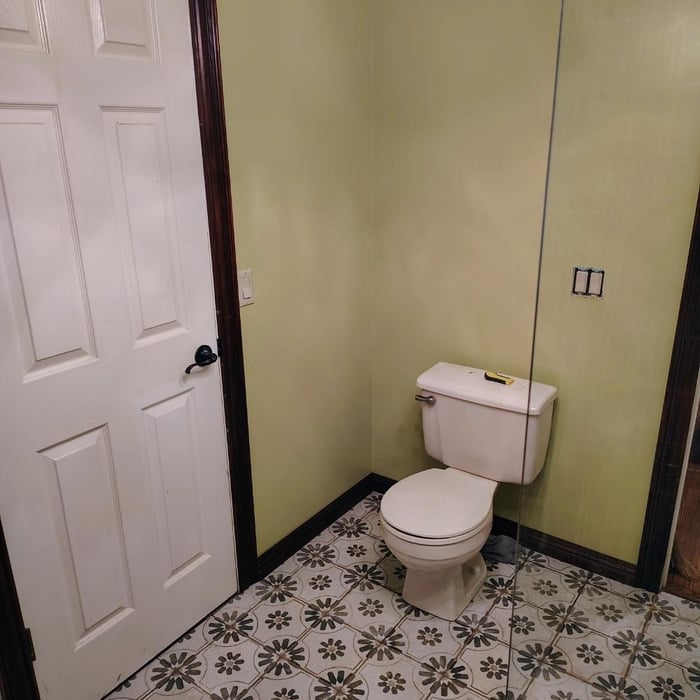
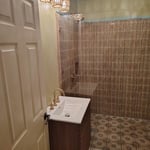
Zero clearance shower.

+22

6 neighbors recently requested a quote
Freeman Drywall
4.4(
43
)
Plaster - InstallPlaster - Install - For BusinessPlaster - Repair+1 more

Serving Branson, MO and surrounding areas

In business since 2010

Free estimates

Emergency services offered

"Very meticulous about every step of the job, from the prep to the completion. Attention to detail. Made sure we were satisfied with everything. Cleaned up and put everything back in place before leaving. I highly recommend them. This is the second time we have used them in the last few months."
Recommended by100%of homeowners
Avatar for Keller's Drywall
Keller's Drywall
4.0(
51
)
Plaster - RepairPlaster - InstallPlaster - Install - For Business+1 more

Serving Branson, MO and surrounding areas

In business since 2005

Free estimates

Emergency services offered

"Dusty did an incredible job with our popcorn ceiling removal, texture, and paint. He was really easy to work with, reliable, punctual, and efficient. We are very happy and pleased with the work that he did. There is no question that we will be hiring him again for future projects. We would recommend Keller's drywall to anyone!! Phenomenal work!!"
Remodel
Patches
After.
Remodel
Closet

+58

Response time1 day
18 neighbors recently requested a quote
Recommended by94%of homeowners
Avatar for Magic LeWand Painting and Dry Wall
Magic LeWand Painting and Dry Wall
4.4(
36
)
Plaster - InstallPlaster - Install - For BusinessPlaster - Repair+1 more

Serving Branson, MO and surrounding areas

In business since 2002

Free estimates

Warranties offered

"He arrived on time ,did a gorgeous job on the beam he installed, repaired my wall that was cracked, and fixed my doggie door.He was very knowledgeable and we discussed other projects, he cleaned up after himself and even righted my room . so yes I'd recommend him ."
Our Work
Our Work
Our Work
Our Work
Our Work

+321

Response time1 day
Response rate85%
Recommended by89%of homeowners

Showing 1-10 of 39
Plaster Repair questions, answered by experts

Although they are used for similar tasks, spackle and joint compound are not the same. Joint compound, also known as drywall mud, consists of limestone and gypsum and is primarily used for large-scale projects like taping and finishing seams on new drywall. Spackle is composed of gypsum and binding agents, making it a thicker compound best suited for small wall repairs like filling nail holes or cracks, as it dries quickly and is easy to sand. For small repairs, either product can be suitable. However, you can use joint compound for small jobs in place of spackle, but you cannot use spackle for large-scale taping and mudding projects.

Both plaster and drywall are durable wall finishes, but they differ significantly in installation, cost, performance, and aesthetics.

Installation & Cost: Drywall installation is faster and more affordable, typically costing $1.50 to $3 per square foot. It uses premade sheets, making it a more accessible DIY project. Plastering is a labor-intensive craft that requires specialized skills, pushing costs to $2 to $10 per square foot. It involves applying a wet paste over a lath framework.

Durability & Performance: Plaster is generally more durable, longer-lasting, and provides superior soundproofing. It is also a better insulator, which can help reduce energy costs. Drywall is easier to remove for future renovations.

Aesthetics: Drywall provides a smooth, uniform surface ready for paint or texture. Plaster offers a high-end, naturally textured look that can hide imperfections and is often preferred for achieving a classic or historic aesthetic.

Which is better? The choice depends on your priorities. Drywall is ideal for those prioritizing a lower upfront cost, faster installation, and DIY potential. Plaster is the better option for a higher-end project where durability, soundproofing, and a unique, premium finish are more important than the initial cost.

It depends on the construction of your wall. Most handypeople can fix small holes in drywall. If your wall is plaster or brick, more significant damage may require a drywall contractor or a mason. Hiring a handyperson costs less than a more specialized type of contractor, but they’re not trained in all types of wall repairs.

Professionals diagnose underlying causes, such as structural shifts or moisture problems, and apply appropriate solutions like reinforcement, patching, or sealing. These measures restore wall integrity and prevent recurrence, ensuring long-term stability.

Plastering and skimming are two different techniques for finishing walls. Plastering involves applying a thick layer of a plaster mixture—typically containing gypsum, lime, cement, sand, and water—to create a new surface. This process often requires multiple coats and is used for repairing significant damage or creating decorative textures. Skimming, on the other hand, is a technique that involves applying a thin layer of drywall compound or joint compound over an existing surface to smooth it out, covering minor imperfections, small cracks, or uneven textures for a polished look. Plastering is generally more costly and labor-intensive than skimming. Although some people use the terms interchangeably, they refer to different processes and materials.

The Branson, MO homeowners’ guide to plaster repairs

From average costs to expert advice, get all the answers you need to get your job done.