

Heating and cooling system on the fritz? Discover the factors that go into HVAC repair costs and how you can save money on this crucial home update.
Understanding HVAC certifications can help you make an informed decision when hiring a technician

Required HVAC certifications vary by specialty, with NATE certification demonstrating your technician has the professional knowledge to diagnose and repair heating and cooling equipment.
EPA certification is legally required for any HVAC technician who works with refrigerants in your home, ensuring safe handling of these hazardous materials.
You should verify your technician completed an accredited HVAC training program or apprenticeship, as these provide essential knowledge in system design, installation, and safety.
Hiring a local HVAC company connects you with certified professionals who handle refrigerant work safely and complete repairs with the proper training and credentials.
The HVAC system in your home plays a big part in everyone's comfort level, so it's important to ensure all the parts are running smoothly. Since tackling a furnace outage or air conditioner coil problem is best left to a pro, hiring a certified HVAC technician is always the best idea. There are several levels to obtaining the proper HVAC certification and education, so we're breaking down the different training options.
HVAC systems are found not just in homes but also in nearly every building in existence. The large units responsible for heating, ventilating, and cooling stores, restaurants, and schools require frequent maintenance, so pursuing a career as an HVAC technician opens up a wealth of job opportunities.
Obtaining an HVAC certification means a technician has completed the proper training, passed any necessary tests, and met the industry standards and requirements. It's essential to be aware of the different types of certifications when hiring a professional HVAC company near you.

There are several different types of HVAC certifications, each showing a technician has completed the required training and proved knowledgeable in that particular area.

The North American Technician Excellence (NATE) certification is a nationally recognized and respected certification for HVAC technicians. While this certification isn't legally required, many employers want their technicians to have it. Different knowledge-based tests fall under the NATE umbrella, including air conditioning, gas furnaces, and oil heating. Certification can be earned in one or more of these specialty areas, and having it illustrates that a technician has the professional knowledge to diagnose and repair HVAC equipment.
R-410A is a commonly used refrigerant, similar to Freon. Because of its extreme high pressure, technicians who work with R-410A are advised to take a special training course to use it safely.
Technicians with Indoor Air Quality certification (IAQ) have passed an exam demonstrating they understand the steps necessary to install, maintain, and repair HVAC air quality systems. Air conditioning units are prone to issues, so hiring a technician with IAQ certification can help homeowners keep their systems running at optimal capacity.
Preventive maintenance HVAC certification means a technician has the knowledge to troubleshoot potential problems during routine maintenance. Keeping up with regular HVAC maintenance helps customers avoid emergencies since the technician can spot and diagnose any issues that may lead to bigger complications down the road. Expect to pay about $75 to $200 for the cost of HVAC maintenance.
The Environmental Protection Agency (EPA) requires any HVAC technicians who work with refrigerants to have an appropriate certification. Passing these certification exams indicates that a technician knows how to handle these hazardous materials safely.
There are three levels available:
Type 1 EPA certification: Certified to service small appliances that contain less than 5 pounds of refrigerant, such as residential refrigerators and freezers
Type 2 EPA certification: Certified to service and/or dispose of high-pressure appliances, including outdoor AC units and commercial refrigerators and freezers
Type 3 EPA certification: Certified to service and/or dispose of low-pressure appliances, which use a refrigerant with a boiling point above 50 degrees Fahrenheit
Universal EPA certification: When an HVAC technician has all three certifications and can work with refrigerants on all types of equipment
The minimum education requirement for an HVAC technician is a high school diploma or General Educational Development (GED). Reputable companies, however, are usually searching for employees with additional education and experience.
Heating and cooling employers seek technicians who have obtained a certificate or associate's degree from an accredited HVAC technology training program. Since these programs cover important topics such as system designs, installation, ductwork, plumbing, and safety, technicians who have completed the coursework are better prepared to work on various projects.
Most apprenticeships last for three to five years and give recent graduates insight into different areas of HVAC repair. Trade organizations, such as Air Conditioning Contractors of America and the National Association of Home Builders, have experienced members who help with training and mentoring new technicians.
An HVAC license provides proof the technician has completed professional training. License requirements vary by state, and many require proof of liability and workers’ comp insurance as well. It’s a good idea to check with your state's professional licensing department to review the status of a license.
If you’re good people wanting to do business with good people, hire Matt. He is a consummate professional and utterly competent. He installed a water heater in my home at a price that beat competitors by hundreds of dollars with a promise to support the unit for its life (even after its 6 yr...
 Greene's Plumbing Services
Corey Carr was great. I had damage from a recent storm and needed to have my mast and other components replaced. The project entailed coordinating with AEP, and Corey helped make a stressful situation a lot less stressful. I really appreciated his dedication to service and the job very well done.
 Mr. Electric of Columbus
This service was great. My air conditioner went out during the heat spell that we had. My husband has health issues and they came out that night and at 9:30pm the air conditioner was fixed and running. We are sooo very thankful, this is the company I will be using from now on and would...
 Mr. Mechanical Ohio
I normally do not leave reviews, but my experience with Worthington Air was extremely frustrating and disappointing. About 30 days ago, I had a consultation done for an HVAC replacement and was quoted approximately $15,079. Based on that quote, I applied for financing through their company...
 ARS Columbus Worthington Air
Great company! Price was competitive, technician showed up on time and completed the job (exterior electric Radon fan replacement) quickly. Would hire them again.
 MaGen Property Inspections and Radon Mitigation
Raven and crew does absolutely fantastic job. They are very professional if any concerns were to occur with any of her work she always took responsibility and finished out with a great job. I have worked with her business for a year and have always been satisfied. Very trusted business and...
 Creations of Transformation LLC
I would recommend this company to anyone! He showed up on time, was friendly, completed a very difficult repair on our dryer vent cover, was responsive, and pricing was extremely fair and competitive. I would have him back to do any of our repairs or cleanings without hesitation!
 U.S.A. Dryer Vent, LLC
Ace Fireplace Services' chimney sweep service is truly exceptional. They used advanced technology to ensure a thorough cleaning process, and my chimney has never looked better. I highly recommend their services.
 Ace Fireplace Services
The technician was very professional and friendly. He answered all my questions and was very thorough. He left the fireplace area very clean . He inspected from the roof and advised me as to other work that might need to be done. There was no pressure there. I was very satisfied with the...
 Supreme brick & chimney
On time, clean and finished fast. Windows seem sturdy and the finish is good. Caulking was done with no smudges. Would recommend.
 Window Depot USA of Central Ohio
From average costs to expert advice, get all the answers you need to get your job done.
Heating and cooling system on the fritz? Discover the factors that go into HVAC repair costs and how you can save money on this crucial home update.
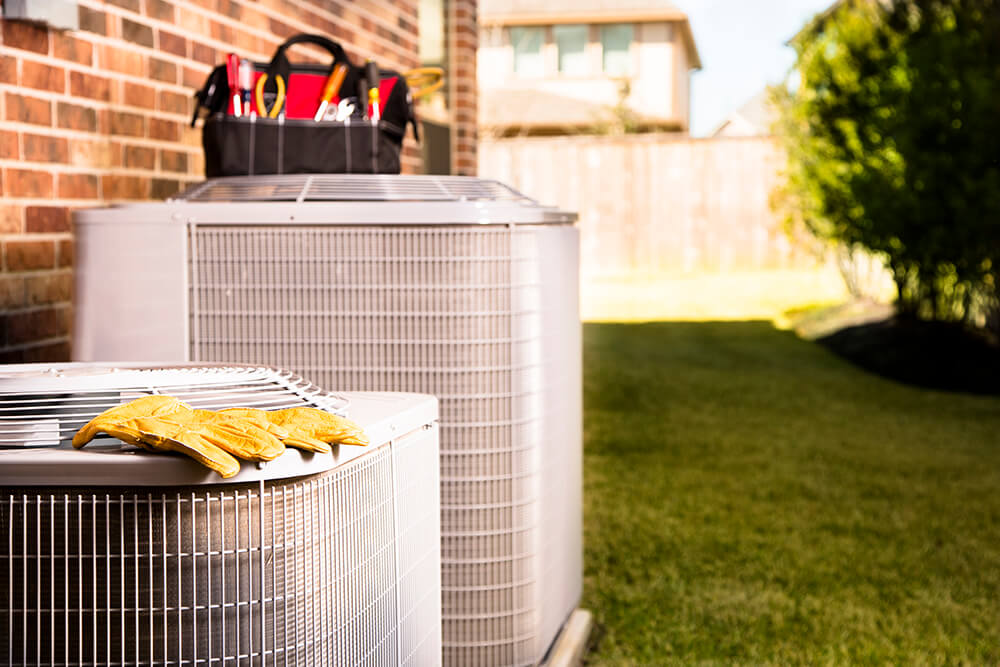
If your HVAC system is down, you may need to make an emergency call for service. Use this guide on how to hire HVAC technicians to ensure you get a true expert.

What is NATE certification and why does it matter to homeowners? Keep reading to learn why this standard for HVAC professionals matters.

Before contracting a pro to service your furnace or air conditioner, follow our tips for how to hire the right HVAC technician.
Looking for help with central air cleaner repair? Learn how to find a qualified HVAC technician, what questions to ask, and how to hire the best pro.
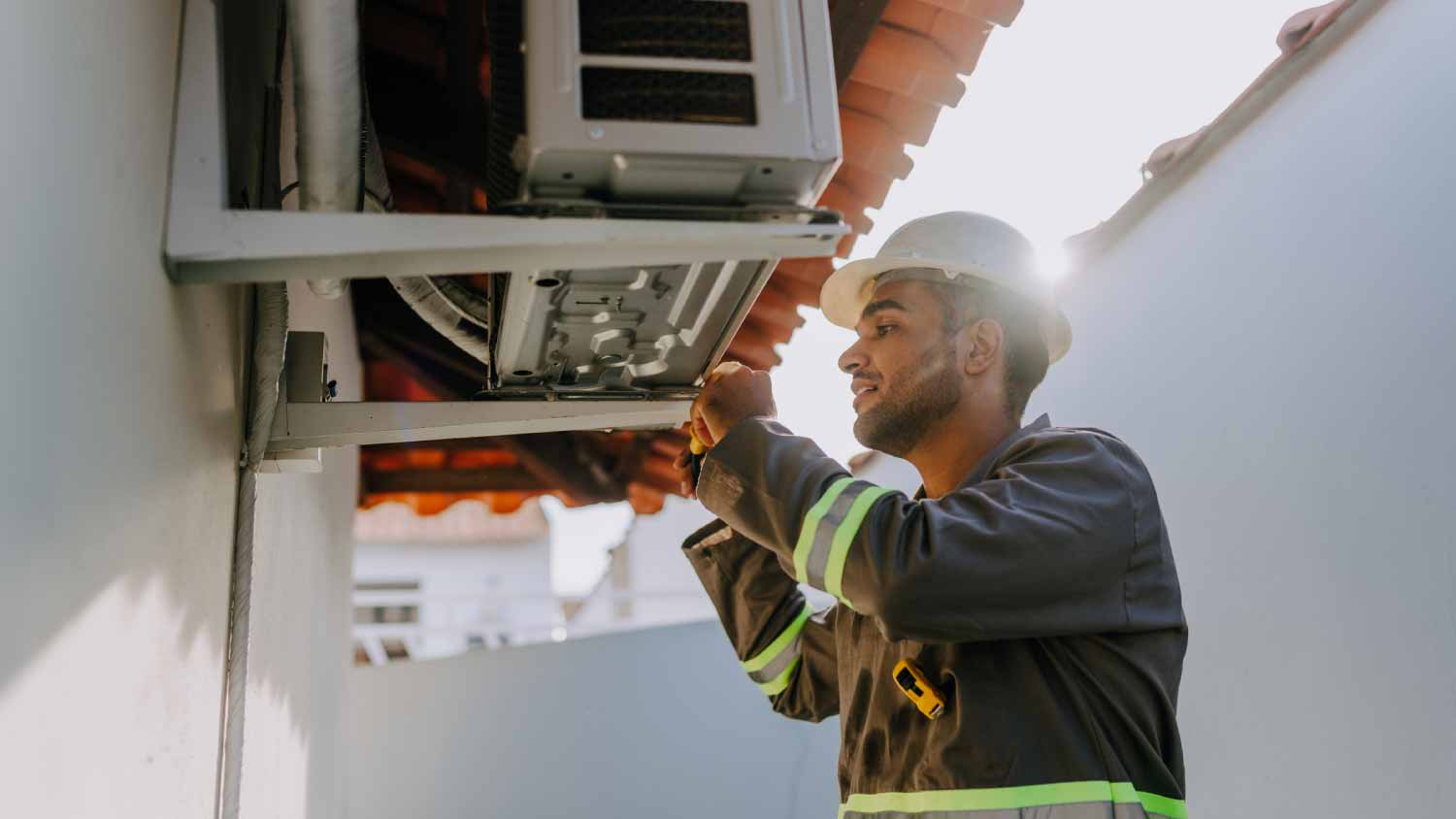
HVAC technicians can only perform basic electrical tasks related to HVAC systems. Here’s what tasks they can perform versus what an electrician can do.