
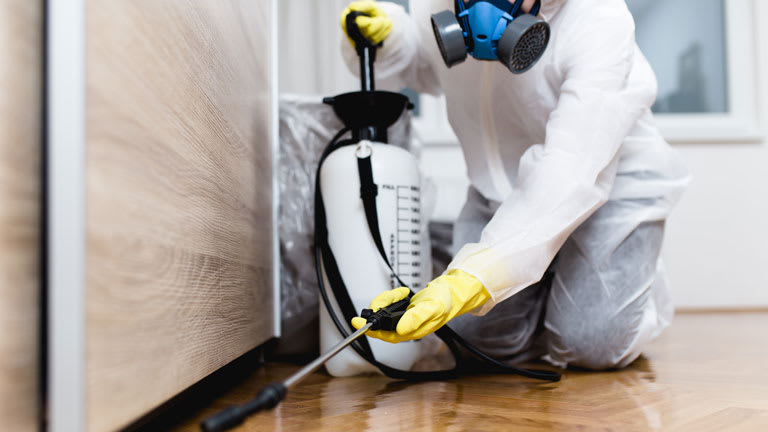
The average roach exterminator cost is between $100 and $600, depending on the species, infestation severity, and home size. Read on for a cost breakdown.
They say cockroaches can live through anything, but you’ll prove otherwise

Wasp killer spray killing a roach works because the active ingredients disrupt the nervous system, but you need contact sprays or residual sprays designed for roaches.
Professional roach extermination costs range from $100 to $300, and addressing your infestation early helps you avoid repeated treatments and higher expenses later.
You can try diatomaceous earth, baking soda, or dish soap as safer alternatives, but severe cockroach infestations need professional-grade treatments for complete elimination.
Hiring a local bug company provides reliable help with severe infestations, offering residual sprays, IGR treatments, and guaranteed repeat visits for lasting control.
There are many ways to avoid a cockroach infestation, but what if you do everything right and they arrive anyways? That’s when you may wonder how roach spray works and whether it’s the right solution for your problem. We’ve rounded up everything you need to know about cockroach pesticides before you pick up a can.

Short answer? Cockroach spray works to get rid of roaches with varying degrees of effectiveness, depending on the primary chemical agent, the spray type, and the application type. Just a note: If you’re unsure or uncomfortable about applying any of these treatments, it’s best to call in a local extermination pro who can do it safely.
When you apply cockroach spray to pesky intruders, it starts working right away. The cockroach skin and shells quickly absorb the spray, leading to a “knock out” effect. The active ingredients in the spray (primarily synthetic pyrethrins and pyrethroids) disrupt the cockroaches’ nervous systems, causing paralysis and eventually death.
Some types of roach spray even disrupt cockroach reproduction, so you can ensure the long-term removal of these pests. This is called insect growth regulators, and they can be used in conjunction with contact-kill sprays. Consult a pest control professional to determine which type of spray is best for your home and infestation.
The vast majority of bug sprays on the market are contact killers. In other words, they kill upon making contact with a roach. You see a roach. You spray a roach. That roach dies—end of story. These sprays include one or more chemicals from the pyrethroid family, such as allethrin, bioallethrin, cyfluthrin, and others. Contact kill sprays are easy-to-find, inexpensive, and simple to use.
How well do they work? While highly effective at killing a roach on sight, most roaches hide in cracks, behind walls, and other hard-to-reach locations. Plus, some cockroaches can fly and jump away easily. You won’t see those roaches, and so you won’t kill them. This type of roach killer is best used in combination with residual sprays or IGR sprays.

Residual sprays and dusts infect the roach as these bugs crawl over the post-application residue, slowly poisoning them over time. They work for a while after the application, though how long varies depending on the active ingredients, where the spray settles, and the condition of the surface. Wet surfaces, for instance, cut down on the efficacy length. In most cases, a single application lasts two to four weeks.
How well do they work? Residual sprays are highly effective for adult roaches, though you won’t see any of the macabre action first-hand. The roaches pick up the spray at night as they crawl around looking for food and water and then carry it back to their den. However, these formulations are not particularly effective for juvenile roaches or eggs. In other words, you’ll need multiple applications for severe infestations.
IGR (Insect Growth Regulator) sprays don’t actually kill roaches. Instead, the spray disrupts pest development at the juvenile or reproductive level. Most IGRs boast pyriproxyfen as the active ingredient, which induces deformation of the reproductive system during the growth phase of nymphs.
How well do they work? These are the gold standard for eliminating severe infestations, as they stop reproduction. Pairing a high-grade IGR with a residual spray is a great option for nearly every outbreak. The residual spray kills the adults, and the IGR spray handles the juveniles, rendering them unable to reproduce.
Total-release pesticide foggers, also known as bug bombs, require little effort or knowledge to use. Just place them in the center of the room and set them off. Of note, foggers are sometimes just repellants and not contact killers or even residual killers. Repellants make the area unpalatable for the fiendish bugs, but do not kill.
How well do they work? Sure, they are easy to use, but are they effective? Not really, as they simply jettison chemicals upwards without any precise targeting. Roaches hide in cracks and crevices, so the fogger often misses the mark as the pesticide does not penetrate the hidden locations roaches congregate. They are great for bold roaches that hang out in the open, but not much else.
Safety depends on the primary chemicals and just how much spray you administer. However, these sprays kill with maximum efficacy, meaning they are often toxic. Contact killers, especially, are toxic to both humans and animals, with side effects including congestion, difficulty breathing, extensive coughing, and worsening asthma symptoms.
Wear protective clothing when applying these chemicals and clean any area you sprayed with a contact killer as soon as you finish, including drain systems. You can’t do this with residual sprays, so practice a “less is more” approach to maximize safety.
If you have children or pets in the house, be sure to monitor them and keep them away from any chemicals. You should also be sure to read any instructions thoroughly before applying any cockroach treatments.

If the idea of handling intense chemicals gives you pause, there are gentler solutions for cockroach infestations. Remember, if you have a severe infestation, it’s best to call in a pro, but these may help in the meantime or as a way to prevent roaches.
Diatomaceous earth (DE) is the natural residual killer, being made from the fossilized remains of aquatic algae. You apply this stuff as a dust, and when the roaches walk over it, it dries out their exoskeletons, eventually killing them. The best part here is that diatomaceous earth is harmless to both humans and animals.
Regular dish soap is an effective contact killer without any adverse health effects. For residual work, combine boric acid and granulated sugar. Leave this mixture in various nooks and crannies to kill roaches, but don’t overdo it, as boric acid is dangerous for kids and pets. As for baking soda, leave a plate out where you see roaches. They eat it, and, well, it kills them. This stuff is another effective residual killer without the risks associated with boric acid.
Roaches really hate a whole bunch of common pantry staples, including citrus, bay leaves, cucumbers, garlic, and even catnip. These won’t kill roaches, but many believe the aromas they produce act as fantastic repellants.
Roaches also hate cleanliness. Vacuum your living spaces regularly and make sure your faucets are dry and free from leaks. You should also seal off any obvious cracks and crevices. Performing these steps eliminates the three things roaches need to survive—food, water, and shelter.
Repellent sprays keep roaches from entering or hanging out in certain areas—like kitchens, bathrooms, or entry points. These sprays don’t kill roaches, but they create a scent or chemical barrier that they avoid. Some use natural ingredients like peppermint or eucalyptus oil, while others contain chemical repellents.
While repellant sprays keep roaches away from clean zones, they are not ideal for getting rid of an infestation, since they can drive them deeper into harder-to-reach areas.
No matter which solution you try, it’s wise to call in a local cockroach control company. These pros won’t bat an eyelash at even the most severe infestations, and many offer guarantees of some kind with repeat visits. A professional roach extermination treatment costs between $100 and $300. Even if you try a DIY solution, they can come in and make sure you’ve gotten every last roach.
While there are many DIY treatments available, cockroaches are very often treated by professionals. They are the most common insect that exterminators deal with, accounting for over 42% of pest control visits. Other common bugs seen by these pros are ants and stinging insects like bees and wasps.
A reliable team for moves across state. My switch to a new place needed careful lifting through tight hallways. The movers checked the doorway first, then carried heavier pieces with slow, controlled movements. Their patience helped prevent damage, and I?d choose them again.
This company does it right. Firstly, I want to say that Landan was a joy to work with. He was so kind, transparent, and had everything under control. His entire team showed up ready to work and they were all very respectful of the fact that we were in an office space. A little backstory – we...
 Krumlauf Floors
I had FabClean 614 clean my apartment, and she did an outstanding job. She was so professional and efficient. My apartment looks absolutely spotless every surface, every corner, all cleaned to perfection. Definitely highly recommend FabClean 614 if you're looking for top-notch cleaning...
 Fab Clean 614
Raven and crew does absolutely fantastic job. They are very professional if any concerns were to occur with any of her work she always took responsibility and finished out with a great job. I have worked with her business for a year and have always been satisfied. Very trusted business and...
 Creations of Transformation LLC
I would recommend this company to anyone! He showed up on time, was friendly, completed a very difficult repair on our dryer vent cover, was responsive, and pricing was extremely fair and competitive. I would have him back to do any of our repairs or cleanings without hesitation!
 U.S.A. Dryer Vent, LLC
Best cleaning I've had at my property
Ace Fireplace Services' chimney sweep service is truly exceptional. They used advanced technology to ensure a thorough cleaning process, and my chimney has never looked better. I highly recommend their services.
 Ace Fireplace Services
This company went above and beyond with their work, chimney sweeps are usually pretty messy, but the clean up was spot on.!! Josh explained every thing that he was doing, and the things that he was checking to make sure the chimney was safe for me and my family. He was very professional,...
 Supreme brick & chimney
Good workers and they do a good job.
 Mira Construction
Mary Cleaning Service is fantastic! The entire team is professional and pay a great deal of attention to detail. They do such a thorough job of cleaning my house. I would definitely recommend!
From average costs to expert advice, get all the answers you need to get your job done.
The average roach exterminator cost is between $100 and $600, depending on the species, infestation severity, and home size. Read on for a cost breakdown.
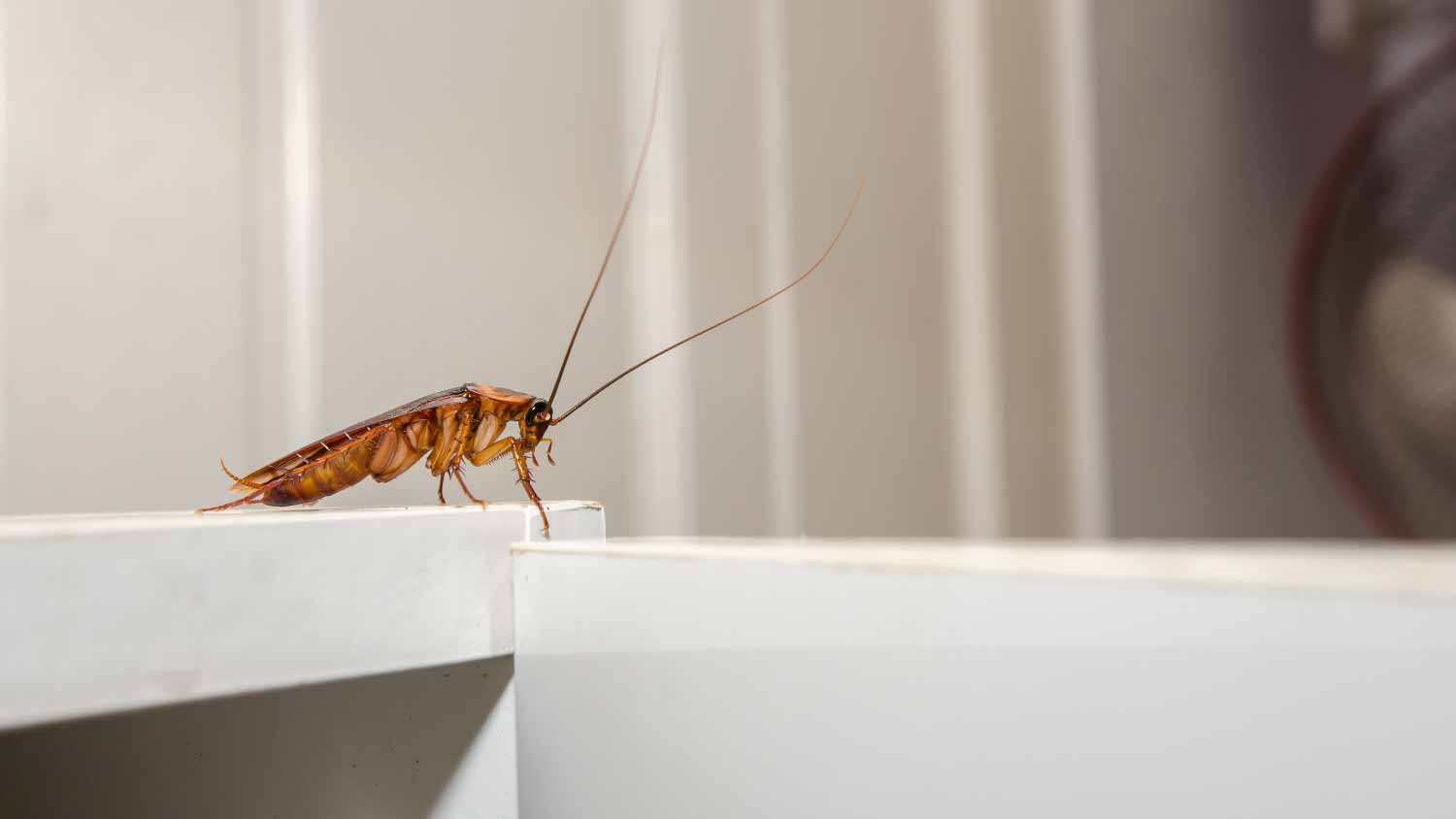
Learn what kills cockroaches instantly in our guide: X methods for immediate roach removal. Read about the potential applications, pros, and cons of each option.

Many popular cockroach treatments are harmful or annoying for pets. We’ve collected the alternatives that get rid of roaches without the same dangers.
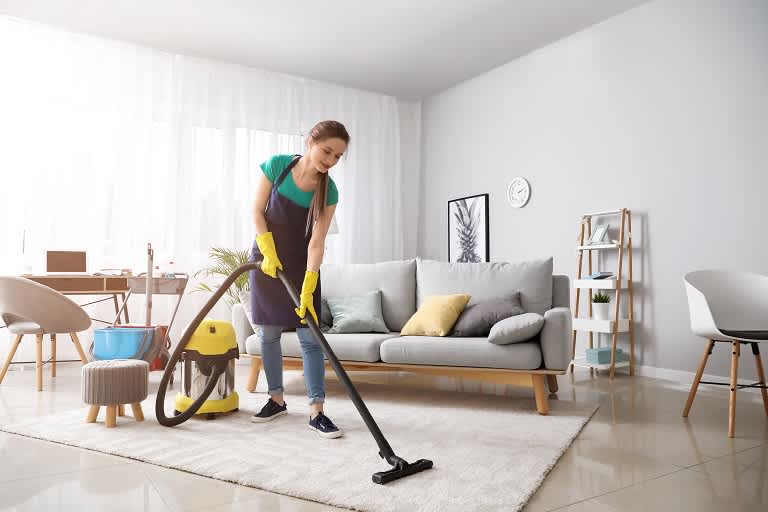
Some people swear by gentler ways to get rid of roaches that don’t involve spraying. From removing their food source to casting diatomaceous earth around, read on to learn about which of these are effective at keeping pests away.
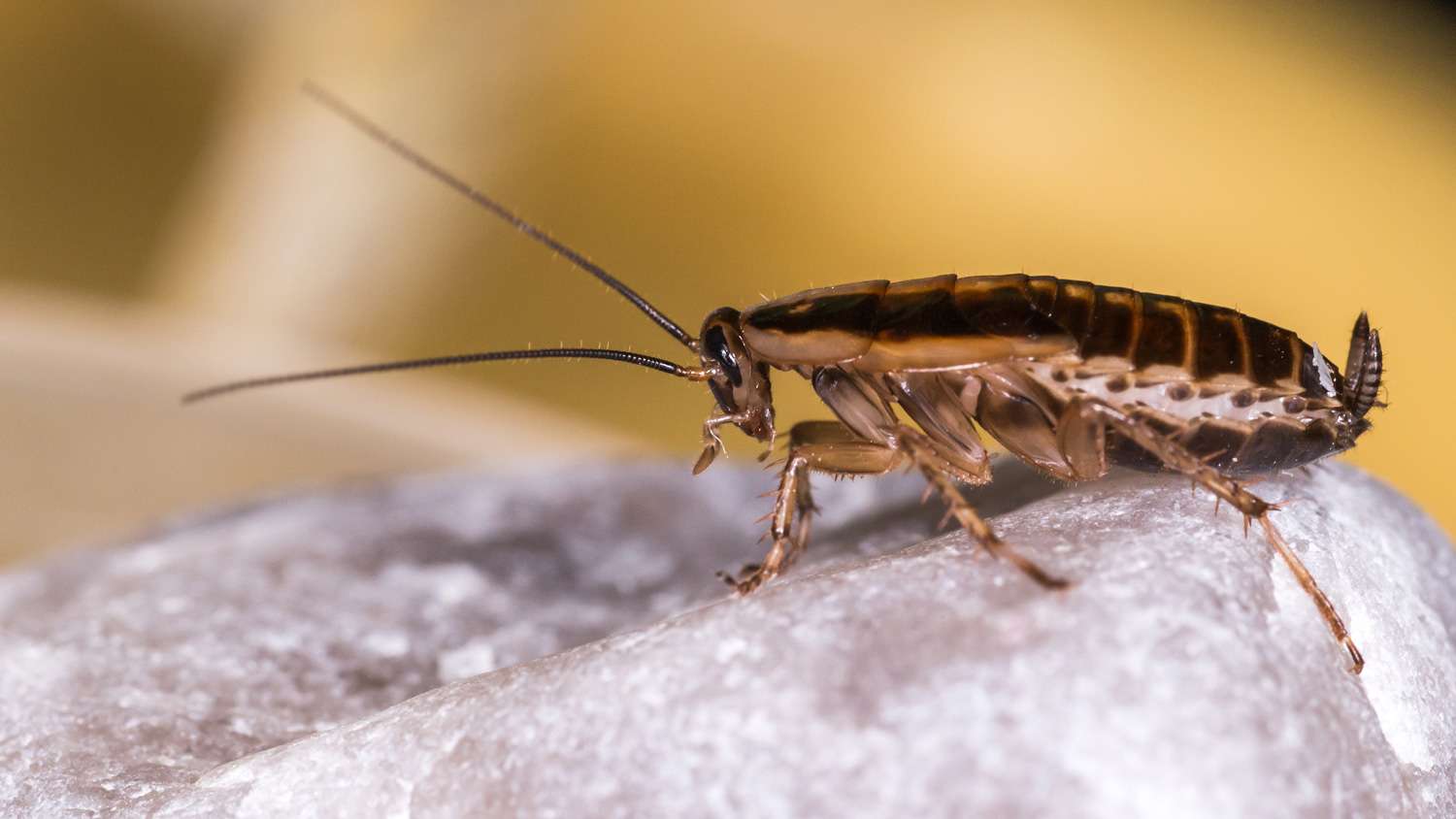
Cockroaches are omnivores, so no food source is off-limits for an infestation. Read on to learn more about cockroach diets.
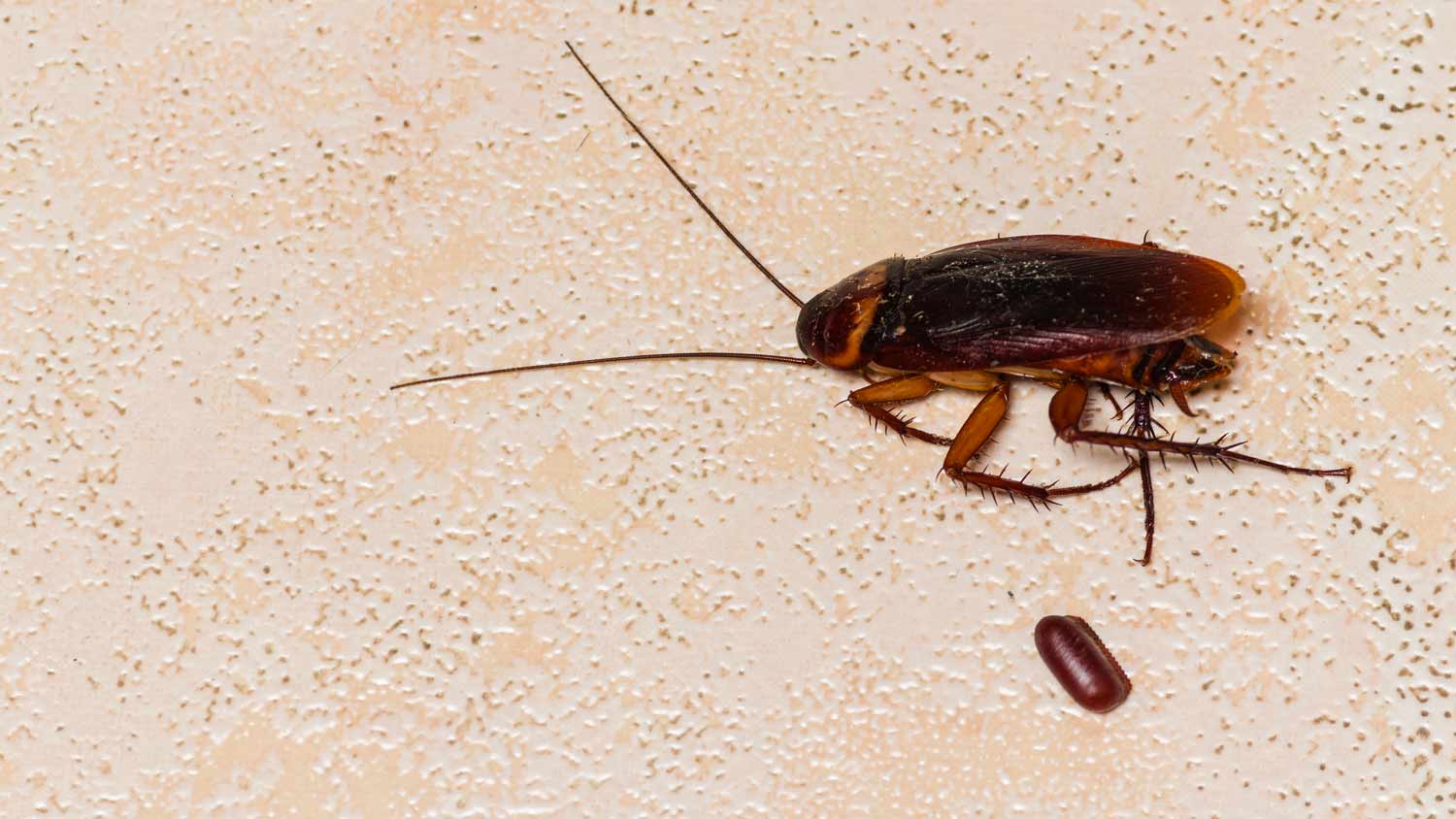
Seeing a cockroach egg could be a sign of a pesky pest infestation. Learn what cockroach eggs look like before you hire an exterminator.