
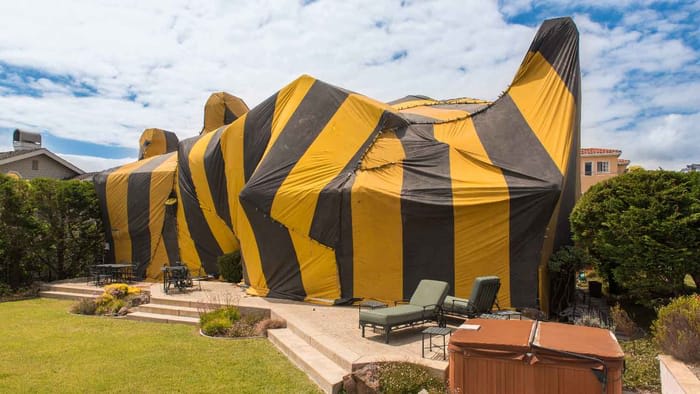
Tenting is a costly but effective way to exterminate termites. Learn the average termite tenting cost and everything that will factor into your budget.
Pest control costs depend on your project and location. Check with a local pro for your specific job.

Professional termite treatment costs $75 to $1,750 for your home, based on infestation size and treatment method.
Your home size, infestation level, and needed follow-up visits drive labor time, materials used, and your final total.
Budget for your termite damage repairs, like wood or drywall replacement, which run $250 to $6,000.
Hiring a local termite control professional keeps your household safe by handling specialized equipment and dangerous chemicals correctly.
In 2026, the national average cost for termite treatment is $621, based on data from 7,800 verified projects reported by Angi Pros. Most homeowners pay between $263 and $1,033, with the range driven by treatment type, the size of the affected area, and the severity of the infestation. If you're dealing with extensive damage requiring wood or drywall replacement, budget an additional $250 to $6,000 for repairs.
The cost of treating your home for termites depends on several factors that shape the scope and extent of the solution required. The most influential variables are the size of your home, the number of treatments needed, the type of treatment, and the level of infestation. Larger homes and more severe infestations consistently push costs higher, while targeted single-treatment applications keep expenses lower. Here is a breakdown of each cost factor:
A one-time termite treatment runs between $200 to $1,000. Ongoing treatment plans offer more consistent protection, with annual plans running $200 to $400, quarterly plans running $200 to $600, and monthly plans running $650 to $900.
The number of treatments your home requires directly affects your total cost, and that number is largely determined by the severity of the infestation.
Here is how costs compare across treatment frequencies:
| Number of Treatments | Average Cost in 2026 |
|---|---|
| One-Time | $200–$1,000 |
| Annually | $200–$400 |
| Monthly | $650–$900 |
| Quarterly | $200–$600 |
Small colonies are far less expensive ($250 to $1,200) to eliminate than mature ones, which can number in the thousands of termites ($1,200 to $3,000). The level of infestation in your home is one of the most significant factors shaping your termite treatment cost. If you notice signs of a termite infestation—such as mud tunnels, holes in wood, or buckling floors and walls—call a professional pest control company immediately.
A pro can assess the severity and recommend the most effective treatment for your specific situation:
| Level of Infestation | Average Cost Range in 2026 |
|---|---|
| Small | $250–$1,200 |
| Medium | $400–$1,500 |
| Large | $1,200–$3,000 |
Whole-home tenting and treatment can cost $2,500 or more, or around $5 to $20 per linear foot, while smaller one-time applications range from $200 to $1,000 depending on location, damage severity, and infestation size. Larger homes cost more to treat, particularly those with multiple floors, attics, and basements that all require attention.
Here is how treatment costs scale by home size:
| Home Size in Square Feet | Average Cost in 2026 |
|---|---|
| 1,000 | $3,000–$20,000 |
| 1,500 | $4,500–$30,000 |
| 2,000 | $6,000–$40,000 |
| 2,500 | $7,500–$50,000 |
| 3,000 | $9,000–$60,000 |
| 3,500 | $10,500–$70,000 |
| 4,000 | $12,000–$80,000 |
Expect to spend between $3 and $20 per linear foot for different types of termite treatment. A professional exterminator can recommend the type of treatment most effective for your specific infestation, since some methods work better on certain termite species than others. The seriousness of your infestation also plays a role in determining which approach is appropriate.
Here are the different treatment types and associated costs:
| Treatment Type | Description | Average Cost in 2026 (Per Linear Foot) |
|---|---|---|
| Chemical termiticide | A chemical pesticide agent that specifically targets termites | $3–$16 |
| Termite bait | Application of termite bait | $8–$12 |
| Termite tenting (fumigation) | A tenting and fumigation method | $5–$20 |
| Total Termite tenting (heat) | A tenting and high heat method | $10 |

Chemical termiticide treatment is one of the most common termite extermination methods, costing an average of $3 to $16 per linear foot. It works best when the termite colony has not yet directly infiltrated the structure of your home. This method allows for a more targeted application, which means less disruption to your household during treatment.
Professional exterminators use a variety of chemical termiticides alone or in combination. They first drill small holes around your home's exterior or into its foundation, then pour the termiticide into the hole.
Termite bait systems cost between $8 and $12 per linear foot, plus the cost of additional bait if needed after the initial application. This method is less targeted than chemical termiticide treatment, which means it may require additional visits to achieve full effectiveness. Routine follow-up visits to monitor the bait's efficacy are also typically part of the ongoing cost.
Tenting is the most extensive—and most expensive—termite treatment method, with costs running $1,200 to $2,500 or more as a flat rate, or around $5 to $20 per linear foot depending on the size of your home. Pros recommend this approach when the infestation is pervasive, using either a gas fumigation method or a heat-based method that raises interior temperatures to around 120 degrees Fahrenheit. The process begins with erecting a tent around the entire home before treatment is applied.
Where you live has a meaningful impact on what you pay for termite treatment, with costs varying widely from region to region and between rural and urban areas. Metropolitan markets typically carry higher labor and overhead costs, which pushes treatment prices up compared to rural locations.
Here is how average termite treatment costs compare across select cities:
| City | Average Cost in 2026 |
|---|---|
| Chicago | $150 |
| Boston | $505 |
| Seattle | $220 |
| Tucson | $600 |
| Atlanta | $480 |
| Lincoln, NE | $370 |
| Salt Lake City | $320 |
Beyond the cost of treatment itself, you should also budget for termite inspection costs, damage repair costs, and the impact of your location, since metropolitan areas typically charge higher rates than rural areas. These additional expenses can add up quickly, especially if the infestation has caused structural damage. Understanding the full scope of potential costs helps you plan more accurately before work begins.
A one-time termite inspection cost is usually free when you pay for a treatment plan, and pest control professionals typically waive annual or biannual inspection fees during active treatment. A termite inspection involves a professional searching for swarmers, mud tubes, wood damage, droppings, visible termites, and noises throughout your home's attic, basement, crawl space, exposed wood areas, baseboards, and interior and exterior walls.
If you want to address all pest issues at once, an inspection bundle is worth considering—your average pest control cost for a bundle runs between $200 to $600.
Termite damage repair costs range from $600 to $3,000, depending on the type and extent of damage, and severe structural repairs—such as replacing load-bearing beams or walls—can reach up to $6,000. Even after eradicating the infestation, you may still need to address what the termites left behind.
Commonly required repairs from a termite infestation and their average costs include:
Replace a few damaged wood boards or joints: $250–$1,000
Repair damaged drywall: $300–$900
Replace damaged walls, flooring, or framing: $1,000–$3,000
Moisture removal or water damage repairs: $1,350–$6,200

The type of termite infesting your property can also influence your treatment cost, with costs ranging from $225 to $2,500, since different species require different methods and materials. Some termite types are more difficult to eliminate than others, which affects both the complexity and the price of treatment.
Here is how costs compare across the most common termite species:
| Type of Termites | Average Cost to Remove in 2026 | Description |
|---|---|---|
| Dampwood | $250–$2,500 | Requires treatment with borate and termiticide |
| Drywood | $225–$2,500 | Requires treatment with baits and chemical termiticides |
| Subterranean | $225–$900 | Requires treatment with baits and chemical termiticides |
| Formosan | $250–$1,500 | Requires treatment with baits and chemical termiticides |

Hiring a local termite control specialist costs an average of $600, and given that extermination requires specialized equipment and dangerous chemicals, this is a job best left to a professional—especially for extensive infestations. Pros have access to a wider range of treatment options than homeowners can safely handle on their own. For large or complex infestations, attempting a DIY approach often leads to incomplete treatment and a recurring problem.
When you discover a termite problem, here's why you should hire a professional:
Termite control pros have access to a wider range of treatment options, including dangerous chemicals homeowners shouldn't handle, such as liquid termiticide, liquid nitrogen, and fumigation.
Professional contractors know how to properly use these treatment methods and ensure that your home is safe for pets and children after treatment.
Large infestations are often too complex for homeowners to tackle on their own; if you don't do a thorough job, you can expect the infestation to continue.
If your home shows signs of termite damage when you're trying to sell it, it's helpful to provide proof to buyers that you had professional treatment to eliminate the problem.
Termite control pros can point to termite damage throughout your home and recommend the next steps to address it.
In some scenarios, you can try to manage termite infestations on your own, like if:
The infestation is small and limited to one area of your home.
You have access to all the protective equipment needed to administer treatment, including protective goggles, gloves, and a dust mask.
You have prior experience and know how to get rid of termites.
Although most termite treatments should be handled by a professional, there are ways you can save money while protecting your home. Here are a few ways to make termite treatment cost-effective:
Use DIY treatments for small, minor infestations.
Request that your pest control pro uses liquid termiticides—these typically cost less than other treatment methods.
Purchase a termite inspection plan for an exterminator to come and check your termite bait and traps. These run between $25 and $50 for a monthly or bi-annual plan.
Get multiple bids from at least 3 pest control companies in your area to ensure you're getting the best value.
Termite elimination and protection is most effective when it takes place as soon as possible following the first signs of a termite infestation. Look for any of the following signs of termites:
Dead termites
Termite wings or eggs
Termite frass (droppings), which may resemble ground-up coffee
Signs of damage in the wood of furniture or your house itself (mud tubes)
Discolored drywall and peeling paint
Buckling floorboards or tiles
Crumbling or rotting wood
Termites can cause major damage to your home and the structures on your property, so it's important to take the proper steps to prevent them. Here are the best tips to help prevent termites around your home:
Eliminate moisture sources around your home, such as leaks and standing water.
Don't store firewood directly against your house, as that can provide an easy entry point for termites.
Remove any dead trees or stumps near your home.
Seal any gaps around your home's foundation, windows, and doors.
If you're building a new structure or doing renovations, use termite-resistant materials like treated wood, yellow cedar, redwood, and cypress.
Install screens on your doors and windows to help prevent termites from getting in.
Schedule regular termite inspections with a pest control professional to catch infestations early on.
Termite treatment starts with an inspection, which makes up 64.5% of exterminator visits. One-time pest control visits are common, while recurring services to protect your home against termites account for less than 12%.
Ask the pro how long the treatment will take and how many days you’ll need to be out of your home so you can arrange accommodation.
Ask what preparations you’ll need to make, such as moving furniture off the walls and relocating house plants.
Discuss what damage they saw during their termite inspection and what solutions they recommend. The termite control specialist may be able to refer you to specific contractors as needed.
Home is the most important place on earth, which is why Angi has helped more than 150 million homeowners transform their houses into homes they adore. To help homeowners with their next project, Angi provides readers with the most accurate cost data and upholds strict editorial standards. We’ve surveyed thousands of real Angi customers about their project costs to develop the pricing data you see, so you can make the best decisions for you and your home. We pair this data with research from reputable sources, including the U.S. Bureau of Labor Statistics, academic journals, market studies, and interviews with industry experts—all to ensure our prices reflect real-world projects.
Want to help us improve our cost data? Send us a recent project quote to [email protected]. Quotes and personal information will not be shared publicly.
A reliable team for moves across state. My switch to a new place needed careful lifting through tight hallways. The movers checked the doorway first, then carried heavier pieces with slow, controlled movements. Their patience helped prevent damage, and I?d choose them again.
This company does it right. Firstly, I want to say that Landan was a joy to work with. He was so kind, transparent, and had everything under control. His entire team showed up ready to work and they were all very respectful of the fact that we were in an office space. A little backstory – we...
 Krumlauf Floors
I had FabClean 614 clean my apartment, and she did an outstanding job. She was so professional and efficient. My apartment looks absolutely spotless every surface, every corner, all cleaned to perfection. Definitely highly recommend FabClean 614 if you're looking for top-notch cleaning...
 Fab Clean 614
Raven and crew does absolutely fantastic job. They are very professional if any concerns were to occur with any of her work she always took responsibility and finished out with a great job. I have worked with her business for a year and have always been satisfied. Very trusted business and...
 Creations of Transformation LLC
I would recommend this company to anyone! He showed up on time, was friendly, completed a very difficult repair on our dryer vent cover, was responsive, and pricing was extremely fair and competitive. I would have him back to do any of our repairs or cleanings without hesitation!
 U.S.A. Dryer Vent, LLC
Best cleaning I've had at my property
Ace Fireplace Services' chimney sweep service is truly exceptional. They used advanced technology to ensure a thorough cleaning process, and my chimney has never looked better. I highly recommend their services.
 Ace Fireplace Services
This company went above and beyond with their work, chimney sweeps are usually pretty messy, but the clean up was spot on.!! Josh explained every thing that he was doing, and the things that he was checking to make sure the chimney was safe for me and my family. He was very professional,...
 Supreme brick & chimney
Good workers and they do a good job.
 Mira Construction
Mary Cleaning Service is fantastic! The entire team is professional and pay a great deal of attention to detail. They do such a thorough job of cleaning my house. I would definitely recommend!
From average costs to expert advice, get all the answers you need to get your job done.
Tenting is a costly but effective way to exterminate termites. Learn the average termite tenting cost and everything that will factor into your budget.
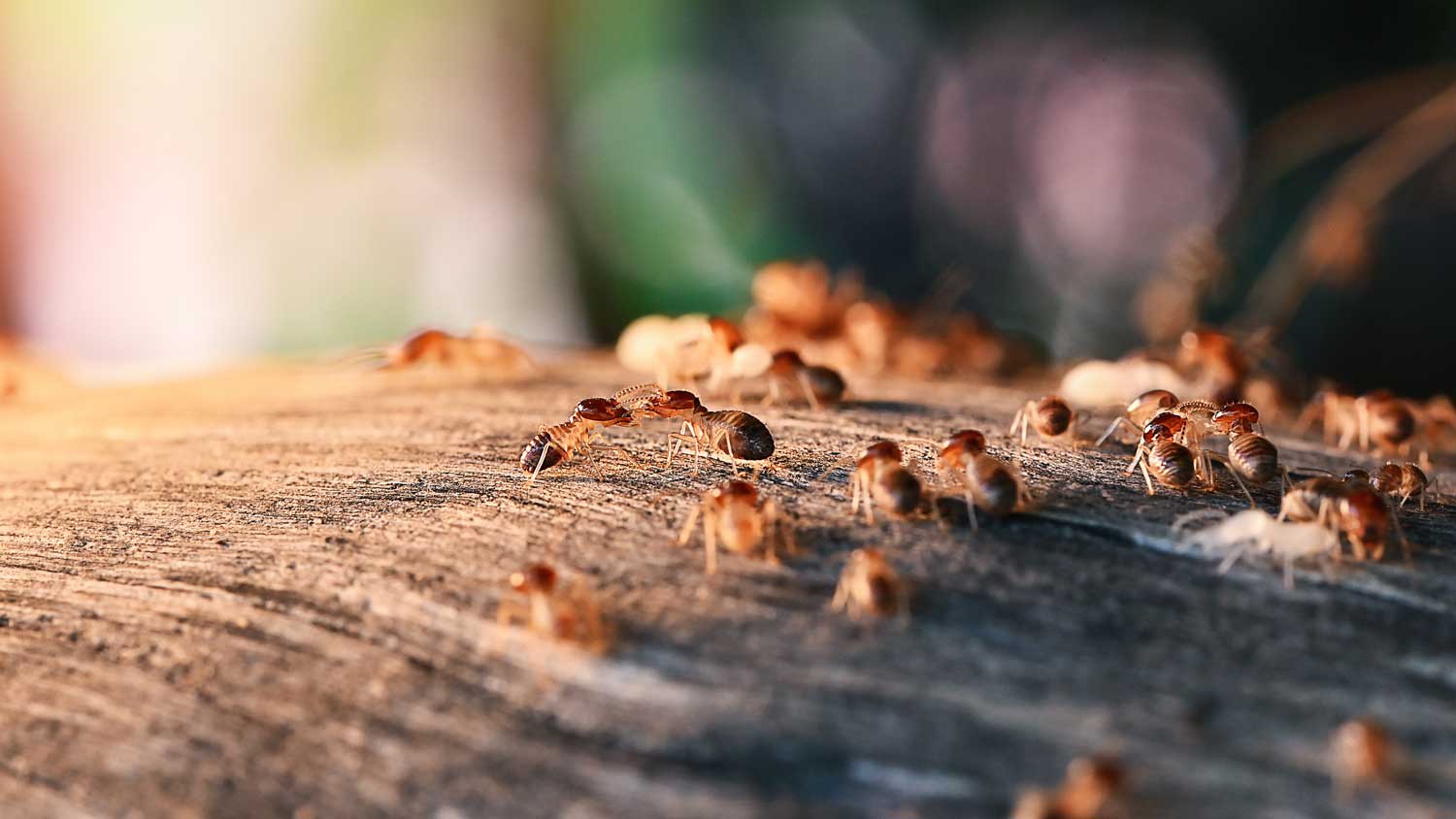
The termite inspection cost varies based on your location and reason for getting the service. Learn more about termite inspection budgeting.
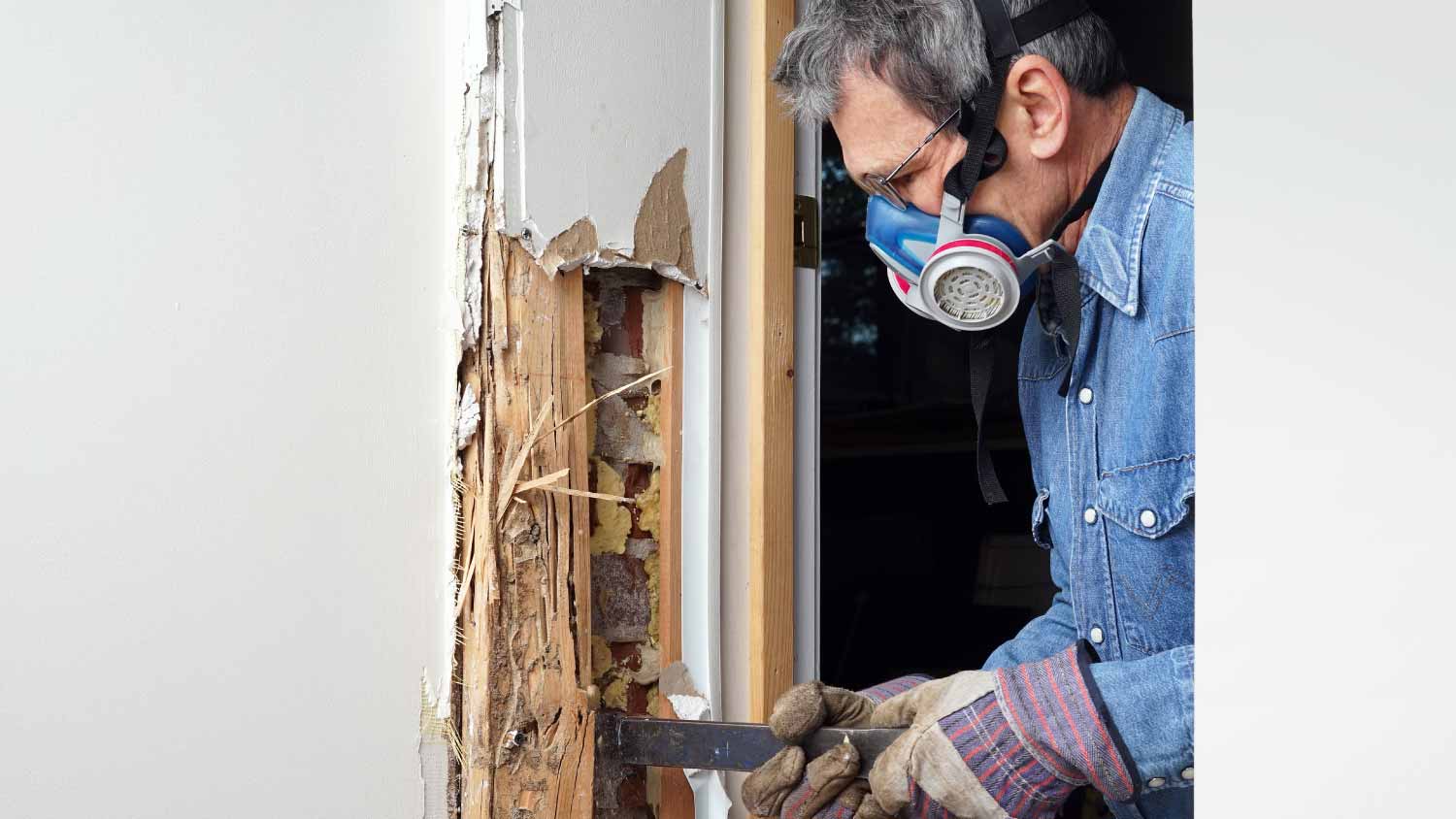
Termite damage repair costs can vary greatly based on the damage severity and location. Learn more about the associated costs of this project with our guide.
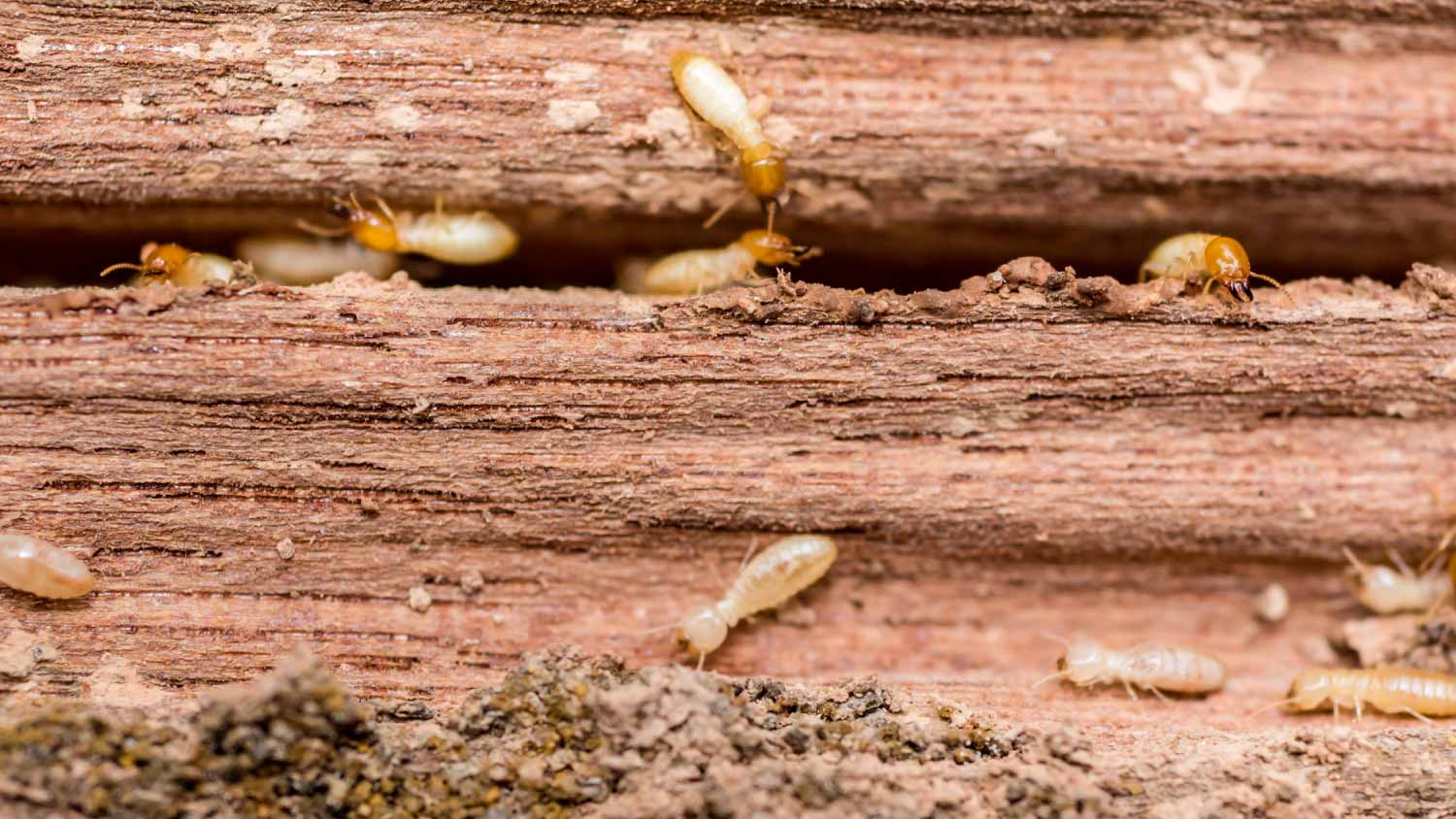
Does spot treatment work on drywood termites? These subterranean pests cause serious damage to your home, but luckily, there are several effective treatment options.

Termites can cause major structural damage to your home if left untreated. Use this guide to learn how to get rid of termites once and for all.
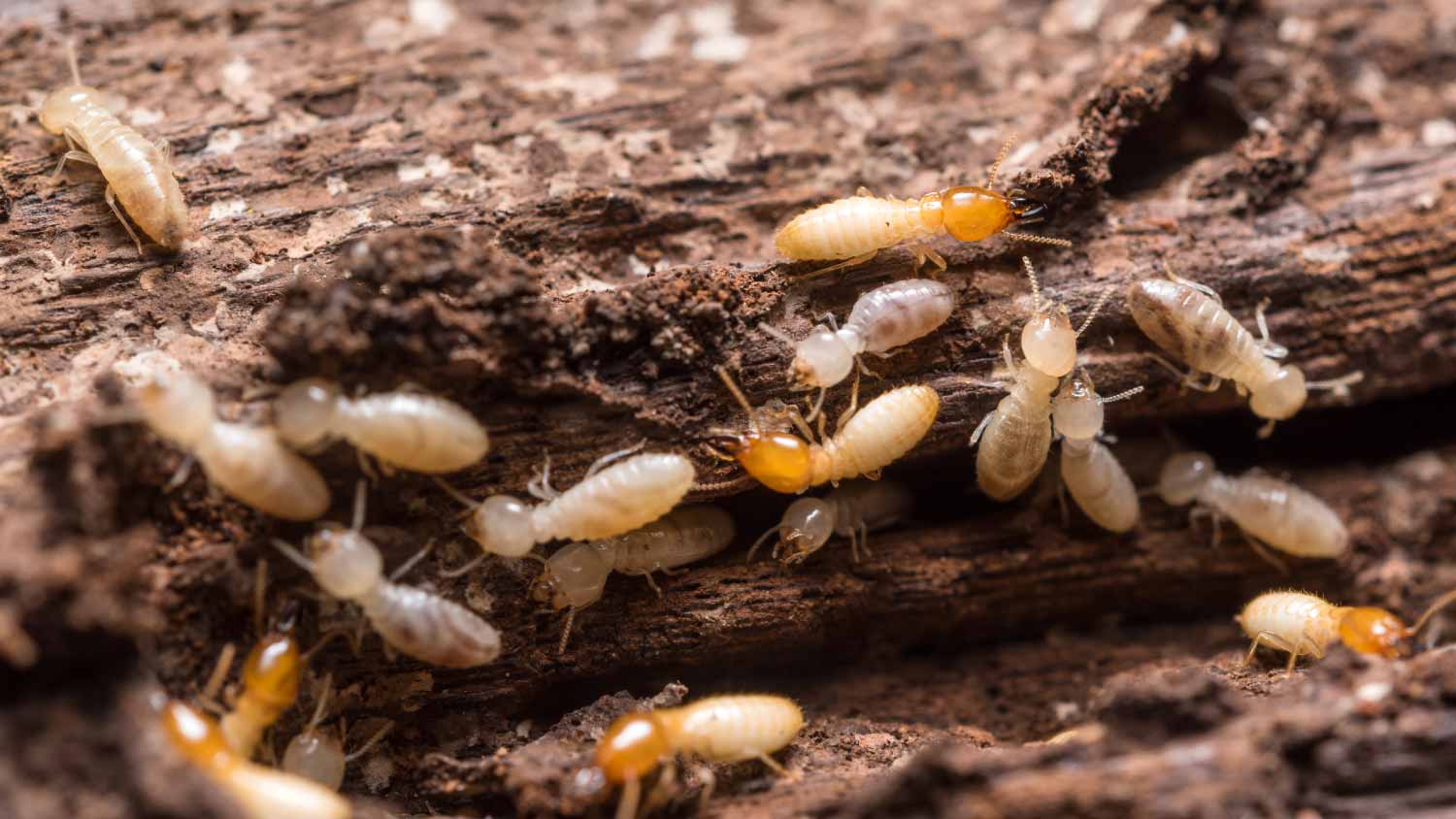
Learn the 12 signs of termites to determine if your home has a termite infestation. Identify the signs early to prevent damage and reduce extermination costs.