
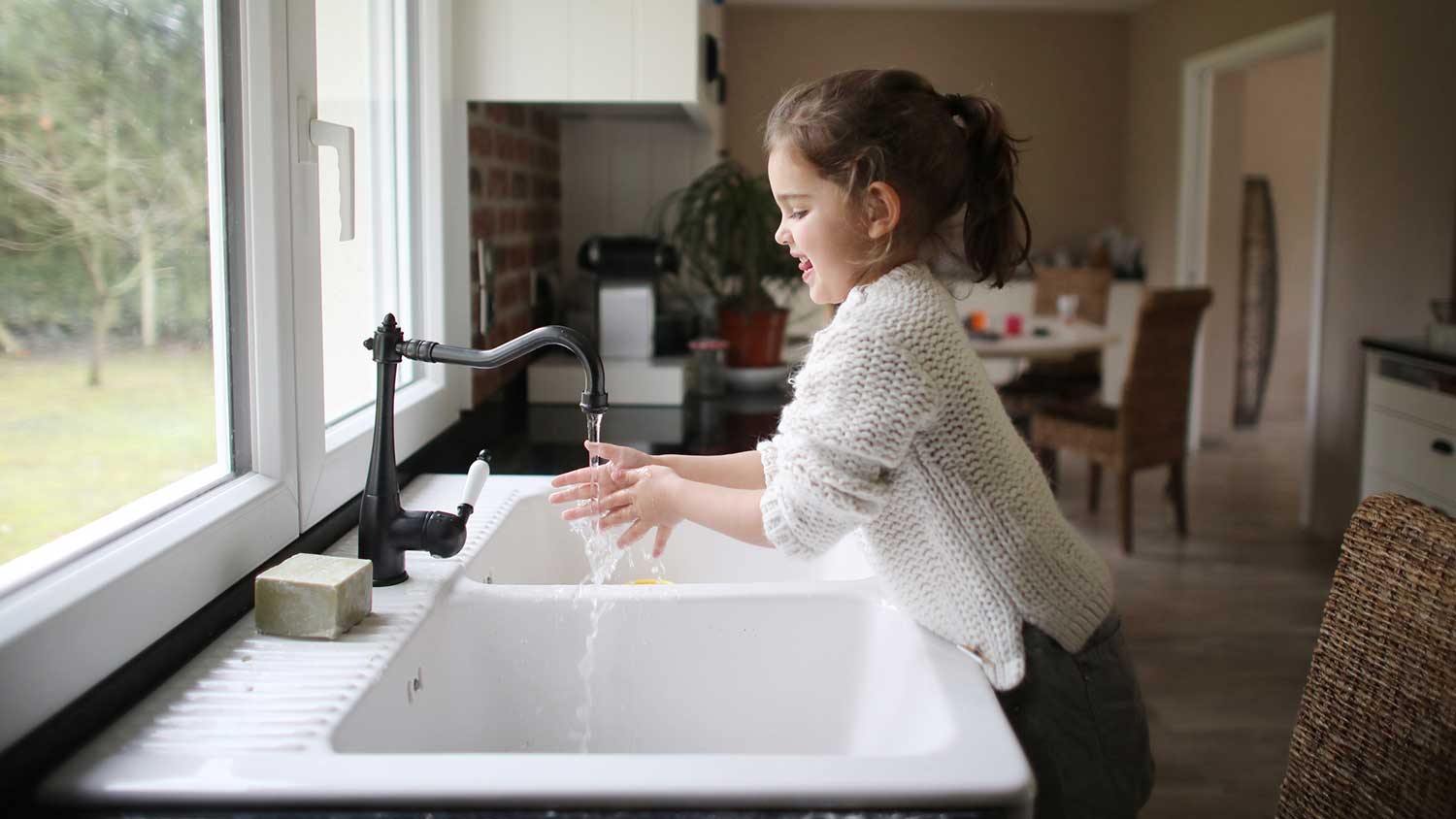
Unleash your inner plumber and learn how to unclog a double kitchen sink with standing water. Get rid of gunk and debris all on your own.
What goes down must come up, at least when you have a clog that’s totally stuck

Grease buildup from cooking oils and fats is the most common cause of kitchen sink drain clogs, so your sink stays clear when you avoid pouring grease down the drain.
Hot water combined with dish soap breaks through grease clogs in your kitchen sink drain, offering a simple way to clear blockages before they worsen.
You can remove the P trap beneath your sink to clear stubborn clogs by hand, checking both the trap and garbage disposal for trapped food debris.
Hiring a local drain cleaning professional provides reliable help when home remedies fail, handling deep pipe clogs and ensuring your kitchen sink drains properly.
A clogged kitchen sink is a real drag and makes doing the dishes impossible after a big family dinner. Luckily, there are several homebrew DIY methods for how to unclog a sink, so you don’t always need to bring in a plumber or resign yourself to living in kitchen misery. These 10 tips will show you how to break up tough clogs using common supplies you probably already have in your home.

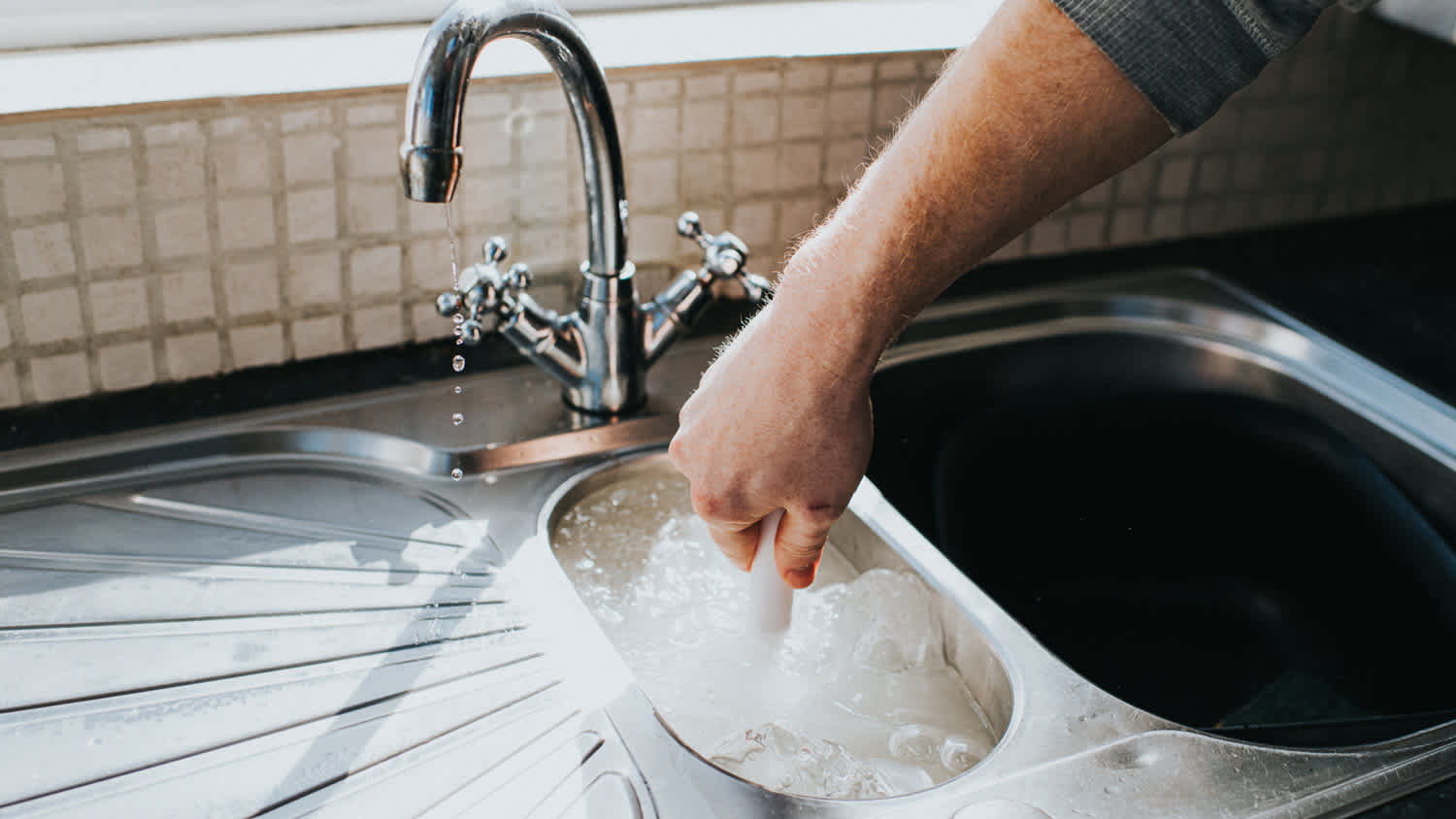
Before you begin with any of these methods, make sure you turn the tap off. You should also remove any standing water that has pooled in the sink using a wet-dry vacuum or a bucket. Remove any food or debris in the standing water before pouring it down another drain.
There are plenty of homemade solutions to clear a clogged sink, so start with the stuff you already have in your home. Baking soda and vinegar are the go-to here.
Pour 1 cup of baking soda down the drain and use a spatula or spoon to push it down.
Follow this by pouring 1 cup of white vinegar down the drain.
Place a stopper or cover on the drain to seal it and prevent backflow.
Wait for 15 to 20 minutes, remove the cover, and run hot water down the drain.
Another combination that can work well is baking soda and salt. Mix together equal parts baking soda and salt (about ½ cup each). Pour the mixture down the drain and allow it to sit for 15 minutes. Follow up with hot water.
Baking soda and vinegar didn’t work? Hot water is a surprisingly effective way to get a clogged sink moving again.
Bring about 1/2 gallon of water to boil on your stove.
Wait for the water to cool down until it’s no longer boiling, and then pour the hot water down your sink drain.
Run your faucet after a couple of minutes to see if it worked. If it's still clogged, repeat the above process.
After two tries with no success, move on to another method.
Remember: Never pour boiling water down the sink to unclog a drain since it could cause damage if you have PVC pipes in your plumbing.
One of the primary causes behind kitchen sink clogs is grease, so you should never pour grease down your kitchen sink. Luckily, your average bottle of dish soap cuts through grease like a hot knife through butter.
After removing any standing water, turn on the hot water (this method won’t work if there is no drainage at all).
Squirt a generous dollop of dish soap (about 1 cup) down the sink, and let the hot water push it through the pipes.
Let the mixture do its thing for 10 to 15 minutes, then check on your work.
Repeat if necessary, but avoid mixing liquid dish soap with chemical agents like liquid drain cleaner.
If you’re wondering how to fix a sink clog that won’t dissolve, sometimes the only way out is up. You may not have all the tools of a professional plumber, but you can certainly jury-rig a solution with a wire hanger and traditional plunger—they’re not just for plunging the toilet.
Pour some water in the sink until it pools up, and then use a standard plunger to plunge the drain opening and loosen up any gunk.
Untwist a wire coat hanger to make it as long as possible. Create a hook (the size of a paper clip) at the end by bending and twisting it into shape.
Fish the wire down the drain until you feel resistance—that’s the clog.
Push, twist, jiggle, and snag whatever is clogging up the pipe. Bring it up through the drain.
Feel free to repeat this process as many times as necessary.
Don't use a plunger if you’ve already used a chemical cleaner. The last thing you want is caustic chemicals splashing around.
In most cases, food clogs up in the garbage disposal and the sink’s trap. The trap is a small piece of piping shaped like a P, S, or J that rests beneath the sink. Check both the garbage disposal and the P trap for clogs. Give the trap a cleaning if necessary.
Run the garbage disposal for two minutes and turn on the hot water, checking to see if that eliminates the clog.
If the disposal won’t turn on, it probably overheated and automatically switched off. Restart your garbage disposal using the switch on the side or bottom of the disposal unit.
Next, go for the trap. Start by turning off the water supply to the sink and placing a bucket underneath to catch debris.
Use a standard wrench to unscrew the nuts on either side of the trap, removing the bent part.
Jiggle the pipe to loosen any gunk, and use a stiff cleaning brush to eliminate caked-on debris.
Put the trap back together, but be careful not to overtighten the nuts, as it can cause cracks in the pipe.
Run the water with the bucket in place to ensure a watertight seal, test for leaks, and turn the water back on.
Finally, you might want to consider using a chemical drain cleaner. Head to your local hardware store and pick up a purpose-made drain cleaner. Keep the pros and cons of liquid drain cleaners in mind, though. Repetitive use of these products can corrode pipes over time.
Follow the instructions on the packaging and pay special attention to any do’s and don’ts. For instance, don’t mix dish soap with a chemical drain cleaner.
Pour the indicated amount of drain cleaner down the drain and wait 15 to 20 minutes.
Repeat if necessary.
Handy homeowners can use a snake with a crank, known as a sink auger, to remedy deep clogs. You can also get a smaller drain snake without a crank, which sometimes comes in a kit with a chemical cleaner. This may be the best course of action if you’re unfamiliar with the drain snaking process.
When snaking a drain, remember never to use excessive force. If you hit a blockage that won’t clear with firm but gentle pressure, try something else to avoid damaging your pipes. The steps are as follows:
Insert the drain snake or auger cable into the drain's opening. You may have to remove the sink cap.
Push the drain snake into the pipe or turn the auger crank until your tool reaches the clog. You should feel resistance.
Keep pushing at the blockage until it starts to loosen, but don’t force it. Twist the snake or auger cable if it feels like your tool is getting stuck.
Pull up the cable or snake.
At this point, the snake or cable should have grabbed the clog in the sink and dragged it out of the drain or loosened it enough so you could flush it down the pipe with water. Run the drain for a few minutes to ensure the clog is clear.
You can also use an auger on your wall pipe if you suspect the clog is lodged very deeply inside the drain. Simply remove the P trap as described above then use the auger on the pipe that connects to the wall.
You can try using the hose on your wet-dry vacuum to dislodge tough clogs closer to the top of your drain. Set up your vacuum for wet use, then:
Put the hose on the drain's entrance, creating an airtight seal.
Plug up the second drain if you have a double-sided sink.
Run your vacuum on the highest setting.
This should pull up the clog, but if it doesn’t, try another method.
There are a number of reasons why kitchen sinks get clogged, and you won’t be able to prevent it altogether, but if you take precautionary measures, you can minimize the number of clogs you need to tackle.
The best way to prevent clogs is to avoid putting certain items down your drain. There are certain things you should never put down the garbage disposal, either. These include:
Never dispose of the following items down your kitchen sink:
Grease, fats, and oils
Meat
Coffee grounds
Eggshells
Starches, such as pasta and rice
Fruit pits
Flammable substances
Hair
Flushable cat litter
Gum
Paint
Paper products, such as paper towels or produce stickers
In addition, make sure to not overload your garbage disposal. Don’t grind more than one cup of food waste at any time. Once a month, throw some ice cubes and vinegar into your disposal to clear away any food buildup and keep the unit fresh.
Most homeowners can clear a small clog in their sink, but not every clog is easy. If all of the above tips fail to work, it’s time to call a local plumber or a trusted drain cleaning pro. If you can’t kick a clog on your own, professional drain cleaning costs $60 to $300 for most homeowners. If the clog extends to your main sewer line, you could pay as much as $800, but unclogging a kitchen sink costs less than $215.
Keep in mind that DIY jobs do have room for error. While a little vinegar and soap won’t cause any harm, some homeowners may not be comfortable removing their sink trap or using an auger. If performed incorrectly, these methods can cause further plumbing problems that require costlier solutions. It’s better to get it done right the first time.
Positive experience. As previously stated, the replacement/repair could not be completed (no fault of the plumbing tech) b/c misinformation was rec?d by property management maintenance. Thanks to the plumbing tech for your efforts. Appreciate you!
 The Waterworks
If you want to pay the most exorbitant prices possible for your job, this is the company for you. “By the job” pricing is a rip-off, at least how these people use it. Every job is plugged into a category and prices are set by category. You might have a job that takes half an hour or one that...
 Benjamin Franklin Plumbing
Cole has been handling plumbing and general contracting for our four properties over the past three years, and he’s always done a great job. Most recently, he installed a sink and countertop in our retail store where none existed before, and it turned out exactly how we needed. He’s...
 ANB Renovations LLC
Matt is a consummate professional. The work turned out to be far more difficult than expected and rather than turn the job down, Matt rose to the occasion and completed a near impossible task. I can not recommend Greene's Plumbing Service more highly. On a scale of 1-5 I would give Matt a...
 Greene's Plumbing Service
Involved an extensive bathroom remodel, including removing tub & installing walk in shower, new drywall, custome tile work to ceiling, plumbing, etc. Overall, job was done on time and on budget. Nick & his team were very professional and had high attention to detail. Quality was great. Highly...
 Stamos Flooring and Remodeling LLC
Awesome company. Had a jacuzzi tub taken out and replaced with huge walk in shower with partial glass enclosure. Onyx to the ceiling with a decorative border, moved plumbing and installed hand held shower, new ceiling, flooring, and paint. Replaced window with glass block. Everything was done...
 Columbus Bath Design
The initial quoted price from a walk-through seemed high, but we discussed that the quote represented worst case scenario (re-wiring to two floors) and we were excited about the opportunity to have the work done in a timely manner with closing for fire safety reasons, etc. When the job was...
Initially, I called the Service People to have a leaking garbage disposal replaced. I had purchased a special deal through Angie's List: $79 for $200-worth of plumbing services. <br /> When I went to schedule the work, the earliest date I could get through Angie's List was after the upcoming...
This company did a very good job on the brick wall and it looks just amazing. The staff was always professional and was practically OCD on how the bricks were stacked and how they were laid. Although it took longer than expected, I am willing to sacrifice time over perfection anyday. The...
 My Handy Mate LLC Improvement & Remodeling
<p>I am so glad we called Rotor-Rooter. I was hesitant to call them because we usually prefer to give business to local providers. But when we had sewage back up in our basement on a Saturday evening, I had a hard time getting a hold of someone, not to mention the high weekend/evening rate...
 Roto-Rooter Plumbing & Water Cleanup
From average costs to expert advice, get all the answers you need to get your job done.
Unleash your inner plumber and learn how to unclog a double kitchen sink with standing water. Get rid of gunk and debris all on your own.
Follow this guide to learn how to install a kitchen sink drain, from shutting off the water supply to lowering the drain outlet and connecting the P-trap.
Don’t let a bathroom sink stop up your routine. Find out how to unclog a bathroom sink fast using tools you probably already have on hand.
What are the different kitchen sink styles and materials? Learn what options you have when choosing a new fixture for your home, from top-mount to farmhouse and much more.

Dealing with slow-draining sinks or a full toilet clog? Use this DIY guide on how to clear clogged drains to get your drain working again in no time at all.
Baking soda and vinegar are like two peas in a pod when it comes to clogs. Keep reading to learn how to unclog a sink with baking soda and vinegar.