
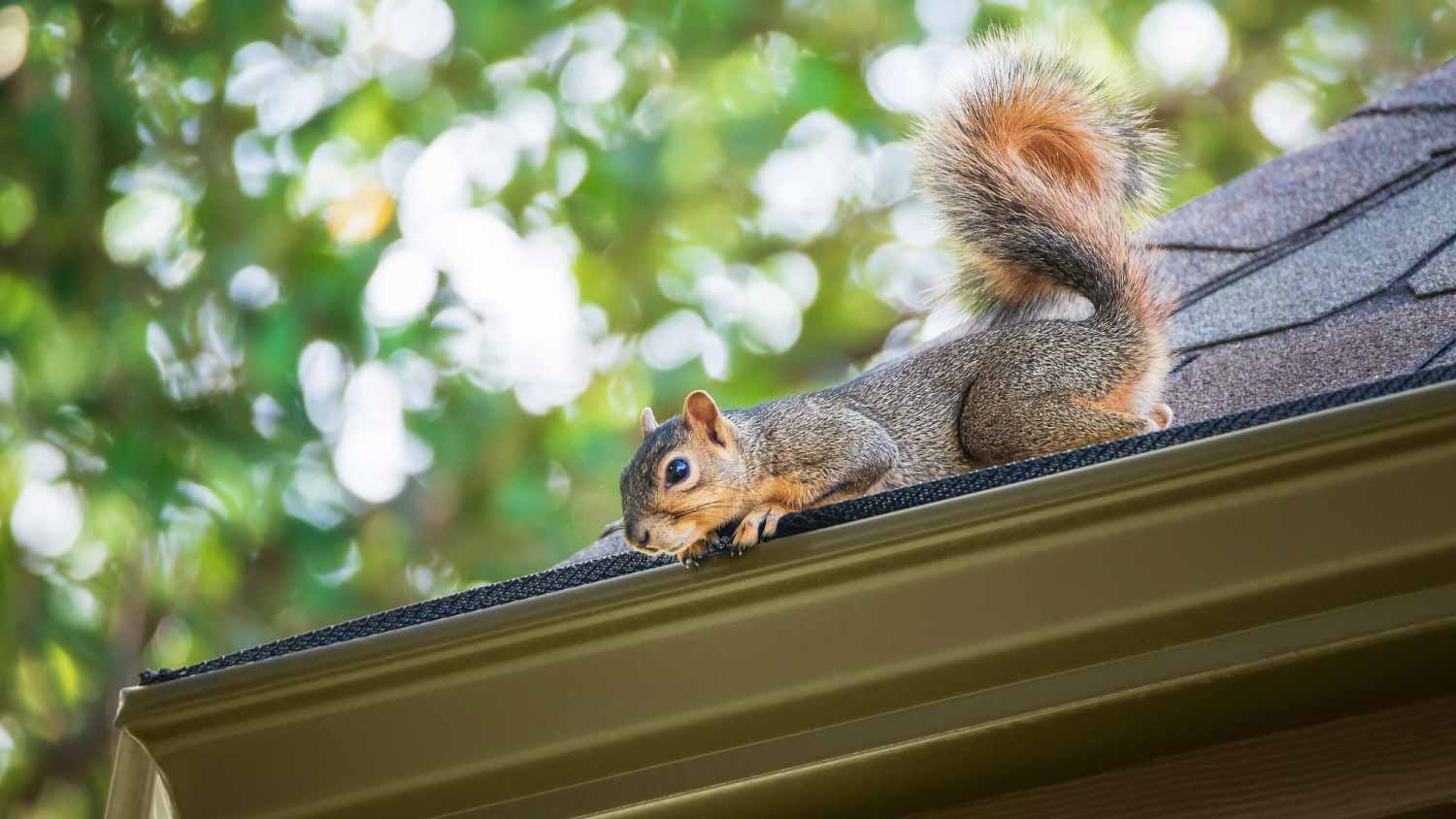
Squirrel removal costs vary depending on the location, removal techniques, and any follow-up. This guide will help you budget for quick and safe eradication.
It’s time to send those pesky critters packing

Your attic squirrels need to leave because they chew through wires, insulation, and wood, creating serious fire risks and costly structural damage.
Expect to pay $190 to $585 for professional animal removal services, and acting quickly helps you avoid higher costs from extensive damage.
You can install a one-way door excluder at the main entry point to let squirrels exit safely without getting back inside your home.
Hiring a local squirrel control professional provides peace of mind with humane removal methods and complete cleanup, helping you prevent future infestations.
We all know how cute squirrels can be when playing around in the yard. But, when these nut collectors set up camp in your attic, it spells trouble. Squirrels can chew up your home's structure and even bring health hazards into your living space. To keep your property in tip-top shape and your family safe, you've got to tackle this rodent invasion head-on. This guide shares how to get rid of squirrels in the attic for your peace of mind.
First, it is essential to know that squirrels can be destructive. They won't hesitate to gnaw their way through wood siding, trim, and baseboards, creating an entry point into your home. They also enjoy chewing on electrical wires, potentially leading to fires and costly damage.
There are several reasons why these furry creatures may choose your attic as their new residence.
Shelter: Attics provide a safe and sheltered environment for squirrels looking to evade predators or escape harsh weather conditions.
Nesting: Your attic's insulation and other materials can be appealing building materials for nests during breeding season.
Food: If your attic is near trees or other food sources like bird feeders, squirrels may move in because their kitchen pantry is nearby.
Easy access: Squirrels can squeeze themselves into openings around 2 inches in diameter and are skilled jumpers and climbers. Any hole or opening makes your attic a potential home, even if they wander in accidentally.
The first step in dealing with an infestation is confirming that you have unwelcome guests. If you have yet to spot a pest, look for droppings and listen for scratching noises and chewing sounds. Also, check for entry points. Squirrels can enter through openings in the roof, vents, eaves, soffits, and other vulnerable areas.
And don't forget to check for signs of squirrel damage:
Chewed wiring or insulation: Look for signs of chewed or frayed wires and damaged insulation.
Nesting materials: If you find leaves, twigs, shredded paper, and bits of insulation, it's a strong indication.
Gnaw marks: Squirrels have strong teeth that continually grow, so they gnaw on objects made of plastic or wood to keep them trimmed.
Foul odors: Squirrel urine and feces can create unpleasant odors lasting long after they are gone.
Water damage: Squirrels can cause water damage by chewing on roofing materials, leading to leaks and structural issues.
Before you show those pesky critters the door, looking at local guidelines for dealing with squirrel squatters is crucial. In many states, these furry fellas are considered protected wildlife. That means removing squirrels humanely without causing them any unnecessary harm or distress.
The following shares different humane methods to send them packing; combining all of these steps is best for optimal results.

The first line of defense is closing up those entry points to keep those squirrels out. But if you've already got unwelcome guests inside, you'll need to take it further and give them a way to leave. That's where the one-way door comes into play, and we'll dive into that in the next section.
Begin by scrutinizing the exterior of your home. Look for any openings, gaps, or holes squirrels could use to enter. Remember, they can squeeze into very small crevices. Common entry points include vents, chimneys, gaps in soffits, eaves, rooflines, and damaged or chewed areas in the siding. Remember, you don’t want to seal the main entrance until a one-way door is in place.
Once you know what you are dealing with, it's time to make repairs. You must fill significant gaps and holes with materials squirrels can't chew. Aluminum flashing, fine stainless steel mesh, and sheet metal are gnaw-proof materials. Foam sealant, which you can paint over later, is suitable for small gaps.
Wear heavy-duty gloves to protect your hands from sharp edges and potential contaminants at entry points, such as squirrel poop.
Measure the dimensions of the entry point and cut the mesh, sheet, or flashing a little larger than the opening.
Place it over the entry point. Use screws or nails to secure it in place. Make sure it's tightly fastened and covers the entire opening. Pay close attention to corners and edges to ensure there are no gaps.
Use sealant foam to fill small gaps or openings that can't accommodate larger materials. Apply a generous amount to ensure it creates a tight seal. Foam is more durable than caulk; even better, it doesn't shrink.
Double-check your sealed entry points to ensure no gaps or loose edges. Squirrels are persistent, so a secure seal is essential.
Keep an eye on the sealed entry points to ensure that squirrels do not attempt to reopen them.

No one wants dead squirrels in the attic after sealing entry points. A one-way door excluder is a humane way for critters to find their way out without getting back in. Install it at the main entry point. You can buy these doors at a home improvement store or online marketplace. Here's what to do.
Wear heavy-duty gloves to protect your hands while working with the device and a mask if you are concerned about allergens or contamination.
Familiarize yourself with the one-way door excluder and read the instructions that came with it. It typically consists of a hinged door that allows animals to exit but not re-enter. Make sure the door is functioning correctly before installation.
Securely attach the one-way door over the entry or exit point using screws or nails. Ensure it allows squirrels to exit easily but prevents them from pushing it open from the outside to re-enter. Double-check that the door operates smoothly.
After installing the one-way door, observe the area to ensure that squirrels are using it to exit. It may take some time for them to become accustomed to the new exit route. To speed things up, try using squirrel bait.
Once you are confident that all squirrels have left through the one-way door and are not returning, you can permanently seal the entry point following the instructions shared previously.
After ensuring the squirrels are gone, clean and sanitize the affected area to remove any lingering odors or contamination.
Working with a local squirrel control professional is always best when in doubt. As a rule of thumb, the optimal timing for squirrel nest removal falls between mating seasons, ideally during late winter, late spring, or mid-fall.
It's best to be patient and wait until squirrel babies have grown up and left the nest before considering any eviction measures. Typically, squirrels become independent and naturally disperse from their natal area around 12 to 14 weeks after birth. Removing a nest before this time can risk harm to the little ones.
Adult squirrels are in no danger if you remove their nest. They typically will seek alternative shelter in nearby trees or structures.
Gather the necessary equipment, including heavy-duty gloves, a mask, a sturdy trash bag or container, and a ladder if the nest is in a high location.
Carefully remove the nest. Use a plastic bag or container to contain the nest materials. Be cautious not to damage the surrounding area, especially if the nest is within insulation or structural components.
Seal the bag or container tightly with the nest materials to prevent potential parasites or diseases from spreading. Then, place it in an outdoor trash bin or follow local guidelines for disposing of wildlife materials.
After nest removal, thoroughly clean and sanitize the area to eliminate any lingering odors and potential health hazards associated with squirrel droppings. Use appropriate cleaning agents and disinfectants.

Keeping squirrels away from your house can be challenging, as they are agile and persistent creatures. However, there are several methods you can try to avoid having unwanted roommates.
First, remove food sources. Use squirrel-proof bird feeders, seal garbage cans, store pet food indoors, and secure your vegetable garden. Do you have tree branches close to your house? Trim them to prevent squirrels from accessing your roof and attic.
Lastly, experiment with commercial repellents. Apply them around vulnerable points. Repellents usually have mixed results, so follow the product's instructions and monitor progress.
The cost of getting rid of squirrels in your attic can vary significantly depending on several factors, including the severity of the infestation, the methods used, your location, and whether you choose to handle the problem yourself or hire a professional. Typically, professional animal removal costs range from $190 to $585.
Whether you should handle an attic squirrel infestation yourself or hire a pro depends on the extent of the problem and your expertise in dealing with wildlife. Here are some factors to consider:
Severity of the infestation: If you suspect or know that you have a significant squirrel infestation in your attic, hiring a professional is generally safer and more effective. They can employ appropriate methods to remove the squirrels safely and reasonably quickly.
Safety concerns: Working in an attic can be hazardous, with potential risks associated with insulation materials, electrical wires, and other hidden dangers. Professionals are trained to handle such environments safely.
Legal considerations: In some areas, it may be illegal to trap or relocate squirrels without the proper permits. Pest control professionals are usually aware of local regulations and can ensure compliance.
Humane treatment: Using humane traps and relocation methods is crucial if you choose to DIY. Professionals know how to handle wildlife ethically and humanely.
Health concerns: Squirrels can carry diseases, and their feces and urine can contaminate your attic. Professionals can handle cleanup and disinfection, reducing health risks.
Paige Bennett contributed to this article.
A reliable team for moves across state. My switch to a new place needed careful lifting through tight hallways. The movers checked the doorway first, then carried heavier pieces with slow, controlled movements. Their patience helped prevent damage, and I?d choose them again.
This company does it right. Firstly, I want to say that Landan was a joy to work with. He was so kind, transparent, and had everything under control. His entire team showed up ready to work and they were all very respectful of the fact that we were in an office space. A little backstory – we...
 Krumlauf Floors
I had FabClean 614 clean my apartment, and she did an outstanding job. She was so professional and efficient. My apartment looks absolutely spotless every surface, every corner, all cleaned to perfection. Definitely highly recommend FabClean 614 if you're looking for top-notch cleaning...
 Fab Clean 614
Raven and crew does absolutely fantastic job. They are very professional if any concerns were to occur with any of her work she always took responsibility and finished out with a great job. I have worked with her business for a year and have always been satisfied. Very trusted business and...
 Creations of Transformation LLC
I would recommend this company to anyone! He showed up on time, was friendly, completed a very difficult repair on our dryer vent cover, was responsive, and pricing was extremely fair and competitive. I would have him back to do any of our repairs or cleanings without hesitation!
 U.S.A. Dryer Vent, LLC
Best cleaning I've had at my property
Ace Fireplace Services' chimney sweep service is truly exceptional. They used advanced technology to ensure a thorough cleaning process, and my chimney has never looked better. I highly recommend their services.
 Ace Fireplace Services
This company went above and beyond with their work, chimney sweeps are usually pretty messy, but the clean up was spot on.!! Josh explained every thing that he was doing, and the things that he was checking to make sure the chimney was safe for me and my family. He was very professional,...
 Supreme brick & chimney
Good workers and they do a good job.
 Mira Construction
Mary Cleaning Service is fantastic! The entire team is professional and pay a great deal of attention to detail. They do such a thorough job of cleaning my house. I would definitely recommend!
From average costs to expert advice, get all the answers you need to get your job done.
Squirrel removal costs vary depending on the location, removal techniques, and any follow-up. This guide will help you budget for quick and safe eradication.
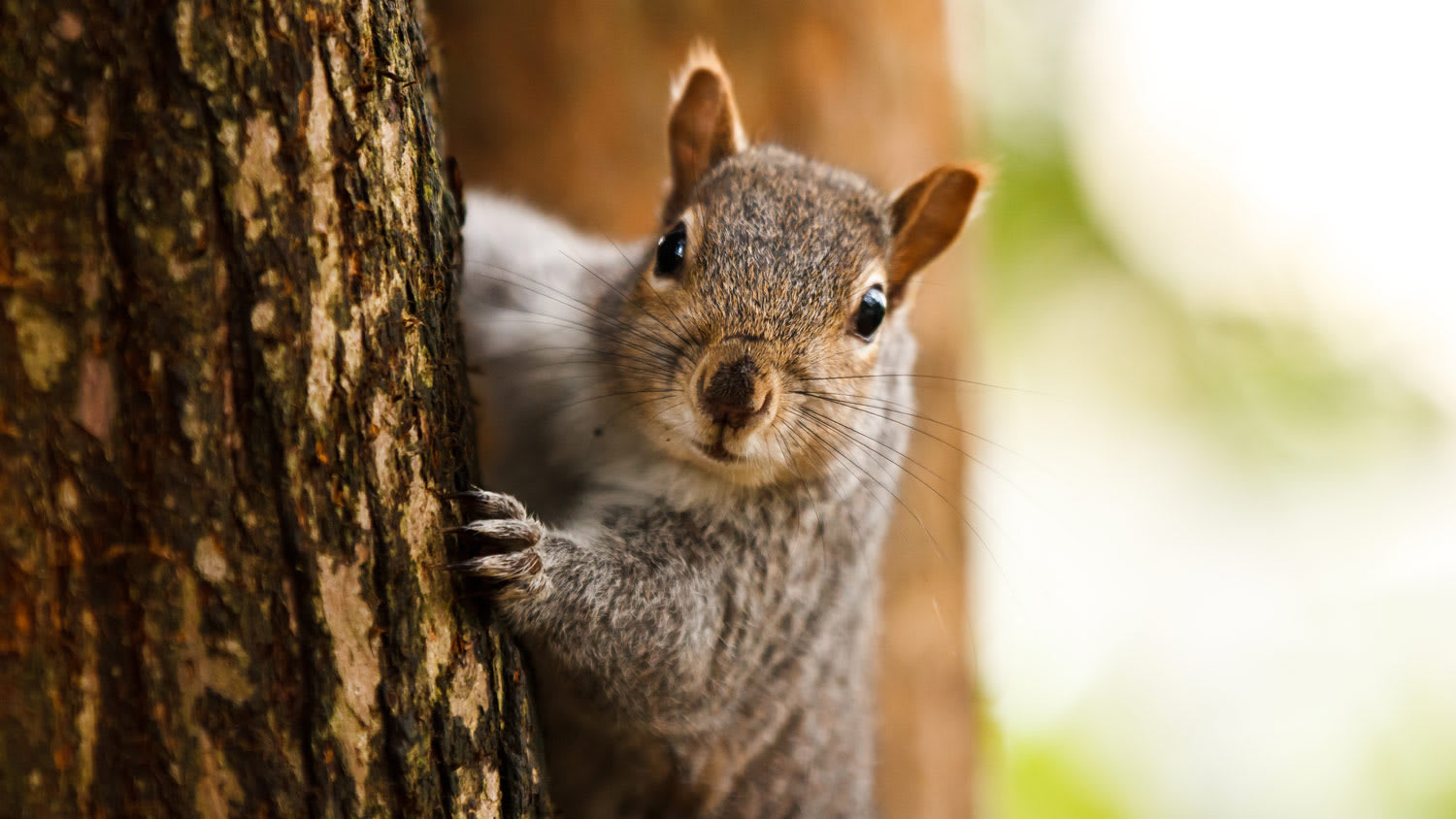
Squirrels break into attics for a safe place to build their nests, but they can wreak havoc to homes. Learn how to get rid of squirrels in your attic.
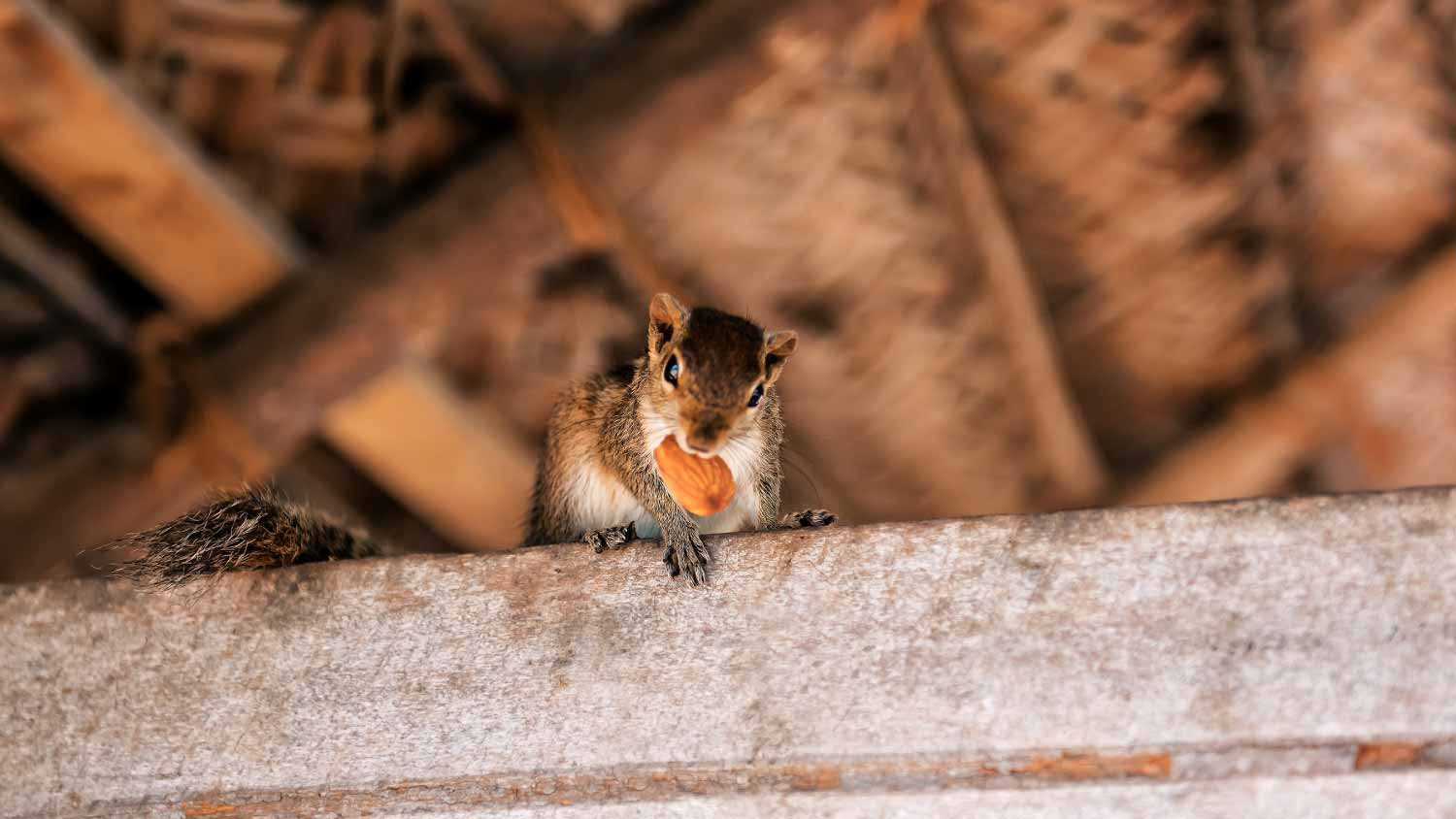
Squirrels can cause problems if they nest in your attic, but luckily there’s plenty you can do about it. Here’s who to call to get squirrels out of your attic.
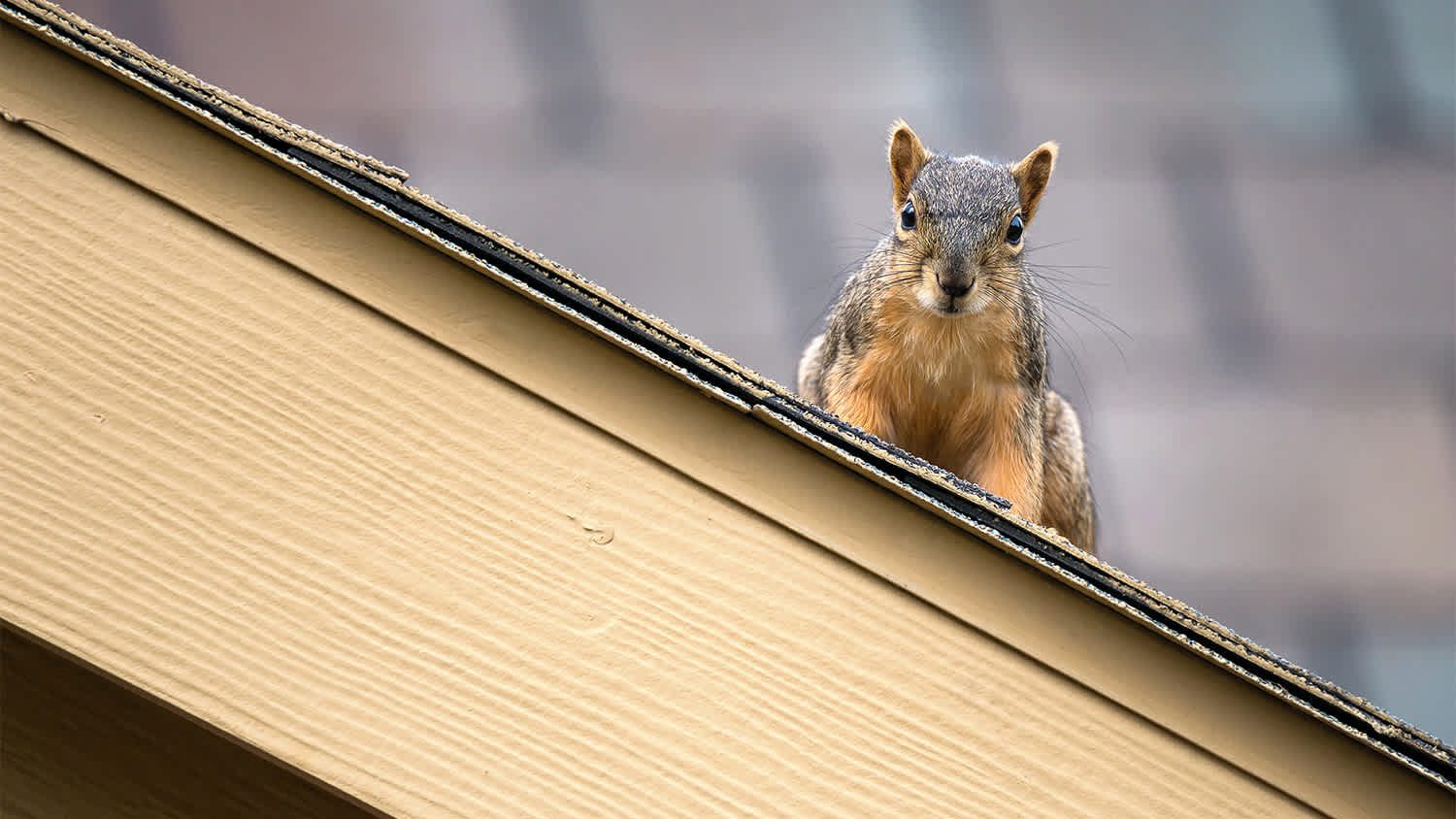
Not sure how to get rid of animals in your attic? Get comprehensive tips to identify what’s up there and how to send them packing from your home.
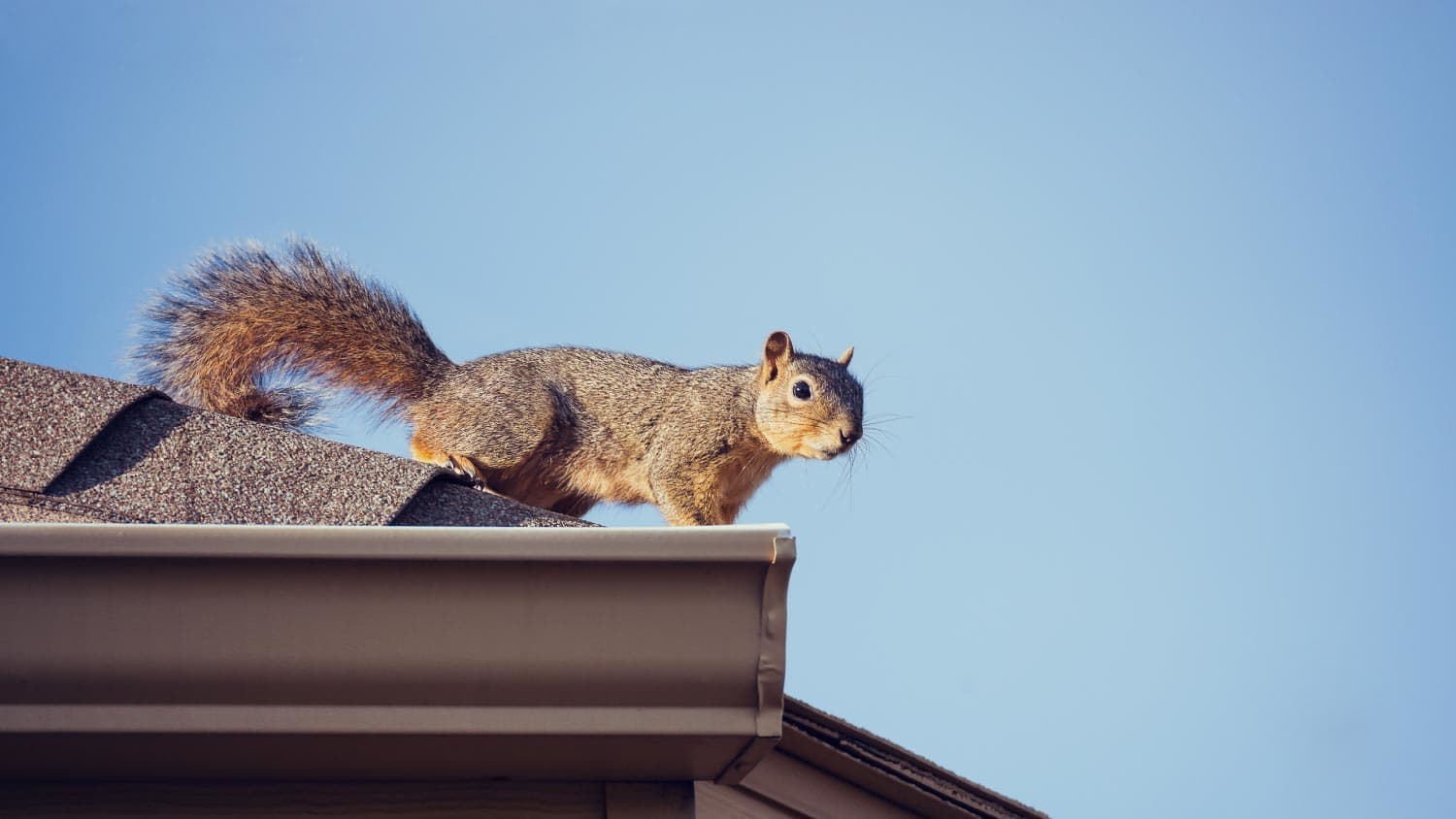
Squirrels are some of the cutest critters around, but they can cause significant damage to your home. So how do you humanely prevent squirrels from invading your home?
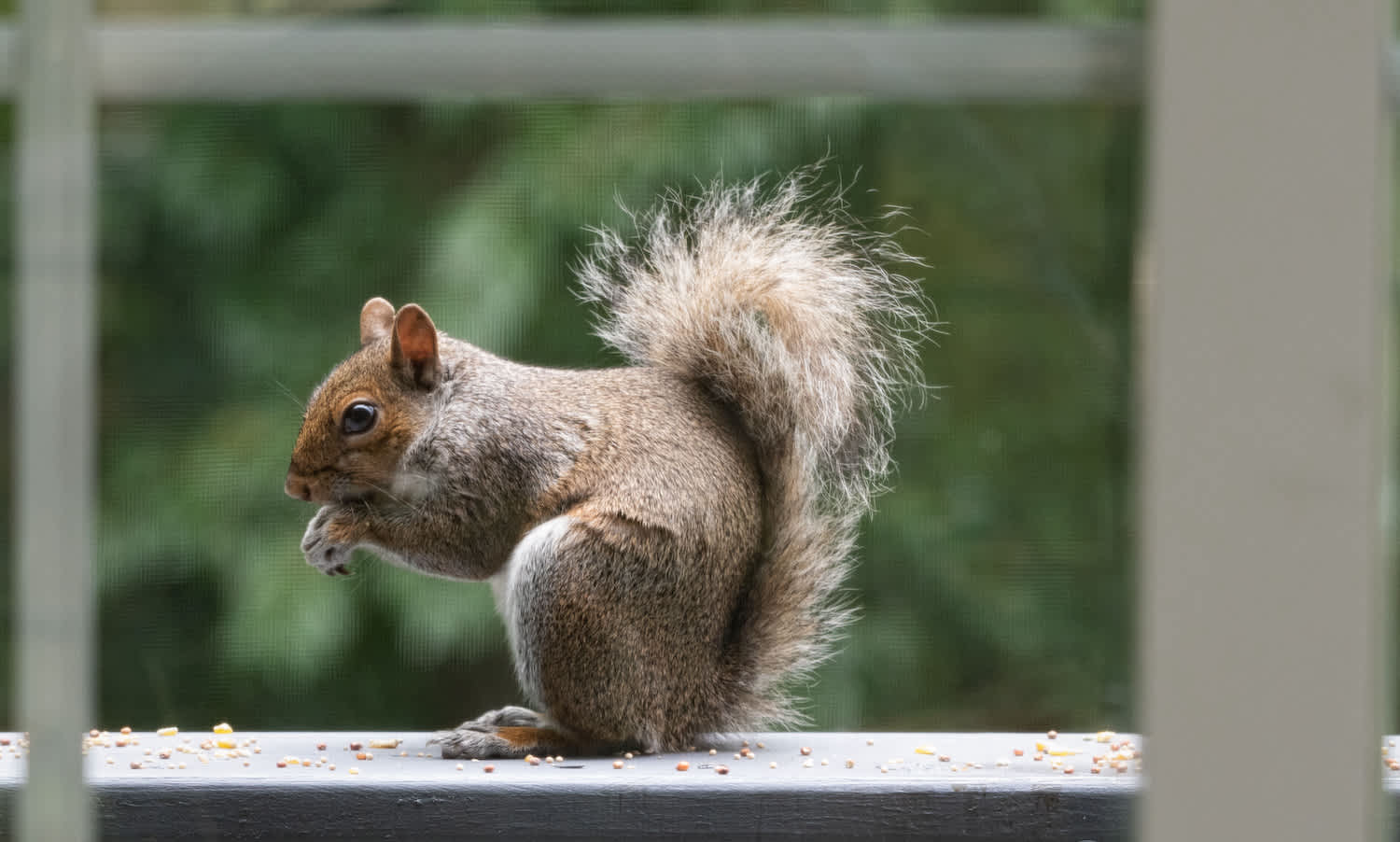
Removing squirrels humanely from your yard can be tricky if you’ve never done it before. Here’s what you need to know about using bait for a squirrel trap.