

Spring cleaning may already be over and done with, but the hotter months will require their own set of chores. Follow this checklist for a clean and organized summer.
Get ready for a sizzling summer landscape

End-of-summer landscaping tasks include applying pre-emergent herbicide, removing fall debris, and seeding patchy areas to prepare your lawn for cooler weather.
Your lawn needs about 1 inch of water per week, and early morning watering prevents rapid evaporation while keeping your grass healthy through drought.
Mulch keeps your soil cool and slows water evaporation, so add a 2- to 3-inch layer around plants to combat weeds and heat stress.
Hiring a local gardening professional takes the guesswork out of pest control and plant health, helping you maintain a thriving yard all season long.
For many people, summer is the time when they enjoy their yard the most—but for many of its plants, the blazing sun and scant rainfall of the hottest months pose life-and-death challenges.
Here are some summer landscape tips that’ll let you enjoy your outdoor space from the graduation party through Labor Day.
The perfect summer yard requires smart springtime prep work. If spring has sprung, it’s already time to start tackling the landscaping chores necessary to keep your lawn bright and verdant throughout the hottest months.
Follow these tips for a healthy landscape in summer:
Apply pre-emergent herbicide
Remove any lingering fall debris
Consider a safe, organic pesticide
Seed any areas of your grass that have become patchy over the winter and spring
Keeping your lawn and plants healthy in a sustainable manner throughout the summer drought is the season’s key landscaping challenge. Use the hose during the early morning. At the hottest times of day, it’s too hot to water grass and the water evaporates rapidly, wasting resources and failing to hydrate your plants.
Aim to add 1 inch of water per week to your lawn. Understand the requirements of your soil. Different kinds of soil need different watering frequencies—plants in clay soil need to be watered less frequently than those in sandy soil.
Plants in hanging baskets and other containers require more frequent watering than anything in the ground, often twice a day. If you’re not sure about the requirements of your hanging plant, stick your finger into the soil up to the second knuckle. If the dirt is dry, it needs water.
Even better than maintaining best practices with the hose, consider installing a drip irrigation system. Using a network of tubes connected to your water supply, these systems allow you to fine-tune the amount of water needed for each plant, supplying moisture directly in the soil and losing less to evaporation—cutting down on your water usage and maintenance work.

While many homeowners cut their grass as short as possible to cut down on the frequency of the chore, cutting the grass too short, however, makes it more susceptible to drought and can quickly result in brown, dead patches.
The ideal length depends on your climate, but if you’re not sure, select the mower’s longest setting. Taller grass requires less fertilizer, stays green for longer, and helps shade the soil.
Rather than collecting them, leave the grass clippings on the lawn since they help fertilize the soil. Keep a regular schedule at an interval based on the grass’s growth rate and your desired length.
The right fertilizer is essential to maintaining the appearance and health of your lawn, but too much fertilizer, or the wrong kind, can do more harm than good. In the summertime, the best broad option will be a slow-release fertilizer with a lower nitrogen content, but make sure to understand your grass’s specific needs to make the right choice. Likewise, different types of grass need different nutrients to thrive over the course of a long, hot summer. Make sure to choose an appropriate plant food.
Your plants can easily fall victim to pests and disease during the summer months—and no one will tell you there’s a problem sooner than the plants themselves.
Look out for browned, blotched, spotted, or wilting leaves, brown and brittle leaf edges, rotting fruit, fuzzy growth, dying branch ends, brown patches, holes, or any other such symptoms. If you can’t diagnose the issue, call a local landscaping professional.
Mulch is the best line of defense for keeping soil tolerably cool in the blazing summer heat. Putting down a layer of organic mulch will slow the evaporation of water, decrease the soil temperature, and combat the growth of weeds.
Where there are bare patches of soil around your plants, add a layer between 2 to 3 inches thick. Do leave the areas immediately surrounding tree trunks and plant stems bare, though, since it can allow moisture to build and create rot.
Keeping a big green lawn hydrated during the summer isn’t only difficult, but increasingly unsustainable. If you live somewhere that requires you to use large quantities of water to maintain your lawn, consider replacing your existing grass with a more eco-friendly, less water-intensive alternative.
You can keep plants such as micro clover, fescue grass, slender sedge, pacific dune sage, UV Verde buffalo grass, and blue grama healthy with less water than traditional lawn grass. Non-plant alternatives include mulch, turf, sand, and gravel.
There are a number of regular garden maintenance tasks that become particularly acute during the sweltering months. Early summer—if not late spring—is the time to transplant flowers and plants and divide any mounding perennials so their growth doesn’t suffocate.
With late-blooming perennials, pinch off early shoot growth to encourage the development of strong roots. Make sure to stay on top of deadheading flowering annuals since they will otherwise devote all their limited energy towards nurturing seeds.
Regularly harvest any vegetable, fruits, and herbs to avoid attracting insects. Despite the heat, you can’t slack on year-round maintenance chores either—so if it’s too hot for you to spend time in the garden weeding, clearing debris, neatening plant beds, keeping fence lines clean, and digging up invasive species, hire a local gardener.
Whether you ward off infestation with organic pesticide or through proactive gardening methods, the season demands you bring your biggest pest control guns. The swampy outdoor air is positively teeming with animal and insect life, creating an army of hungry mouths looking to feed on your beautiful garden and lawn—and plants that are stressed by extreme weather are more susceptible to irreversible damage.
At the same time, you want to avoid harming—and to proactively attract—the species that benefit plant life. Pollinators like bees, hummingbirds, and butterflies keep your garden healthy.
Species like milkwood, bee balm, and marigolds attract and nourish these outdoor helpers. Avoid using Neonicotinoid pesticides, which have been associated with colony collapse disorder.
Birds and bats are also allies in pest control since they consume the critters trying to consume your garden. Planting food sources like sunflowers, adding a birdbath or another water source, and providing them cover with a range of different plant lengths and densities will draw the attention of feathered friends from miles around. You might also consider installing a bat house.
If your plants are struggling in the sun, get them some shade. If the plants are potted, you can move them under cover during the afternoon—and if they’re planted in the ground, you can temporarily cover them with a lawn chair, a panel, or with a shade cloth. For a more permanent solution, explore your tree-planting options and when to plant fruit trees.
If even the best fertilizer and the most painstaking watering techniques fail to maintain your lawn’s luster through your Fourth of July barbecue, you may need to aerate the soil. To check, dig a 4-foot-deep turf sample.
If the grass mat layer is more than a half-inch high, your lawn will benefit from aeration. You can rent an aeration machine from a hardware store to punch the holes yourself, or otherwise hire a lawn aeration service.
No matter how inviting your lush summer landscape appears, it won’t be much fun to spend time in the yard if you’re getting bitten up by mosquitos. Make sure to eliminate even the smallest reservoirs of standing water, in which mosquitos breed.
There are pesticides available with which you can treat water features and ponds to kill mosquito eggs. Quite a few different plant species, such as citronella and catnip, also repel the critters, as do coffee grounds. If all else fails, call a professional mosquito control service in your area.

The summer sun’s bright, penetrating illumination casts everything in a different light, including your yard. This bright and festive time is a wonderful moment to reconsider finishes.
Maybe it’s just the moment to make the whole landscape pop with a bold new fence color, pressure clean walkways or pavers to make them shine, or redo your hardscaping in natural materials. Let the summer sunlight help you imagine new possibilities.
Custom Paint Jobs LLC made our home feel like a piece of art. Thank you for your creativity!
 Custom Paint Jobs, LLC
Window Depot did an amazing job on my deck. I wasnt sure what I wanted to do, but their composite decking was affordable and will last a long time. I am excited to have family over, and I am no longer embarrassed by my backyard. Jeff and the ground crew were polite, respectful, and caring for...
 Window Depot USA of Central Ohio
First of all, the gentleman I dealt with (Cam?) was very responsive to my many questions and concerns throughout the project, which is a huge plus to me. From the first time I met him for the estimate all the way til the completion of the job, he and his crew were professional and respectful....
 All Star Paving and Sealing
We had a 20+ year old landscape lighting system that needed replacement. Midwest Lightscapes worked with us to design a much improved lighting system, lighting the exterior of the house and the back yard. Installation of the 45 light system took one and one-half days, and went very smoothly....
 Midwest Lightscapes
Another great success for me on home advisor. This company did an awesome job on my landscaping and stayed within my budget. The best part, the work was complete within 2 days of my initial request. Professional and responsive. I highly recommend!
 Blue Ring Residential Services, LLC
The company no showed on me twice. The 2nd time was no call no show. They were responsive to set up the first appointment to perform the "landscape cleanup". 3 hours after their initial scheduled appointment time they called me to let me know they had some "problem" with the truck and their...
 Ruby Home and Hauling Services
Received ideas for future landscape plans...quote to do the work seemed a bit high but I did not have any other quotes to compare it to, so perhaps that is the going rates. <br />
 Landscapes By Terra, Inc
All around they have done a really great job. <br /> I have used JL Landscapes for the past 8 years. I own and operate my own commercial/residential real estate company where we own, operate, and maintain our own properties. JL Landscapes has been our exclusive landscaper for both our...
 J.L. Landscapes
Bought a half a cord of firewood from Pitzer with stacking last month. I waited to report so I could see how the wood burned. <br /> <br /> I have three pet peeves regarding landscapers, but Pitzer scored "A"s regarding all three. First, rather than having customers "leave a message" and...
 Pitzer Landscaping
I left a message on Sunday requesting to schedule a time to obtain an estimate/walk-through and received a return call in the morning of the following Monday. Mark worked with me and agreed to schedule the estimate/walk-through for the following Saturday. When Mark arrived for the...
From average costs to expert advice, get all the answers you need to get your job done.
Spring cleaning may already be over and done with, but the hotter months will require their own set of chores. Follow this checklist for a clean and organized summer.
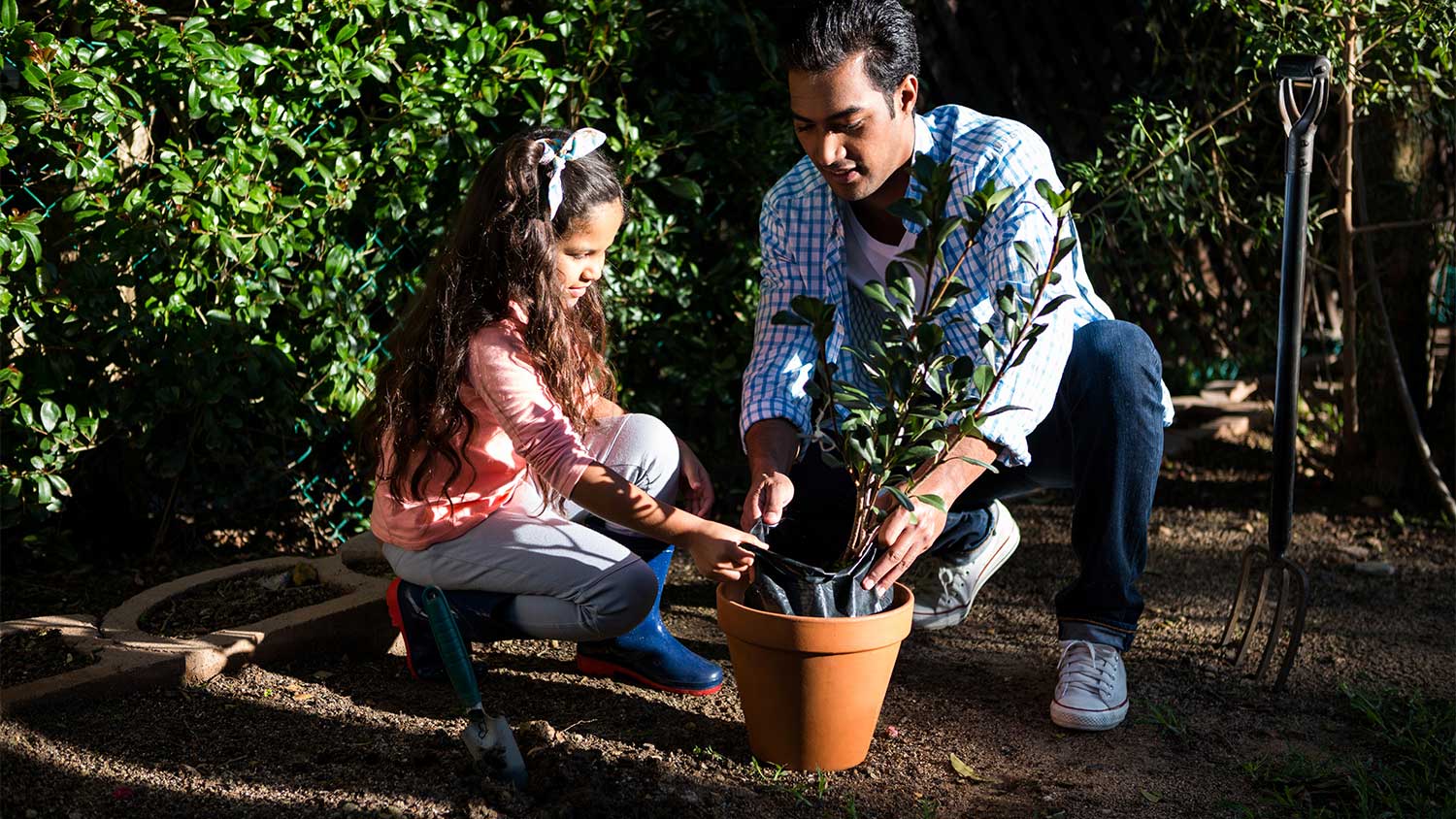
Although spring and summer are often the most popular times to do garden work, the best time of year to redo your landscaping is in the fall.
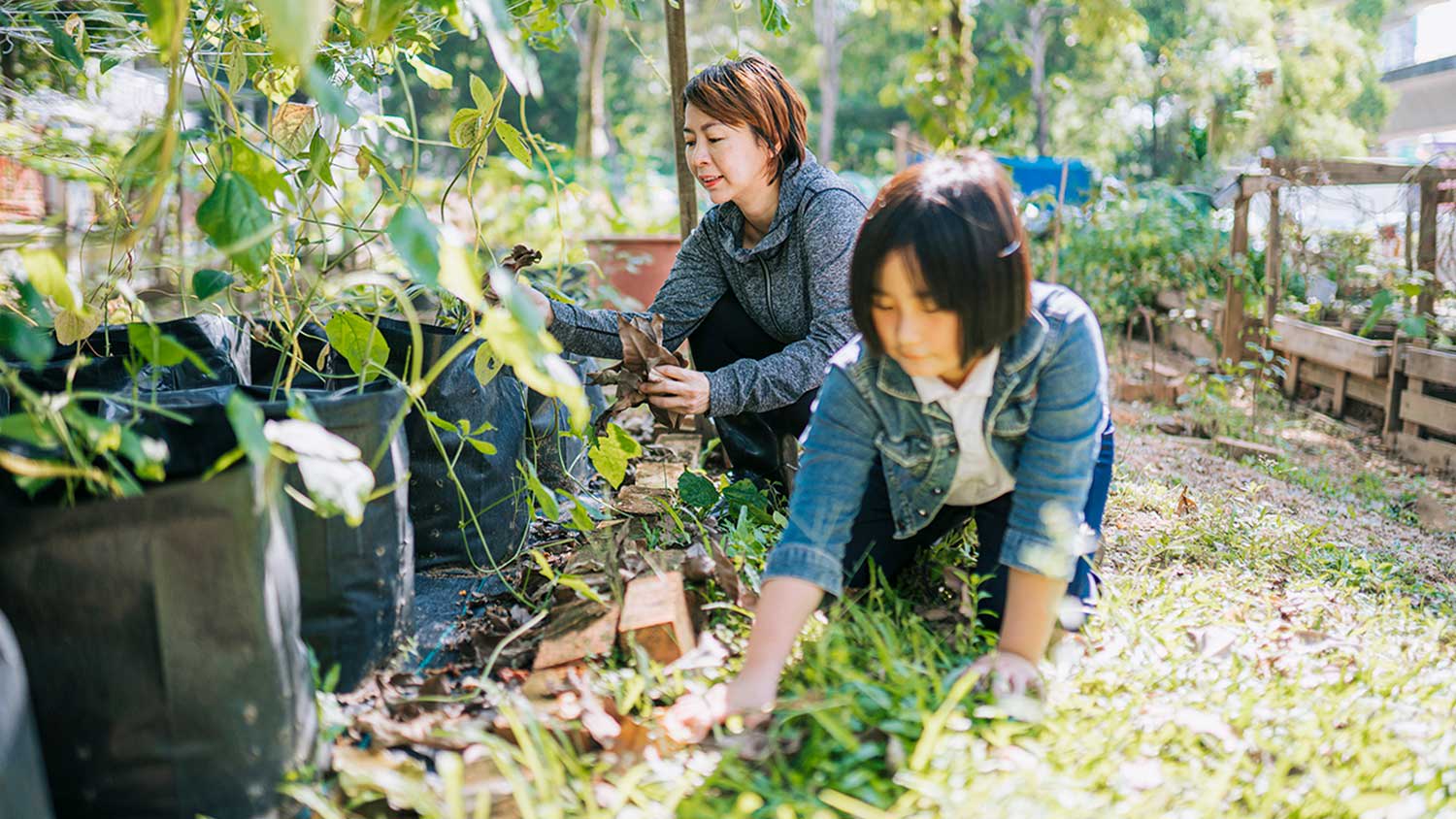
As winter comes to close and the weather warms up, follow these 10 tips to clean up and prepare your landscape, yard, and patio for spring sun and blooms.
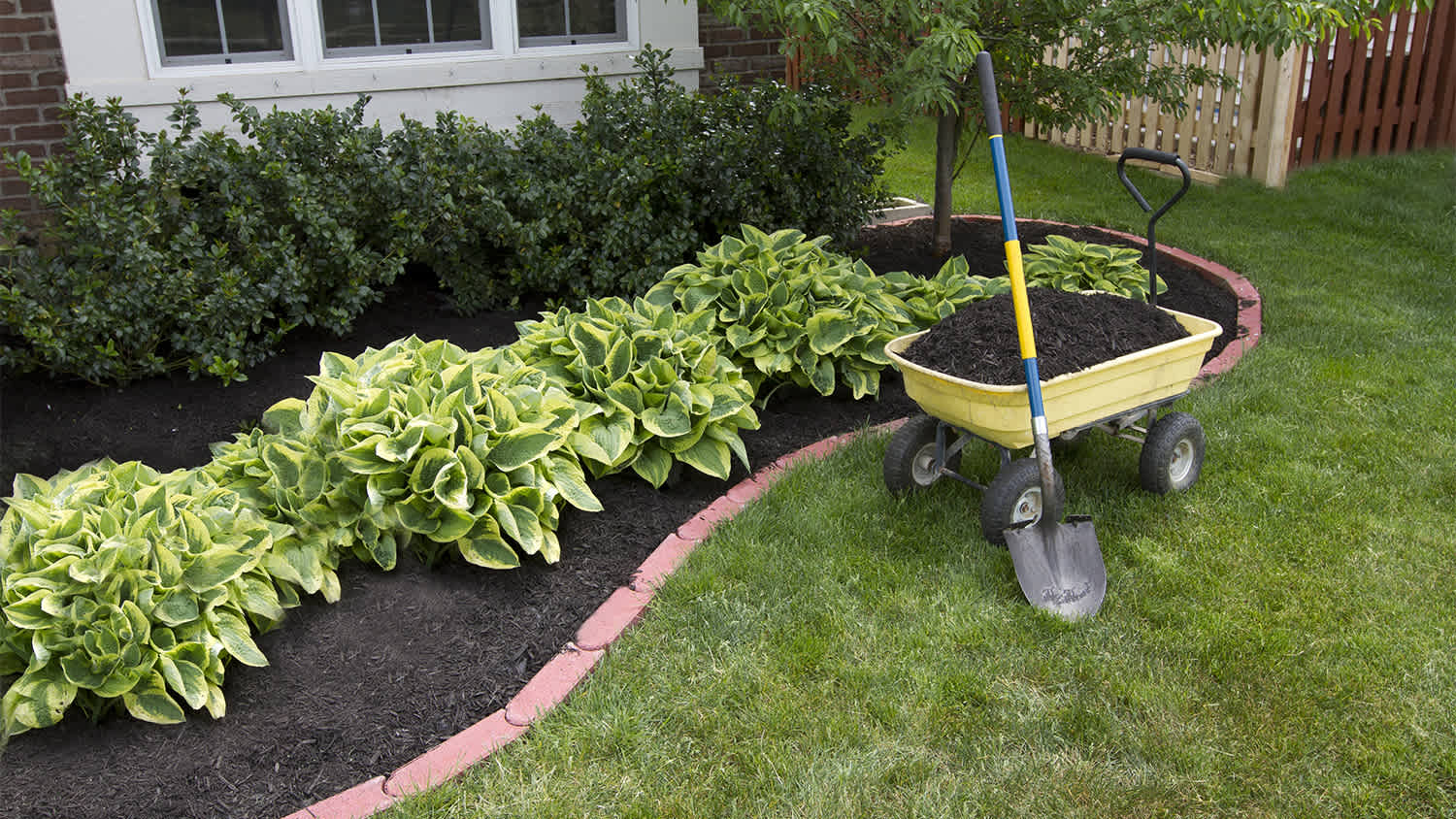
Not thinking about your landscaping project just yet? We’re here to plant a seed and get things going. Learn why now is the perfect time to spring into action.
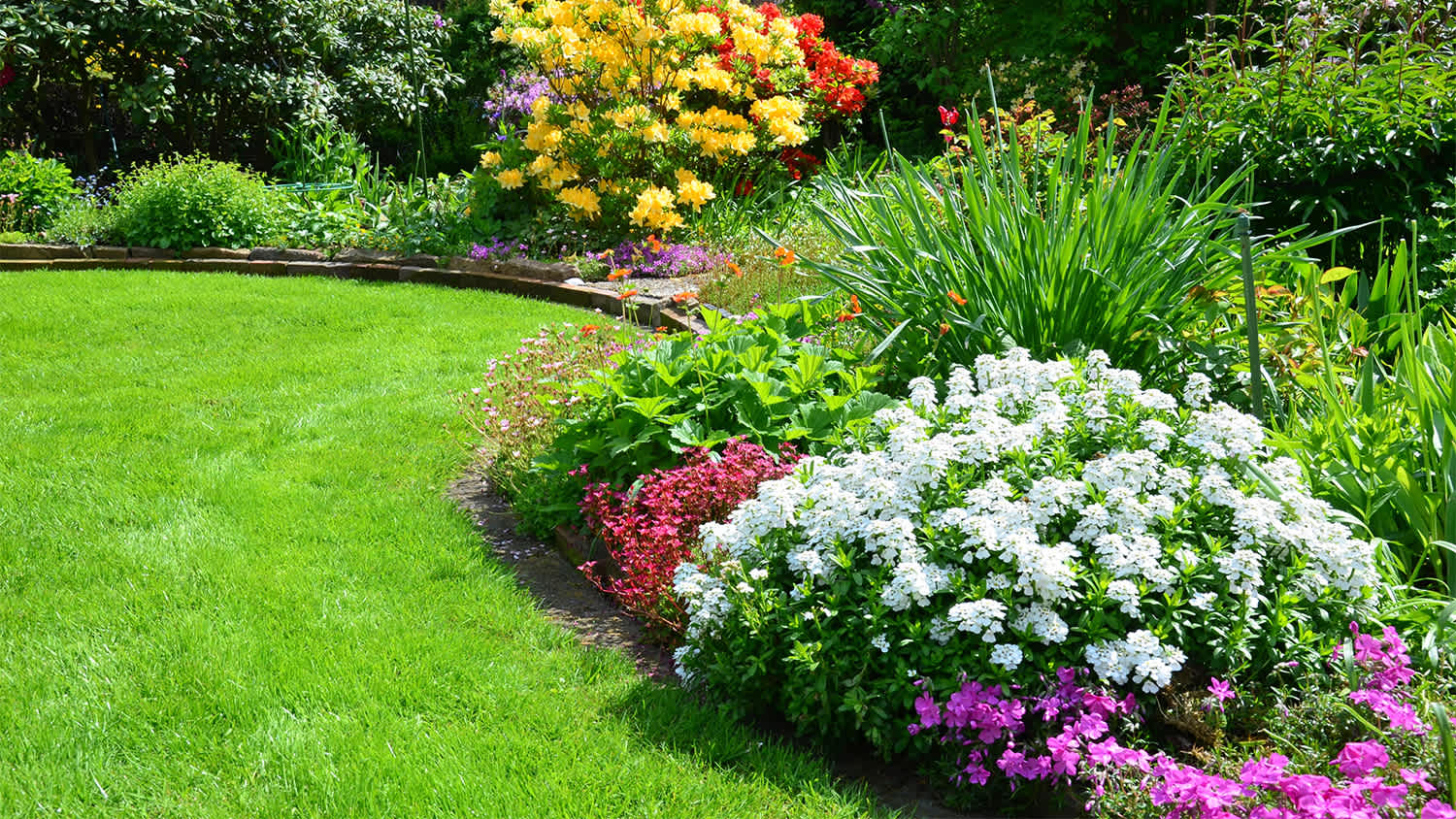
These top 13 essential spring landscaping tips, including spring lawn care and gardening tips, will help you get your garden ready for the season.
Help your spring landscaping and flowers blossom by prepping your soil and irrigation systems. Here are 12 tips to unleash the potential waiting in your yard.