

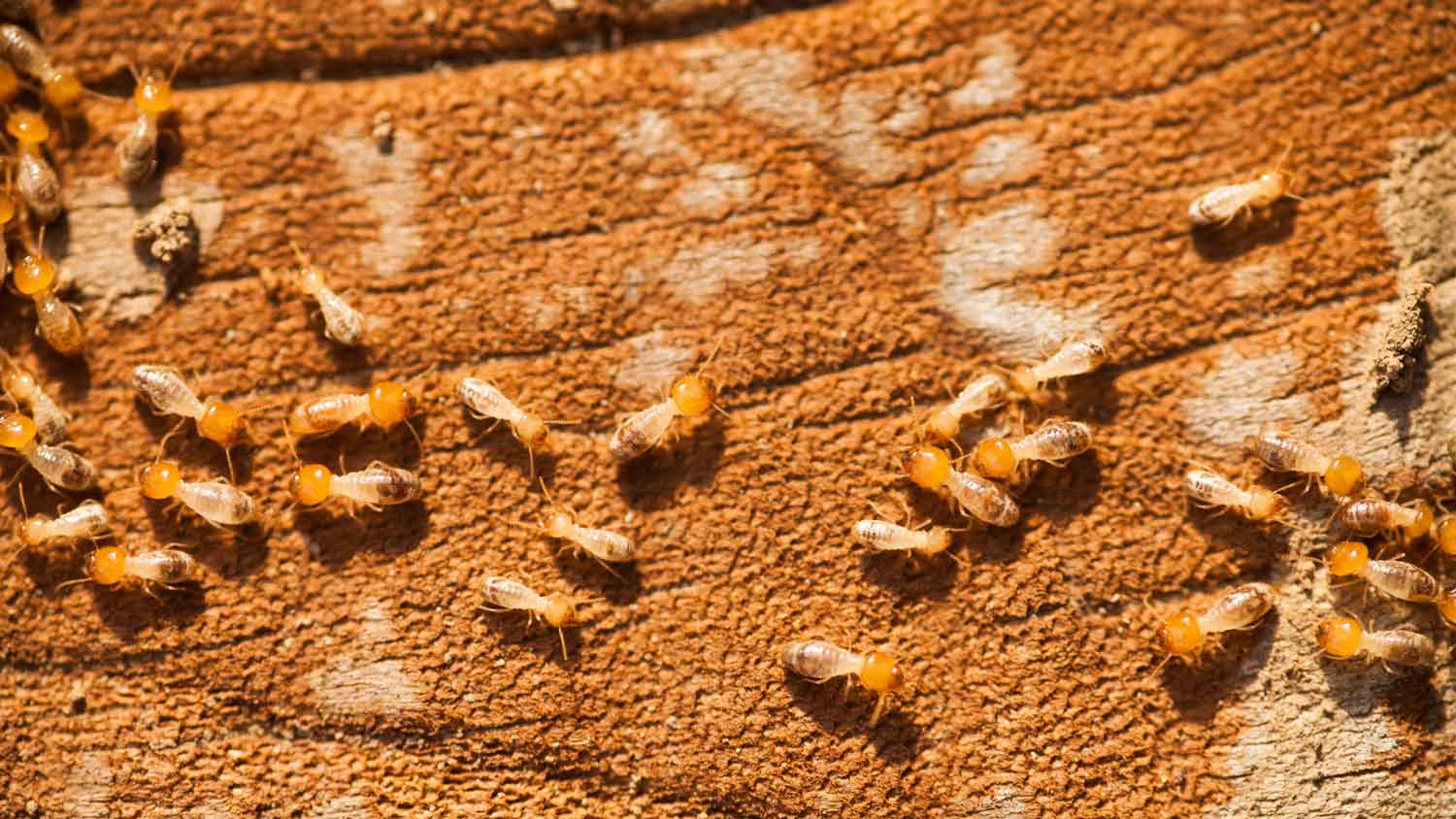
Keep your home free of termites and the damage they do. Learn more about inspections, infestations, and the average cost of termite treatments.
Pest control costs depend on your project and location. Check with a local pro for your specific job.

Termite damage repair costs range from $1,000 to $10,000, based on damage severity in your home.
Your repair bill depends on the damaged area size and whether termites caused cosmetic damage or structural weakening.
You should budget $250 to $1,000 for colony extermination and plan ongoing monitoring so termites do not return.
Hiring a local termite control professional ensures hidden damage is found and your home stays safe and structurally sound.
In 2026, the national average cost of termite damage repair is $3,000. Most homeowners pay between $1,000 and $10,000, depending on the size and severity of the damage and the type of repairs required. Swarm size can also play a significant role in your final bill.
Termite damage repair costs vary based on the location, severity, and nature of the damage. Understanding which factors apply to your situation helps you set a realistic budget before work begins.
How long termites have been active in your home is the primary factor in determining repair scope and cost. Early detection means minimal damage—a small cleanup with limited wood replacement ($250 to $1,000). A more established colony that has worked deeper into your home will require medium-scale repairs, while an infestation left undetected for years can result in major structural problems.
Hire a termite control professional to assess the severity of your infestation and determine the most effective treatment path. The following table breaks down termite damage by extent and average repair cost:
| Damage Extent | Description | Average Cost in 2026 |
|---|---|---|
| Small | Minimal damage, such as a few damaged boards or joists | $250–$1,000 |
| Medium | Medium-scale damage, such as damaged walls, flooring, or framing | $1,000–$3,000 |
| Large | Replacing major structural components such as beams and load-bearing walls | $3,000–$10,000+ |
Whether termites caused cosmetic or structural damage is one of the most significant factors in your total repair cost. Cosmetic repairs are far less expensive and often manageable as DIY projects, while structural damage requires licensed professionals and carries a much higher price tag.

Cosmetic termite damage is much less expensive to repair than structural damage. Homeowners can perform DIY fixes on many cosmetic termite issues. Cosmetic damage includes:
Floor discoloration: $1 to $3 per square foot
Wall discoloration: $2 to $6 per square foot
Bending or buckling flooring: $5 to $25 per square foot
Chipping paint: $4 to $8 per square
Structural termite damage is far more severe and difficult to resolve. Structural damage occurs when termites eat their way through your home, including structural beams and walls. Common structure repairs following termite damage include:
Replacing rotted beams: $1,500 to $5,000 each
Drywall repair: $60 to $200 per small hole
Wood siding replacement: $1,000 and $37,500, depending on home size
Electrical repair: $130 to $350 to basic outlet wiring repairs
The following table shows average wood siding costs by type:
| Wood Siding Type | Average Cost per Square Foot in 2026 |
|---|---|
| Pine | $1–$5 |
| Douglas fir | $3–$5 |
| Cypress | $5–$12 |
| Hardwood | $5–$20 |
| Redwood | $4–$20 |
| Cedar | $3–$30 |
Replacing damaged wood is one of the most common and direct costs of termite damage repair. The species, grade, and intended use of the wood all influence how much you'll pay, and those variables can cause costs to swing significantly from one project to the next.
Here’s what you’ll pay for termite damage repair based on the type of wood damage:
| Type of Wood Damage | Cost to Replace in 2026 |
|---|---|
| Replacing wood siding | $2,000–$20,500 |
| Replacing rotted beams | $1,500–$4,000 each |
| Replacing drywall | $60–$90 per panel |
| Repairing warped flooring | $5–$25 per square foot |
| Repainting interior walls | $4–$8 per square foot |
These costs can vary greatly for several reasons:
Wood species: A common variety like red oak will be much more affordable to replace than a more expensive species like cherry or walnut.
Engineered vs. hardwood: A natural hardwood will be much more expensive to replace than engineered planks with a veneer of the hardwood on top.
Indoor or outdoor wood: Outdoor wood may cost more than indoor wood because it needs additional weather protection.
Milling work: A carefully milled, complex crown molding will cost significantly more than basic plank replacement.
Certification: If you are interested in eco-friendly certifications like an FSC rating, you'll have to pay more for this kind of lumber.
Depending on the extent of the damage, you may need to hire additional professionals beyond a pest control company to fully restore your home. The type of damage present will determine which specialists are needed for your repairs.
A structural engineer can determine whether termite damage is severe enough to require professional repairs to your walls, foundation, roof, or flooring. Hiring a structural engineer costs an average of $553. If your home has a serious infestation, this assessment is a worthwhile investment before committing to a repair plan.
Cleaning your vents and ducts helps circulate dry air into the moisture-prone areas of your home that attract termites in the first place. The average cost for professional vent and duct cleaning is $150 to $800, making it a practical preventive step to pair with your damage repairs.

Termite remediation and prevention are essential budget items to address alongside your damage repairs, since skipping them risks a repeat infestation that undoes your investment. Plan for these additional costs as part of your overall project budget.
Professional pest control—using bait traps, sprays, and repeated inspections—runs between $250 to $1,000 for an average infestation. Extreme methods like whole-house fumigation are rare but carry a significantly higher price tag.
Professional termite monitoring costs around $400 per year, though the total can vary based on the size of your home and property. Hiring a local termite control company to regularly treat your home and property is the standard approach for keeping termites from returning.
Routine termite monitoring is the most reliable way to protect your repair investment after the colony has been eliminated.
You may be able to spot termite damage yourself, but leave repairs to professional termite control pros near you. Depending on the build of your home, termite damage can become critical seemingly overnight, so call a pro as soon as you notice symptoms of these invaders.
Homeowners should hire a termite pro for these reasons:
Pros know where to look for termite activity and hidden damage.
They can identify the termite species to determine the most effective treatment.
Pros have specialized equipment and chemicals that work better than DIY options.
Pros will verify that the structural integrity of your home is intact.
Licensed pros carry liability insurance and proper credentials.
Some treatments, such as whole-house fumigation, may require permits or regulatory compliance.
Professional services often come with warranties or retreatment guarantees.
We don't recommend DIY termite damage repair, but you can still help the process in these ways:
Take photos of visible damage and activity before cleaning; these images help a pro locate problem areas.
If you safely can, capture a termite in a sealed jar or container so a pro can identify the species.
Be prepared to stay elsewhere temporarily if your home requires fumigation or major structural repairs.
Clear access to affected areas before the pro starts work.
When making plans to repair termite damage in your home, keep these cost-saving tips in mind.
Bundle Other Projects: When making termite damage repairs, it's sometimes advantageous to use the destruction caused by termites as inspiration to make updates on your home. For example, if you need to replace structural beams, it might be a good time to create an open floor plan while your contractor is opening up the walls. Talk with your contractor about bundling these projects for potential savings:
Get Regular Termite Inspections: One of the best ways to save money on termite repairs is to catch an infestation before it spreads. The best way to stop termites in their tracks is to hire a pro to inspect your home for termites regularly. Most pest control companies offer this service, and it can help you catch an infestation early.
Pre-Treat Your New Home: If you're in the process of buying a new home, you may want to consider having it pre-treated for termites. This is something that most pest control companies offer as well, and it can save you a lot of money down the road.
Get Multiple Quotes: Collect price quotes from three professionals to find the best option to save money without sacrificing quality.
Remodel to an Open Floor Plan: If your house has wall damage but relatively little support or beam damage, you may be able to pivot to an open floor plan, or at least to remove a dividing wall. This can often be less expensive than replacing ruined walls.
Dry Out Moisture Issues: Moisture not only attracts termites, it also worsens the damage they cause. Leaks, condensation from humidity issues and other problems can add to termite damage while creating additional problems like mildew or rot. Solve any home moisture issues, and even if termites invade they won't be able to do as much damage.
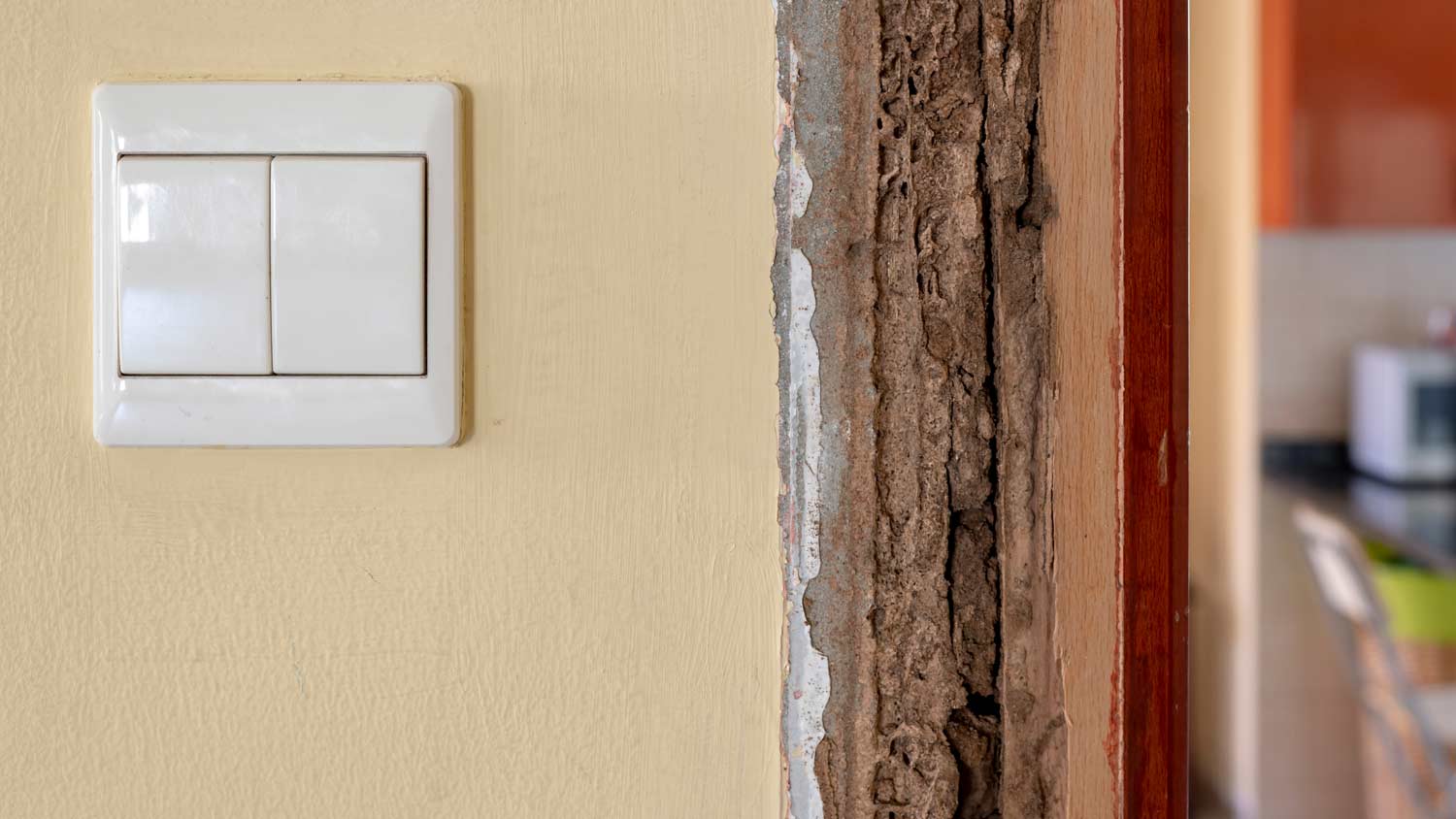
You might not know what's going on within the depths of your walls, but there are some tell-tale signs of termite damage. While not all of these signs will be noticeable in every circumstance, a good majority of these will be enough to call a professional:
Hollow-sounding wood when tapping
Small pinholes in drywall
Crumbing wood
Stuck doors and windows
Wings left behind near doors
Patterns that resemble mazes on furniture or walls
Peeling paint resembling water damage
Moldy smells in your home
Document everything as soon as you notice termite activity or damage.
Talk to your termite specialist before calling your insurance company; they can help you understand what your policy may cover and what documentation you’ll need.
Avoid disturbing damaged areas or trying to assist in the inspection, which can scatter evidence.
Ask your pro whether temporary relocation may be needed for fumigation or structural repairs.
Home is the most important place on earth, which is why Angi has helped more than 150 million homeowners transform their houses into homes they adore. To help homeowners with their next project, Angi provides readers with the most accurate cost data and upholds strict editorial standards. We extensively research project costs to develop the pricing data you see, so you can make the best decisions for you and your home. We rely on reputable sources, including the U.S. Bureau of Labor Statistics, academic journals, market studies, and interviews with industry experts—all to ensure our prices reflect real-world projects.
Want to help us improve our cost data? Send us a recent project quote to [email protected]. Quotes and personal information will not be shared publicly.
A reliable team for moves across state. My switch to a new place needed careful lifting through tight hallways. The movers checked the doorway first, then carried heavier pieces with slow, controlled movements. Their patience helped prevent damage, and I?d choose them again.
This company does it right. Firstly, I want to say that Landan was a joy to work with. He was so kind, transparent, and had everything under control. His entire team showed up ready to work and they were all very respectful of the fact that we were in an office space. A little backstory – we...
 Krumlauf Floors
I had FabClean 614 clean my apartment, and she did an outstanding job. She was so professional and efficient. My apartment looks absolutely spotless every surface, every corner, all cleaned to perfection. Definitely highly recommend FabClean 614 if you're looking for top-notch cleaning...
 Fab Clean 614
Raven and crew does absolutely fantastic job. They are very professional if any concerns were to occur with any of her work she always took responsibility and finished out with a great job. I have worked with her business for a year and have always been satisfied. Very trusted business and...
 Creations of Transformation LLC
I would recommend this company to anyone! He showed up on time, was friendly, completed a very difficult repair on our dryer vent cover, was responsive, and pricing was extremely fair and competitive. I would have him back to do any of our repairs or cleanings without hesitation!
 U.S.A. Dryer Vent, LLC
Best cleaning I've had at my property
Ace Fireplace Services' chimney sweep service is truly exceptional. They used advanced technology to ensure a thorough cleaning process, and my chimney has never looked better. I highly recommend their services.
 Ace Fireplace Services
This company went above and beyond with their work, chimney sweeps are usually pretty messy, but the clean up was spot on.!! Josh explained every thing that he was doing, and the things that he was checking to make sure the chimney was safe for me and my family. He was very professional,...
 Supreme brick & chimney
Good workers and they do a good job.
 Mira Construction
Mary Cleaning Service is fantastic! The entire team is professional and pay a great deal of attention to detail. They do such a thorough job of cleaning my house. I would definitely recommend!
From average costs to expert advice, get all the answers you need to get your job done.
Keep your home free of termites and the damage they do. Learn more about inspections, infestations, and the average cost of termite treatments.
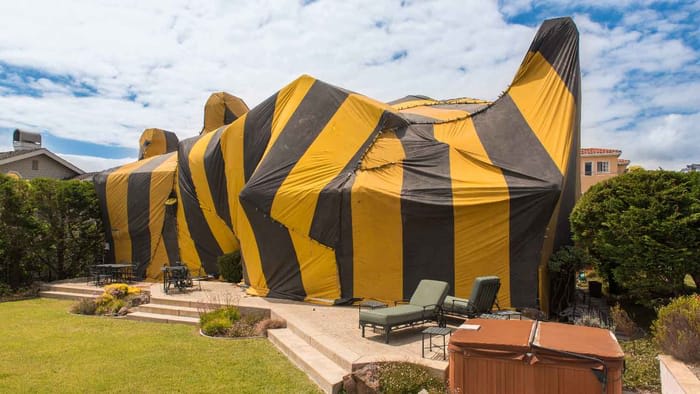
Tenting is a costly but effective way to exterminate termites. Learn the average termite tenting cost and everything that will factor into your budget.
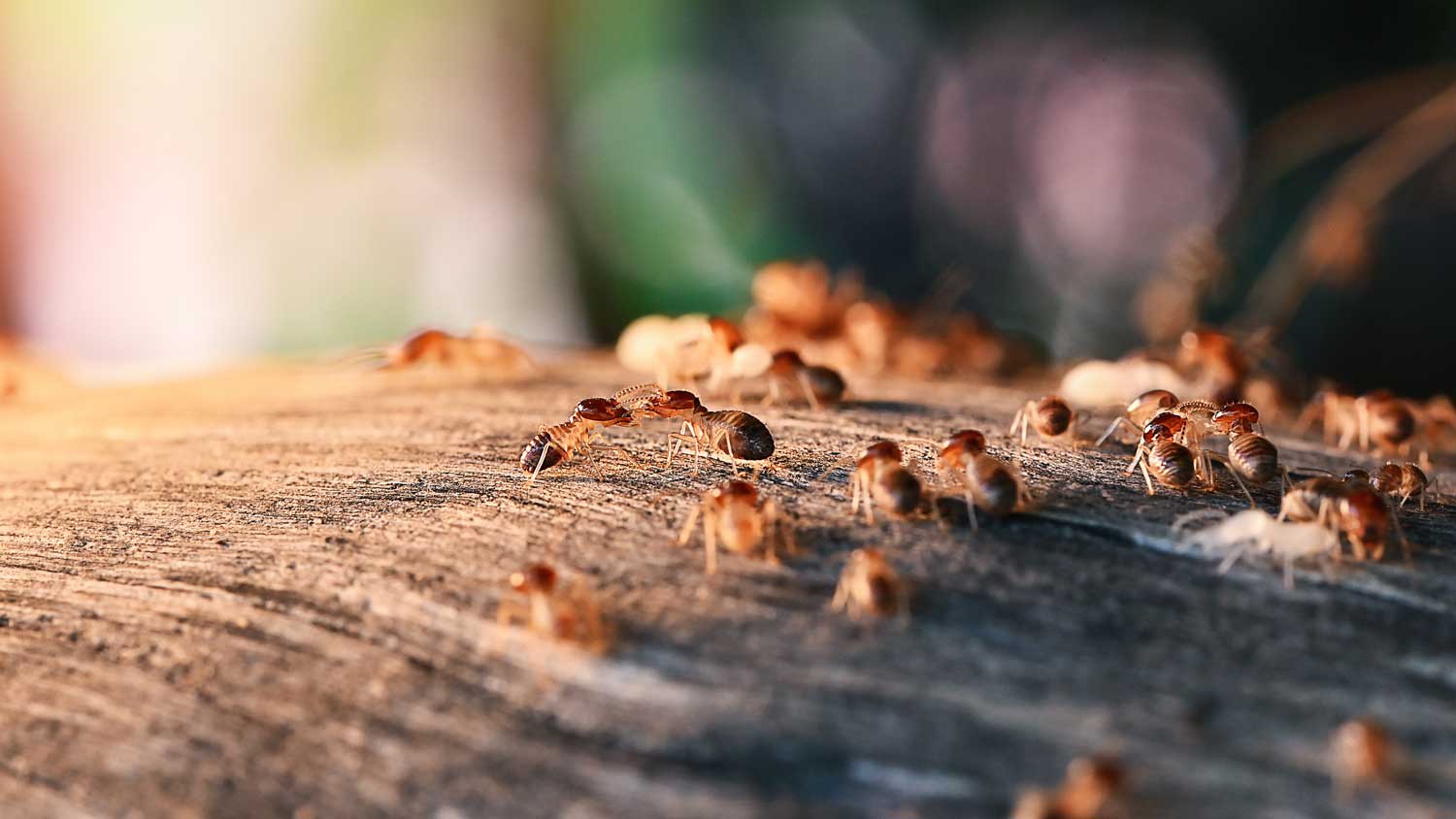
The termite inspection cost varies based on your location and reason for getting the service. Learn more about termite inspection budgeting.

Termites often cause major damage before they’re discovered, but there are ways to restore your home. This termite damage repair guide reviews your options.
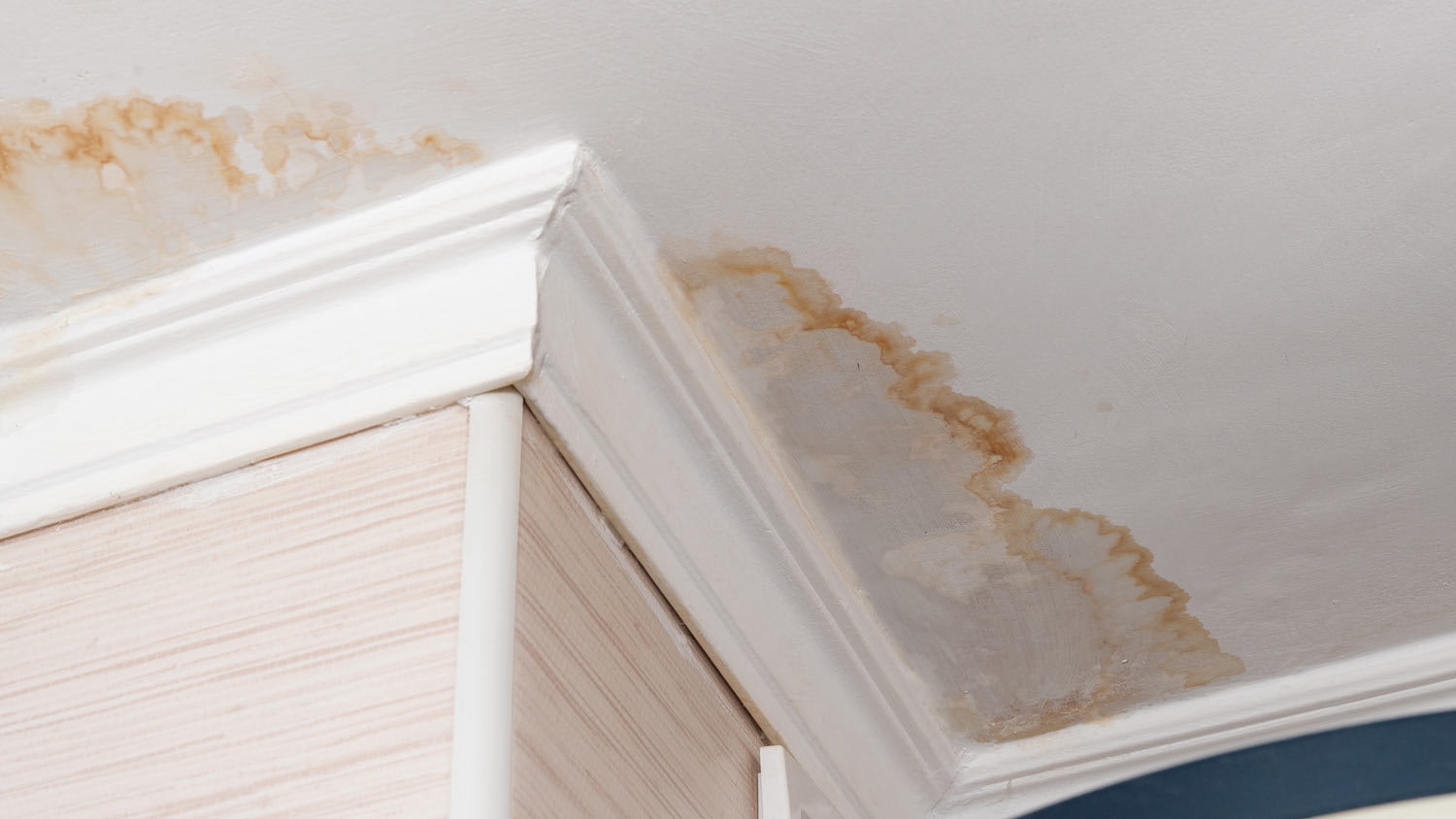
Water and termite damage can compromise your home's structural integrity. Learn how to spot their differences and stop the problem before it gets worse.
Knowing how to tell the difference between termites and wood rot is essential for hiring the right pro and treating the problem before it’s too late.