

•
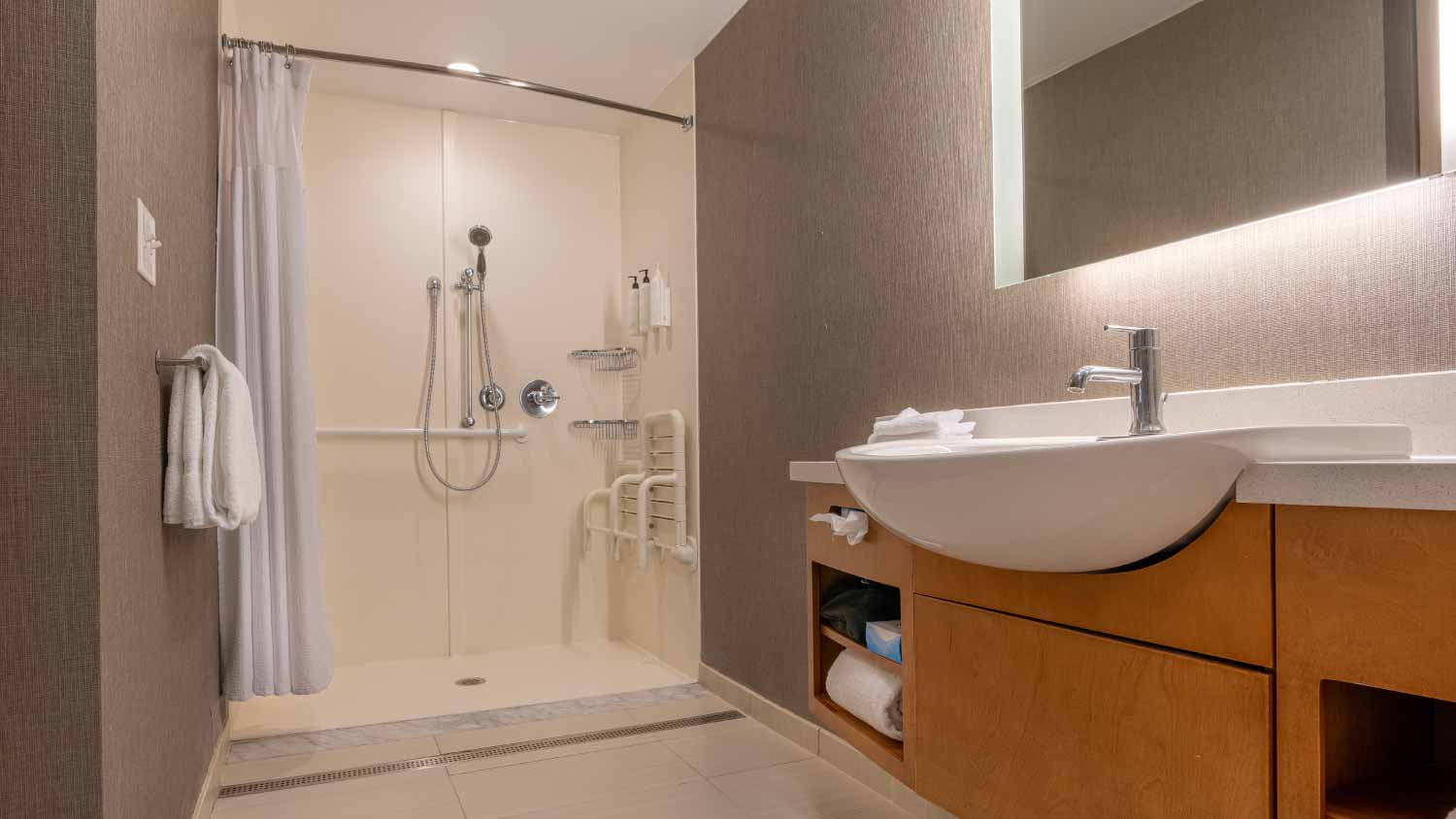
Discover handicap accessible bathroom remodel costs, including average prices, key factors, and tips to help you plan an accessible bathroom remodel.
Kitchen and bathroom remodel costs depend on your project and location. Check with a local pro for your specific job.

Your wheelchair accessibility remodel ranges from $125 to $19,675, with an average cost of $4,378.
The rooms you choose to modify and the scope of structural changes needed determine your final accessibility project costs.
Labor accounts for 10% to 20% of your budget, and you should include permits and material costs.
Hiring a local home remodeling professional ensures your accessibility updates meet ADA guidelines and helps the home retain market value.
In 2026, the national average cost to make a home wheelchair accessible is $4,371, based on 403 verified projects reported by Angi Pros. Most homeowners pay between $701 and $8,041, depending on the rooms modified, the scope of structural changes, and material choices. Simple upgrades like installing ramps or grab bars can start at $125, while larger renovations such as widening hallways or adding walk-in tubs can reach $19,675.
The cost to install accessibility features in your home depends on your specific needs, with mobility renovations typically costing more than modifications for sight or hearing impairments. Interior upgrades—such as grab bars, stair lifts, and ADA-compliant kitchens and bathrooms—tend to be the most involved and costly changes. Exterior modifications like ramps, railings, and improved lighting are often more straightforward and budget-friendly. The breakdown below covers common alteration types and their associated costs.
To make a home fully wheelchair-accessible, expect to spend anywhere from $2,000 to $75,000, with the primary cost factor being the scope and complexity of the changes required. On the lower end, simple upgrades like adding grab bars, installing interior railings, or lowering thermostat height keep costs manageable. On the higher end, projects like widening doorways or adding a home elevator push budgets significantly higher. Here are some common interior upgrades for wheelchair accessibility, along with their average costs:
Adding grab bars and handrails: $100–$500 each
Interior railings: $1,000 on average
Cabinet and sink installations: $1,500–$8,500
Installing nonslip flooring: $3–$22 per square foot
Installing a stair lift: $1,500–$5,000 each
Install an elevator in your home: $2,500–$60,000
Lowering thermostat height: $75–$300 for each unit
Converting to bathrooms and kitchens that comply with the standards for accessible design outlined by the Americans with Disabilities Act (ADA) : $9,000–$40,000
Widening a doorway: $700–$2,500
Widening hallways: $30,000–$40,000

Exterior accessibility features—including ramps, railings, and door handles—can cost anywhere from $200 to $16,000 or more. Common lower-cost upgrades include motion-sensing lights and path widening, while larger projects like porch lifts and landscaping changes sit at the higher end of the range. Here are some common exterior accessibility modifications and their costs:
Adding a wheelchair ramp to an existing deck: $1,000–$4,000
Adding railings: $1,000–$2,500
Installing a front porch or patio lift: $2,000–$6,000
Widening paths: $650–$2,000 (depending on the length of the path)
Increase outdoor lighting: $2,000–$6,000
Adding motion-sensing lights: $200–$600
Changing the landscaping: $300–$16,000 (depending on square footage)
Several factors beyond the core renovation work can affect what you pay to make your home accessible. The full scope of your project, the rooms you plan to upgrade, material quality, local labor rates, and ADA compliance requirements all play a role. Understanding these variables upfront helps you build a more accurate budget and avoid surprises.
The number of rooms you remodel is one of the biggest drivers of your total project cost, ranging from $100 for small DIY upgrades to more than $20,000 per room for substantial upgrades. Homeowners who tackle multiple rooms during a single accessibility remodel typically spend $18,000 to $75,000 in total. Consolidating work into a single project phase can reduce labor costs compared with completing rooms separately.
The type of room you renovate shapes your accessibility costs, since each space requires a different set of upgrades. Kitchens and hallways tend to be the most expensive rooms to modify, while offices and bedrooms can often be updated for far less. The table below breaks down average accessibility remodeling costs by room type:
| Room | Average Remodel Cost in 2026 | Upgrades |
|---|---|---|
| Bathroom | $3,000–$25,000 | Curbless showers, ADA-compliant toilets, grab bars, shower seating, nonslip flooring, layouts to accommodate wheelchairs |
| Kitchen | $13,000–$38,000 | Lowering cabinets and countertops, widening open floor space |
| Bedroom | $100–$12,000 | Widening doorways and closet entrances, adding grab bars and bed rails, installing brighter lighting and slip-resistant flooring |
| Office | $50–$5,000 | Adding a wheelchair-accessible desk, widening the doorway |
| Stairs | $1,000–$6,000 | Installing a chair lift, adding a railing |
| Hallway | $30,000–$40,000 | Widening hallways in older homes to make them wheelchair accessible |
Material prices vary significantly depending on the type of upgrade you choose. Prefab walk-in tubs and curbless showers made from acrylic or fiberglass cost less than custom-built showers with luxury tile. Similarly, hardwood or bamboo flooring carries a higher price tag than slip-resistant vinyl, making material selection one of the most controllable levers in your overall budget.
Converting a bathroom or kitchen into a fully ADA-compliant space costs $9,000 to $40,000, making compliance one of the more significant cost factors in an accessibility remodel. The Americans with Disabilities Act (ADA), passed in 1990, sets the standard for accessible design—and while its guidelines are required only for public property, most homeowners follow them as closely as possible. ADA-compliant renovations cost more than basic accessibility upgrades because they often require additional labor and structural changes. If you plan to sell your home and market it as accessible, meeting these standards is especially important.
Labor accounts for 10% to 20% of the total project cost, with most contractors charging between $50 and $150 per hour, though they typically quote per job or per day. For accessible design work, it is important to hire a local home remodeler who understands ADA guidelines. Because accessible design can range from simple upgrades to full remodels, you may need to bring in several types of contractors:
General contractor: 10% to 20% of the project cost
Electricians: $50–$150 per hour
Plumbers: $45–$200 per hour
Structural engineers: $70–$250 per hour
Universal design aims to make bathrooms functional and safe for all in the home. Features include grab bars, a comfort height toilet, slip-resistant flooring, a shower seat, a walk-in tub, a curbless shower, and making the bathroom wheelchair accessible.

What you pay to make your home accessible varies by location, with local labor rates, cost of living, and the scope of modifications needed all influencing the final number. Costs in higher-cost-of-living states like New York and California tend to be higher, while states like Pennsylvania and Wisconsin often fall on the lower end of the range. The table below shows average accessibility modification costs by state:
| Location | Average Cost in 2026 |
|---|---|
| Arizona | $4,000–$10,000 |
| Wisconsin | $800–$8,000 |
| California | $2,000–$9,000 |
| Maine | $800–$8,000 |
| Colorado | $600–$19,000 |
| Nebraska | $800–$8,000 |
| Pennsylvania | $600–$6,000 |
| South Carolina | $800–$8,000 |
Retrofitting your home for accessibility costs an average of $4,500, while a full remodel runs $18,000 to $75,000, with the primary cost factor being whether you need structural changes or only surface-level modifications. Home modifications cover smaller jobs—like installing grab bars or lever-style faucet handles—while remodeling involves larger structural work, such as widening doorways to accommodate wheelchair users.
Small modifications can meaningfully improve safety and function, but your specific needs will determine which approach is right, especially if you plan to age in place. Issues like narrow egress or limited floor space often require a full remodel rather than simple modifications.
The only way to remedy issues such as a narrow egress or limited floor space, which make using a wheelchair or walker in the room difficult or impossible, is to remodel. It's common for homeowners to move plumbing fixtures and knock down walls to create more accessible open floor plans in bathrooms and kitchens, and to meet ADA guidelines.
Transforming an entire existing structure to be wheelchair accessible is a major project for which most homeowners don't have the skills, time, tools, or patience. Instead, you'll want to hire a local remodeling company experienced in accessible design.
Remodeling pros are the best bet when updating a home to be more wheelchair accessible. Here's why:
A total transformation could require a wide range of skills, from drywall and carpentry to plumbing and electrical.
Total renovations of a bathroom or kitchen can be weeks-long projects that homeowners can't budget time for.
Large projects, such as elevator and stairlift installations, or widening hallways and doorways, require certifications, specialized skills, and expensive equipment; undertaking these tasks on your own can be dangerous.
Professionals can ensure all updates are compliant with the ADA; this is crucial if you eventually sell your home and advertise it as accessible.
You should not attempt a whole-home renovation on your own, whether it's to make the space accessible or simply to bring it into the 21st century. But you may be able to tackle some accessibility updates yourself, using a piecemeal approach. Here's what you might be able to tackle on your own:
Installing nonslip flooring
Adding grab bars and handrails
Installing interior railings
Installing lower sinks and accessible tubs (if you have plumbing experience)
Lowering the thermostat or cabinets

Wheelchair accessibility home modifications can add up quickly—a wheelchair ramp alone costs $2,300 on average. Fortunately, there are practical strategies that can help you manage costs without sacrificing the upgrades you need. Here are a few ways you can save:
Look for grants: People with disabilities may be entitled to a home modification grant to help cover accessibility upgrades in their homes. There are various federal and state grants, including grants through the U.S. Department of Veterans Affairs (VA) and the U.S. Department of Housing and Urban Development (HUD), so research potential opportunities.
Talk to your accountant: You might be able to deduct certain accessibility upgrades, like adding a ramp or widening doorways, as a medical expense. Talk to your accountant before you start your project.
Choose mid-range materials: Instead of springing for luxury materials, choose mid-range materials for your remodel. Choose durable materials with a budget-friendly price tag.
Only make the necessary upgrades: Consider pairing down your remodel to include only the necessary upgrades. For example, if you plan to age in place, rather than remodeling both of your bathrooms, focus your accessibility upgrade on the lower-level bathroom that you're more likely to use.
Before hiring a remodeler, ask about their experience with ADA compliance; they may be able to show you a portfolio of their work.
Though you may have ideas of all the changes you’d like to see, ask what else they would recommend to make life easier for a wheelchair user.
If you’re on a tight budget, ask about more affordable brands and materials; otherwise, be prepared to prioritize the most impactful projects.
Major renovations can take a considerable amount of time; ask each contractor you’re considering for a project timeline and ensure you understand whether your home will be inhabitable during each stage of the renovation.
Home is the most important place on earth, which is why Angi has helped more than 150 million homeowners transform their houses into homes they adore. To help homeowners with their next project, Angi provides readers with the most accurate cost data and upholds strict editorial standards. We survey real Angi customers about their project costs to develop the pricing data you see, so you can make the best decisions for you and your home. We pair this data with research from reputable sources, including the U.S. Bureau of Labor Statistics, academic journals, market studies, and interviews with industry experts—all to ensure our prices reflect real-world projects.
Want to help us improve our cost data? Send us a recent project quote to [email protected]. Quotes and personal information will not be shared publicly.
Jason has helped me with multiple household projects, with the most recent being new door installation. He has always showed up on time and organized and has done an incredible job! Jason is very professional and he's now my go-to for anything around my house that needs to be fixed or...
 Huff Garage Rescue, LLC
Cole has been handling plumbing and general contracting for our four properties over the past three years, and he’s always done a great job. Most recently, he installed a sink and countertop in our retail store where none existed before, and it turned out exactly how we needed. He’s...
 ANB Renovations LLC
1st Choice Renew is simply the best! We hired them for a complete home renovation, and they transformed our space into something truly amazing. The team attention to detail and commitment to quality were evident throughout the project. They were easy to work with, very responsive, and always...
 Save A Dime
This company went above and beyond with their work, chimney sweeps are usually pretty messy, but the clean up was spot on.!! Josh explained every thing that he was doing, and the things that he was checking to make sure the chimney was safe for me and my family. He was very professional,...
 Supreme brick & chimney
Custom Paint Jobs LLC turned our outdated bathroom into a modern masterpiece.
 Custom Paint Jobs, LLC
Excellent customer service and knowledge. I was recommend to him from my neighbour. My front door and window came in great and were installed beautifully perfectly, I m very satisfied with their excellent work, so decided to order one more big bow window for my living room. I cant wait for...
 Window Depot USA of Central Ohio
If I could give 10 stars for Kitchen Tune Up, I would. I cannot say enough good things about my experience with Kitchen Tune Up and the entire team involved in the process of my kitchen project. They went above and beyond as far as service and quality with my cabinets, paint, countertops, and...
It was wonderful working with Yordy and his team. They were very professional and are experts in what they do. They have completed the work on time, with better quality and with in fairly reasonable price. We just started with backsplash work , but liking his work, we went on to provide...
 Flooring Solutions
We were having 2”x 2” tile installed . There was a small installation error and the new additional replacement tile was from a different lot and the colors didn’t match. Joe assured us that he would rectify everything , which he did without hesitation. We decided to go with the 18” x 36” tile...
 CarifaTile
They work that 360 did on my kitchen cabinets is nothing short of amazing. I still cannot believe the difference from before and after. Jon and Jeff were both so incredibly professional throughout the whole process and their communications with me were constant and consistent. These guys...
 360 Painting Columbus
From average costs to expert advice, get all the answers you need to get your job done.
Discover handicap accessible bathroom remodel costs, including average prices, key factors, and tips to help you plan an accessible bathroom remodel.
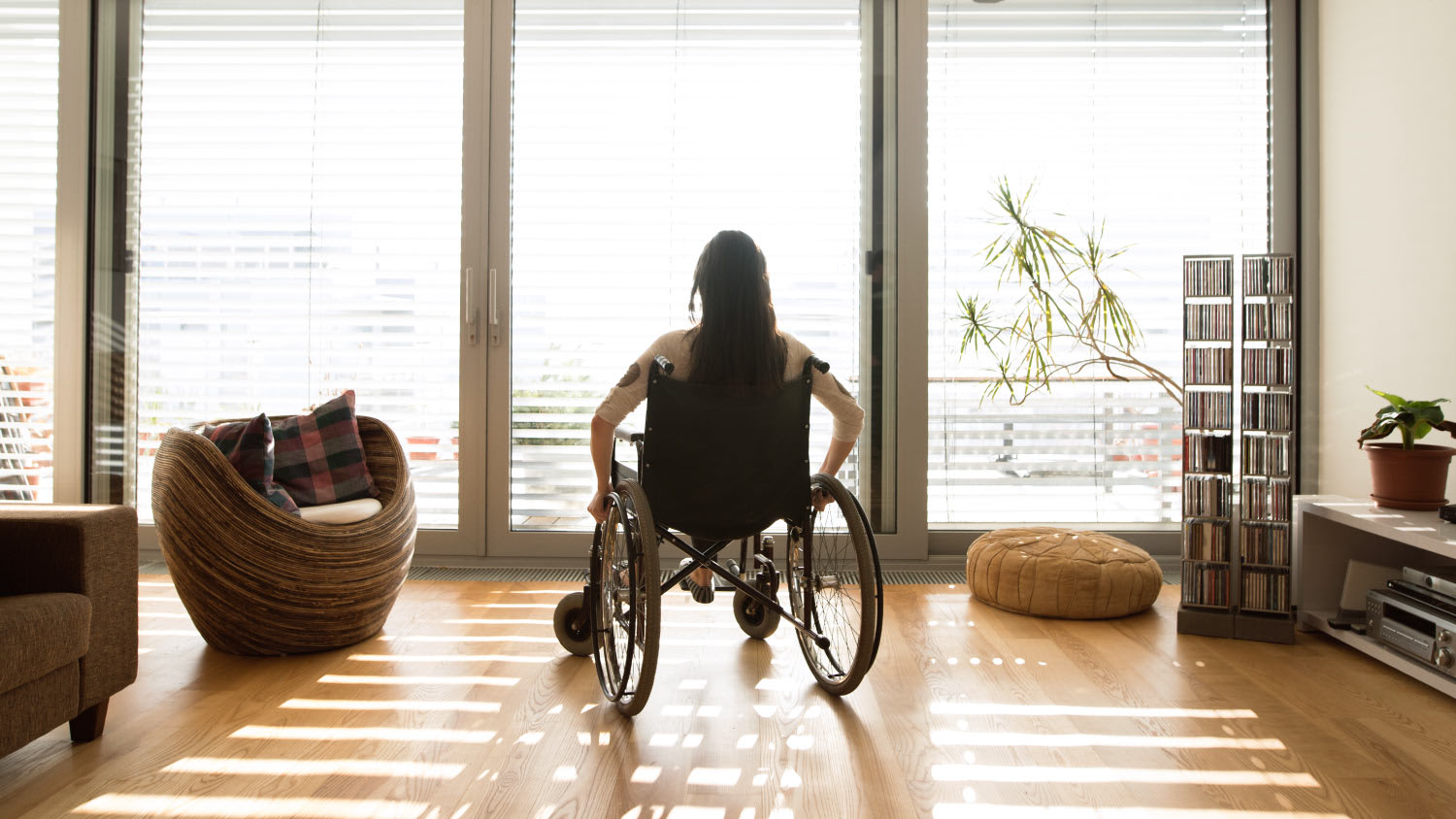
Discover the cost to widen a doorway for wheelchair access, including average prices, key factors, and tips to help you budget your accessible home remodel.
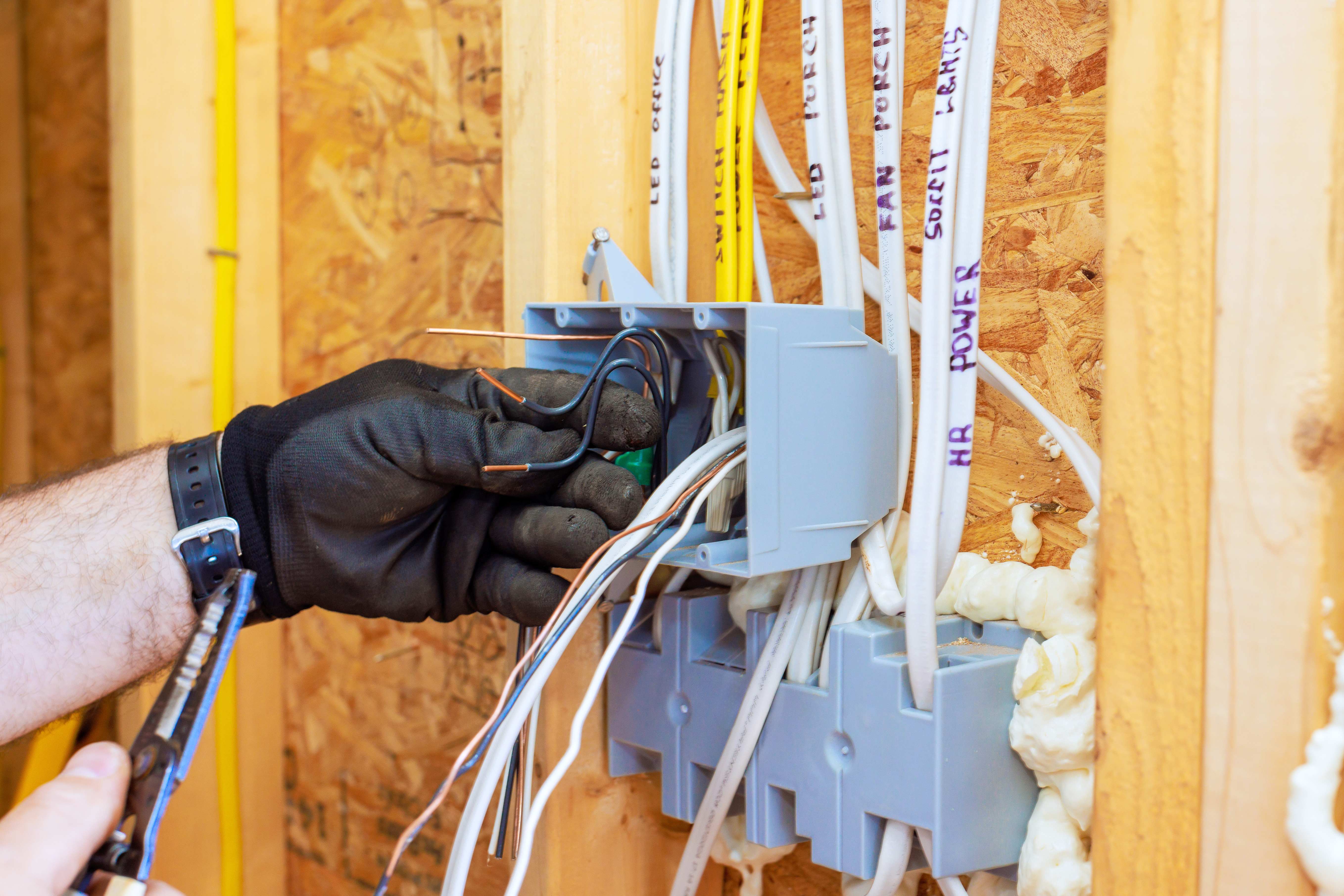
Discover the average cost of home theater wiring, including labor, materials, and key factors that impact your total price. Learn how to budget and save on your project.
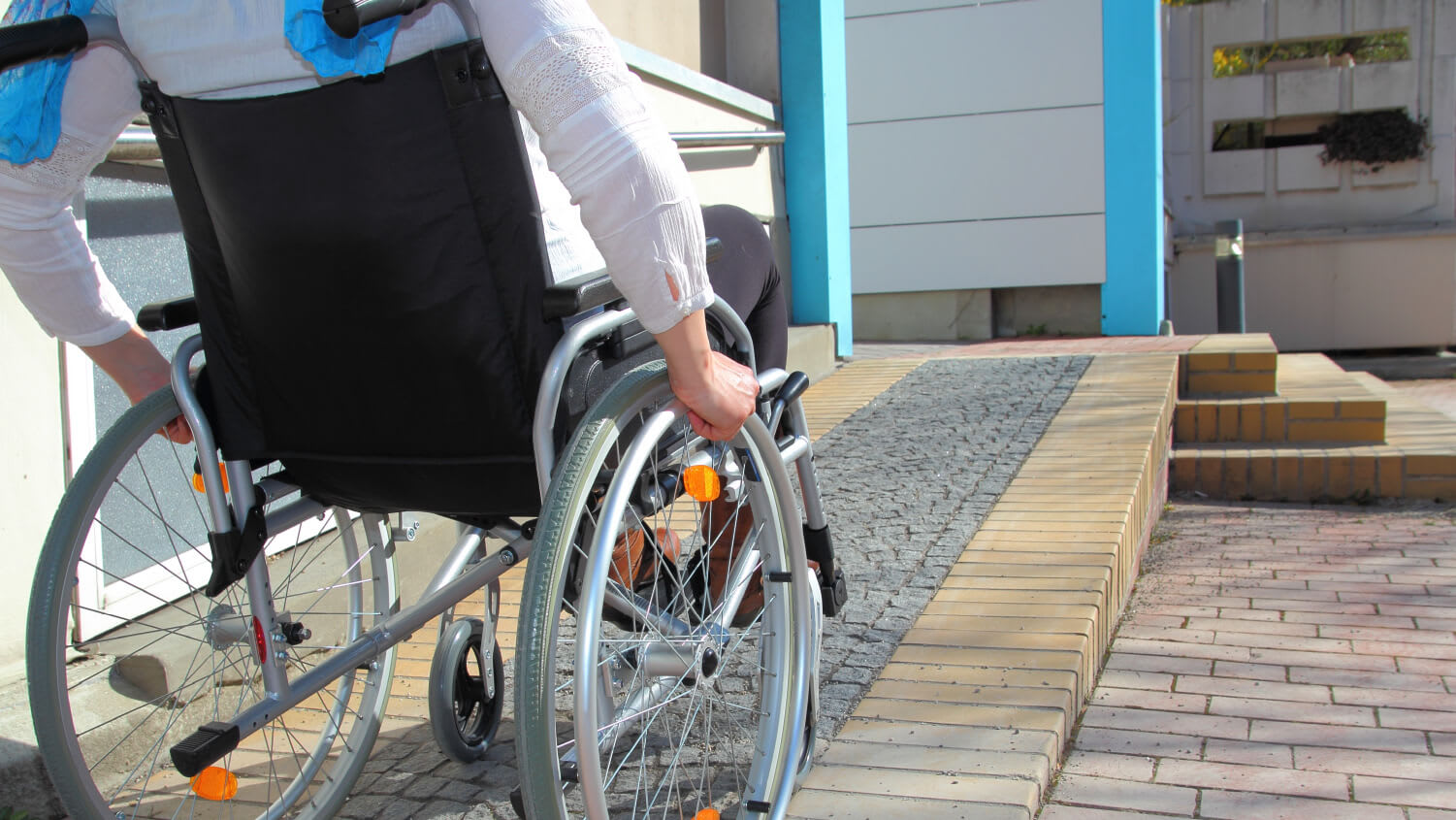
Unsure who to hire to make a home accessible for disabilities? See the pros involved, what to expect, and how to get started.

From grab bars to wheelchair ramps, you don’t have to reconfigure your entire home to add handicap accessibility, enabling loved ones to maneuver independently
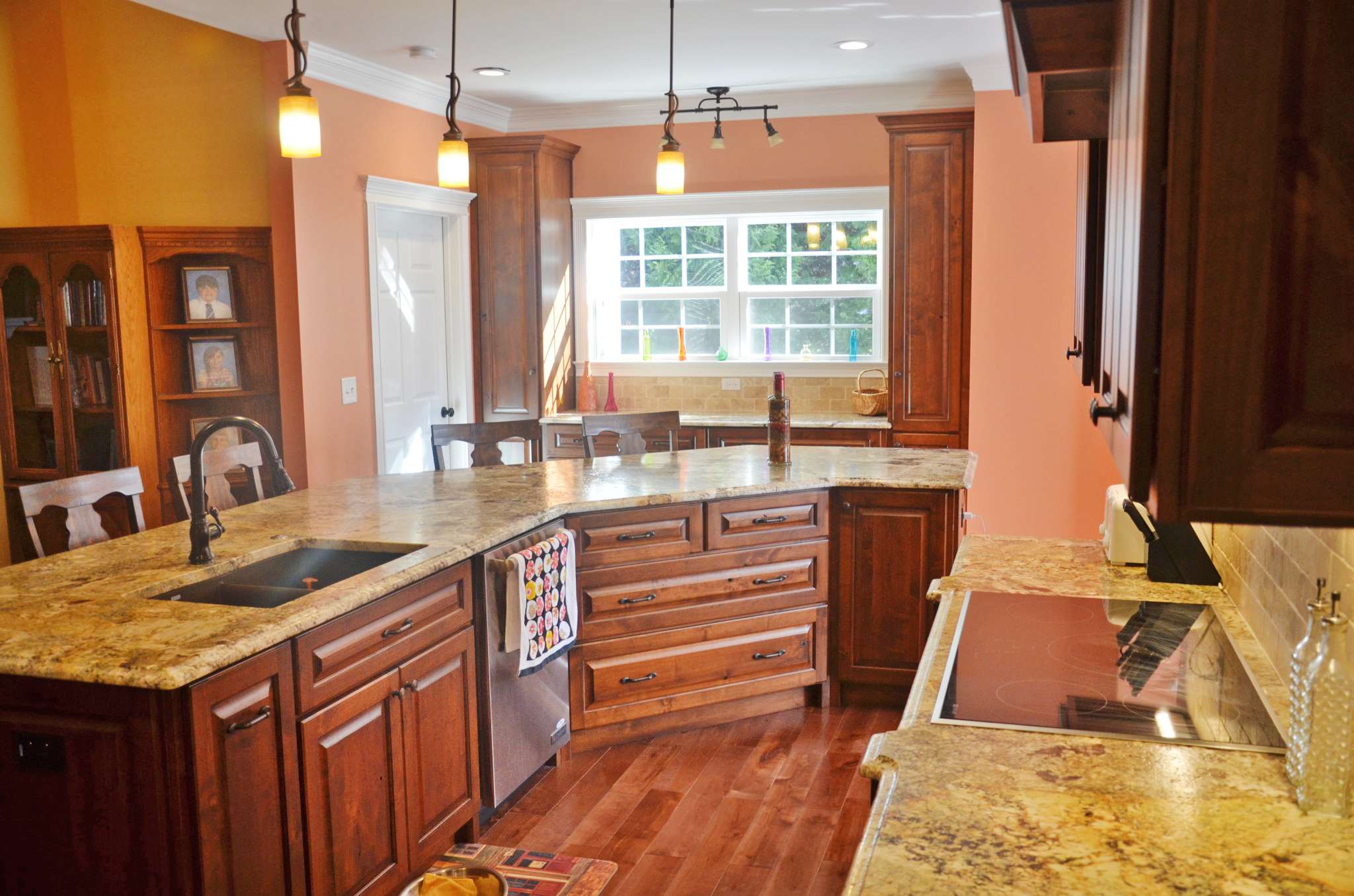
This Georgia remodel makes home more stylish while also making it handicap accessible, allowing family to stay in their home instead of moving.