
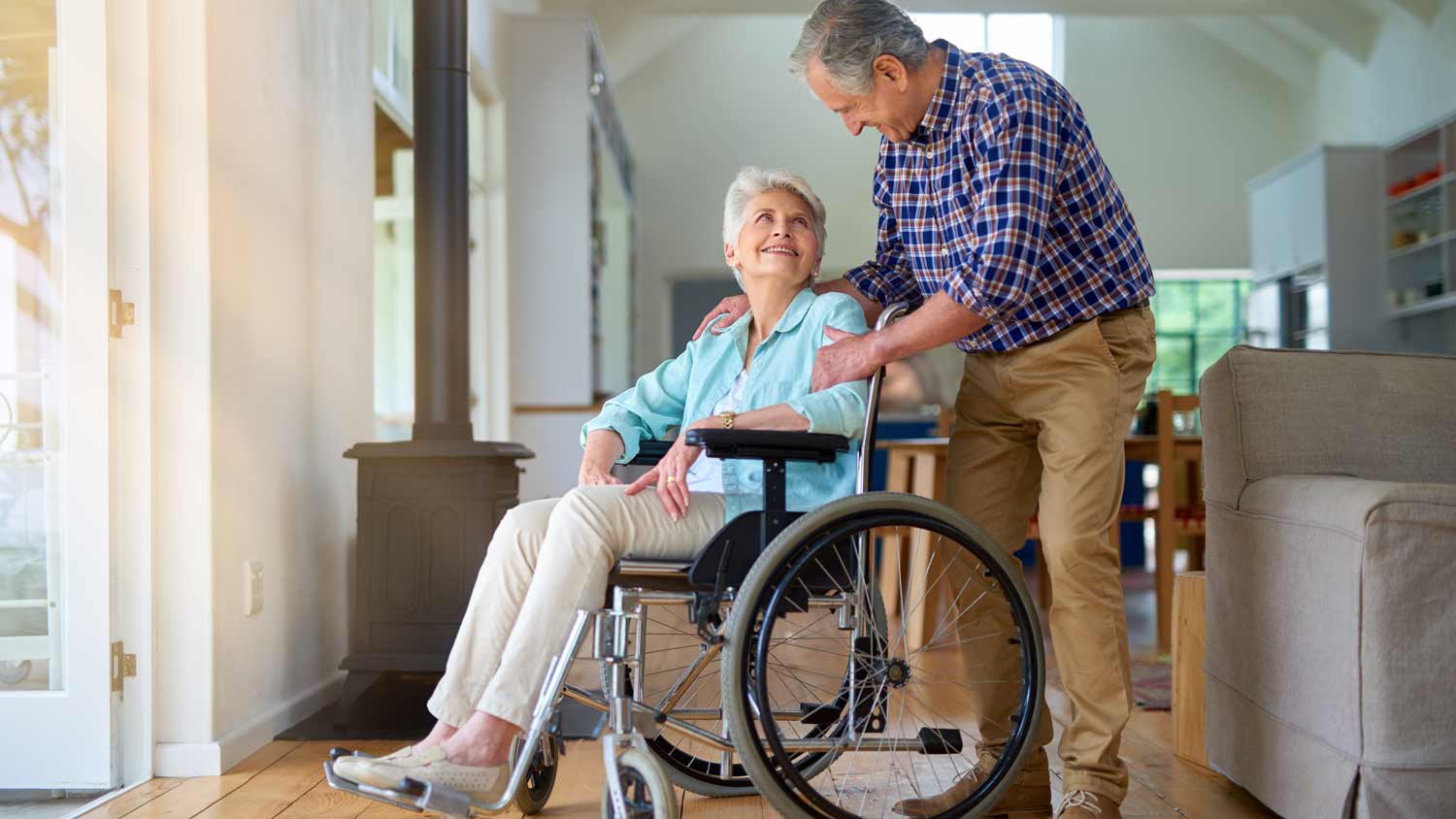
As you grow older, implement these aging in place home improvements to ensure you can safely stay at your home for as long as possible. Learn more in our guide.
Aging in place requires a solid plan

Aging in place means you stay in your home independently as you grow older, keeping your familiar surroundings and autonomy instead of moving to assisted living.
Expect to pay $4,400 on average to make your home accessible, with costs ranging from $700 to $8,100 depending on the renovations you need.
Your home needs accessibility features like grab bars, walk-in showers, wheelchair ramps, and lever door handles to support safe, independent living as you age.
Hiring a local remodel design professional removes the guesswork from planning your accessibility upgrades and ensures your home supports comfortable, safe independent living.
Whether you’re approaching your golden years or you have a loved one who is, adjusting your home to make it safe is essential for aging in place. But what is aging in place? And, how can you make aging in place a reality for your home? Stay tuned as we review these questions and more to get you started on your project.
When a homeowner wants to age in place, there is a lot to consider. For help with planning, contact a pro who can ensure you receive a comprehensive home remodel.

Aging in place is when you choose to live in your home independently for as long as you can as you age. Many older adults prefer to stay in their homes instead of going to nursing homes or assisted living homes after a certain age. Doing so provides a sense of autonomy to anyone who would rather retain the comfort of their home. If done right it can be a way to extend independent living until long-term care becomes necessary.

Most homes don’t currently have what it takes for residents 65 and up to age in place. According to the United States Census Bureau, only 10% of housing units are equipped to handle aging populations. The Bureau’s 2019 American Housing Survey report states that approximately 40% of U.S. houses have basic accessibility features. As a result, you'll need to implement careful aging-in-place house plans for success.
There are many elements to consider, so we recommend working with a remodel design company near you to turn your concept into a practical solution for aging in place. Here’s the basic run-down on how to age in place so that you know where to start when you reach out to contractors in your area.
As older populations age in place, they may need personal care services involving health aids who come over to help with daily living. If you or your loved one is unable to do these things independently, find someone in the area to assist with dressing, meal preparation, and personal hygiene.
Some seniors require housekeepers to maintain cleanliness in places that are hard to reach. Hiring a cleaning company near you is one way to have the benefits of living in an aging home without moving to a senior facility. Most professional cleaners charge between $25 and $80 per hour, depending on your location.
Mobility makes all the difference when it comes to aging in place, which is why installing accessibility features in your home is key to independent living in old age.
Aging in place can reduce your physical activity if you're not careful, so aim for a physical lifestyle by creating an exercise plan that keeps you active. The Centers for Disease Control (CDC) recommends that adults 65 and up receive weekly aerobic, muscle strength training, and balance-based exercises. Aim for a minimum of 150 minutes of moderate activities per week.
Anyone who decides to age in place should have safety features for quickly reaching emergency services. Ensure you have access to 911 or other medical services at all times, and consider installing security cameras and other home automation measures to alert you and caregivers to any signs of trouble the moment they arise.
Choosing to age at home might be a lonely decision for seniors who don't have a good support system that helps them socialize. Having friends and family nearby to assist can go a long way towards helping you stay in your home for as long as possible. Stay active in your community by attending groups, hobbies, and sports, and keep in touch with your loved ones and neighbors.
Driving can become less of a reality as you age, making it important to have transportation alternatives. Programs like Medicare or Medicaid’s non-emergency transportation services and other state, local, and national programs may assist older Americans with local transportation resources.

Knowing just what to renovate or install in your home will determine how well-prepared you are for aging in place. For instance, even if you’re not in a wheelchair, planning to age in place with this possibility later down the road can better prepare you for all situations. Creating a wheelchair-accessible home is one way to cover all possibilities of limited mobility for aging in place.
With this in mind, here’s an aging-in-place remodeling checklist you can use to achieve better accessibility:
Walk-in bathtub or shower
Shower seat or bench
Grab bars
Comfort height toilets
Lever door handles
Slip-resistant flooring
Strategic landscape designs
Aging-in-place kitchen design, including lower countertops, cabinets, appliances, and light switches
Aging in place is a big decision that comes with several advantages and disadvantages worth weighing before you decide. Let’s go over the pros and cons to help you decide whether or not aging in place is the right choice.
It’s familiar
Less adjustment than moving
No need for moving assistance
You don’t have to downsize
Gives more independence
May save money long-term
It’s harder to maintain
It can be isolating
Increased safety risks
Requires upfront investments in accessibility upgrades
The average cost to make a home accessible is $4,400, but it can range anywhere from $700 to $8,100 depending on the level of renovations and features. Some installations, like home elevator costs, run up to $60,000. Consider having an aging-in-place home inspection with a professional home inspector near you to determine what steps you'll need to take to stay within budget.
Exquisite workmanship from Custom Paint Jobs LLC. My home has never looked better.
 Custom Paint Jobs, LLC
Visited my home for estimate same day that I called. Painted on Saturday. Great job. Good price!
Window Depot did an amazing job on my deck. I wasnt sure what I wanted to do, but their composite decking was affordable and will last a long time. I am excited to have family over, and I am no longer embarrassed by my backyard. Jeff and the ground crew were polite, respectful, and caring for...
 Window Depot USA of Central Ohio
The guys did an outstanding job and we had a great experience with CarifaTile. I appreciated that Joe reviewed the quotes with me and set expectations prior to the install. The crews showed up as scheduled and always left the areas clean upon leaving the house. We will definitely use...
 CarifaTile
Beginning with the estimate, Larry and Peyton were super helpful in getting my new condo's interior re-painted. Not only was the job well done, but also done in a super timely manner as promised.
 Five Star Painting of Plain City and Powell
BJ Trim Carpentry rescued me in the middle of a do-it-yourself project. I found I needed more expertise than I had...and more TOOLS! BJ Trim Carpentry responded quickly and completed what I needed expertly, politely and with a little humor!
This brownstone is historical and the carpentry work is very detailed. I was very happy to secure a company in NY and living in OH to complete the request. Wood work on this brownstone has been existing since approximately 1888 and West side did a GREAT JOB. I will not be able to...
 Westside Home Improvement
We had a great experience with Mark Rodgers Construction. We were in the process of seeking out estimates for possible foundation work for our front porch. Mark came out himself to provide the estimate. Turned out that the company deals mainly with concrete, so we wouldn't be getting an...
 Mark Rodgers Construction
Overall this experience was incredible! I looked on Angies List for a cleaning service because I was planning a holiday party and wanted to make sure we found a reliable, thorough and efficient cleaning service to make sure everything was perfect for the party since we had co-workers and...
From beginning to end our experience with Joe was very good. He was professional and prompt in his estimate for the job and worked hard to meet our schedule so that he could remove our old backsplash the day before our new countertops were removed and return shortly after they were removed to...
From average costs to expert advice, get all the answers you need to get your job done.
As you grow older, implement these aging in place home improvements to ensure you can safely stay at your home for as long as possible. Learn more in our guide.

Even a well-maintained home can have hazards for older adults. Learn how home inspections can help you reduce risks and stay safely in your home.

Aging in place house plans include ramping up wheelchair accessibility, lowering tall surfaces, and more. Follow these accessibility tips to get started.

Use this guide to discover essential tips for designing an aging-in-place kitchen that enhances safety, comfort, and accessibility for you or your loved one.
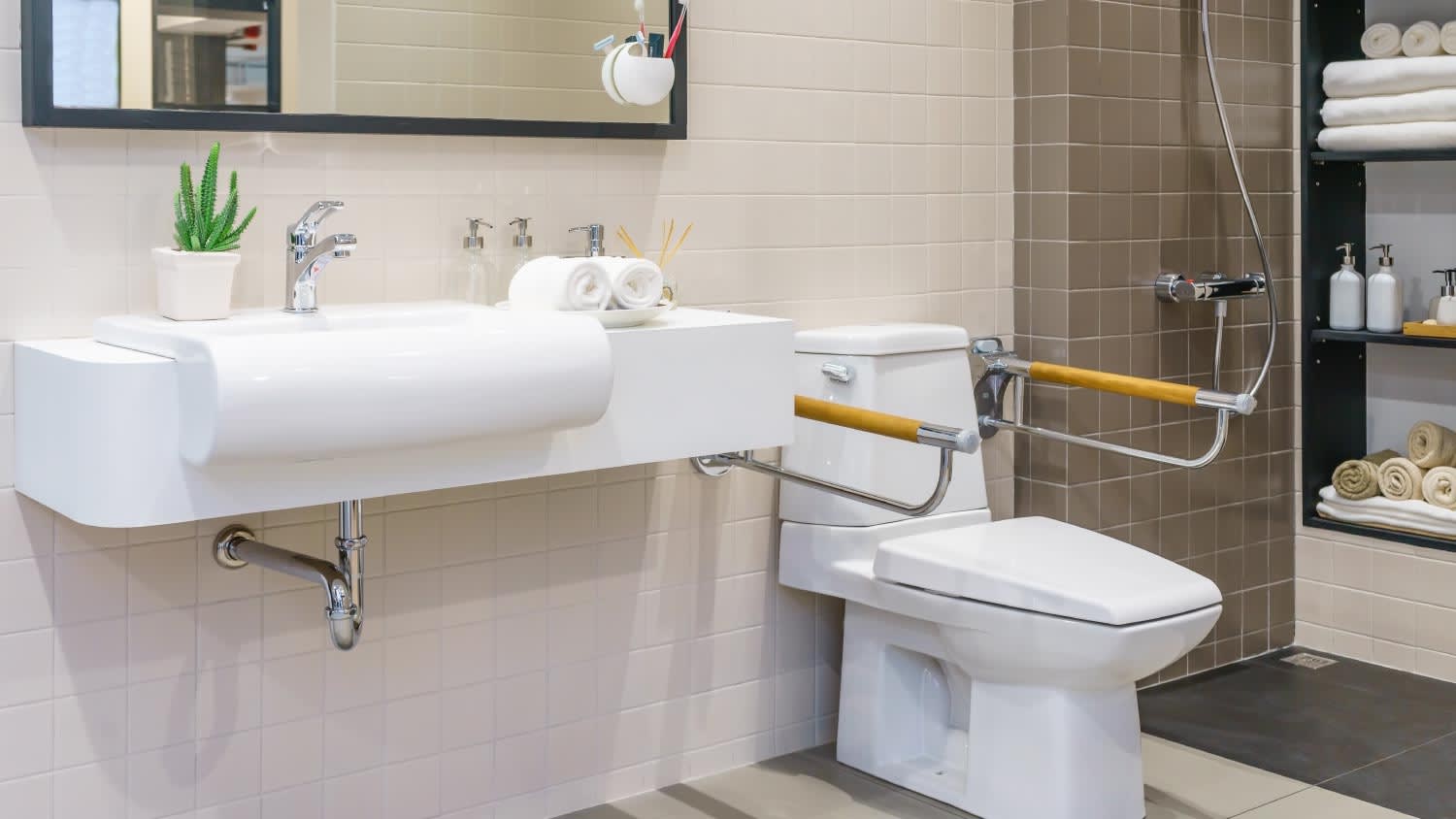
When planning a bathroom remodel for older adults, start by evaluating the mobility needs of the specific individuals residing in the home.
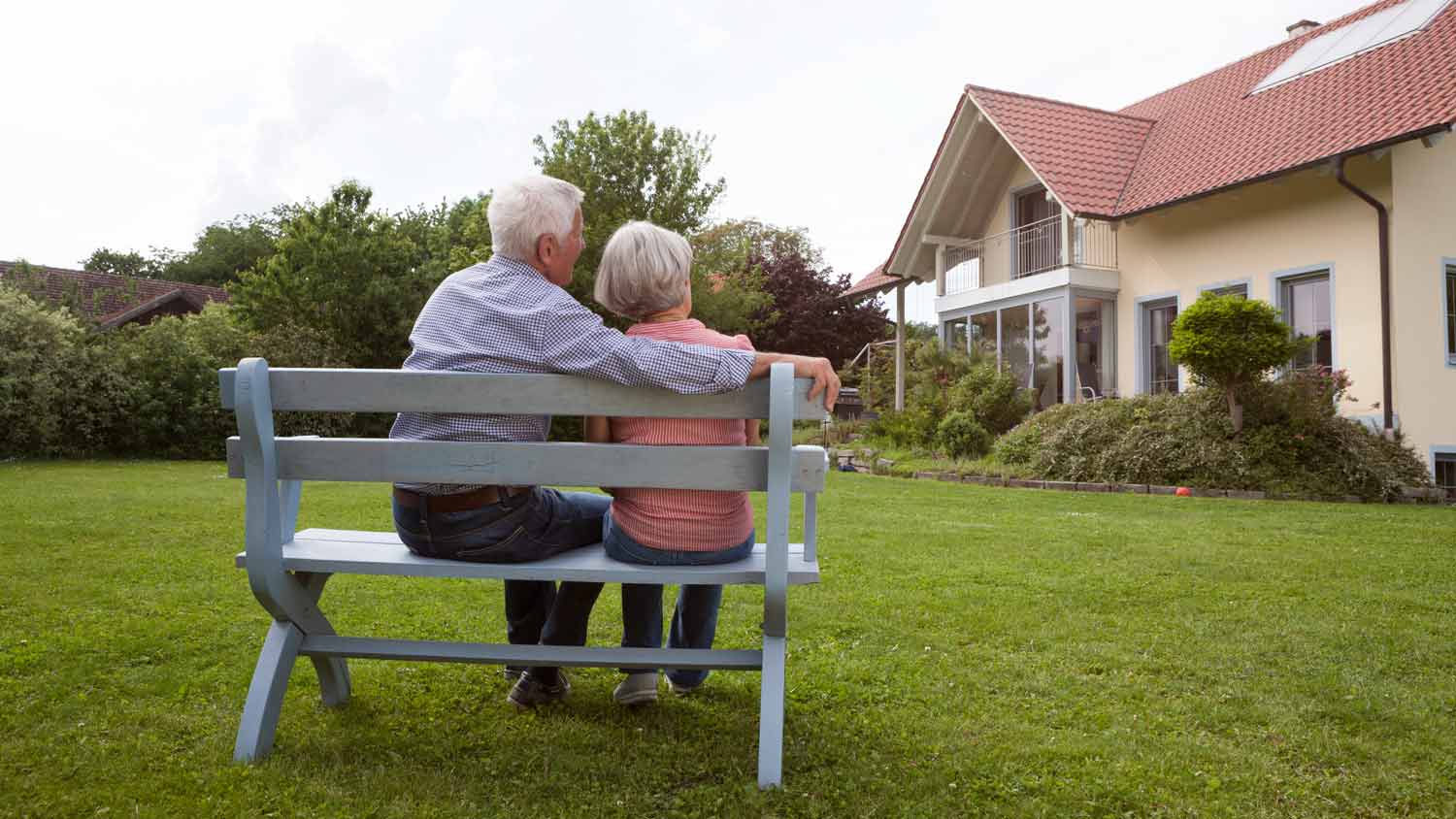
Older homeowners want to create accessible, low-upkeep outdoor spaces that grow with them. Discover six landscape designs for enjoying your home and nature.