
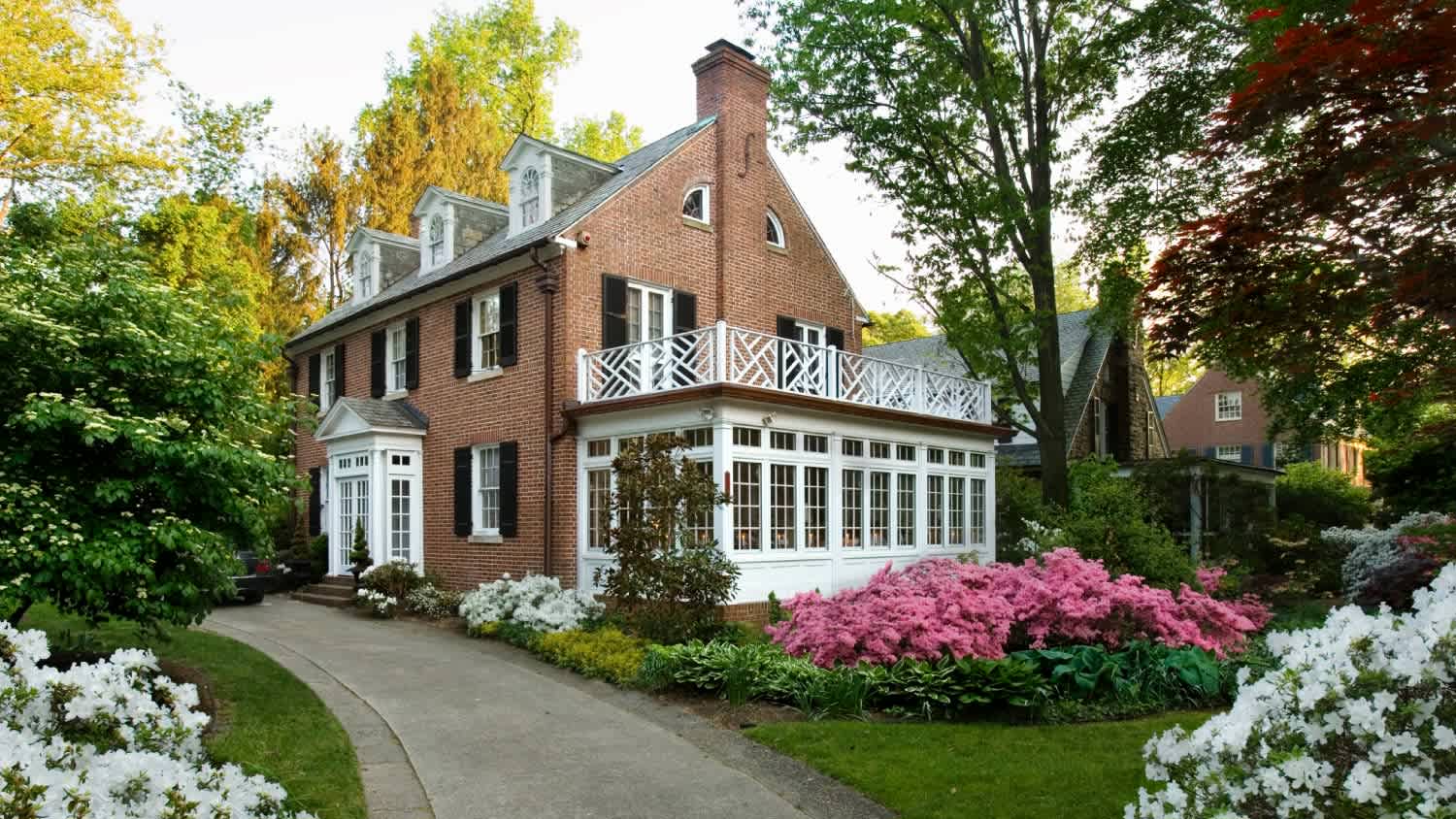
Looking for home gardening inspiration? Check out advice from nine gardening influencers on how to grow a healthy garden and have fun along the way.
Whether you want bigger blooms or a bountiful harvest, it’s all in the soil

Growing a garden starts with knowing your soil type, as loam soil supports most plants while clay, sandy, silty, peaty, and chalky soils need specific amendments.
Your garden soil needs the right pH level between 6.0 and 7.0 for most plants, and you can adjust it with limestone or sulfur-based amendments.
Water your garden when the soil feels dry rather than following a set schedule, and aim for early morning watering so plants dry out during the day.
Hiring a local soil testing professional takes the guesswork out of pH testing and helps you create the healthiest foundation for your garden with expert analysis.
No green thumb? No problem. A lush, blossoming garden doesn’t have to be a pipe dream—even if you’re the kind of gardener who could kill a cactus. In truth, how to grow a healthy garden has a lot more to do with knowledge than it does gardening talent. The right soil structure, the right pH, and the right kind of nutrients in your organic fertilizer are the difference between plants that survive and plants that thrive. These tips can help you ensure you have lots of outdoor plants you can’t kill (or, at least not very easily).
One of the first steps to creating great soil and a healthy garden is knowing your soil type. There are a lot of different soil structures, and what’s best depends on what you’re planting. If you’re not using pre-packaged garden soil, you’ll need soil addendums to fix common problems.
Loam soil is equal parts clay, sand, and silt. You’ll recognize it because it’s dark brown (almost black) and feels spongy and moist. It’s the ideal soil structure for most types of gardening.
Clay soil is usually a reddish color and stays clumped together. It can work well as a foundation if you’re planning a vegetable garden. Some flowers, like Black-Eyed Susans or Coneflowers, thrive in clay soil, but they will need finessing. Add organic matter like compost, pine bark, dead leaves, and gypsum to loosen up the clay and help with drainage.
Sandy soil is crumbly and dry, but it’s ideal for gardening with plants that need fast-draining soil like succulents, cacti, and citrus fruit trees. Unfortunately, watering easily washes nutrients away from sandy soil. You’ll need to add nutritious organic matter like compost, mulch, and organic fertilizers.
This type of soil clings to moisture and nutrients—but it can drown your plants without proper drainage. Add organic matter like compost, pine bark, or gypsum to help.

Chalky soil is alkaline (which we’ll get to below). Stick to plants that grow best in alkaline environments or fix the soil pH.
Peat comes from decomposed organic matter. Unfortunately, peat-heavy soil is acidic and lacks nutrients. Add nutritious organic matter that will lower the pH.
How to grow a healthy garden has a lot to do with soil. Most common garden plants prefer slightly acidic or neutral soil—somewhere between a pH of 6.0 and 7.0. Does this mean they’ll die in the wrong pH? Not necessarily. Instead, you’re more likely to end up with a poor crop yield or smaller blooms. In other words, your roses won’t look as rosy.
To grow the healthiest garden, from gardenia plants to green beans, use a soil test kit (or hire a local soil testing service) to check the soil pH. Most gardens will thrive at a 6.5 pH, but it depends on what you're planting. Some plants like potatoes or azaleas prefer more acidic soil. Other plants like ferns prefer slightly alkaline soil. Either way, you can alter the pH with different soil addendums:
To raise pH: add finely ground limestone or wood ash
To lower pH: add an acidic fertilizer, gypsum, ground sulfur, or organic matter like compost, sphagnum peat moss, or pine bark.
If you underwater a vegetable garden, you won’t get a bountiful crop. If you overwater your plants, it’ll lead to root rot and fungus. The truth is that a healthy garden has no watering schedule. There’s no magic length of time that will prevent water-related issues.
Instead, water your plants when the soil is dry and avoid wetting the leaves. The best time to water is early in the morning, so your plants have a full day of sun to dry out. If you’re short on time, hire a local outdoor plant watering service.
Even if you start with healthy soil, your garden soil will degrade over time. You may have to replace it every so often, but you can improve it by tilling your garden before planting, using mulch (which contains nutrient-rich organic matter and helps prevent weed growth), and regularly fertilizing.
As a rule, fertilize once during the winter using a slow-release 10-10-10 fertilizer (equal parts phosphorus, potassium, and nitrogen). During the growing season, fertilize your flower or vegetable garden every three to four weeks with quick-release fertilizer. If you’re growing fall crops, avoid fertilizing after the first frost.

Pruning may seem counterproductive, but it actually promotes new growth. If your plant isn’t wasting energy maintaining dying foliage, it can use that energy to grow new, healthy foliage. Best pruning practices include:
Removing unhealthy or diseased branches and stems
Removing dead or unwanted dead foliage
Pinching dying flowers below the bloom during the growing season
Trimming excess growth throughout the growing season
If you’re growing more than flowers, it’s also important to make sure that you harvest your vegetables at the right time.
Those new to gardening might think weeds are harmless (if not just a little unsightly). The truth is that they’re a magnet for pests and can suffocate your garden’s roots. You can weed your garden a few ways:
Dig out weeds by hand (don’t forget the roots)
Use a weedkiller (either a spray or gel)
Cover weeds with mulch or plastic
Use a weed wacker or gardening hoe to chop large weeds
If you have healthy soil, weeds will usually pop up every now and again. To avoid the headache, consider hiring a top-rated local gardener.
Staking is a common gardening practice that uses a pole or trellis to give your plants extra support and prevent stems from bending or breaking. When used in a vegetable garden, it promotes healthy growth in cucumbers, peppers, tomatoes, beans, and other vining veggies. It’ll also give support to tall sunflower stalks and saplings.
Cover crops are common in sustainable farming, but they’re also a useful gardening trick for healthier vegetable gardens. Basically, a cover crop is a secondary plant in your garden bed that will ward off pests and diseases, provide nutrients, thwart weeds, improve moisture and drainage, and slow down erosion. Try planting a cover crop like clovers, alpine strawberries, or rapeseed.
Custom Paint Jobs LLC made our home feel like a piece of art. Thank you for your creativity!
 Custom Paint Jobs, LLC
Window Depot did an amazing job on my deck. I wasnt sure what I wanted to do, but their composite decking was affordable and will last a long time. I am excited to have family over, and I am no longer embarrassed by my backyard. Jeff and the ground crew were polite, respectful, and caring for...
 Window Depot USA of Central Ohio
First of all, the gentleman I dealt with (Cam?) was very responsive to my many questions and concerns throughout the project, which is a huge plus to me. From the first time I met him for the estimate all the way til the completion of the job, he and his crew were professional and respectful....
 All Star Paving and Sealing
We had a 20+ year old landscape lighting system that needed replacement. Midwest Lightscapes worked with us to design a much improved lighting system, lighting the exterior of the house and the back yard. Installation of the 45 light system took one and one-half days, and went very smoothly....
 Midwest Lightscapes
Another great success for me on home advisor. This company did an awesome job on my landscaping and stayed within my budget. The best part, the work was complete within 2 days of my initial request. Professional and responsive. I highly recommend!
 Blue Ring Residential Services, LLC
The company no showed on me twice. The 2nd time was no call no show. They were responsive to set up the first appointment to perform the "landscape cleanup". 3 hours after their initial scheduled appointment time they called me to let me know they had some "problem" with the truck and their...
 Ruby Home and Hauling Services
Received ideas for future landscape plans...quote to do the work seemed a bit high but I did not have any other quotes to compare it to, so perhaps that is the going rates. <br />
 Landscapes By Terra, Inc
All around they have done a really great job. <br /> I have used JL Landscapes for the past 8 years. I own and operate my own commercial/residential real estate company where we own, operate, and maintain our own properties. JL Landscapes has been our exclusive landscaper for both our...
 J.L. Landscapes
Bought a half a cord of firewood from Pitzer with stacking last month. I waited to report so I could see how the wood burned. <br /> <br /> I have three pet peeves regarding landscapers, but Pitzer scored "A"s regarding all three. First, rather than having customers "leave a message" and...
 Pitzer Landscaping
I left a message on Sunday requesting to schedule a time to obtain an estimate/walk-through and received a return call in the morning of the following Monday. Mark worked with me and agreed to schedule the estimate/walk-through for the following Saturday. When Mark arrived for the...
From average costs to expert advice, get all the answers you need to get your job done.
Looking for home gardening inspiration? Check out advice from nine gardening influencers on how to grow a healthy garden and have fun along the way.
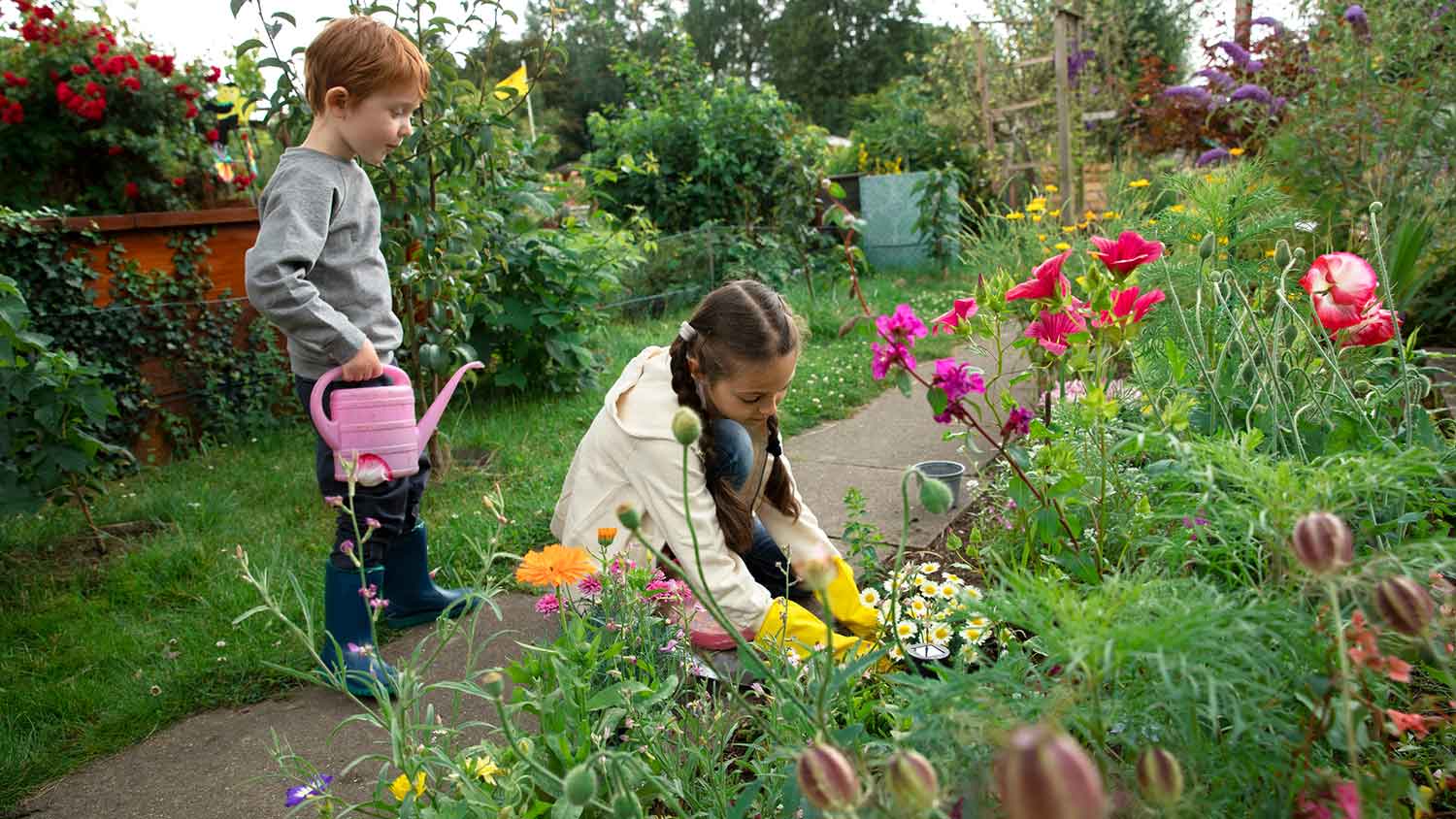
Your small garden can make a big difference in pollinator conservation. Find out how to plant for pollinators and attract native bees, butterflies, and insects.
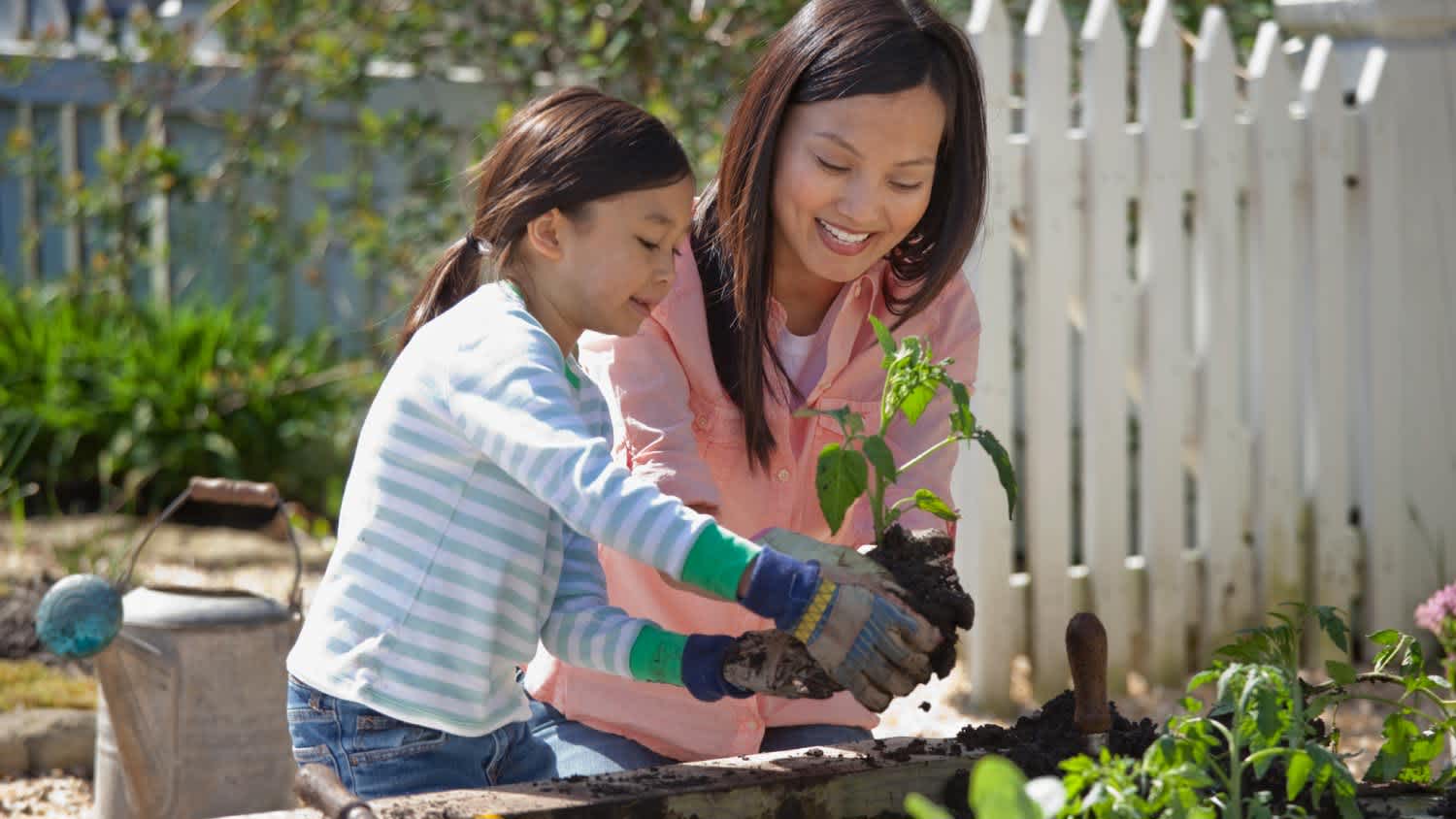
The best soil for growing plants depends on the plant. Whether it’s a raised bed or houseplant, it’s important to have the right soil.
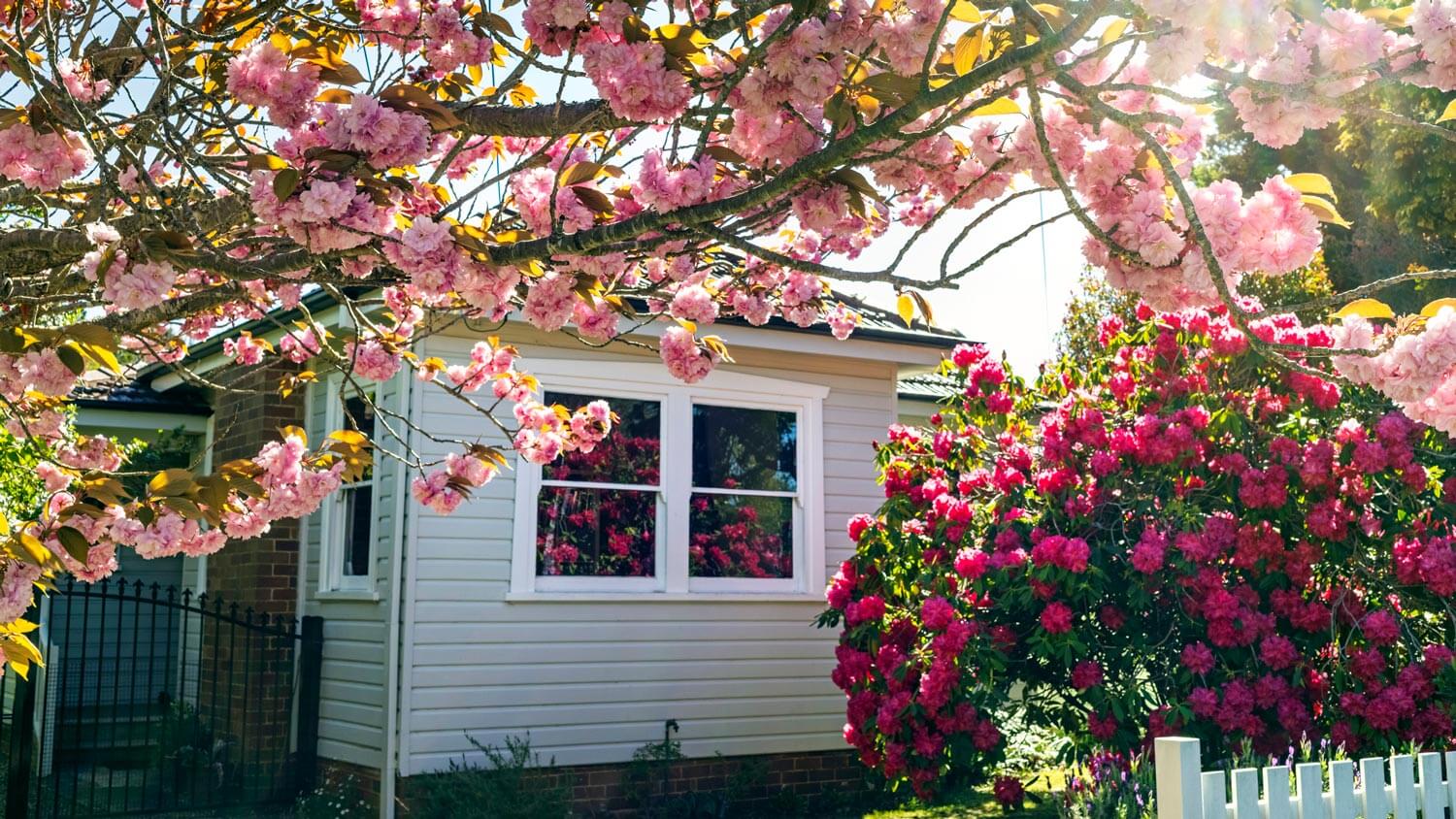
Hoping to reinvigorate your current garden with a few new blooms, veggies, or trees? We'll take it step by step, from choosing new plants to helping them grow.
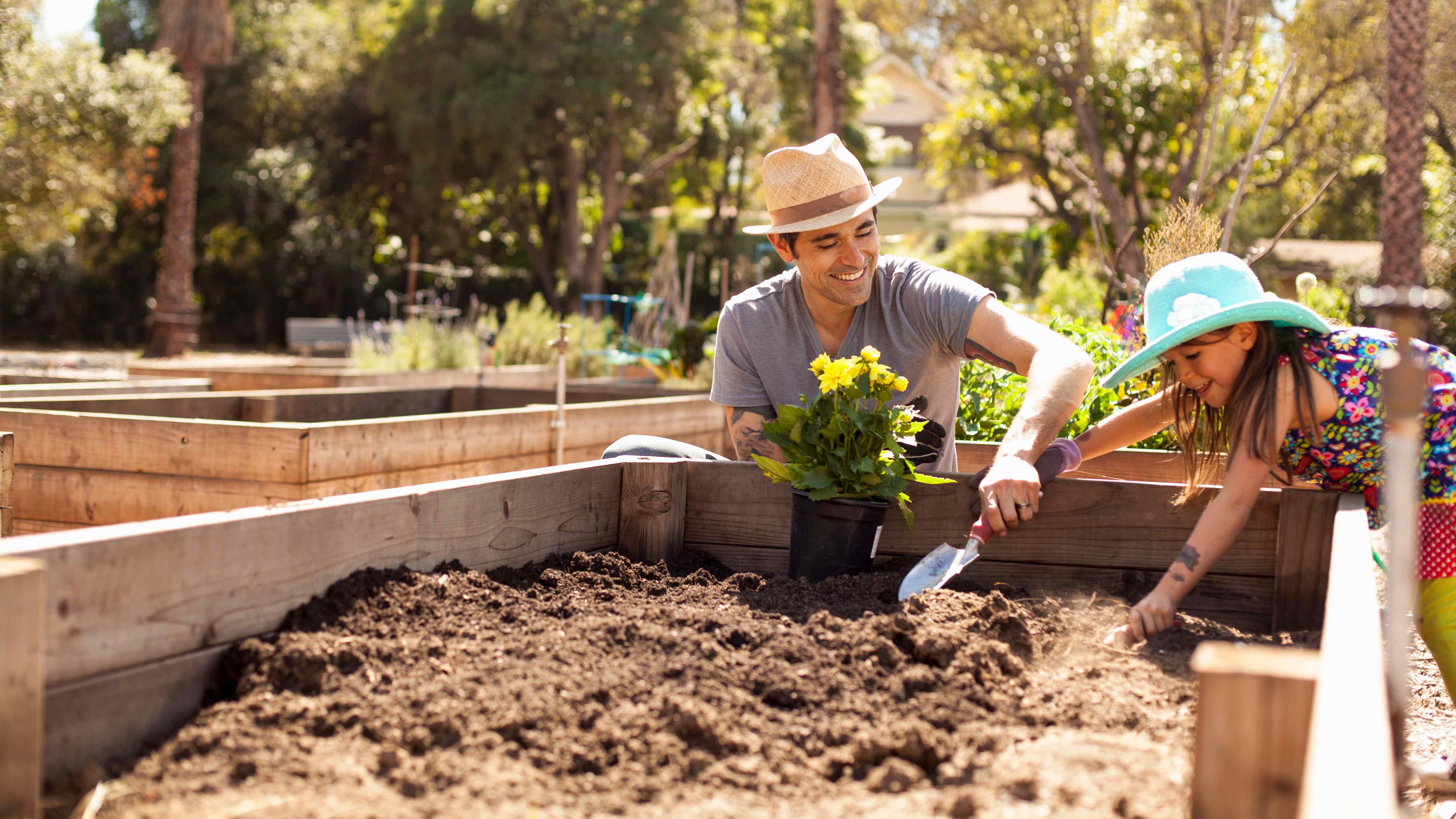
How does your garden grow? With these nine tips for raised beds, they’re sure to be elevated—both in height and quality.
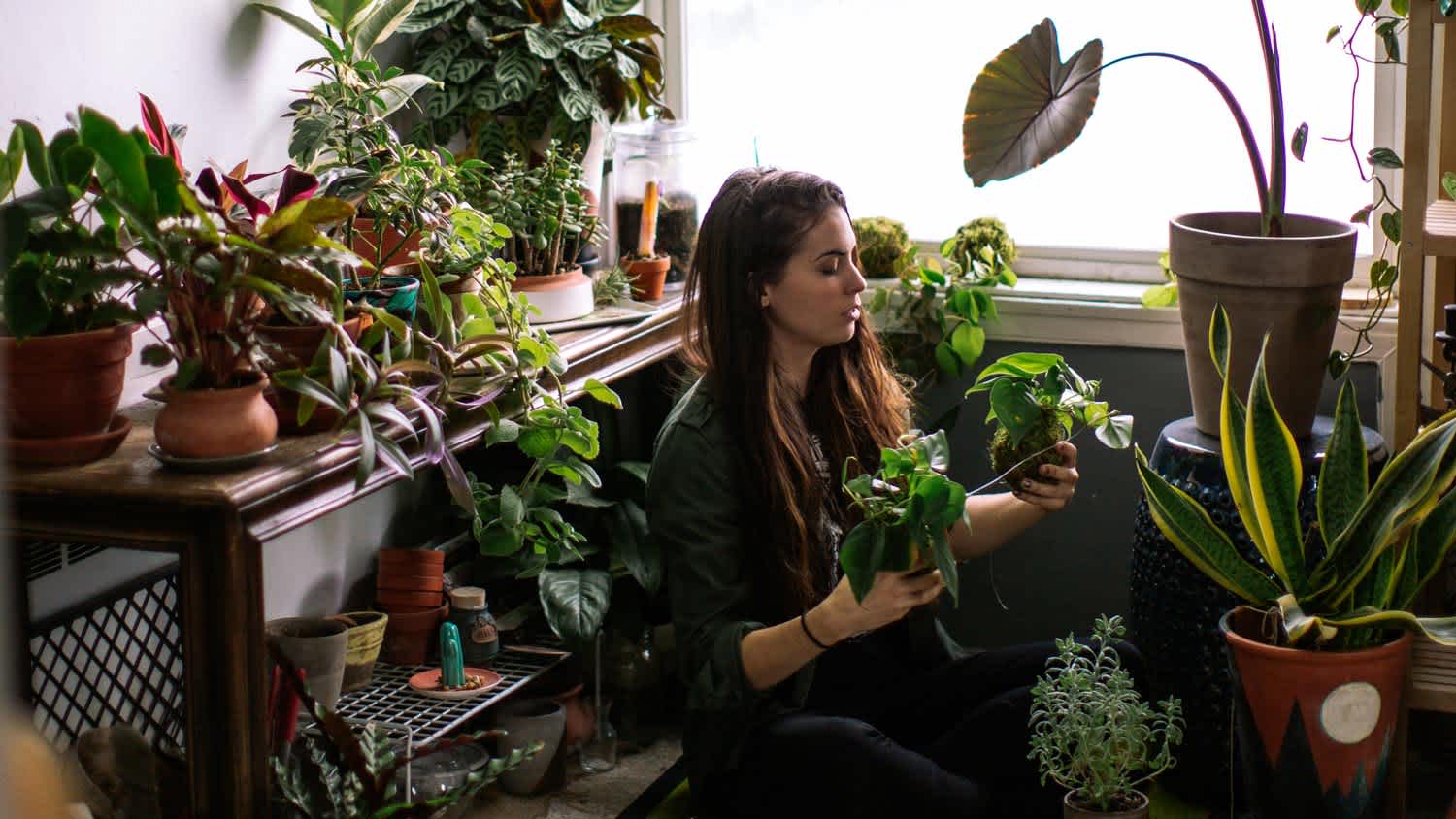
Design a garden-ready grow room to create the right conditions for growing plants indoors, including your vegetable seedlings and fully-grown houseplants.