

•
Discover the cost to fertilize your lawn, including average prices, key factors, and tips to help homeowners budget for a lush, healthy yard.
The quality of your yard’s health could depend on the fertilizer you choose

Choosing between organic fertilizer and synthetic fertilizer depends on your budget, soil goals, and environmental concerns for your yard.
Synthetic fertilizer costs $25 to $80 to treat 8,000 square feet, while organic fertilizer costs $50 to $95 for the same area.
Organic fertilizer enriches your soil and supports beneficial microbes, while synthetic fertilizer delivers fast results without improving long-term soil health.
Hiring a local lawn fertilization and treatment professional takes the guesswork out of fertilizer selection and application, keeping your lawn healthy and green.
The quest for the perfect lawn involves dedication—and maybe a few doses of fertilizer. But before you get to spraying lawn fertilizer over your grass, you’ll need to decide between organic and synthetic fertilizer. Let’s put this debate to an end once and for all.
First, let’s take a moment to talk about the birds and the bees. Contrary to its name, lawn fertilizer doesn’t actually fertilize plants. Instead, lawn fertilizer:
Supplies much-needed nutrients to plants
Fights off weeds and pests
Prevents diseases caused by fungi and insects.
There are many types of fertilizers available on the market, with some inorganic or synthetic and some organic. Synthetic fertilizers are manufactured using minerals, inorganic materials, and other sources, while organic fertilizers come from kitchen scraps, microbes, and other organic waste.
There are three main nutrients found in lawn fertilizer, called macronutrients: nitrogen, phosphorus, and potassium. Plants need these nutrients to thrive, and you’ll find fertilizers prioritize them over all other nutrients. You might even see the acronym “N-P-K” on your fertilizer package to show that each of these key nutrients is present in the fertilizer.
Here’s how each one works to help your plants:
Nitrogen (N): Plants need nitrogen for four reasons; for chlorophyll, which plants need to turn the sun’s energy into food and carbon dioxide; for amino acids, which are the main building blocks for protein; for metabolism; and their DNA health.
Phosphorus (P): Plants need phosphorus to harvest solar energy to grow, mature, and reproduce.
Potassium (K): Potassium helps plants metabolize nitrogen, exchange water, and grow.
Other macronutrients that you might find in your fertilizer include calcium, magnesium, and sulfur. Micronutrients are also essential to plant life and may be added in smaller quantities. These include iron, zinc, and boron.
If you’re planning a do-it-yourself fertilization project, you’ll need to decide whether you want to use synthetic or organic fertilizer.
To help you with your decision, consider the pros and cons of synthetic and organic fertilizers:

Synthetic fertilizers have been popular for decades and continue to be the number one choice in most conventional farms. With that said, here are some benefits and disadvantages to using synthetic fertilizers.
Pros:
Fast-acting, nutrients absorbed quickly
Precise results based on specific engineering and testing
Easy to distribute in yard
Low cost
Cons:
May hinder microbial growth
Over-application of fertilizer causes lawn burn, contaminates groundwater
Can contaminate groundwater and lead to water pollution
Releases nutrients unevenly
Does little to improve soil quality
Keep in mind, though the biggest concern with synthetics is runoff, if you treat your yard properly with synthetic fertilizers, it shouldn’t be a problem.

Some homeowners prefer a more organic option out of concern over the environmental impact synthetic fertilizers can have on the soil and water sources. All-natural fertilizers are blended with plant and animal matter, such as manure, compost, alfalfa meal, corn gluten, and even bat guano, so they’re free of synthetic chemicals.
Here are the benefits and disadvantages of using organic fertilizer in your lawn:
Pros:
Promotes long-term soil and plant health
Supplies food for important microorganisms and earthworms
Safer overall for pets, kids, and the environment
Retains water well
No harmful contaminants
Supports worm and microbial life
Cons:
Slow-release and results
May require multiple applications
Products differ widely
Imprecise results
Another factor that plays a role in choosing between synthetic and organic fertilizers is the cost. Synthetic fertilizer is more affordable than organic fertilizer. Expect to pay somewhere between $25 to $80 to fertilize an 8,000-square-foot yard using synthetic fertilizer.
On the other hand, organic fertilizer costs around $50 to $95 for the same-sized plot of land. Keep in mind that you’ll pay more for some kinds of synthetic fertilizers than you would others. Liquid synthetic fertilizers cost slightly more than granular fertilizers, for instance.
The jury’s in on which fertilizer is best for lawns. In short, it depends. Here are a few questions you can ask to help you decide on whether synthetic or organic fertilizer is right for you:
How much are you willing to spend on fertilizer? If you’re hoping to save a little money, go for synthetic fertilizer. If you don’t mind the investment, choosing organic fertilizer will benefit you more over time.
Do you want a simple fix to your yard or a long-lasting soil enrichment? Synthetic fertilizer will make your yard look green and vibrant, but it won’t do much to the quality of your soil or the microbes living in it. If you want to enhance your soil, opt for organic fertilizer.
Are you adding compost to your yard? You might not need organic fertilizer if you’re already enriching your soil with nutrient-rich humus. Synthetic might be a good choice.
Does your property have a shoreline or close to a body of water? Water contamination from synthetic fertilizer poses a greater threat to land next to water sources.
Who says you have to choose between one or the other? If you’re hoping to reap the benefits of organic and synthetic fertilizers, there is another option for lawn maintenance: hybrid fertilizers.
Hybrid fertilizers contain mostly organic materials, but they’re also blended with synthetic nitrogen to help boost plant growth. Could this be the answer to the battle between synthetic and organic fertilizers? It just might!
They did an excellent job! Super fast, helpful, and made the process so easy. Great job!
 1-800-GOT-JUNK?
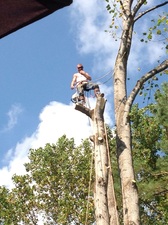
1 tree was cut down and 5 others including a large willow tree were trimmed. The Grant Tree Service men were professional and cleaned up afterwards. The cost of the 6 trees were affordable. I am very happy with the results. I would hire them again.
 Grants Tree Service
Thank you very much for his professionalism and getting the job done the right way the first time. Great job!
 Alex & Alex
Great job! Friendly, timely and thorough.
 Eco Plumbers, Electricians, and HVAC Technicians
Seth was very professional, prompt in responding to queries about the work required , gave sincere advice as to what would be best for tree trimming and did the job timely.
It was a difficult job and Robert and his son worked diligently to get it done.
Window Depot did an amazing job on my deck. I wasnt sure what I wanted to do, but their composite decking was affordable and will last a long time. I am excited to have family over, and I am no longer embarrassed by my backyard. Jeff and the ground crew were polite, respectful, and caring for...
 Window Depot USA of Central Ohio
He did the work in a timely manner and I would use him again!!
 Quantum Waterworks Waterline & Drain Cleaning Services, LLC
Cameron and his crew did an excellent job. On time, professional and courteous. My driveway looks awesome!!
 All Star Paving and Sealing
The guys did an outstanding job and we had a great experience with CarifaTile. I appreciated that Joe reviewed the quotes with me and set expectations prior to the install. The crews showed up as scheduled and always left the areas clean upon leaving the house. We will definitely use...
 CarifaTile
From average costs to expert advice, get all the answers you need to get your job done.
Discover the cost to fertilize your lawn, including average prices, key factors, and tips to help homeowners budget for a lush, healthy yard.
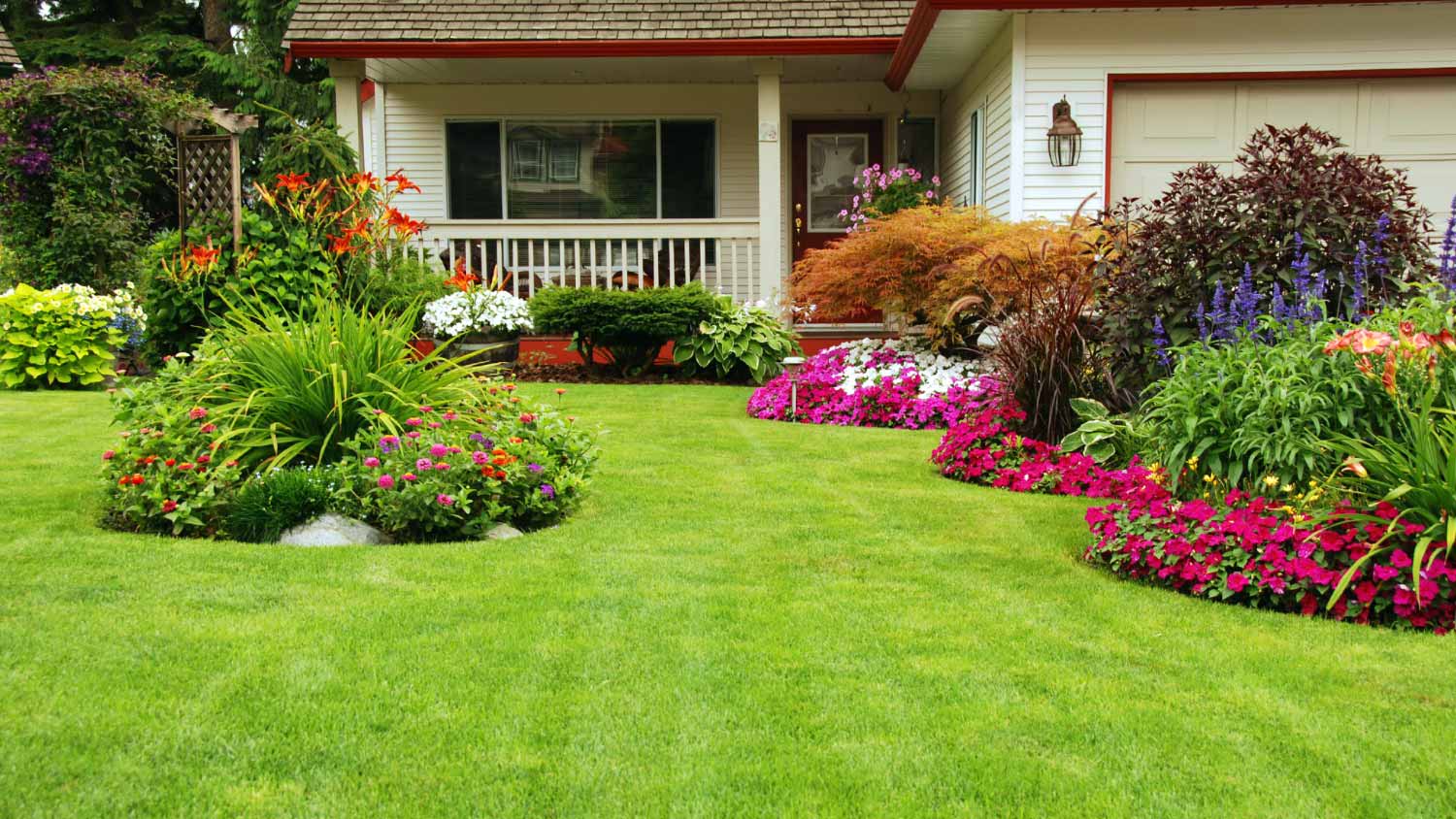
The cost to renovate your lawn depends on the extent of the damage. Our guide will show you how much lawn renovation costs.

It’s trendy among the environmentally conscious, but does organic lawn care work? Here’s how organic lawn products hold up against synthetic stuff.
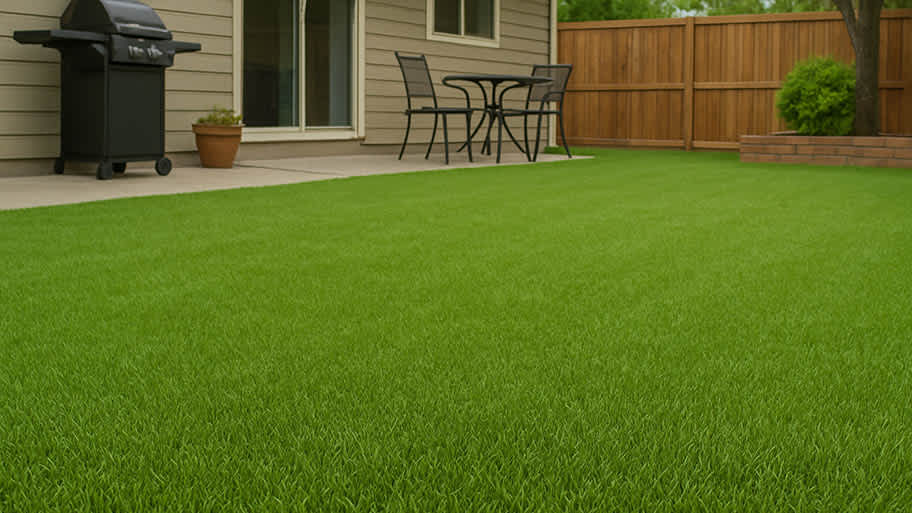
Thinking about synthetic grass installation? Learn about artificial turf benefits, average costs, and how to hire the right local pro for your yard upgrade.
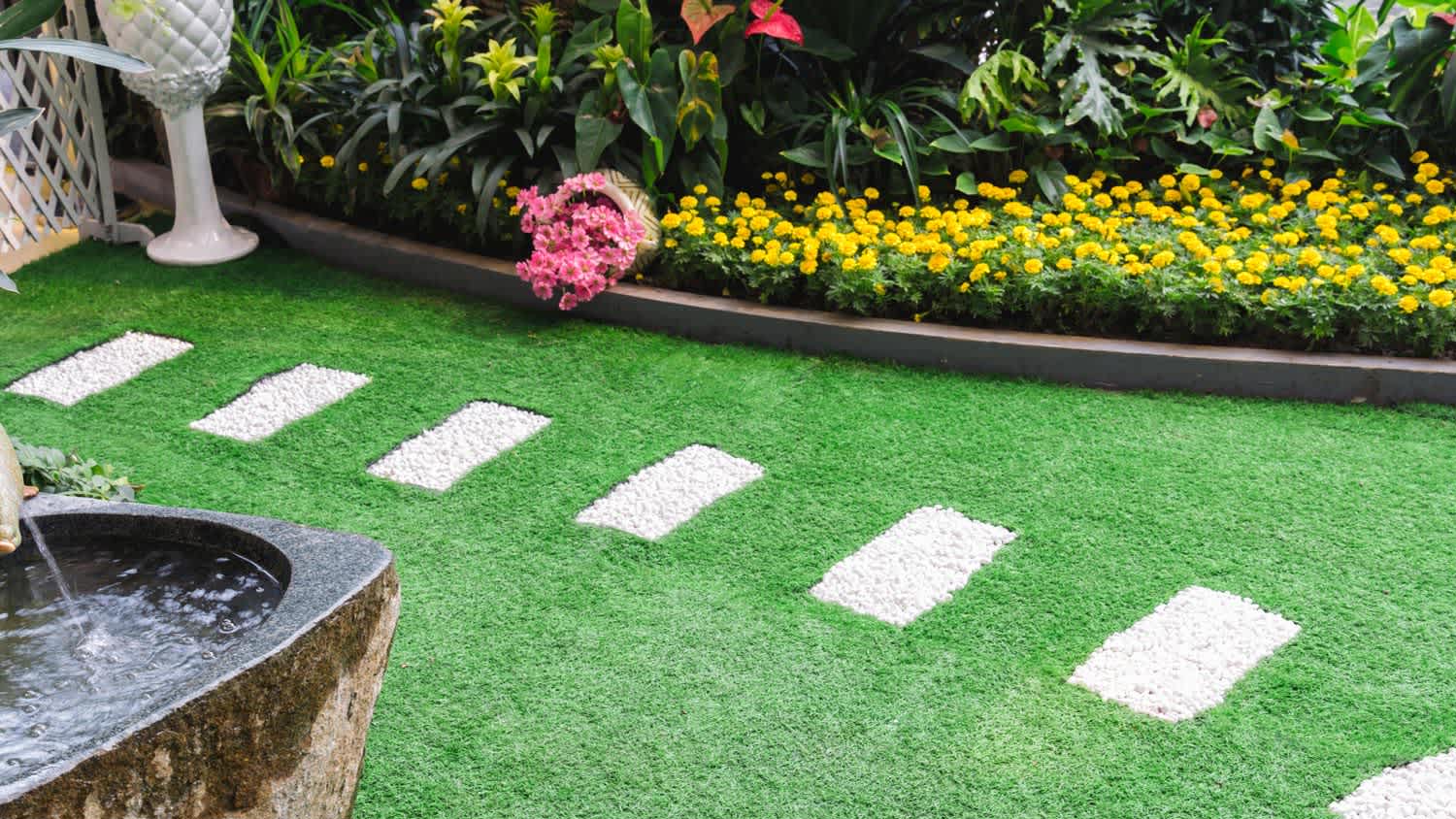
Trying to decide whether to put in live lawn or artificial grass? Read about the pros and cons of artificial grass and whether it’ll work for your lawn.

A lawn treatment analysis checklist may include fertilization, pruning, mowing, and pest removal. Keep reading to use this helpful checklist.