
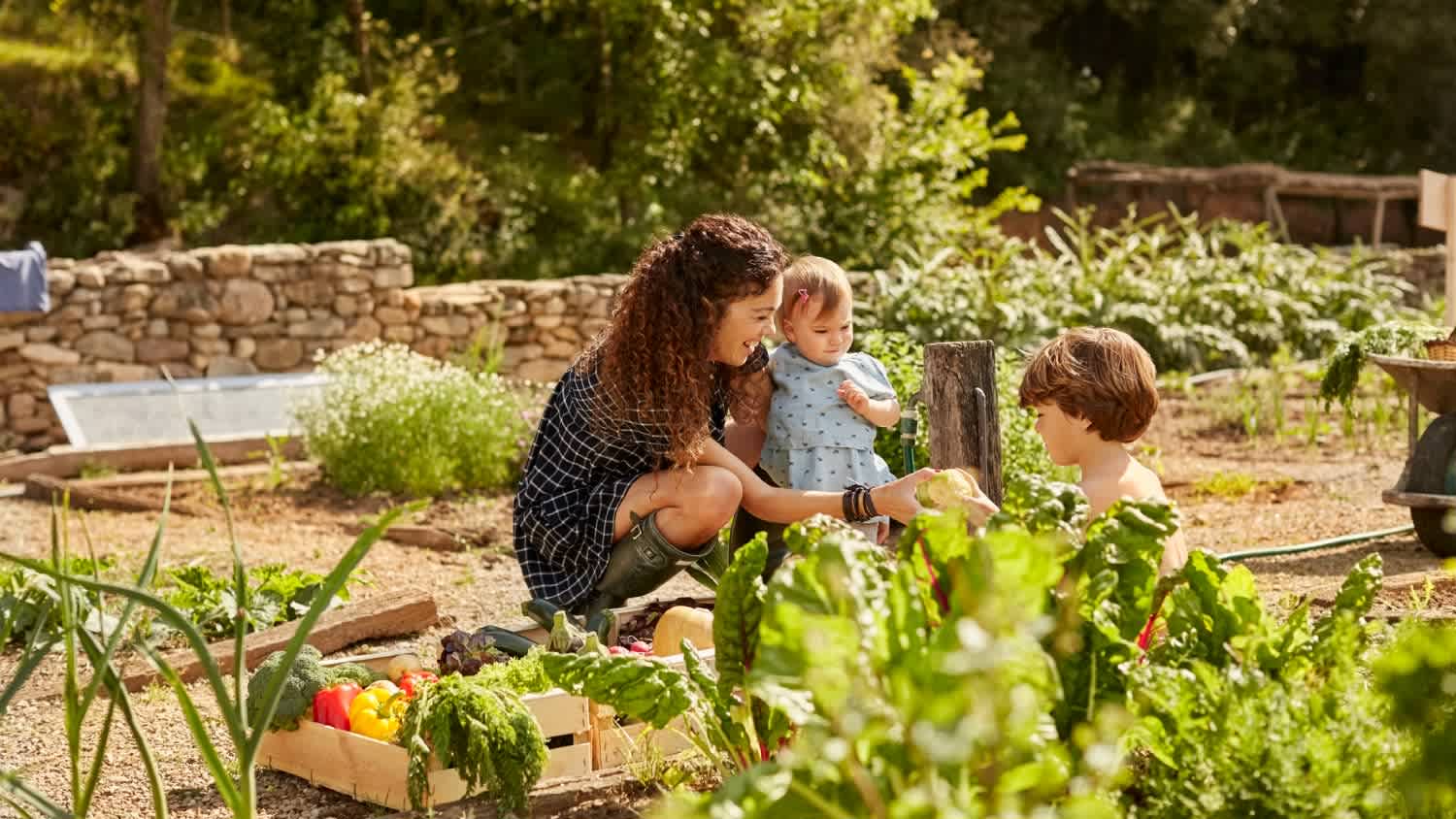
Wondering when to plant vegetables in your garden? Learn the best times to plant cool- and warm-season veggies and get tips for starting seeds indoors too.
Enjoy the fruits of your labor year-round by knowing when and how to harvest produce

The best time to harvest your vegetable garden is early morning before high temperatures affect produce, and you should check plants daily once they start producing.
Harvesting depends on your preferences for size and flavor, as crops like spinach, kale, and beets taste great at different sizes you can choose yourself.
You can harvest vegetables year-round by planting seasonal crops, from spring radishes and leafy greens to summer tomatoes and fall potatoes that suit cooler weather.
Hiring a local gardening professional provides helpful guidance when your garden isn't producing well, with expert advice on soil health, planting schedules, and maximizing yields.
You’ve raked the soil, planted some seeds, and little saplings are springing through the dirt. One day, you walk out into the garden to see a few spinach leaves or a tiny bell pepper. So how long do you hold your excitement before you can actually harvest your produce?
Some crops benefit from early plucking and will continue to grow more for you all season long, while others should mature as long as possible for the best flavor. Depending on your chosen garden crops and the season, here are the best times to harvest your garden.
Before you grab your garden gloves and a basket for your spoils, there are a few tips to keep in mind when it’s time to start harvesting your edible landscape.
No matter the season, the best time to harvest is in the morning. Before you rush off to work or to run errands, take a travel mug of coffee outside as you pick your produce. Especially in the summer, picking early can help preserve the crops before the high temperatures get to them in the afternoons.
Once a plant starts producing its fruits or vegetables, check it daily and harvest the crops. This encourages further growth, so you can maximize the yield. This applies to herb gardens, too. Make sure to prune your herbs regularly to stimulate growth and avoid flowering.
Tugging away produce with force can break the plant stems, so be gentle. If you know something is ripe but it isn’t giving way, grab pruning shears to remove it.
Some crops, like spinach, kale, or beets, are tasty at a number of different sizes, and you can harvest them depending on your own preferences. Looking for new potatoes? Harvest your potato crop early.
For squash, the bigger it gets doesn’t always mean better flavor. Zucchini and other summer squash typically have the most flavor when they grow to be 6 to 8 inches, although they can grow much larger.

Some crops are ready for harvest in the height of summer, while other crops produce food in cooler temperatures. While the exact crops you can harvest will depend on your climate, here’s a general guide to what crops are best to harvest in each season.
Crops planted in late winter or early spring are typically ready to harvest in mid- to late-spring. This includes colorful radishes and leafy greens for salads, asparagus, spring onions, turnips, and carrots.
If you’ve ever had a tomato in the summer, you know this common garden fruit is best harvested in the hottest days of the year for peak flavor and juiciness. Other crops to harvest in the summer include summer squash, like zucchini, carrots, beans, and cucumbers.
As temperatures begin to cool, start harvesting onions, potatoes, bell peppers, and eggplants. This is also a good time to start preserving surplus produce to enjoy throughout winter.
If you have a greenhouse or indoor garden, some cool-weather plants can be harvested in early or late winter. Leafy greens like kale, arugula, and spinach can grow in winter, as can potatoes, carrots, and leeks. Scallions, bok choy, cabbage, and kohlrabi are also options for winter gardening.
When you’re planning your vegetable garden, you probably envision rows of carrots, spinach, and tomatoes (even though, yes, they’re a fruit). While there are seemingly endless plants to consider for a home garden, here are some of the most common crops and tips for harvesting each one.
Tomatoes: Pick tomatoes around July through September. The fruits should be plump and easy to pull from the stem. They should be fully red, orange, or yellow, unless you’re making fried green tomatoes.
Zucchini: Harvest zucchini and other summer squash when it reaches about 6 inches in length.
Spinach: Spinach grows best in cooler temperatures. Harvest about 45 days after planting, when bundles have five or so leaves. You can harvest early for baby spinach.
Kale: Kale is another cool-weather leafy green. You can harvest the leaves whenever you like, depending on if you like small or large leaves.
Broccoli: Pull your broccoli when the florets are dark green and tightly packed, and be sure to pull them before they start flowering.
Carrots: Carrots are ready when the top part of the carrot, which might pop out of the soil slightly, is almost 1 inch in diameter. This happens about 60 days after planting seeds.
Peppers: You can harvest bell peppers when they resemble the size of ones at the grocery store. Harvest when green or let them turn yellow, orange, or red for more sweetness.
Onions: You can harvest ripe onions all summer long. You’ll know they’re ready when the green tops begin to hunch over.
Garlic: Harvest in the summer, usually around July, when cloves feel firm.
Swiss chard:
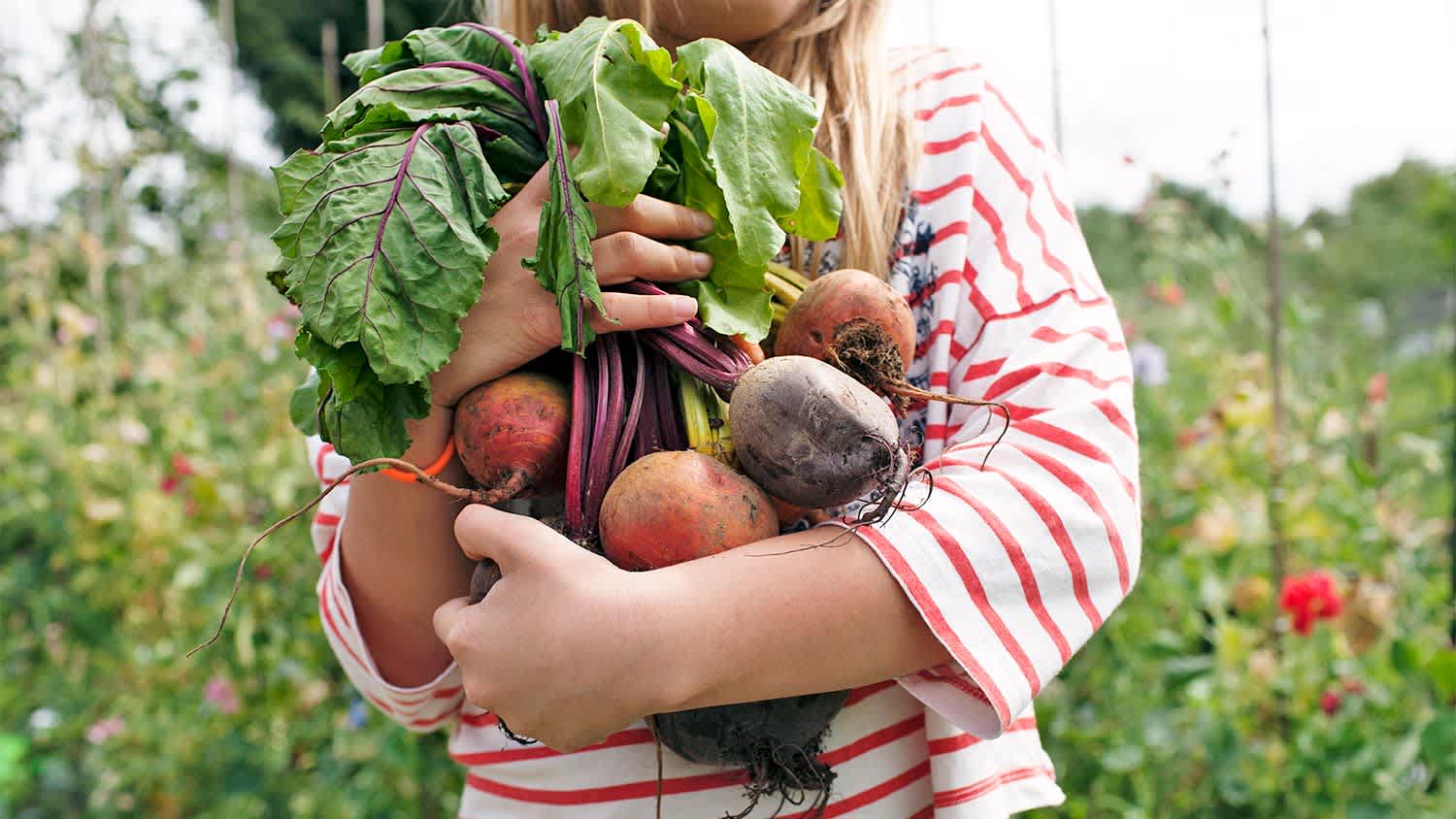
Beets: Harvest beets before the leaves begin to wilt, usually once they reach around 4 to 6 inches. They’re ready about eight weeks after you plant them.
Potatoes: Pull potatoes from the ground from July through October when the top plants begin to die off.
If you find that your garden isn’t producing much bounty, look into hiring a gardener near you for help.
Custom Paint Jobs LLC made our home feel like a piece of art. Thank you for your creativity!
 Custom Paint Jobs, LLC
Window Depot did an amazing job on my deck. I wasnt sure what I wanted to do, but their composite decking was affordable and will last a long time. I am excited to have family over, and I am no longer embarrassed by my backyard. Jeff and the ground crew were polite, respectful, and caring for...
 Window Depot USA of Central Ohio
First of all, the gentleman I dealt with (Cam?) was very responsive to my many questions and concerns throughout the project, which is a huge plus to me. From the first time I met him for the estimate all the way til the completion of the job, he and his crew were professional and respectful....
 All Star Paving and Sealing
We had a 20+ year old landscape lighting system that needed replacement. Midwest Lightscapes worked with us to design a much improved lighting system, lighting the exterior of the house and the back yard. Installation of the 45 light system took one and one-half days, and went very smoothly....
 Midwest Lightscapes
Another great success for me on home advisor. This company did an awesome job on my landscaping and stayed within my budget. The best part, the work was complete within 2 days of my initial request. Professional and responsive. I highly recommend!
 Blue Ring Residential Services, LLC
The company no showed on me twice. The 2nd time was no call no show. They were responsive to set up the first appointment to perform the "landscape cleanup". 3 hours after their initial scheduled appointment time they called me to let me know they had some "problem" with the truck and their...
 Ruby Home and Hauling Services
Received ideas for future landscape plans...quote to do the work seemed a bit high but I did not have any other quotes to compare it to, so perhaps that is the going rates. <br />
 Landscapes By Terra, Inc
All around they have done a really great job. <br /> I have used JL Landscapes for the past 8 years. I own and operate my own commercial/residential real estate company where we own, operate, and maintain our own properties. JL Landscapes has been our exclusive landscaper for both our...
 J.L. Landscapes
Bought a half a cord of firewood from Pitzer with stacking last month. I waited to report so I could see how the wood burned. <br /> <br /> I have three pet peeves regarding landscapers, but Pitzer scored "A"s regarding all three. First, rather than having customers "leave a message" and...
 Pitzer Landscaping
I left a message on Sunday requesting to schedule a time to obtain an estimate/walk-through and received a return call in the morning of the following Monday. Mark worked with me and agreed to schedule the estimate/walk-through for the following Saturday. When Mark arrived for the...
From average costs to expert advice, get all the answers you need to get your job done.
Wondering when to plant vegetables in your garden? Learn the best times to plant cool- and warm-season veggies and get tips for starting seeds indoors too.
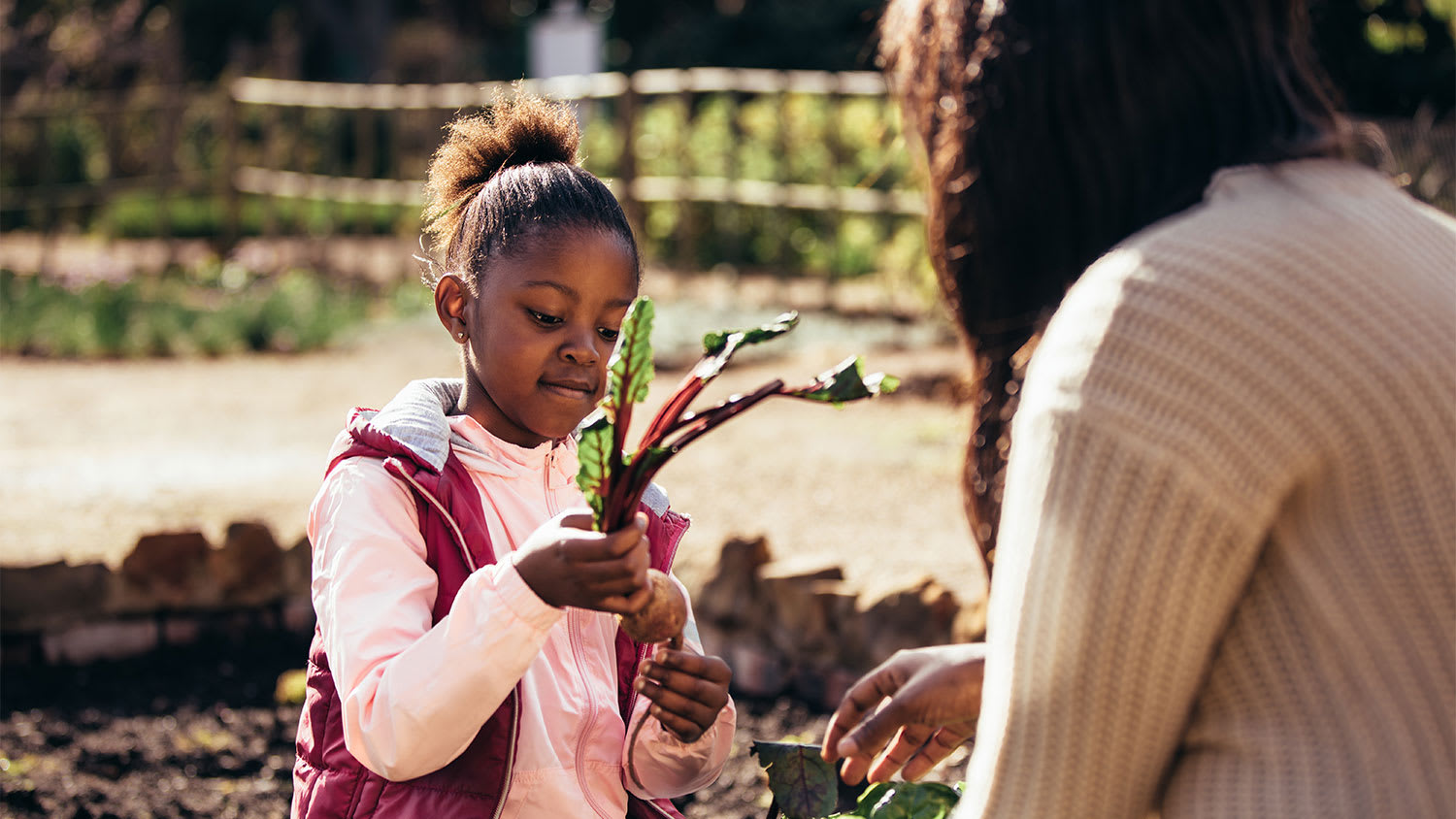
Knowing how to plant a vegetable garden can seem daunting if you weren’t born with a green thumb. Luckily, you just need a little know-how, water, and sunshine.
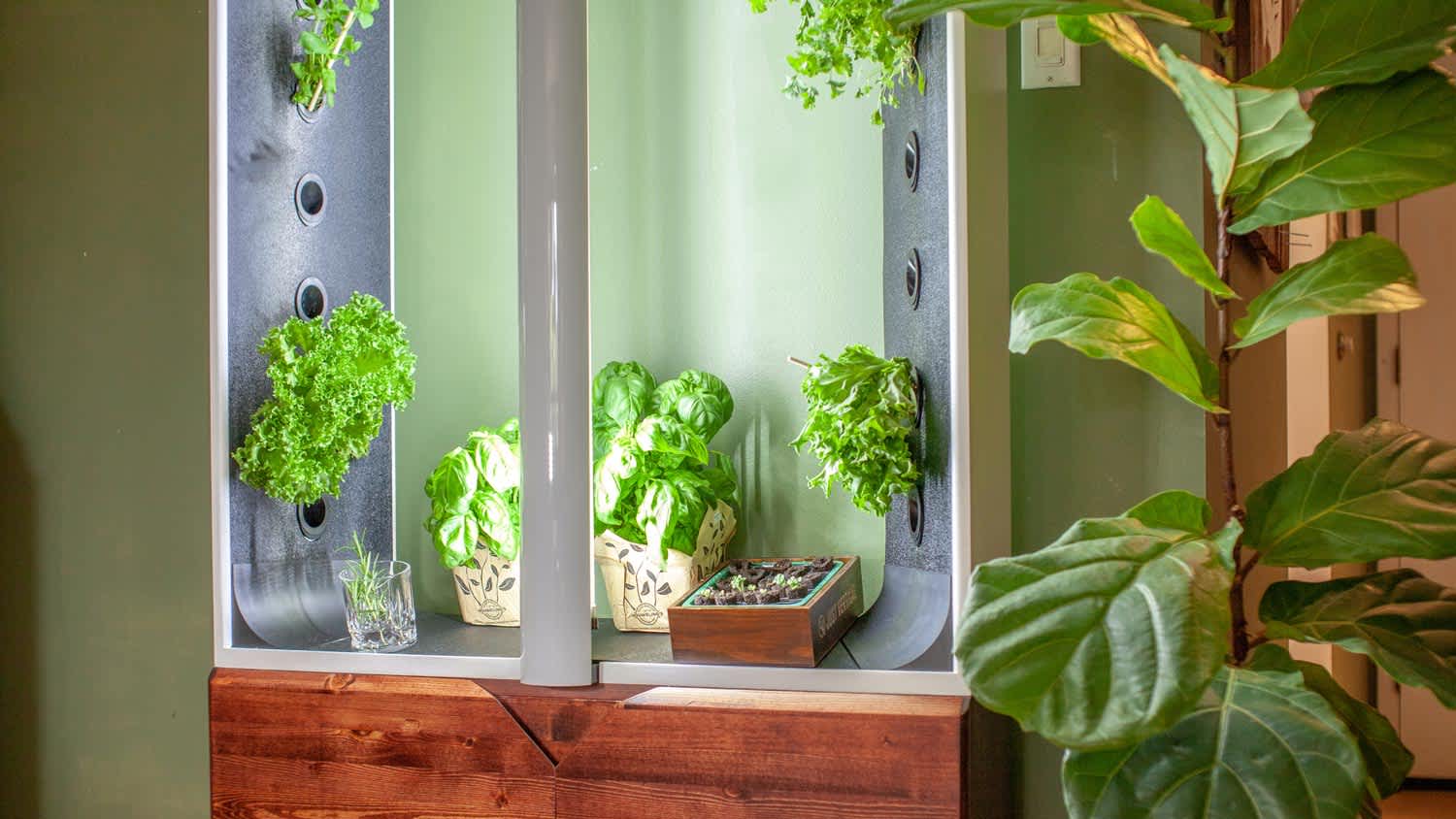
If you don’t have room to grow veggies, look up. These 12 DIY vertical vegetable garden ideas will transform your balcony into a little slice of farmland.
Growing a veggie garden is hard work, but pollinators can make the load lighter for you. Learn the benefits of common pollinators in your vegetable garden.
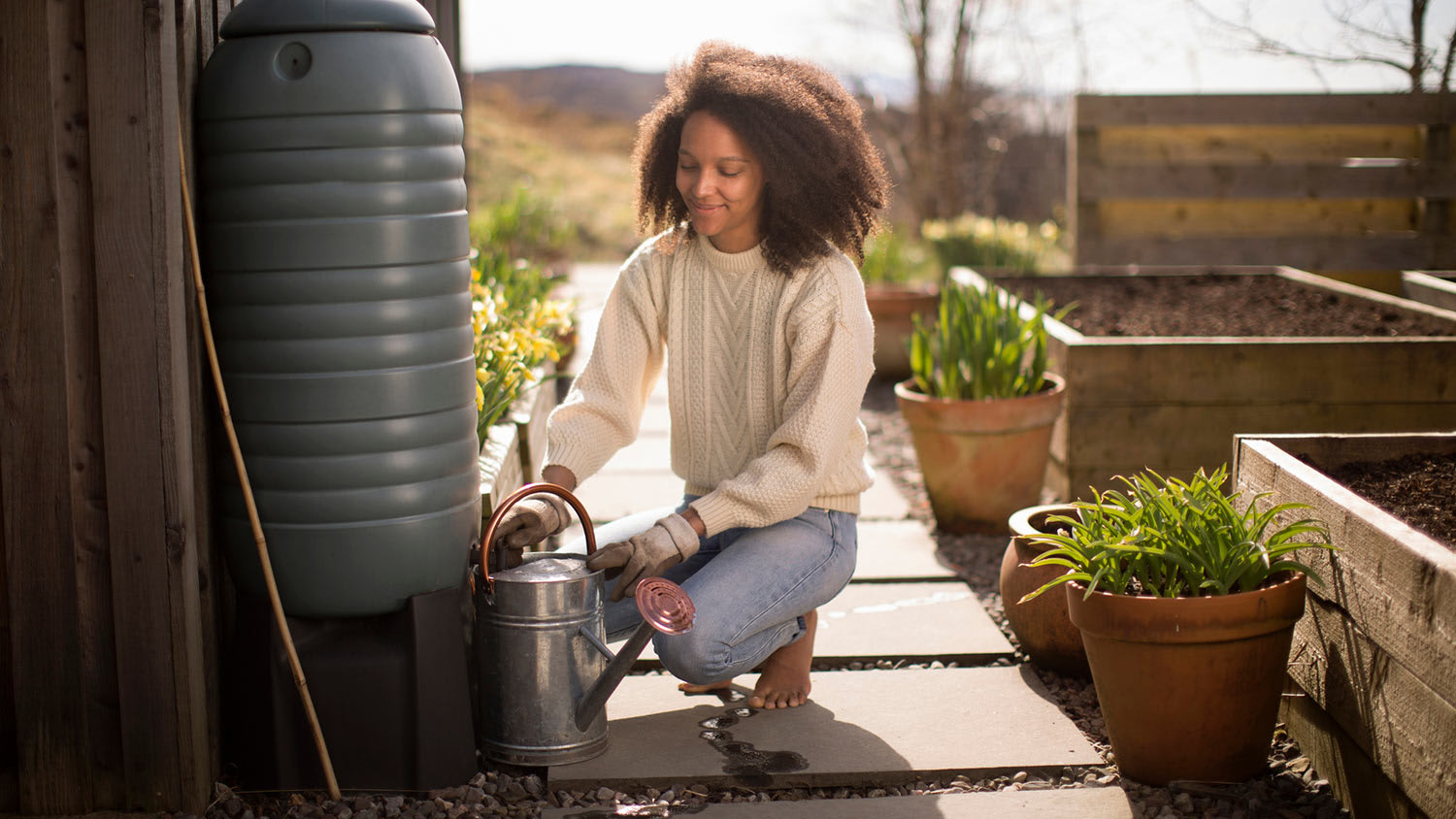
Harvesting rainwater can be a simple, environmentally friendly way to self-supply your water. But, before choosing to invest in a tank to collect rainwater, learn the pros and cons to gauge if harvesting rainwater is for you.
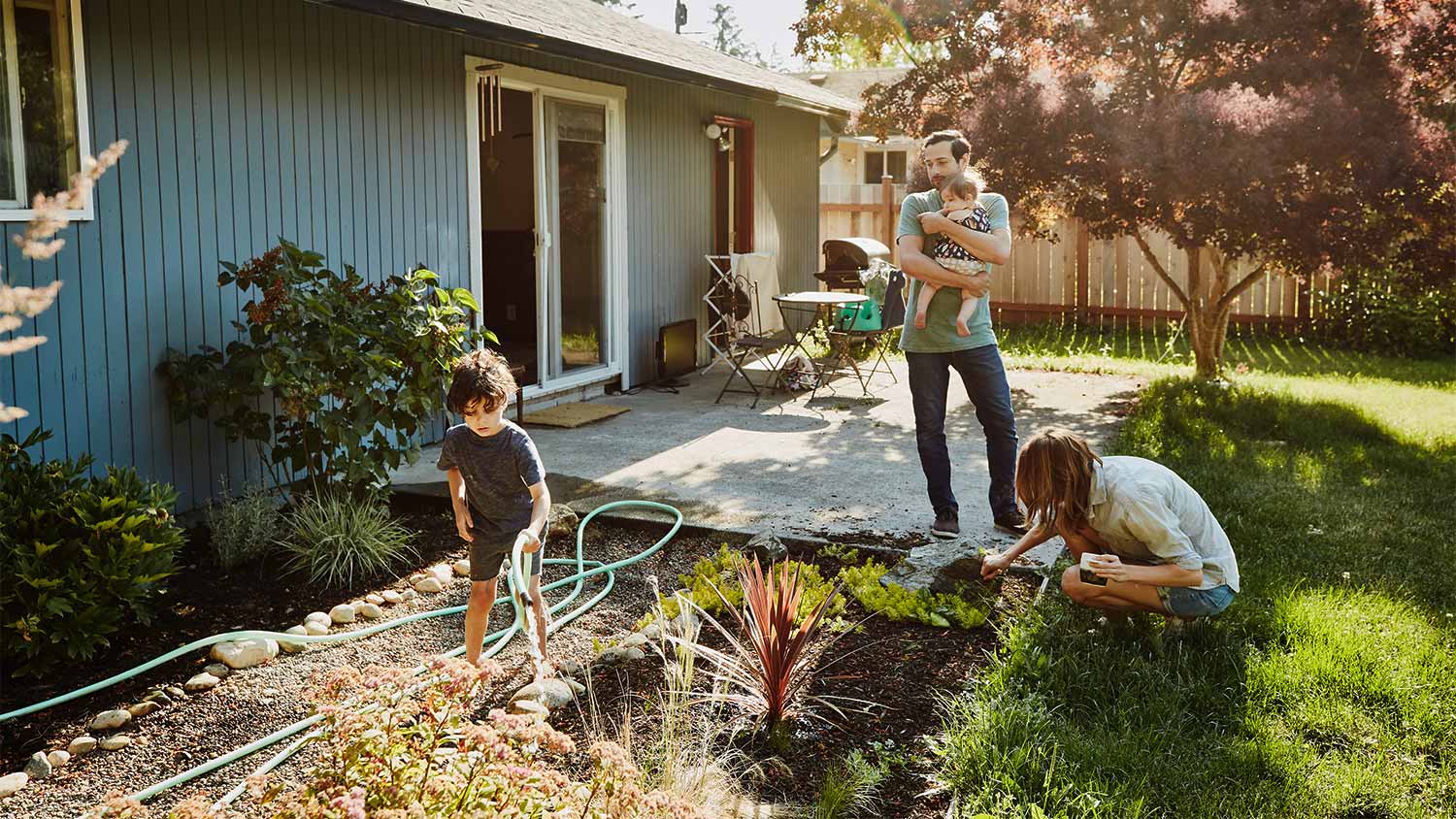
Between planting zones, the fall harvest, and spring frost dates: knowing when to plant your garden can be tricky. Pick the right moment with this guide.