
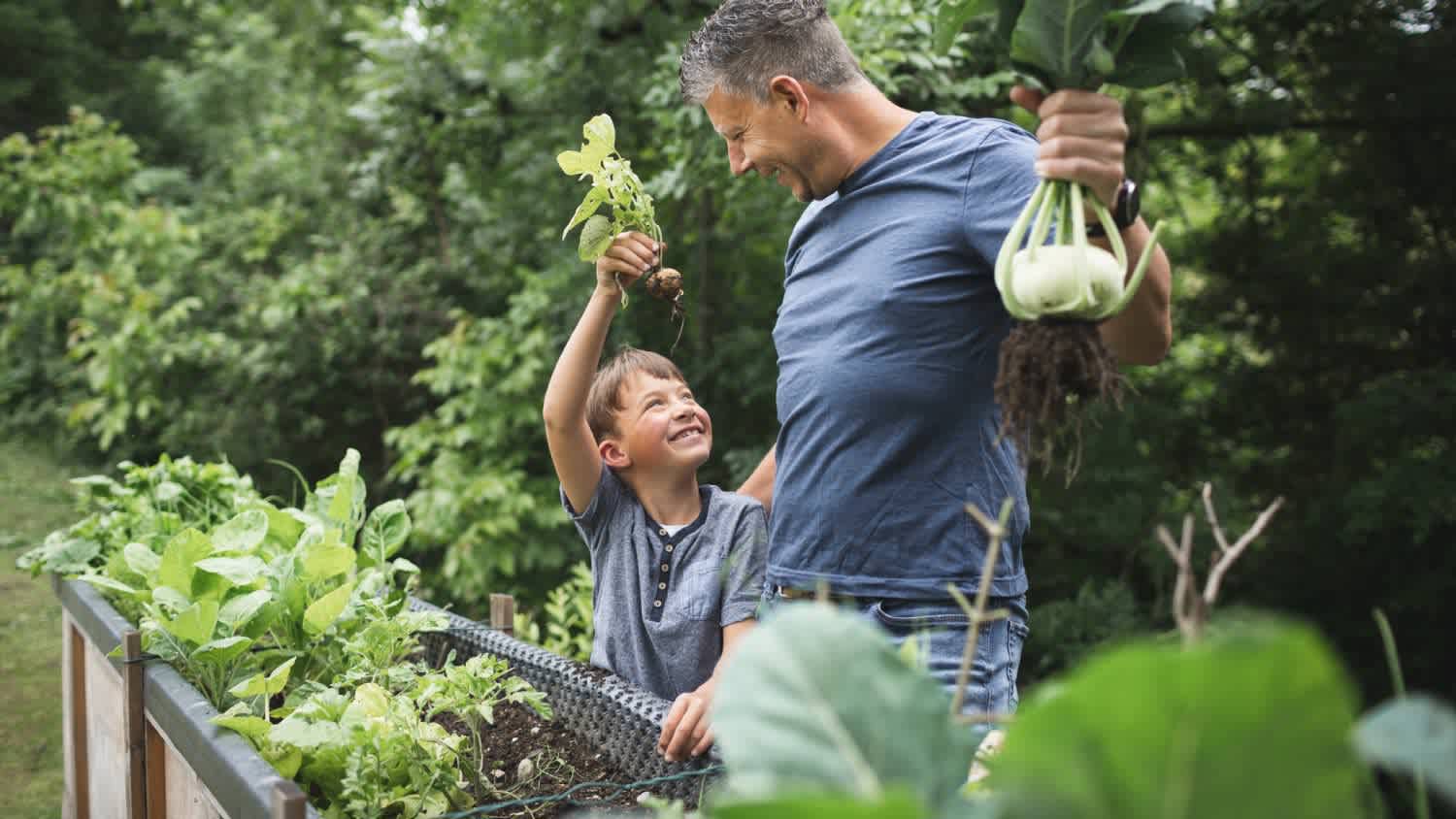
Raised garden beds can make your gardening life easier by keeping your soil healthy and extending your growing season, not to mention making it simple to keep weeds under control.
Build a beautiful garden anywhere

Building a raised garden bed gives you control over soil quality and lets you grow plants even when your yard has poor ground conditions or limited space.
Expect to pay $100 to $300 for materials to build your own raised bed, or choose pre-made kits ranging from $50 to $360 depending on size.
Your raised bed needs proper planning before construction, including researching plant root depths, choosing the right lumber type, and measuring your available space carefully.
Hiring a local landscape designing professional keeps your garden bed installation on track with proper measurements and soil preparation for healthy plant growth.
A raised garden bed not only looks beautiful, but also gives people who have limited space or poor soil quality an opportunity to grow a fruitful garden. Learn how to build a raised garden bed with this simple DIY guide.
Difficulty: Simple (2/5)
Building a raised garden bed is a relatively easy DIY project. This difficulty rating drops down to 1/5 if you have circular saw and drilling experience.
Total project time: 1 hour
Time will vary depending on the size and quantity of the garden beds.
Cost: Between $100 and $300 for materials
The cost fluctuates depending on the size of the garden beds, how many you build, and the type of lumber you choose. The cost goes up if you don’t already have the required tools on hand and need to purchase or rent them.
Pre-made raised garden beds or raised garden bed kits may be a more cost effective option for you. Prices range from $50 to $360.
2x4 lumber
Drill bit
2 1/2 inch deck screws
3 inch deck screws
Wire mesh
Trellis (optional)
Stakes, flags, or spray paint
Shovel or metal rake
Circular saw
Woodworking clamps
Power drill
Follow these steps to build your own simple raised garden bed out of 2x4 wood planks.
Every DIY project should start with a blueprint (or at least a basic plan) to prevent unexpected issues. Before you begin drawing out the dimensions of your raised garden bed, do some research on the plants you plan on growing to answer the following questions:
How deep do the garden beds need to be to support the roots of each plant?
Is a trellis needed to support vertically growing vines? (Discover trellis ideas).
Can one garden bed support each plant type?
As for the size—that will all depend on how much space you have to work with. For reference, a standard size garden box is around 6x3 feet. You’ll need at least three planks per side, along with partial planks to use as corner posts.
The great thing about elevated garden beds is they allow you to grow beautiful plants no matter the size or terrain type of your yard. Just keep sunlight and shade in mind when picking the perfect spot.

Once your blueprint is set, mark out the outer edges of your planter with stakes, flags, or spray paint. Lightly till the dirt and grass within the perimeter with a shovel or metal rake to get the location prepped. Be sure to break up any big clumps of dirt and remove large rocks.
Following your blueprint, use a circular saw to cut down the 2x4s to your desired length for each wall.
Don’t forget to trim down the four corner posts that will be used to hold the walls together. Use scrap 2x4 planks for this—they’ll need to be measured and cut so they’re the same height as the walls.
If you don’t have access to a circular saw or don’t feel comfortable using one, you can purchase pre-made raised garden bed kits that come with all of the parts you need or even pre-cut lumber.

Now that all the wood is cut to the lengths you need, it’s time to build each of the four walls one at a time.
Build the longer sides by laying all the posts you will be using flat on the ground, evenly lined on top of each other. Clamp the posts together so they hold in place.
Take two corner pieces, and lay them face-down on each end of the wall. Check to make sure that the corner posts are even to the wall height before drilling the pilot hole. Once even, use a drill to create pilot holes—one for each plank. Drill 2 inch deck screws into the pilot holes to keep the corner pieces in place.
Repeat the steps above to build the two smaller walls. Except this time, install the partial planks more toward the center of the wall instead of at the ends. This makes it easier to attach all four walls together in the next step.
Finally—it’s time to put all four walls together and watch your raised garden bed take shape.
Start with one of the longer walls and its adjacent shorter wall. Hold the short wall up to the end of the long wall, drilling pilot holes where they meet (don’t forget to drill into both the wall and the corner piece for additional strength). Lock them together by drilling 3 inch deck screws in each pilot hole.
Repeat on all four sides until all sides are securely in place.
This step is optional, but it’s a good idea to staple wire mesh to cover the bottom. This is beneficial for a few reasons, including:
Prevents weeds
Keeps garden soil and ground soil slightly separated
Water can still drain
Worms can get in to enrich the soil

It’s finally time to move the finished garden bed to its intended spot (you may need a helping hand here to move it safely). Once it’s in place, install a trellis if your plants require one to grow.
Fill the box up with your choice of soil and start planting!
On the fence about building your own raised garden bed? The answers to your most frequently asked questions might help you make a decision.
There are many benefits to using a raised garden bed, especially when compared to planting a garden directly in the ground. These benefits include:
Enhancing the landscaping and decor in your yard
Having the ability to choose the kind of soil you want to use
Not having to kneel down uncomfortably while gardening
Cedar is considered to be the best type of wood you can use for this project due to its durability and resistance to rotting. However, that high quality can also come with a higher price tag.
Cypress, oak, pine, and redwood are other durable and typically more affordable options, though they will not have the lifespan pine has.
What about treated wood? There’s a lot to consider when it comes to pressure-treated versus untreated wood since it will be in direct contact with your soil and the food that grows from it.
Pressure treated wood lasts longer, but runs the risk of seeping chemical preservatives into the soil. The United States Environmental Protection Agency (EPA) has declared these and other types of wood treatment safe for this type of residential use:
ACQ
Borates
Copper azole
Copper naphthenate
The type of plants you intend to grow are an important factor when planning your raised garden. Different plants require different soil depths for their roots to expand and grow properly. Keep in mind that the deeper the soil requirement, the more you’ll have to spend on lumber.
It’s important to do your own research on each plant type you’re considering. However, this quick list of popular plants that can grow in six inches of soil will give you a basic starting point:
Greens: lettuce and spinach
Vegetables: leeks, onions, radishes, squash, beans, peppers, tomatoes, peas, zucchini
Herbs: Basil, chives, cilantro, dill, mint, oregano, parsley, thyme
Flowers: Marigolds, violets, pansies
Custom Paint Jobs LLC made our home feel like a piece of art. Thank you for your creativity!
 Custom Paint Jobs, LLC
Window Depot did an amazing job on my deck. I wasnt sure what I wanted to do, but their composite decking was affordable and will last a long time. I am excited to have family over, and I am no longer embarrassed by my backyard. Jeff and the ground crew were polite, respectful, and caring for...
 Window Depot USA of Central Ohio
First of all, the gentleman I dealt with (Cam?) was very responsive to my many questions and concerns throughout the project, which is a huge plus to me. From the first time I met him for the estimate all the way til the completion of the job, he and his crew were professional and respectful....
 All Star Paving and Sealing
We had a 20+ year old landscape lighting system that needed replacement. Midwest Lightscapes worked with us to design a much improved lighting system, lighting the exterior of the house and the back yard. Installation of the 45 light system took one and one-half days, and went very smoothly....
 Midwest Lightscapes
Another great success for me on home advisor. This company did an awesome job on my landscaping and stayed within my budget. The best part, the work was complete within 2 days of my initial request. Professional and responsive. I highly recommend!
 Blue Ring Residential Services, LLC
The company no showed on me twice. The 2nd time was no call no show. They were responsive to set up the first appointment to perform the "landscape cleanup". 3 hours after their initial scheduled appointment time they called me to let me know they had some "problem" with the truck and their...
 Ruby Home and Hauling Services
Received ideas for future landscape plans...quote to do the work seemed a bit high but I did not have any other quotes to compare it to, so perhaps that is the going rates. <br />
 Landscapes By Terra, Inc
All around they have done a really great job. <br /> I have used JL Landscapes for the past 8 years. I own and operate my own commercial/residential real estate company where we own, operate, and maintain our own properties. JL Landscapes has been our exclusive landscaper for both our...
 J.L. Landscapes
Bought a half a cord of firewood from Pitzer with stacking last month. I waited to report so I could see how the wood burned. <br /> <br /> I have three pet peeves regarding landscapers, but Pitzer scored "A"s regarding all three. First, rather than having customers "leave a message" and...
 Pitzer Landscaping
I left a message on Sunday requesting to schedule a time to obtain an estimate/walk-through and received a return call in the morning of the following Monday. Mark worked with me and agreed to schedule the estimate/walk-through for the following Saturday. When Mark arrived for the...
From average costs to expert advice, get all the answers you need to get your job done.
Raised garden beds can make your gardening life easier by keeping your soil healthy and extending your growing season, not to mention making it simple to keep weeds under control.
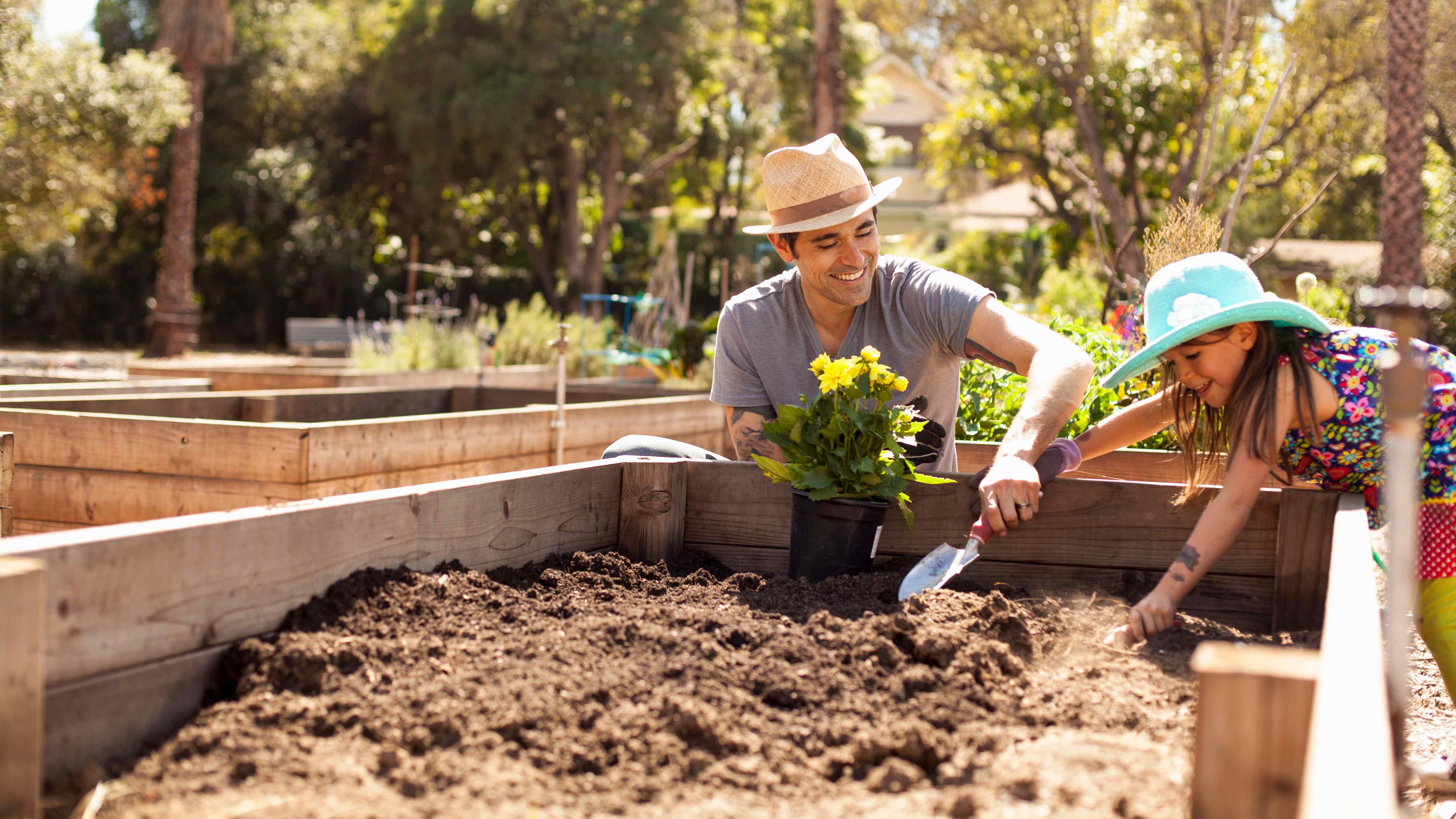
How does your garden grow? With these nine tips for raised beds, they’re sure to be elevated—both in height and quality.

Building a flower bed is a great way to fill your outdoor space with color, fragrance, and splendor. Before you start buying plants and pulling out weeds, follow this guide to make sure you have the right tools and know-how.

Get the vegetable garden of your dreams. You’ll need a raised bed, perfect soil, a few garden ideas, and these tips for a beautiful backyard garden.
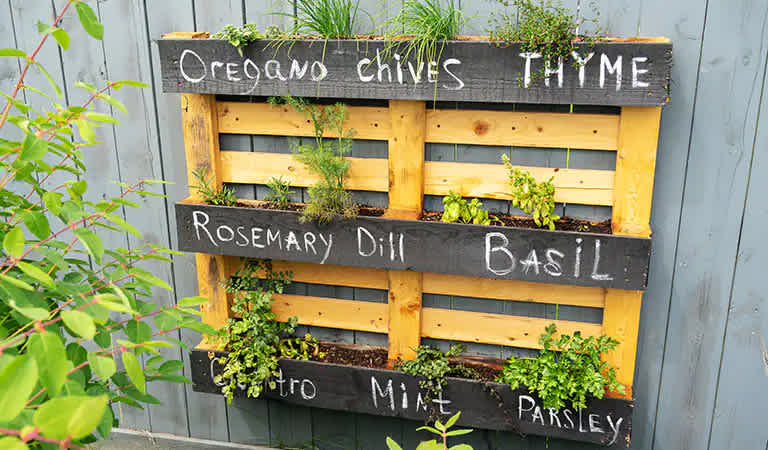
Repurpose, recycle, and enjoy great produce. Here's how to make an affordable and hip-looking pallet garden bed in five simple steps.
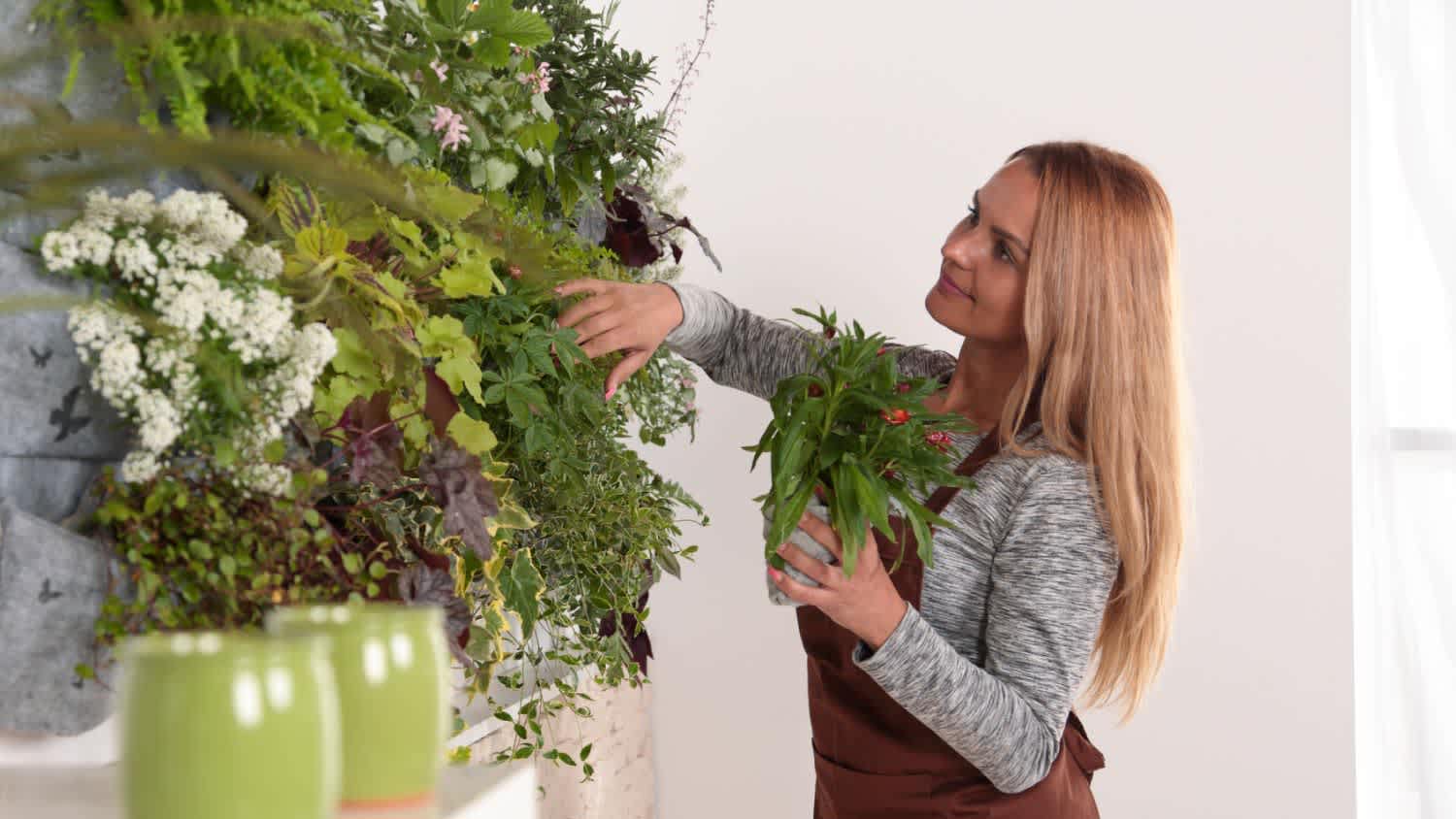
Whether for added privacy, aesthetics, or nutrition, vertical gardens have become popular. Build your own vertical garden with this seven-step guide.