
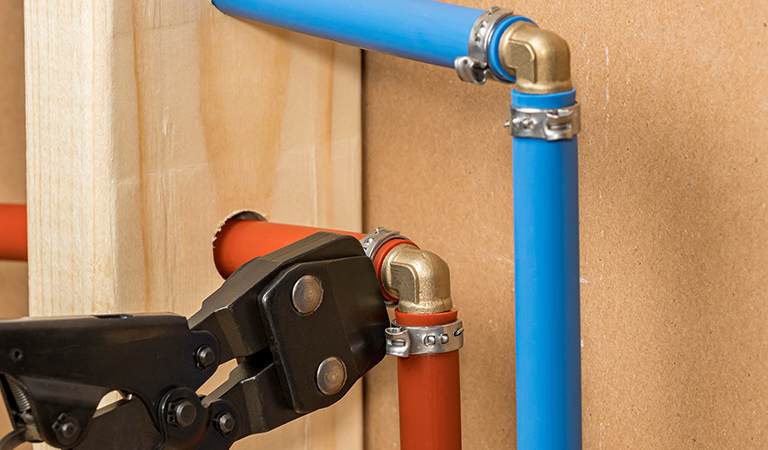
Discover the average plumbing stack replacement cost, key price factors, and expert tips to help you budget for your home’s plumbing upgrade.
The heart of your home’s plumbing system

Your plumbing vent stack controls air pressure in your drain system, allowing water to flow smoothly while venting sewer gases safely outside through your roof.
A broken collar around your vent stack base can let water leak into walls, causing damage or mold that needs prompt attention to prevent bigger problems.
Slow drains, gurgling sounds, or foul sewage smells throughout your home signal your vent stack needs inspection, as blockages prevent proper drainage and air circulation.
Hiring a local plumbing professional provides reliable help with vent stack repairs, including fixing broken collars and clearing blockages that affect your entire drainage system.
Your home’s plumbing system is a magical labyrinth, ushering in fresh water and removing waste when called on to do so. The nucleus of this brilliant feat of engineering is the plumbing vent stack, which supports all the pipes in the home, allows water to flow with ease, and prevents dangerous and unpleasant gases from getting inside.
Read on to learn more about this feature and why it’s imperative to your plumbing system.
A plumbing vent stack is essential to keeping your plumbing’s drainage pipes working properly, and is the main component of your entire drain-waste-vent (DWV) system.
Your plumbing system is more than pipes below your sink. The plumbing vent—which usually extends 2 feet out of your roof, past any potential snow lines—controls the air pressure in your plumbing system.
All plumbing systems require at least one vent stack. It is designed to vent all the gases that accumulate inside the system through the roof into the atmosphere and help maintain the trap seals of each fixture. In addition, the vent stack allows fresh air into your plumbing system that helps water flow easily through the drain pipes.
Your plumbing stack is made of three main components: the vent stack, the drain stack, and the soil stack. Each piece is irreplaceable in maintaining your plumbing system’s proper functioning.
The vent stack sits in the upper portion of your plumbing stack and ensures bad air is vented out of your home while taking in fresh air. It begins a little above your highest-level drain and rises upward through the roof. It is the only part in the stack that’s never touched by drain water. When your vent stack goes faulty, toxic air isn’t let out of your home, and fresh air isn’t supplied in time, which can lead to major health concerns.
The drain stack begins at the topmost drainpipe attachment to the lowest fixture drain. Anything below the lowest fixture is part of the soil stack, which ensures your wastewater ends up in the city sewage. Malfunctions in these two parts of the plumbing stack can cause severe drainage issues, leading to further health and structural risks.
There are two main types of plumbing stacks, and the one in your home is likely dependent on when the home was built.
Cast iron pipes are more common in homes built in the 1970s or earlier. Cast iron is a heavy-duty and durable material that is able to handle the constant rush of water that plumbing systems produce. Despite their durability, however, cast iron pipes are prone to corrosion over time and are very heavy.
Cast iron pipes can corrode from the inside out. Corrosion results in rust which can then flake off and create clogs in the pipes, which are difficult to detect until there is a sewer issue like clogged drains or a sewer backup.
| Pros of Cast Iron Pipes | Cons of Cast Iron Pipes |
|---|---|
| Highly durable | More expensive than PVC |
| Adjustable fittings | Can break on impact |
| Highly fire resistant | Prone to corrosion |
| Quieter than PVC | Pressure can fluctuate |
PVC is a common material for plumbing stacks because it is lightweight and won’t rust. This type of plumbing stack is more commonly found in homes built after 1980. Homes built between 1970 and 1980 may have PVC or cast iron pipes, as both were used during this time.
PVC pipes can be louder than cast iron because they don’t dampen sound as well. But because the material is smoother than cast iron, water can flow more easily which can result in better water pressure.
| Pros of PVC Pipes | Cons of PVC Pipes |
|---|---|
| Durable | Can’t be adjusted during repairs |
| Less expensive than cast iron | Louder than cast iron |
| Fire resistant | Can melt |
| Less friction, ability for better pressure | Can freeze |
| Flexible | Bulkier than cast iron |
There are different types of plumbing vents, in addition to the stack.
Here’s how they’re connected to create a well-functioning plumbing system.
True vent: This is the most common vent, and the kind we described earlier. It is attached to the drain line and vents through the roof. No water runs through it.
Common vent: Let’s say you have two sinks on opposite sides of a wall. A common vent connects the two sinks via a sanitary cross, and links up to the true vent.
Revent or auxiliary vent: This one attaches to the drain line, near or behind the plumbing fixture and runs up and over to the main vent.
Loop vent: These are used for freestanding sinks not connected to walls, such as on a kitchen island. They form a loop under the sink, drop under the floor, and then connect horizontally to the vent stack.
Air admittance valve (AAV): These open to let air in when waste drains out, with the pressure from gravity closing them to prevent gases from getting into the room. Some municipalities will allow AAVs to replace vent lines, and they can vent multiple fixtures to simplify your plumbing system. Check with your local building codes to see if AAVs are allowed.
Your plumbing system’s drainage pipes, which remove water and waste, empty into a sewer or septic tank. The vent pipes supply fresh air to the plumbing fixtures, allowing the system to push water through the drainage pipes every time you flush the toilet or run the sink to brush your teeth.
In addition, the vents help your plumbing system release any sewer gases built up in the pipes. From time to time, gases flow back from the sewer system into your home, and this can carry an unpleasant plumbing odor that can make you and your family experience drowsiness, headaches, and nausea.

Vent stack repairs are rarely necessary, but there are some common issues to look out for.
The collar around the base of your vent stack on your roof is usually made of aluminum, with a rubber boot on the top of the collar. Over time, the rubber can deteriorate from harsh UV rays and other extreme weather.
This can create a leak in your roof and allow water to get into your walls, causing water damage or mold. If you notice water pooling around the base of your vent stack, look into hiring a quality plumber. Or, if it has been a few years since you’ve had your entire system looked at, consider a full home plumbing inspection.
A blockage in your vent stack can create a buildup of negative pressure in your drainage system, which means water won’t be able to flow out of your home well (if at all). You might have a blocked vent if you notice standing water in your sink or bathtub, extremely slow drainage, or hear gurgling sounds in your pipes.
Hire a local plumber to assess the situation. Items that might cause a vent clog include leaves, dead animals, toys, or other random objects that found their way to the roof.
A plumbing stack typically doesn't require much maintenance, but you should still be on alert for signs that it’s worn out. Here are a few signs that could indicate issues with the plumbing stack worthy of a replacement or major repairs:
Foul smells: If you smell the signature sewage smell throughout the home or seeping up through drains, it could mean there’s a backup somewhere, or the plumbing stack isn’t venting properly.
Slow drains: Drains should allow water to pass through freely and quickly. A problem with the plumbing stack can cause drains to seem clogged as water drains slowly or backs up into the sink. While this could be an issue with an individual drain, if attempting to unclog it doesn’t work, or if there are multiple slow drains throughout the house, it may be worth having the plumbing stack inspected.
Gurgling sounds: A plumbing stack in good working order will allow the water to rush through quietly. A gurgling sound means that water isn’t flowing freely and is encountering issues on its way out, or there isn’t enough air flowing through the vent.
Backups: If the toilets or sinks are backing up, it could be a sign of a clogged plumbing stack in need of replacement. While it’s common for toilets and sinks to become clogged over time, if multiple sinks or toilets clog at the same time, it may be a plumbing stack issue.
Wet walls: If the plumbing stack is cracked, it can leak and seep into the walls or floor. This could also be a sign that the collar that seals the plumbing vent at the roof is defective.
Contact a licensed and insured full-service plumbing company to replace your plumbing stack. If a company mentions repiping as their specialty, that’s usually a good choice for plumbing stack replacement. If you suspect something is also wrong with your sewer line, contact a sewer expert for an inspection to determine the scope. An established plumbing company often has sewer capabilities. Otherwise, your plumber may give you a referral for sewer maintenance and cleanup.
Stephanie Mickelson contributed to this piece.
Positive experience. As previously stated, the replacement/repair could not be completed (no fault of the plumbing tech) b/c misinformation was rec?d by property management maintenance. Thanks to the plumbing tech for your efforts. Appreciate you!
 The Waterworks
Finished Basements Plus was wonderful from beginning to end! First, they came out quickly for an estimate. I had 4 estimates and theirs was by far the best. (2 of the estimates were more than $20K higher than for the exact same work). Beyond their fair pricing, the work was excellent. They...
 Finished Basements Plus Inc.
If you want to pay the most exorbitant prices possible for your job, this is the company for you. “By the job” pricing is a rip-off, at least how these people use it. Every job is plugged into a category and prices are set by category. You might have a job that takes half an hour or one that...
 Benjamin Franklin Plumbing
Cole has been handling plumbing and general contracting for our four properties over the past three years, and he’s always done a great job. Most recently, he installed a sink and countertop in our retail store where none existed before, and it turned out exactly how we needed. He’s...
 ANB Renovations LLC
Matt is a consummate professional. The work turned out to be far more difficult than expected and rather than turn the job down, Matt rose to the occasion and completed a near impossible task. I can not recommend Greene's Plumbing Service more highly. On a scale of 1-5 I would give Matt a...
 Greene's Plumbing Service
Involved an extensive bathroom remodel, including removing tub & installing walk in shower, new drywall, custome tile work to ceiling, plumbing, etc. Overall, job was done on time and on budget. Nick & his team were very professional and had high attention to detail. Quality was great. Highly...
 Stamos Flooring and Remodeling LLC
Awesome company. Had a jacuzzi tub taken out and replaced with huge walk in shower with partial glass enclosure. Onyx to the ceiling with a decorative border, moved plumbing and installed hand held shower, new ceiling, flooring, and paint. Replaced window with glass block. Everything was done...
 Columbus Bath Design
The initial quoted price from a walk-through seemed high, but we discussed that the quote represented worst case scenario (re-wiring to two floors) and we were excited about the opportunity to have the work done in a timely manner with closing for fire safety reasons, etc. When the job was...
Initially, I called the Service People to have a leaking garbage disposal replaced. I had purchased a special deal through Angie's List: $79 for $200-worth of plumbing services. <br /> When I went to schedule the work, the earliest date I could get through Angie's List was after the upcoming...
This company did a very good job on the brick wall and it looks just amazing. The staff was always professional and was practically OCD on how the bricks were stacked and how they were laid. Although it took longer than expected, I am willing to sacrifice time over perfection anyday. The...
 My Handy Mate LLC Improvement & Remodeling
From average costs to expert advice, get all the answers you need to get your job done.
Discover the average plumbing stack replacement cost, key price factors, and expert tips to help you budget for your home’s plumbing upgrade.
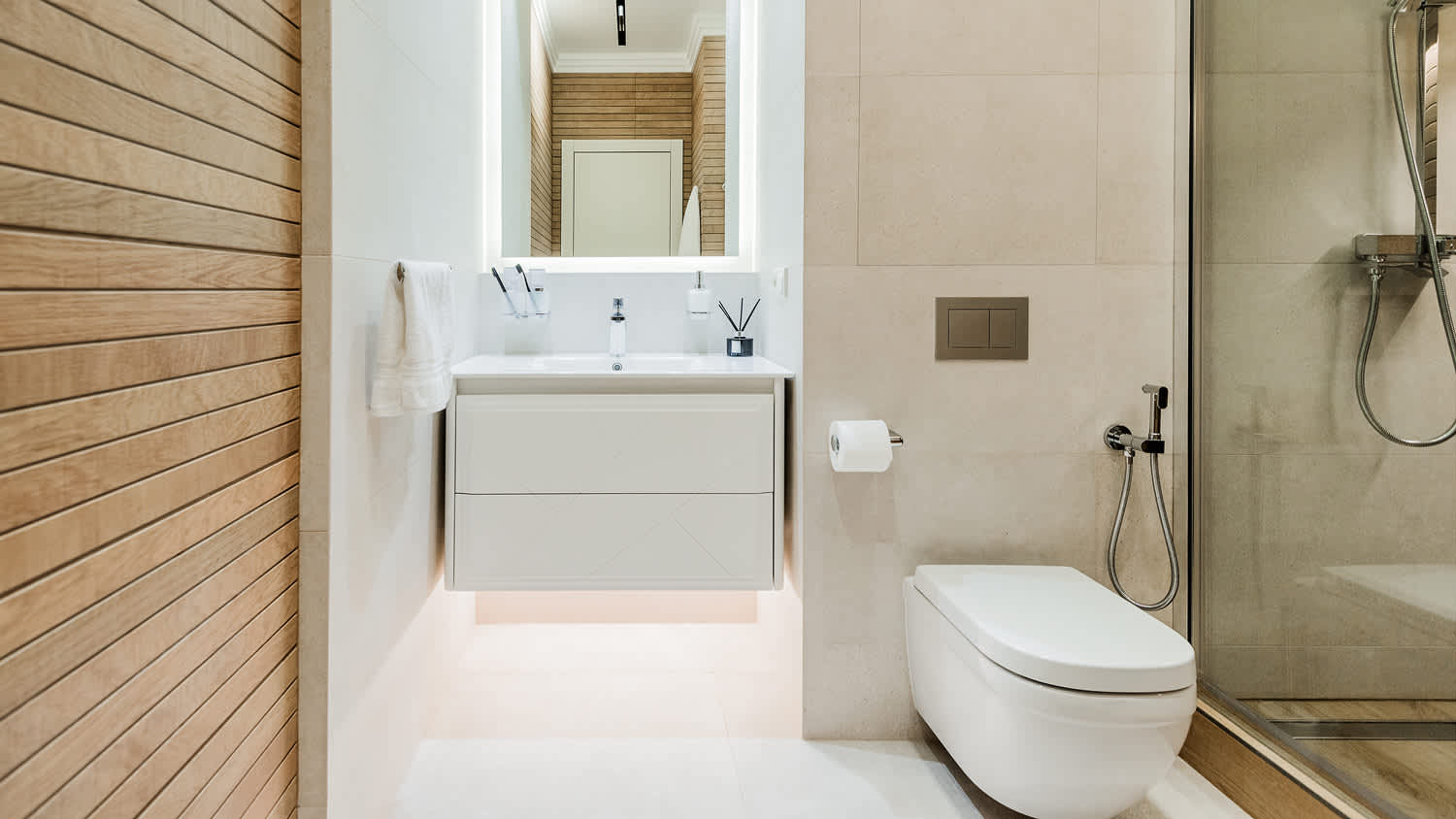
Wondering how much it costs to reroute plumbing? We have the information you need to learn about plumbing vent pipes and cost considerations when installing them.
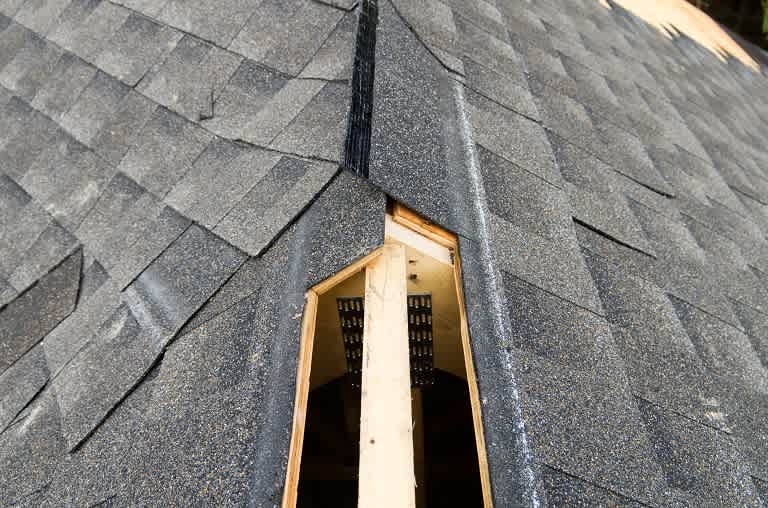
Roof ridge vents protect your home by reducing moisture in the attic. A number of factors affect ridge vent cost, and we break them down here.

Slow drains and foul smells are telltale signs of a clogged plumbing vent. Find out how to unclog a plumbing vent without getting on the roof in this guide.

As you look into the ins and outs of your home plumbing system, it’s common to wonder—how many plumbing vents should a house have? The answer depends on several factors.

Without proper ventilation, a washing machine can clog, leak, and cause a dangerous mess in your home. Learn how to vent a washing machine drain with this guide.