

A central air system is great for someone looking to cool and heat their home all year round. Even if your home uses baseboard heating, you can still make the switch. Read on to learn more about adding central air to a baseboard-heated house.
Say goodbye to sweater weather on the first floor of your home

Balancing your heating system redistributes hot water from overheated radiators to cooler ones, ensuring consistent warmth throughout your home and lowering energy costs.
Bleeding your radiators removes trapped air that blocks hot water flow, which you should do if you notice cold patches, gurgling sounds, or mold near radiators.
Start adjusting radiator valves closest to your boiler first, then work outward, testing and retesting until you achieve balanced heat across all rooms in your home.
Hiring a local HVAC repair professional provides reliable support when balancing attempts fail, helping diagnose damaged radiators, valve issues, or dirty boilers that need attention.
Ever wondered why the radiators on the second floor of your home stay warm, but the first floor or basement heating systems don’t seem to match? The reasons can vary, but one strong possibility is that your heating system is imbalanced.
To balance a heating system, you’ll need a couple of hours and possibly your radiator key to tackle two projects—balancing and bleeding your radiators—at once. Here are eight tips to help balance your HVAC system.
Essentially, balancing a heating system means channeling more water into your cool radiators and restricting water access to those that get too hot. Hot water tends to work its way to the top radiators (on the first or second floor of your home) and stay there. It also tends to settle closer to the boiler. The further away it is from the boiler, the cooler it tends to be.
By opening and closing your radiator valves to redistribute hot water, you can shift the balance downstairs to ensure all of your boilers are heating your home the way you want.
It’s common for homeowners to discover issues with their heating system during the fix. Examples include:
Broken radiators that need to be replaced
Radiator valve issues that may require a replacement
Dirty boilerplates that inefficiently heat your home
Damaged boilers that require repair
Balancing your heating system makes it more efficient, which can help lower energy costs and enhance performance during the cold winter months.
Radiator valves can get very hot when the heat is on. Turn off your entire heating system for at least an hour before attempting to balance your radiators—but take note of which radiators are running hot and which are cool before you turn it off.
It sounds scary, but bleeding your radiators is just another way to balance a heating system. Bleeding removes trapped air from the valve that could stymy or impede hot water flow through your home’s system.
Signs your radiators need to be bled include:
Cold patches on your radiator, especially on top
Gurgling, hissing, whining, or knocking noises from your radiator when it turns on
Mold growth near your radiator or boiler
You’ll need your radiator key to open the valves once they cool down.
Each home’s heating valves look and work differently. Once you’re done bleeding or rebalancing, pull out the manual or do a quick search online of your make and model to learn how to unlock and relock your valves. This way, you don’t accidentally damage them and you can know how to bleed them again in the future if more issues arise.
Many modern heating valves have radiator lockshields or plastic caps designed to balance the air without needing to do it yourself.

Once your system cools down, you can start making rounds to balance out your heating system.
Start with the radiator(s) closest to the boiler. If, as expected, these are your hottest devices, open the valve slightly (clockwise or counterclockwise, depending on your device) to restrict water flow.
Make your way to the other radiators. Loosen them up a quarter-, half-, or full-turn depending on how cool they are relative to the others. Use trial and error to determine which direction works best for your needs.
It may take a few attempts to balance your heating system properly. Once you’ve adjusted the valves and locked them, turn your heat back on. Give it about 30 minutes to see if there are any improvements. If yes, then you’re all set.
If not, shut your heat off, allow your radiators to cool off for at least 30 minutes, and repeat the process. If you still aren’t getting the desired heat after three or four attempts, call an HVAC repair pro to see if it needs further repairs or replacement.
There are several types of radiator thermometers you can invest in to monitor the balance of your heating system all winter long.
Some attach directly to your radiator and cost as little as $12. Infrared digital thermometers can take the temperature in real-time, at the press of a button, and cost $30 to $50. Purchasing one of these products may be a good idea if inefficient heating has been a longstanding issue in your home.
If troubleshooting your radiator is unsuccessful or you find issues (such as a badly damaged radiator or a dirty boiler that desperately needs cleaning), learning how to hire an HVAC professional may be the next best step.
Call at least three local HVAC pros and ask how much radiator repairs cost to help match your project to your budget.
According to Angi data, nearly 33% of customers report the most common oil boiler service is regular wear-and-tear maintenance. Other frequently reported problems are leaking or cracked boiler, not heating correctly, oil smell or weird noise, or malfunctioning pilot light.
This service was great. My air conditioner went out during the heat spell that we had. My husband has health issues and they came out that night and at 9:30pm the air conditioner was fixed and running. We are sooo very thankful, this is the company I will be using from now on and would...
 Mr. Mechanical Ohio
I normally do not leave reviews, but my experience with Worthington Air was extremely frustrating and disappointing. About 30 days ago, I had a consultation done for an HVAC replacement and was quoted approximately $15,079. Based on that quote, I applied for financing through their company...
 ARS Columbus Worthington Air
Great company! Price was competitive, technician showed up on time and completed the job (exterior electric Radon fan replacement) quickly. Would hire them again.
 MaGen Property Inspections and Radon Mitigation
Raven and crew does absolutely fantastic job. They are very professional if any concerns were to occur with any of her work she always took responsibility and finished out with a great job. I have worked with her business for a year and have always been satisfied. Very trusted business and...
 Creations of Transformation LLC
I would recommend this company to anyone! He showed up on time, was friendly, completed a very difficult repair on our dryer vent cover, was responsive, and pricing was extremely fair and competitive. I would have him back to do any of our repairs or cleanings without hesitation!
 U.S.A. Dryer Vent, LLC
Ace Fireplace Services' chimney sweep service is truly exceptional. They used advanced technology to ensure a thorough cleaning process, and my chimney has never looked better. I highly recommend their services.
 Ace Fireplace Services
The technician was very professional and friendly. He answered all my questions and was very thorough. He left the fireplace area very clean . He inspected from the roof and advised me as to other work that might need to be done. There was no pressure there. I was very satisfied with the...
 Supreme brick & chimney
Excellent experience with hiring Tether House to Mount our 77’ Samsung TV in our bedroom. Fast, friendly, and knowledgeable. Highly recommend.
 Tether House
On time, clean and finished fast. Windows seem sturdy and the finish is good. Caulking was done with no smudges. Would recommend.
 Window Depot USA of Central Ohio
Great job...edging and pre clean up went well with a great job with seal coat. Friendly, efficient and professional.
 All Star Paving and Sealing
From average costs to expert advice, get all the answers you need to get your job done.
A central air system is great for someone looking to cool and heat their home all year round. Even if your home uses baseboard heating, you can still make the switch. Read on to learn more about adding central air to a baseboard-heated house.
When the weather gets warm, you might find yourself wondering what is central air and do I need it? Learn about your options to decide if it’s right for your home.
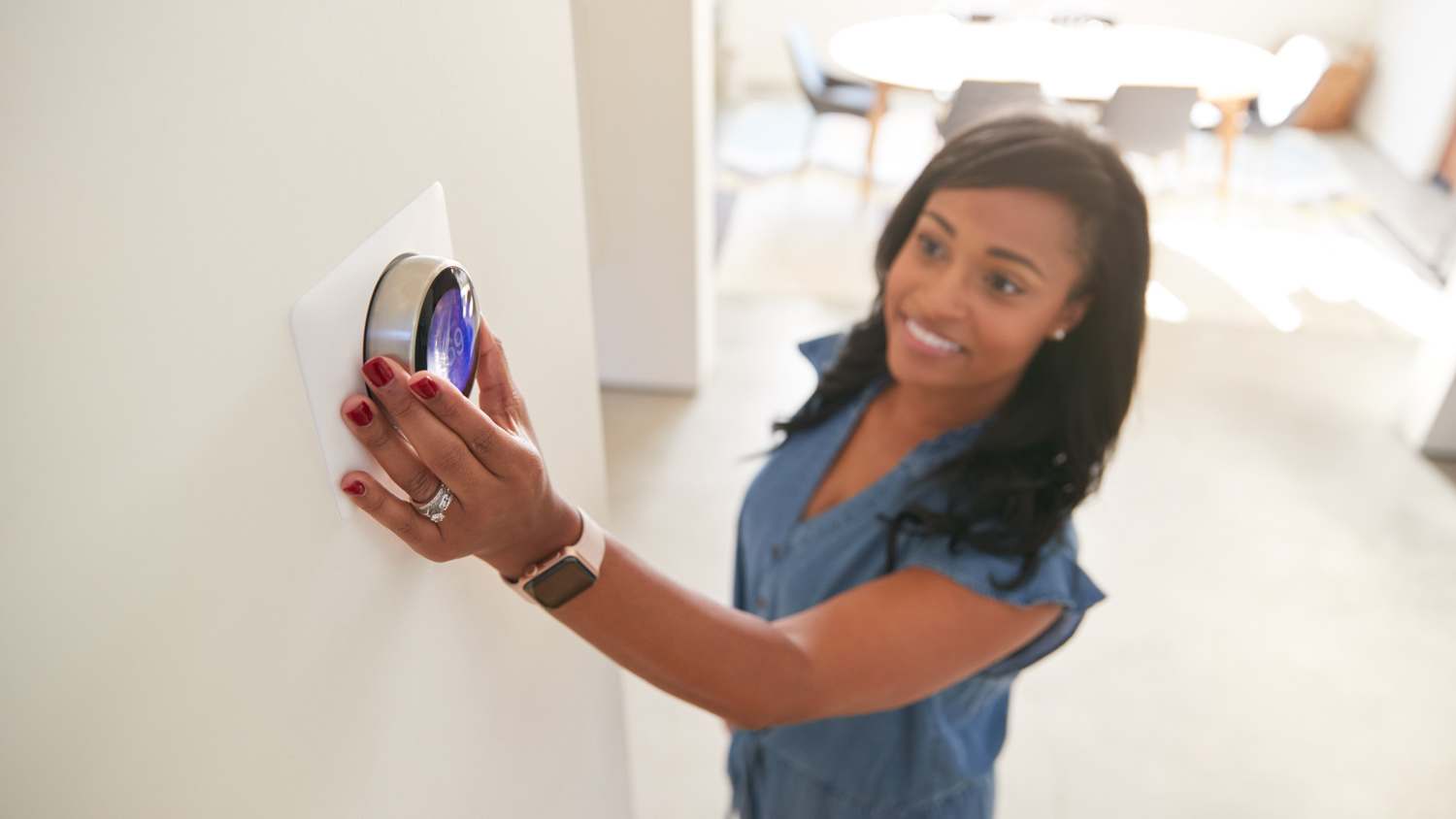
Have your heat pump inspected annually to maintain your entire heating system. Regular maintenance of your HVAC system will help keep you comfortable year-round.
When you notice hot and cold zones in your home, it pays to learn how to balance airflow in your ducts to even out the temperature.
Adding central air to a house can add comfort and increase your home’s value. Our guide explains what you need to know about installing AC.

Enjoy comfort without compromise. Create and install heating zones for Independent control of the temperature of each area of your home.