

Considering a heat pump to reduce monthly heating and cooling bills? Find out geothermal heat pump costs based on system type, capacity, and other factors.
Geothermal heat provides clean energy and proves it can perform for the hefty price tag

Installing a geothermal heating and cooling system costs $20,000 to $25,000 for installation, so you should plan for a major upfront expense.
Your geothermal heat pump costs $20,000 to $25,000 to install, and it can cut energy use 25% to 50% versus air systems.
Your geothermal system lasts 20 to 25 years, compared with 15 to 20 years for furnaces and 10 to 15 years for HVAC.
Hiring a local geothermal repair professional helps you confirm geothermal is the right fit for your home and plan the installation steps.
As the days get longer and the air turns chilly, it’s tempting to look for ways to keep the utility bill down while maintaining a comfortable temperature in your home. But what about a larger investment that improves the efficiency of your home and HVAC system? For many people, geothermal heating provides a significant, long-term cost-saving option. Here’s what you need to know when considering if a geothermal heat pump is worth it for your home.
Under the Earth’s surface is a constant source of heat, increasing at an average rate of approximately 1°F for every 70 feet in depth, according to the Environmental Protection Agency (EPA). Using this consistent, renewable heat source can offer people an alternative source of energy and heating and cooling capabilities. Geothermal heat pumps capture the heat below the ground’s surface, where it stays at a consistent temperature somewhere between 45 and 75 degrees, depending on how low in the ground you’re measuring the temperature and the time of year.
A geothermal heat pump circulates cold air from your home through a system of underground, buried pipes. The subsurface temperatures heat the air before flowing it back into the pump, which distributes to your ductwork throughout your home. The same process describes how a geothermal unit can also be used for cooling—warm air flows down into the pipes and discharges its heat into the cooler soil surrounding the pipes. The ground temperature then cools the above-ground air, which is pushed back to the heat pump and out into the ductwork. Consult a local geothermal heat professional to determine whether this type of system is the right fit for your home.
The average geothermal heat pump costs between $20,000 and $25,000. This project cost includes labor, parts, and installation. The area you live in, the terrain around your home, and the insulation in your home all impact the final price. Additionally, the finishing touches for the project may add to your cost. These can include things like upgrading your home’s ductwork and re-sodding the yard.
Geothermal heating requires a significant up-front cost and many installation considerations, but it checks a lot of boxes for well-suited homes. Here’s how it stacks up with pros and cons, also taking into consideration its comparison with a natural gas furnace.
| Pros | Cons |
|---|---|
| High efficiency | Expensive up front |
| Energy savings | Need lots of space |
| Longest life span | Soil dependent |
| Reliable |
A geothermal heat pump system can be three to four times more efficient than the highest-efficiency air-source units. According to the U.S. Department of Energy, investing in a geothermal heat pump can help you decrease your energy consumption by 25% to 50% compared to traditional systems that use air.
Plus, geothermal units have longevity. A geothermal system lasts about twice as long as a conventional air-source unit. Geothermal units last for about 20 to 25 years, while a traditional furnace typically runs for around 15 to 20 years, and HVAC comes in at about 10 to 15 years.
Additionally, geothermal is a more reliable source of renewable energy than other alternatives, like wind and solar power. The power you get from the ground will be more dependable because the earth stays at a relatively consistent temperature, unlike unpredictable wind and sunlight.
The biggest hurdle to overcome with a geothermal heating unit is the upfront cost of investment. While the cost will likely pay itself off over the next decade, the project will still require a significant amount of financing to get underway (30% to 40% more than a traditional furnace and air conditioner).
The second potential pitfall is that certain locations aren’t compatible with geothermal heating. You need a lot of space and a specific type of soil to install a geothermal unit. Dense soils (like those that are clay-based) or rocky soil will make installation much more difficult and costly.

Factors that will impact your project cost include the size of your home, your yard’s terrain, and the climate you live in. All of these factors are typically taken into account when the installer uses the Manual J method or load calculation when making a recommendation for the size of your geothermal system.
A horizontal geothermal system is the most common type for residential areas. The closed loop system is made of pipes buried 4 to 8 feet deep. Because the long, winding trench to bury the pipes requires more space, this system works better for homes with at least a quarter of an acre of land.
Vertical systems require pipes to travel 100 to 400 feet down into the earth and are, obviously, the more expensive of the two options because of the installation depths. However, they are just as effective as horizontal systems and, oftentimes, the only option for city or suburban properties that have less space available for piping.
Geothermal heating works best for climates with a bigger variation between seasons and colder winters. This includes much of the northern and midwestern United States that gets a lot of snow and ice. Locations with sweltering summers and mild winters will likely not have as much of a need for geothermal heating. Still, geothermal heating and cooling can be helpful no matter where you live if you're looking to save money on energy costs.
Between its long life span and offset in energy cost savings in 5 to 10 years (according to the U.S. Department of Energy), geothermal provides a compelling solution for people looking for a substitute for conventional furnaces and fossil fuel prices. Plus, according to ENERGY STAR®, you can claim 30% of your project cost (or a maximum of $600) for geothermal heat pump products purchased and installed between January 1, 2023, and December 31, 2032, as an incentive to switch to a renewable energy source. For a quote or more installation information, consider contacting a geothermal installation company near you.
If you’re good people wanting to do business with good people, hire Matt. He is a consummate professional and utterly competent. He installed a water heater in my home at a price that beat competitors by hundreds of dollars with a promise to support the unit for its life (even after its 6 yr...
 Greene's Plumbing Services
Corey Carr was great. I had damage from a recent storm and needed to have my mast and other components replaced. The project entailed coordinating with AEP, and Corey helped make a stressful situation a lot less stressful. I really appreciated his dedication to service and the job very well done.
 Mr. Electric of Columbus
This service was great. My air conditioner went out during the heat spell that we had. My husband has health issues and they came out that night and at 9:30pm the air conditioner was fixed and running. We are sooo very thankful, this is the company I will be using from now on and would...
 Mr. Mechanical Ohio
I normally do not leave reviews, but my experience with Worthington Air was extremely frustrating and disappointing. About 30 days ago, I had a consultation done for an HVAC replacement and was quoted approximately $15,079. Based on that quote, I applied for financing through their company...
 ARS Columbus Worthington Air
Great company! Price was competitive, technician showed up on time and completed the job (exterior electric Radon fan replacement) quickly. Would hire them again.
 MaGen Property Inspections and Radon Mitigation
Raven and crew does absolutely fantastic job. They are very professional if any concerns were to occur with any of her work she always took responsibility and finished out with a great job. I have worked with her business for a year and have always been satisfied. Very trusted business and...
 Creations of Transformation LLC
I would recommend this company to anyone! He showed up on time, was friendly, completed a very difficult repair on our dryer vent cover, was responsive, and pricing was extremely fair and competitive. I would have him back to do any of our repairs or cleanings without hesitation!
 U.S.A. Dryer Vent, LLC
Ace Fireplace Services' chimney sweep service is truly exceptional. They used advanced technology to ensure a thorough cleaning process, and my chimney has never looked better. I highly recommend their services.
 Ace Fireplace Services
The technician was very professional and friendly. He answered all my questions and was very thorough. He left the fireplace area very clean . He inspected from the roof and advised me as to other work that might need to be done. There was no pressure there. I was very satisfied with the...
 Supreme brick & chimney
On time, clean and finished fast. Windows seem sturdy and the finish is good. Caulking was done with no smudges. Would recommend.
 Window Depot USA of Central Ohio
From average costs to expert advice, get all the answers you need to get your job done.
Considering a heat pump to reduce monthly heating and cooling bills? Find out geothermal heat pump costs based on system type, capacity, and other factors.

The cost of a new AC unit depends on the size and type. Our guide breaks down AC replacement cost factors so you can decide which option matches your budget.
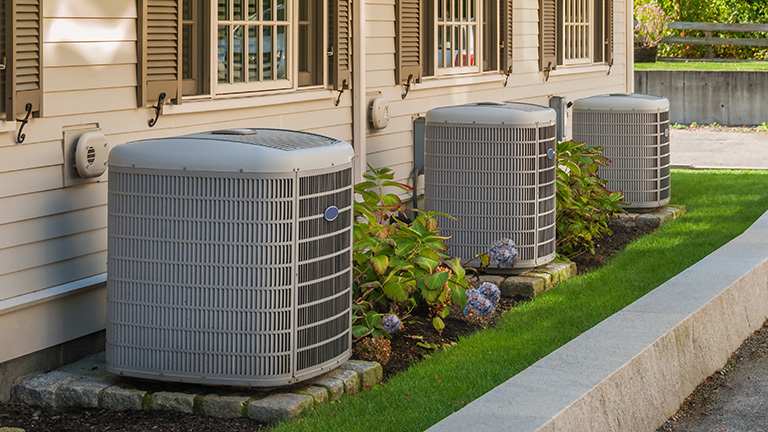
HVAC replacement costs depend on a lot of factors, like unit type, size, and labor. See what you can expect to pay for HVAC replacement here.

Geothermal heating and cooling systems come with many perks for homeowners who want to make the switch from a traditional HVAC system. Learn 11 benefits of geothermal systems.

Looking to buy a geothermal heat pump but don’t know where to start? Read this to know what you need to do to choose the best geothermal heat pump system for your home.
Looking for an energy-efficient way to keep your garage comfortable? Learn about a geothermal heating and cooling garage floor system.