
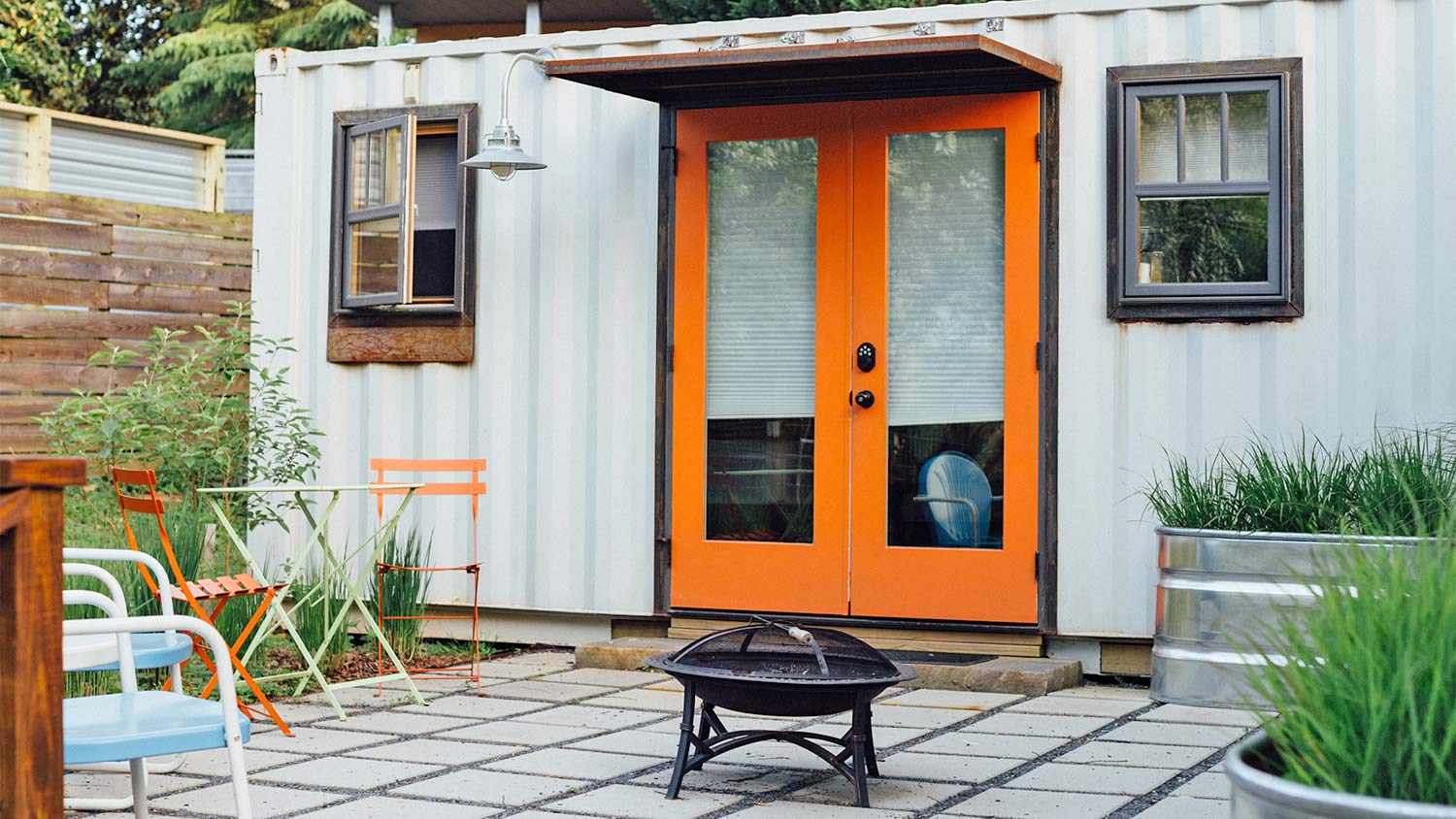
How much does a container home cost? It depends on the number of containers you use. This guide will help map out potential expenses for your project.
Good gardens really do come in small packages

Container gardening for beginners is straightforward when you choose plants that thrive in pots, including herbs, flowers, tropical houseplants, and small vegetables.
Your potting mix needs peat moss, vermiculite, or coconut coir to stay fluffy and retain moisture without compacting like regular garden soil.
Proper drainage prevents root rot, so you should choose pots with drainage holes or drill your own using the right bit for your container material.
Hiring a local plant watering professional takes the guesswork out of watering schedules and helps keep your container garden thriving while you're away.
If you’ve ever put a houseplant inside a pot, you’re already familiar with the idea of container gardening. Container gardening is a common gardening term, but what does it mean exactly? Simply put, it’s when you grow plants in (you guessed it!) containers. This type of home gardening isn’t actually a difficult hobby to start. All it takes is a little know-how and a trip to your local hardware store or garden center. Want to know how to start a container garden? These nine steps will turn you into an instant green thumb.
Before you start a container garden, you’re going to need a few gardening tools. These will help you dig holes, break up roots, move around soil, water your plants, and aerate the soil (since soil in containers tends to get compacted over time). Start with:
A hand-trowel
A hand-held cultivating tool, like a gardening fork or rake
Gardening gloves
A planting mat (to keep things tidy if you’re gardening indoors)
Scissors or pruning shears (use the latter if you’re growing larger bushes)

Container gardening is a delicate balance. Not all plants thrive in pots, and not all plants work in every climate. This latter isn’t a big deal if you’re gardening indoors (it’s the only way to grow tropical Monstera in the dead of winter). Nonetheless, if your plants are going outside, pay attention to your USDA Plant Hardiness Zone.
You’ll also want to pick plants that can survive in pots. Tall or oversized plants—including those that produce large fruit like some types of melon or pumpkin—just aren’t good contenders for a container garden. Instead, reach for flowers, tropical houseplants, succulents, herbs, or small fruit and vegetable plants.
You can start with seeds, bulbs, seedlings, or full-grown plants. All of these options should be available at your local nursery or garden center. For herbs, you can even scope out the grocery store.
For healthy container gardens, drainage is key. Water can’t soak into the ground or runoff like it normally would. If there isn’t proper drainage, plants are easily waterlogged—and nobody wants to deal with root rot or fungus. Instead, plan out a drainage solution in advance. You may want to:
Choose a pot with a drainage hole (preferable in a porous material like terra cotta)
Drill your own drainage hole in a planter
Choose a planter with a mesh bottom
Keep plants in their plastic nursery pot, so you can remove them from the container for watering
If you do choose to drill your own drainage hole, make sure you use the right drill bit. A regular bit works for plastic or wood, but you’ll need a carbide tip for glazed ceramic pots. A masonry drill bit works best for unglazed terra cotta.
You can’t have a container garden without a container. Your local plant nursery or hardware store will have a range of pots, planters, and containers. You can also create a DIY planter by recycling coffee cans or milk jugs.
Remember to match your container to your plant’s size. If you’re growing vegetables like tomatoes, you’ll need a large container that’s deep enough for the roots. Smaller plants with shallow roots like herbs can use a shallower planter. It’s important to keep in mind that the planter you choose will affect how your container plants retain water.
This includes plastic pots, metal containers, glazed ceramic pots, and other planters made from non-porous materials. These containers hold water. They can help you stretch the time between watering, but they also make it easier to overwater your plant accidentally.
This includes terra cotta pots, clay pots, ceramic containers without glaze, and wooden planters. These materials are porous and allow water to evaporate easily. They’re the best for first-time gardeners because they help prevent waterlogged roots, but you will have to water them more often.
These containers have a basin that holds water, so you can water your plants less frequently. They’re more popular with indoor container gardens than outdoor plants.
To grow healthy plants in a container garden, you have to be smart about soil. Regular garden soil compacts too easily. Topsoil can lack nutrients. Instead, purchase a growing medium specifically for containers. There are special mixes for orchids, succulents, seeds, and tropical plants. For an all-purpose solution:
Potting mix is usually best for indoor plants
Potting soil works better for outdoor plants
Look for a potting mix or soil that includes ingredients like peat moss, vermiculite, ground pine bark, and coconut coir. These materials help aerate the soil, allow it to retain moisture, and provide nutrients. The ideal potting soil is fluffy, light, and moist without being waterlogged.
Planting your container garden is pretty straightforward. Don’t crowd your plants. Make sure they have room to grow without quickly becoming rootbound (when the roots start to fold up on themselves inside the pot). Use a pot filler like milk jugs, soda bottles, or a plastic flower pot turned upside down for a large container, so excess oil doesn’t weigh down your container.
Since planters are self-contained, it’s easy for nutrients to run right out of the drainage hole. You’ll need to fertilize your potted plants to get the lushest leaves and largest yield. If your potting mix doesn’t already include fertilizer, start with a slow-release fertilizer (they come in both pellets or sticks). Generally, this type of fertilizer works for 60 to 120 days. Follow up with a liquid fertilizer containing equal parts nitrogen, phosphorus, and potassium.

The fastest way to kill your potted plants is by overwatering. Look at the nursery tag, which should tell you how much sunlight and water your plants need. Herbs tend to like moist soil, but tomatoes are easily waterlogged. Something like a succulent rarely needs water. It’s a toss-up.
As a rule, only water your container plants if the first inch of soil is dry. If the soil is still moist, leave it alone. If all else fails, you can always hire a local outdoor plant watering service.
Pruning helps you shape your container plants, allows you to remove dead or diseased foliage, and promotes growth. Make sure to only use clean pruning shears or scissors when pruning your plants or harvesting your veggies and herbs. Bacteria affects plants the same way it affects you—it can make them sick.
Custom Paint Jobs LLC made our home feel like a piece of art. Thank you for your creativity!
 Custom Paint Jobs, LLC
Window Depot did an amazing job on my deck. I wasnt sure what I wanted to do, but their composite decking was affordable and will last a long time. I am excited to have family over, and I am no longer embarrassed by my backyard. Jeff and the ground crew were polite, respectful, and caring for...
 Window Depot USA of Central Ohio
First of all, the gentleman I dealt with (Cam?) was very responsive to my many questions and concerns throughout the project, which is a huge plus to me. From the first time I met him for the estimate all the way til the completion of the job, he and his crew were professional and respectful....
 All Star Paving and Sealing
We had a 20+ year old landscape lighting system that needed replacement. Midwest Lightscapes worked with us to design a much improved lighting system, lighting the exterior of the house and the back yard. Installation of the 45 light system took one and one-half days, and went very smoothly....
 Midwest Lightscapes
Another great success for me on home advisor. This company did an awesome job on my landscaping and stayed within my budget. The best part, the work was complete within 2 days of my initial request. Professional and responsive. I highly recommend!
 Blue Ring Residential Services, LLC
The company no showed on me twice. The 2nd time was no call no show. They were responsive to set up the first appointment to perform the "landscape cleanup". 3 hours after their initial scheduled appointment time they called me to let me know they had some "problem" with the truck and their...
 Ruby Home and Hauling Services
Received ideas for future landscape plans...quote to do the work seemed a bit high but I did not have any other quotes to compare it to, so perhaps that is the going rates. <br />
 Landscapes By Terra, Inc
All around they have done a really great job. <br /> I have used JL Landscapes for the past 8 years. I own and operate my own commercial/residential real estate company where we own, operate, and maintain our own properties. JL Landscapes has been our exclusive landscaper for both our...
 J.L. Landscapes
Bought a half a cord of firewood from Pitzer with stacking last month. I waited to report so I could see how the wood burned. <br /> <br /> I have three pet peeves regarding landscapers, but Pitzer scored "A"s regarding all three. First, rather than having customers "leave a message" and...
 Pitzer Landscaping
I left a message on Sunday requesting to schedule a time to obtain an estimate/walk-through and received a return call in the morning of the following Monday. Mark worked with me and agreed to schedule the estimate/walk-through for the following Saturday. When Mark arrived for the...
From average costs to expert advice, get all the answers you need to get your job done.
How much does a container home cost? It depends on the number of containers you use. This guide will help map out potential expenses for your project.
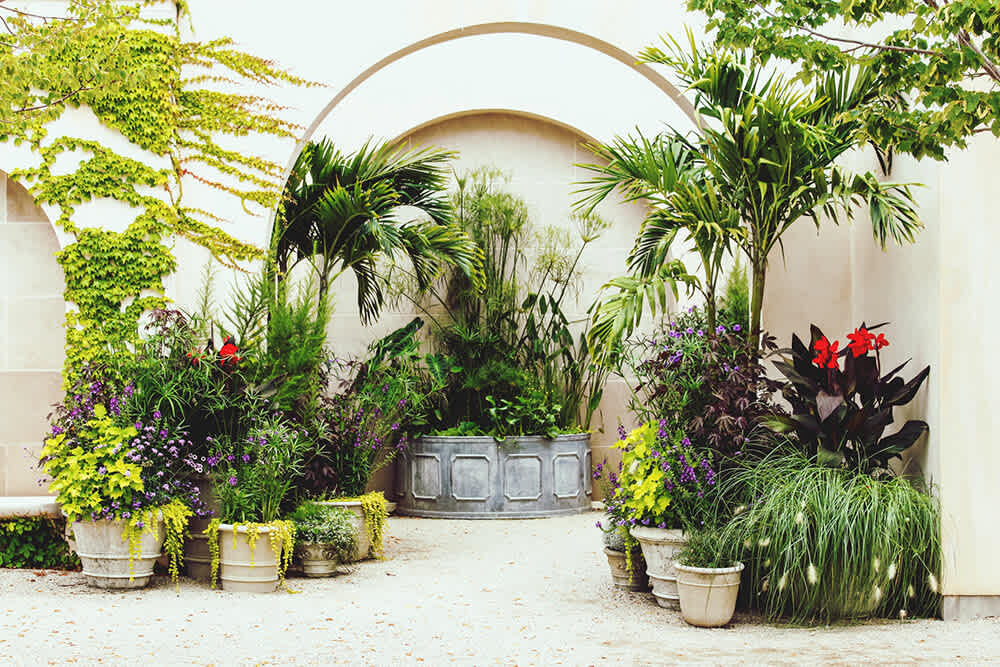
Enjoy flowers and foliage even if you only have a small deck or patio with these top container gardening ideas. Get ideas for container gardening, from window boxes full of salad leaves to bathtubs full of fiery ornamentals with our expert guide.
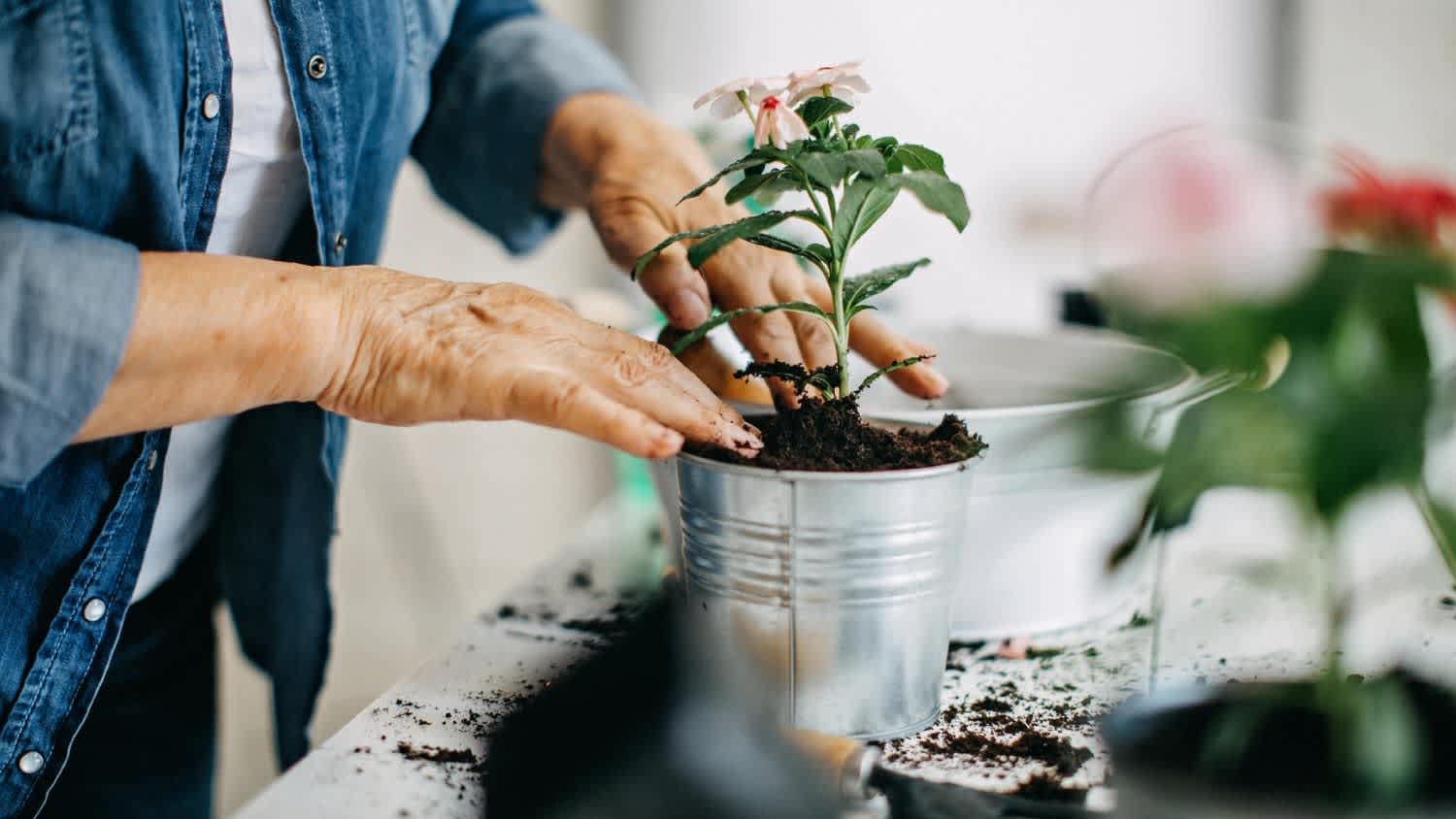
Container gardens are the perfect way to make the most of your landscape when you can’t sow your flowers and plants directly in the ground.
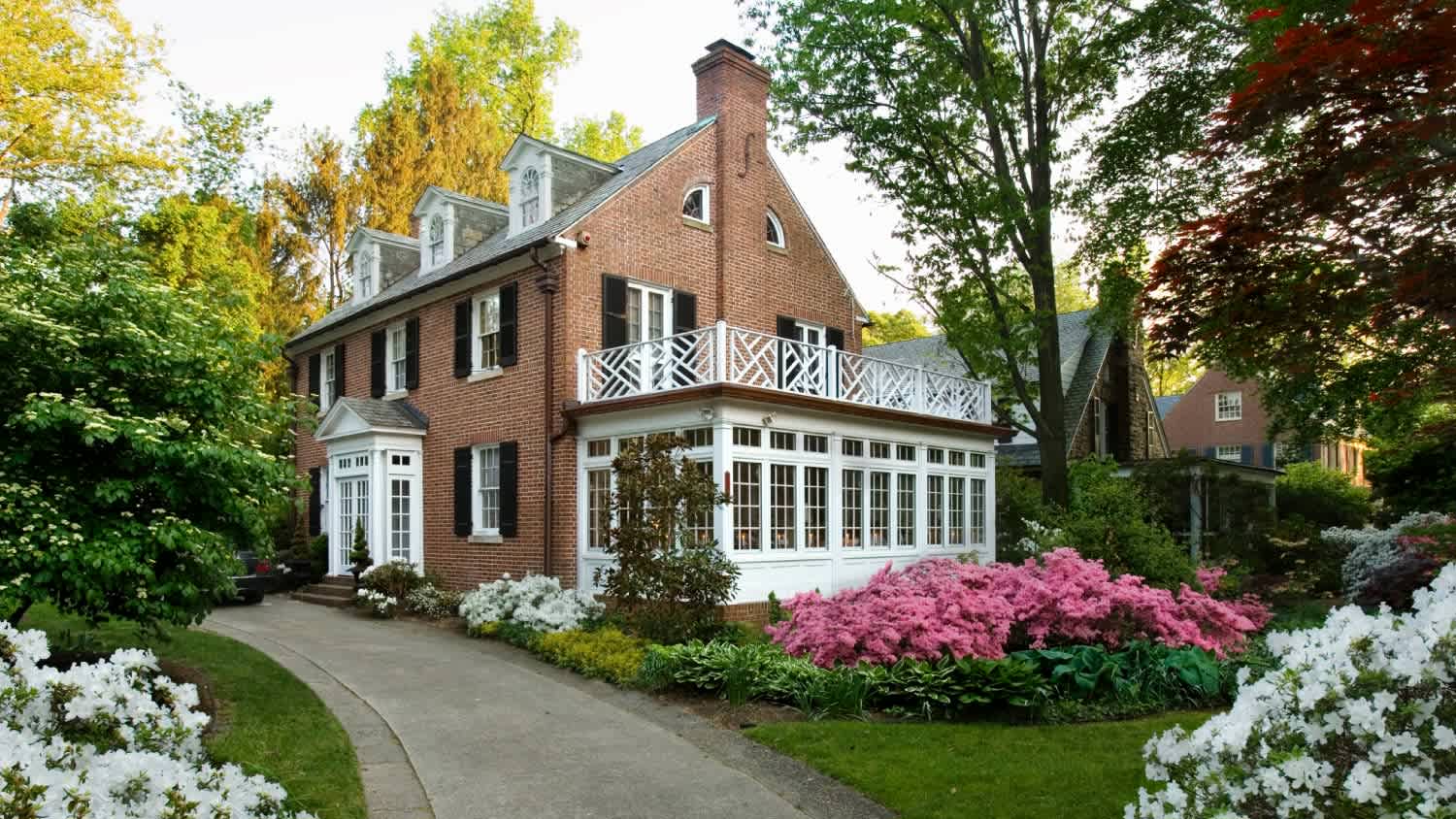
Looking for home gardening inspiration? Check out advice from nine gardening influencers on how to grow a healthy garden and have fun along the way.
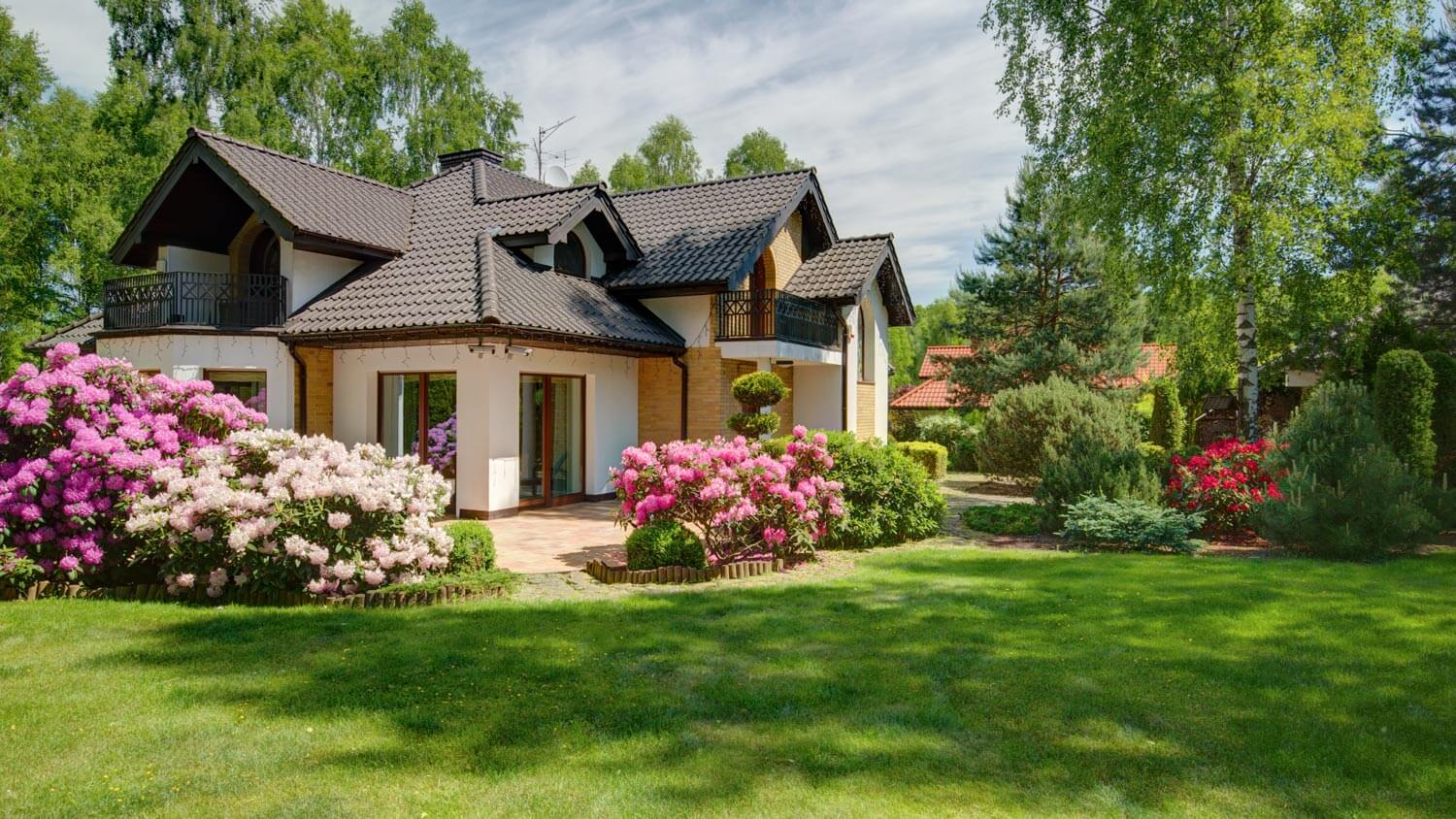
You don’t have to overcomplicate things when revamping your garden space. Check out these simple tips to help beautify your backyard.
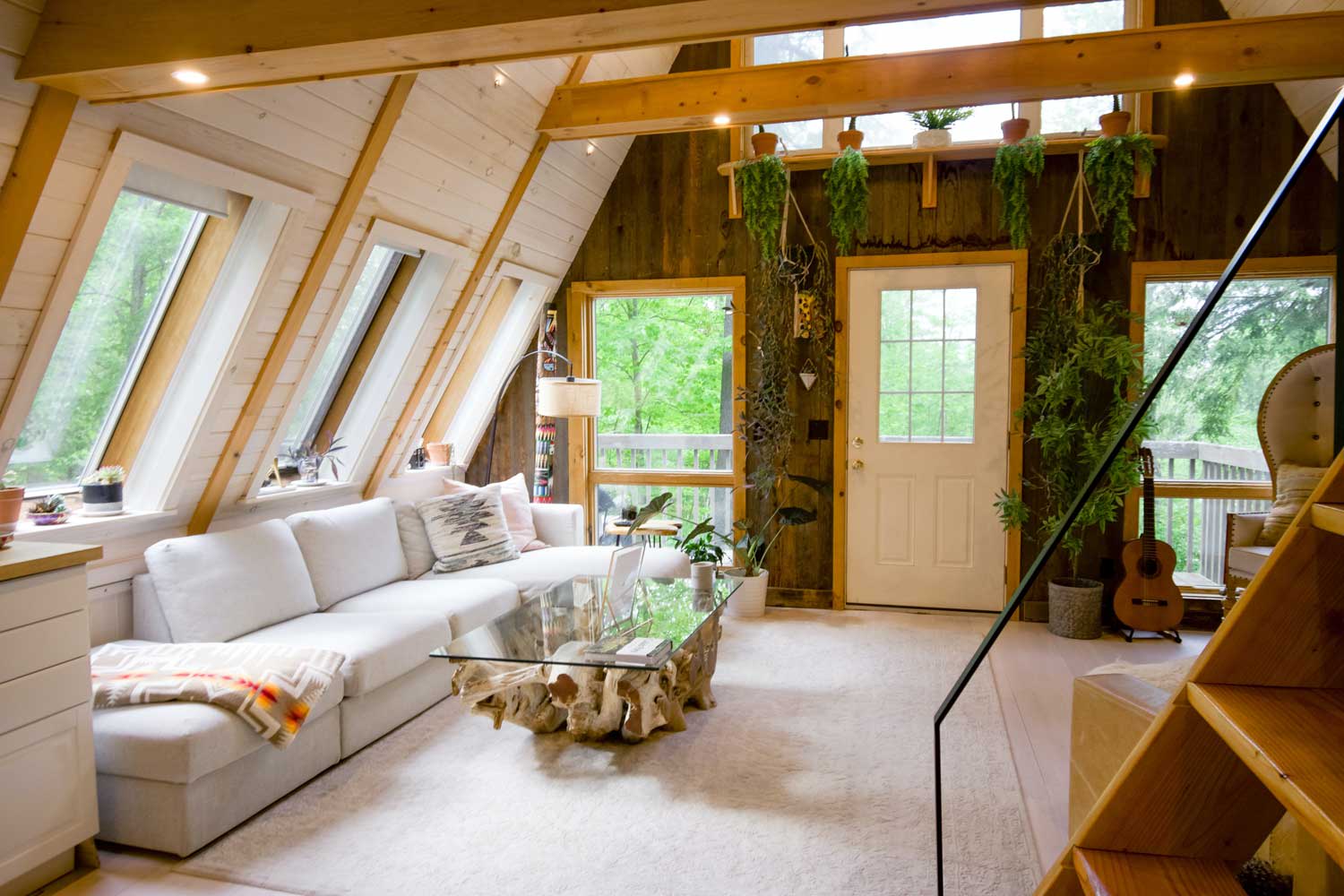
Ready to add some life to your charming, little abode? Check out these garden ideas for small spaces for some inspiration for creating that perfect space.