
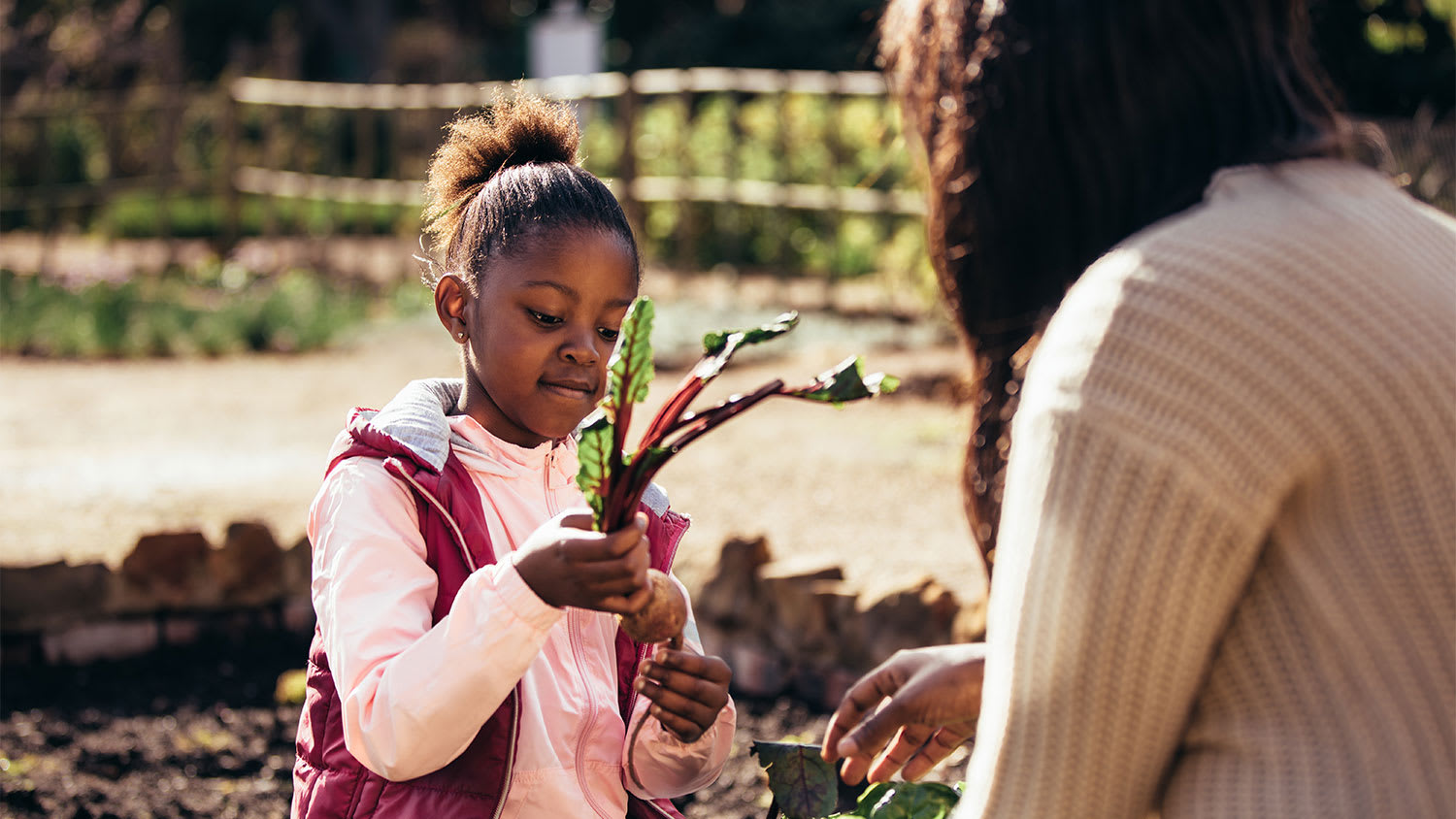
Knowing how to plant a vegetable garden can seem daunting if you weren’t born with a green thumb. Luckily, you just need a little know-how, water, and sunshine.
With a few tips and some trial and error, everything will come up roses in no time

Home gardening for beginners succeeds when you choose a spot with six to eight hours of sunlight daily, protection from wind, and easy water access.
Your soil quality matters because plants need moisture-retaining dirt that drains well, and testing helps you adjust nutrient levels before planting your first seeds or seedlings.
Starting with low-maintenance plants like sunflowers, marigolds, cucumbers, or cherry tomatoes gives you confidence while you learn proper watering schedules and pest control methods.
Hiring a local plant watering professional takes the guesswork out of watering schedules and helps you avoid common mistakes like overwatering or under-watering your new garden.
The term "green thumb" is a bit deceiving—especially if you believe that you were born without one. Combine the right research, planning, and a bit of luck from Mother Nature, and anyone can learn to maintain a healthy and plentiful garden that brings you daily joy and some tasty treats. To start an outdoor garden full of veggies, perennials, annuals, or even a grove of oak trees, let's walk through the basics you need to know and the essential gardening tools.
Like us, plants have three necessities: food, water, and a bit of space to branch out. If you're a nervous newbie, try not to fret. Plants typically get what they need naturally as long as we set them up for success. Here are some bare-bones basics about what each plant needs.
You already know this from your second-grade science project, but plants get most of their food from the sun through photosynthesis. They also pull nitrogen, phosphorus, and potassium from the soil. Access to sunlight and healthy soil will play a significant role in our planting guide.
There's no golden rule about how much water a plant needs to survive. Finding that perfect balance comes down to the species, weather, and how your soil filters water. So setting your watering schedule, or hiring a gardening pro, will be the key to a healthy plot.
While some flowers only need a few inches between their next-door neighbor, trees with large roots need room to roam to avoid fighting for space and nutrients.
Now you're ready to fill your backyard with petunias, pansies, and enough veggies to whip up a ratatouille. Begin by choosing a spot that offers all of your plant's needs.
Keep in mind that the right gardening spot for a beginner doesn't need to be large. In fact, it's best to start small and manageable. If you don't have enough square footage, container gardening is an excellent solution for rocky soil, a small backyard, or patio gardening. You might also consider building a small stone wall garden bed to add style and function. In addition to the size of your space, the best spot for plants has the following:
Gets at least 6 to 8 hours of sunlight per day
Protection from wind gusts
Sits several feet away from large trees to avoid roots
Has access to a water source
Won't throw off the traffic flow of your yard
It's time to dig into the dirt and prepare your plant's new home. The best soil should retain moisture while allowing it to drain. You may need to remove large and medium-sized stones in rockier regions to allow plants to spread out.
While not necessary, you can also test your soil's nutrient and Ph levels before planting. Many gardening brands offer at-home tests, or you can call in a soil expert for a more thorough analysis. You can adjust your soil with lawn fertilizer for healthier flowers in the spring.
The United States Department of Agriculture (USDA) offers a hardiness map to help choose the right plants for your location. Knowing your zone will also allow you to schedule when to start seeds or seedlings. Even if you're itching to get started, you should always wait until the ground warms up after the last frost. Most plants prefer soil at least 50 degrees Fahrenheit.

Let's be real: Some plants are fussier than others. Some need more frequent sun, water, pruning, or attract pests. When you're new to gardening, start with some low-maintenance favorites.
While none of these are set-it-and-forget-it plants, they're a bit more beginner proof as you get the hang of things:
Sunflowers
Marigolds
Inpatients
Zinnias
Carrots
Cucumbers
Green beans
Lettuce
Kale
Cherry tomatoes
Forsythia
Snapdragons
Pansies
Remember to keep your hardiness zone and your yard's sunshine levels in mind when picking out plants. Lastly, be sure to plan your vegetable garden around what you look forward to eating.
Once you choose the winners for your first garden, read the instructions on each seed or seedling pack. Growing from seed takes a bit more care in the early days, but it is often less expensive. Some seeds require soaking or chilling to aid in early germination before they go into the ground. The packet will also include the recommended depth of the hole in the soil, space between other plants, and how many seeds to include in each spot.
If you choose to plant seedlings, remove the plants from their containers and loosely shake the roots from the outer layer of excess dirt. Dig a hole as deep as the container and surround it with topsoil.
Spread a layer of mulch around your plants, leaving a few inches around the stem of open soil. Mulch will discourage weeds and keep water from immediately evaporating during the day.
Pests are also a common problem for even the most experienced gardeners. Check for signs of garden pests as soon as the seedlings pop above the ground. There are plenty of simple, organic methods for controlling pests in a garden or around your trees and perennials.

It's time to get into a groove with your garden. Even if you want to spend as much time as possible with your plant babies at first—which you can—avoid overwatering and over-pruning by sticking to a schedule.
Most vegetable gardens require about three soaking waterings per week, depending on how much rainfall you receive. In the end, the water should penetrate to the depth of the plant's roots, usually between two and five inches. Be sure to water in the morning before peak sun or in the evening after the ground cools down.
Gardening is all about learning as you go. For example, if you encountered root rot from too much moisture this year, make a note to focus on soil compaction next year. Keep a gardening journal about what each plant enjoyed, which fertilizer brand worked best for you, and which advanced-beginner plants you intend to tackle next year.
Custom Paint Jobs LLC made our home feel like a piece of art. Thank you for your creativity!
 Custom Paint Jobs, LLC
Window Depot did an amazing job on my deck. I wasnt sure what I wanted to do, but their composite decking was affordable and will last a long time. I am excited to have family over, and I am no longer embarrassed by my backyard. Jeff and the ground crew were polite, respectful, and caring for...
 Window Depot USA of Central Ohio
First of all, the gentleman I dealt with (Cam?) was very responsive to my many questions and concerns throughout the project, which is a huge plus to me. From the first time I met him for the estimate all the way til the completion of the job, he and his crew were professional and respectful....
 All Star Paving and Sealing
We had a 20+ year old landscape lighting system that needed replacement. Midwest Lightscapes worked with us to design a much improved lighting system, lighting the exterior of the house and the back yard. Installation of the 45 light system took one and one-half days, and went very smoothly....
 Midwest Lightscapes
Another great success for me on home advisor. This company did an awesome job on my landscaping and stayed within my budget. The best part, the work was complete within 2 days of my initial request. Professional and responsive. I highly recommend!
 Blue Ring Residential Services, LLC
The company no showed on me twice. The 2nd time was no call no show. They were responsive to set up the first appointment to perform the "landscape cleanup". 3 hours after their initial scheduled appointment time they called me to let me know they had some "problem" with the truck and their...
 Ruby Home and Hauling Services
Received ideas for future landscape plans...quote to do the work seemed a bit high but I did not have any other quotes to compare it to, so perhaps that is the going rates. <br />
 Landscapes By Terra, Inc
All around they have done a really great job. <br /> I have used JL Landscapes for the past 8 years. I own and operate my own commercial/residential real estate company where we own, operate, and maintain our own properties. JL Landscapes has been our exclusive landscaper for both our...
 J.L. Landscapes
Bought a half a cord of firewood from Pitzer with stacking last month. I waited to report so I could see how the wood burned. <br /> <br /> I have three pet peeves regarding landscapers, but Pitzer scored "A"s regarding all three. First, rather than having customers "leave a message" and...
 Pitzer Landscaping
I left a message on Sunday requesting to schedule a time to obtain an estimate/walk-through and received a return call in the morning of the following Monday. Mark worked with me and agreed to schedule the estimate/walk-through for the following Saturday. When Mark arrived for the...
From average costs to expert advice, get all the answers you need to get your job done.
Knowing how to plant a vegetable garden can seem daunting if you weren’t born with a green thumb. Luckily, you just need a little know-how, water, and sunshine.
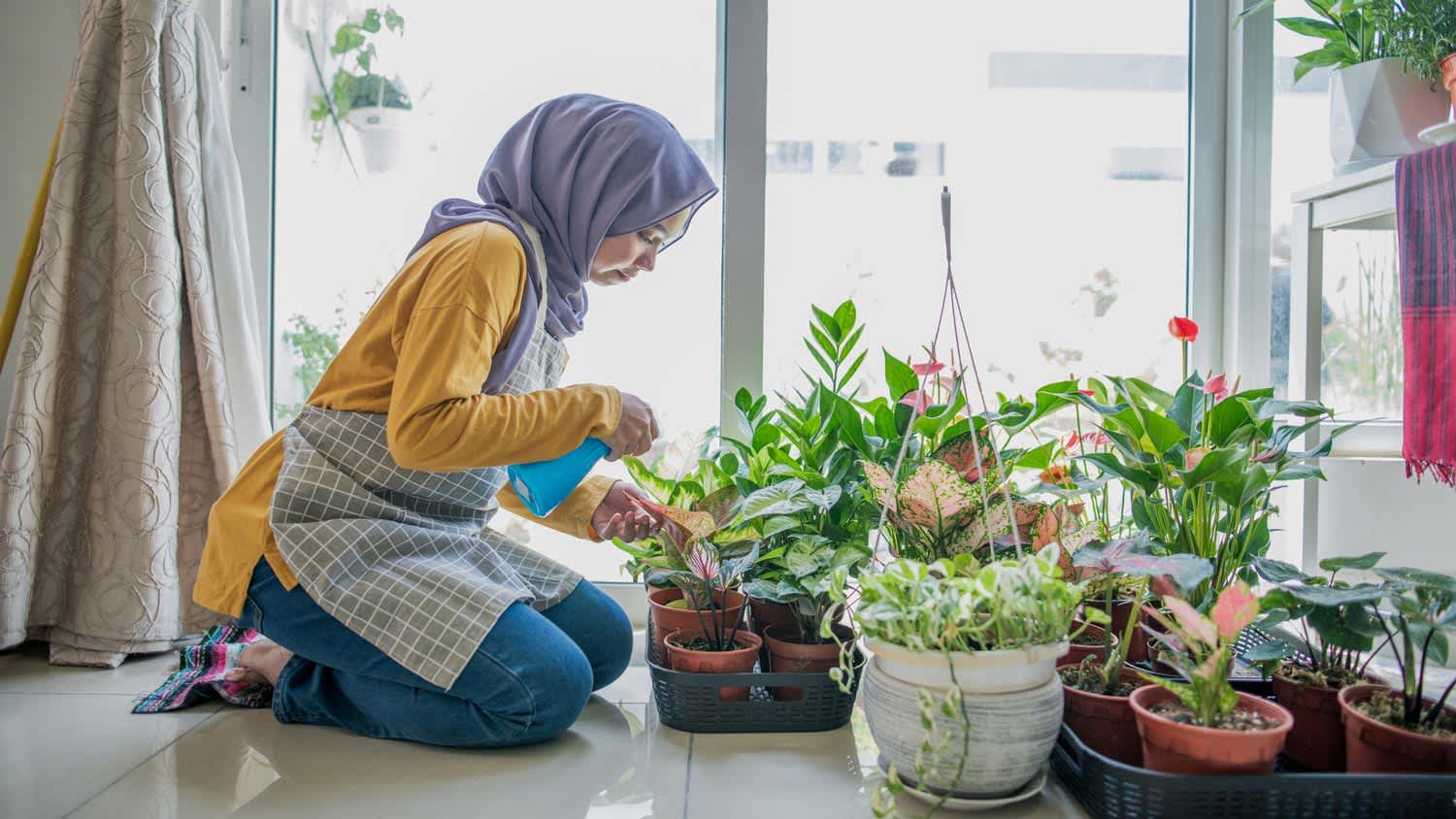
From a bountiful backyard veggie garden to a lush indoor plant room, you can start the container garden of your dreams. Here’s what you need to know.
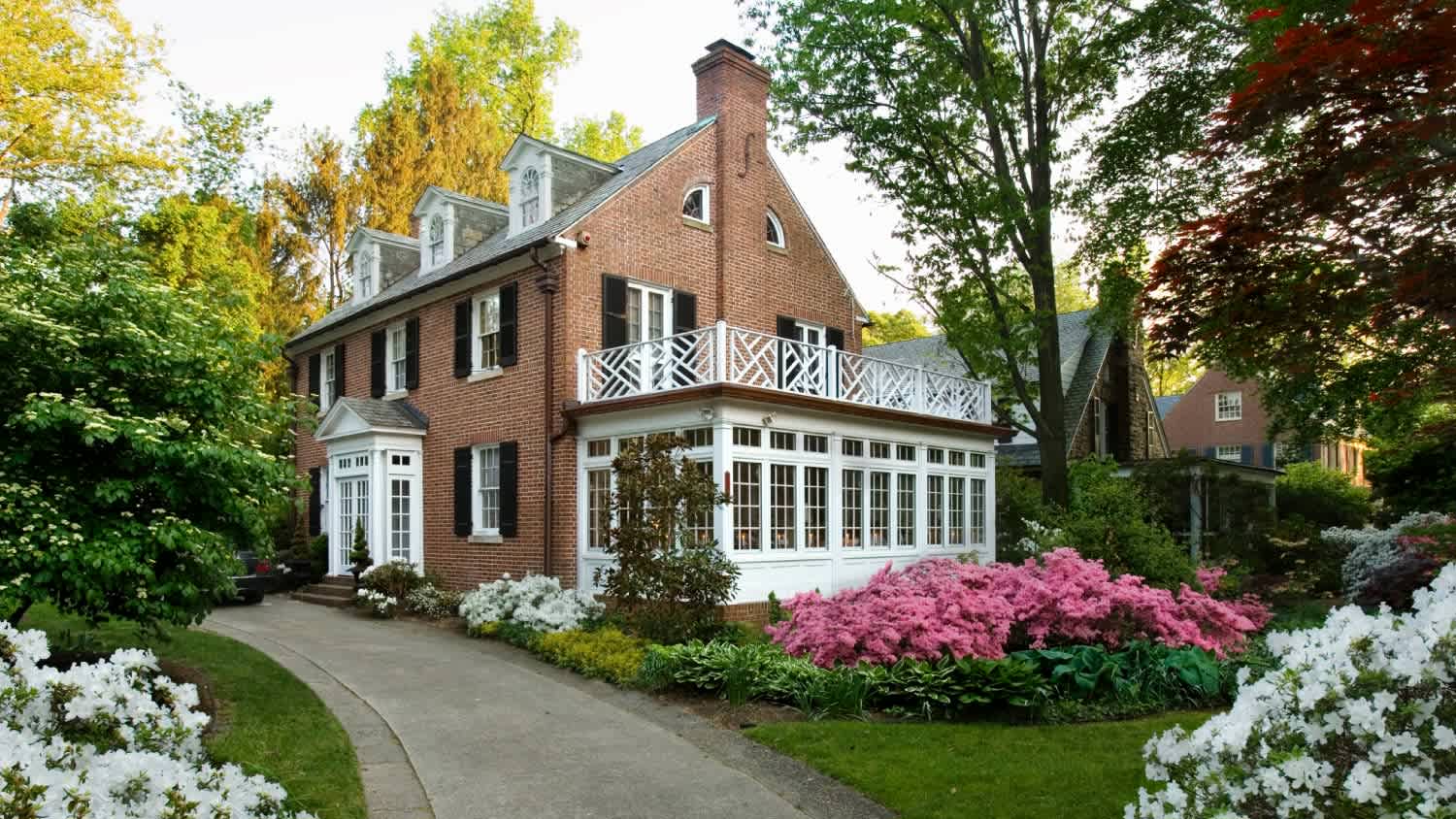
Looking for home gardening inspiration? Check out advice from nine gardening influencers on how to grow a healthy garden and have fun along the way.
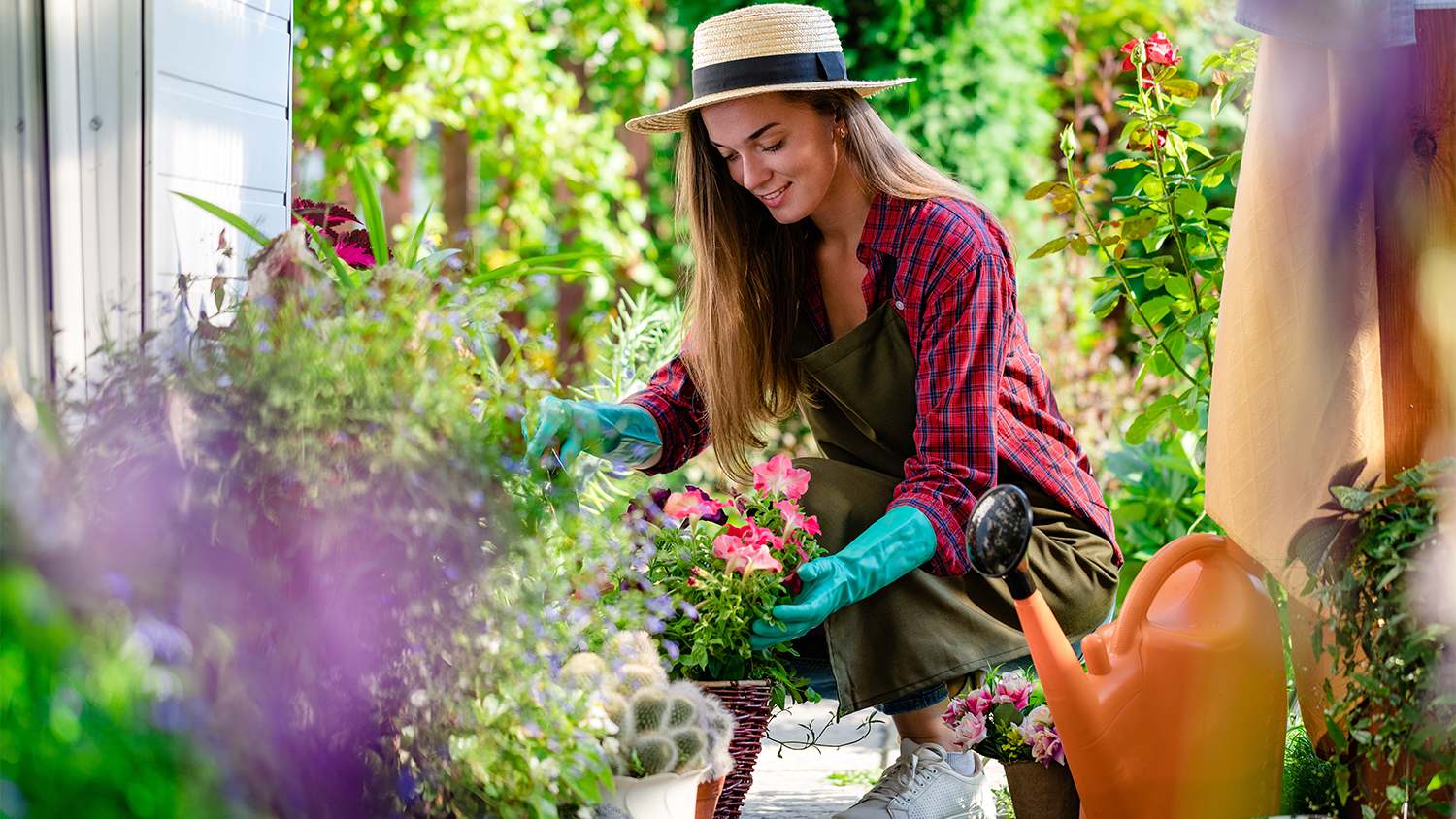
If you’re curious about the life cycle of plants, including flowering plants, annuals, and biennials, this guide delivers plant life cycle basics.
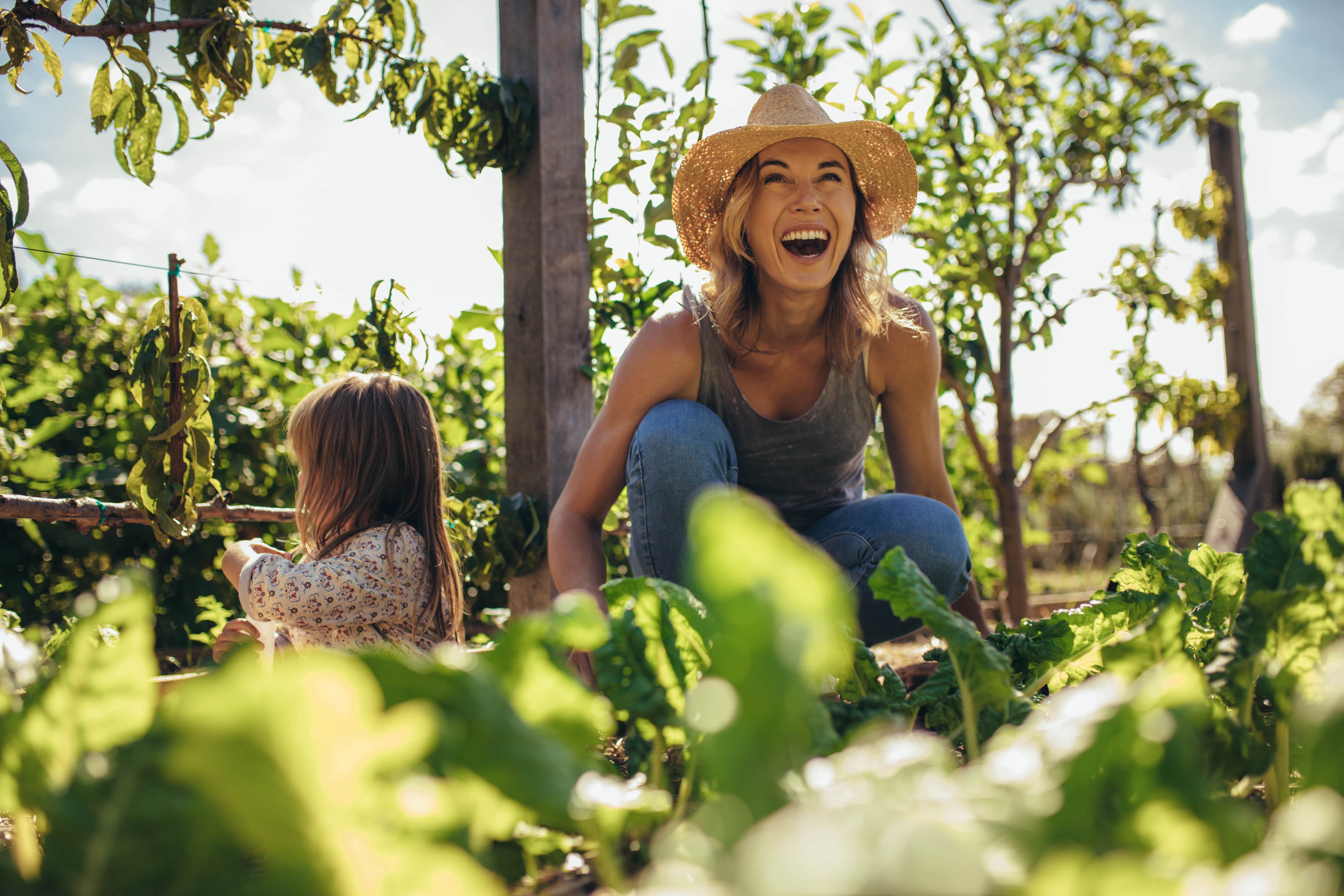
Small backyard or apartment living? No problem! Build the perfect garden anywhere. Grab your hand trowel and dig into these beautiful and creative garden ideas.
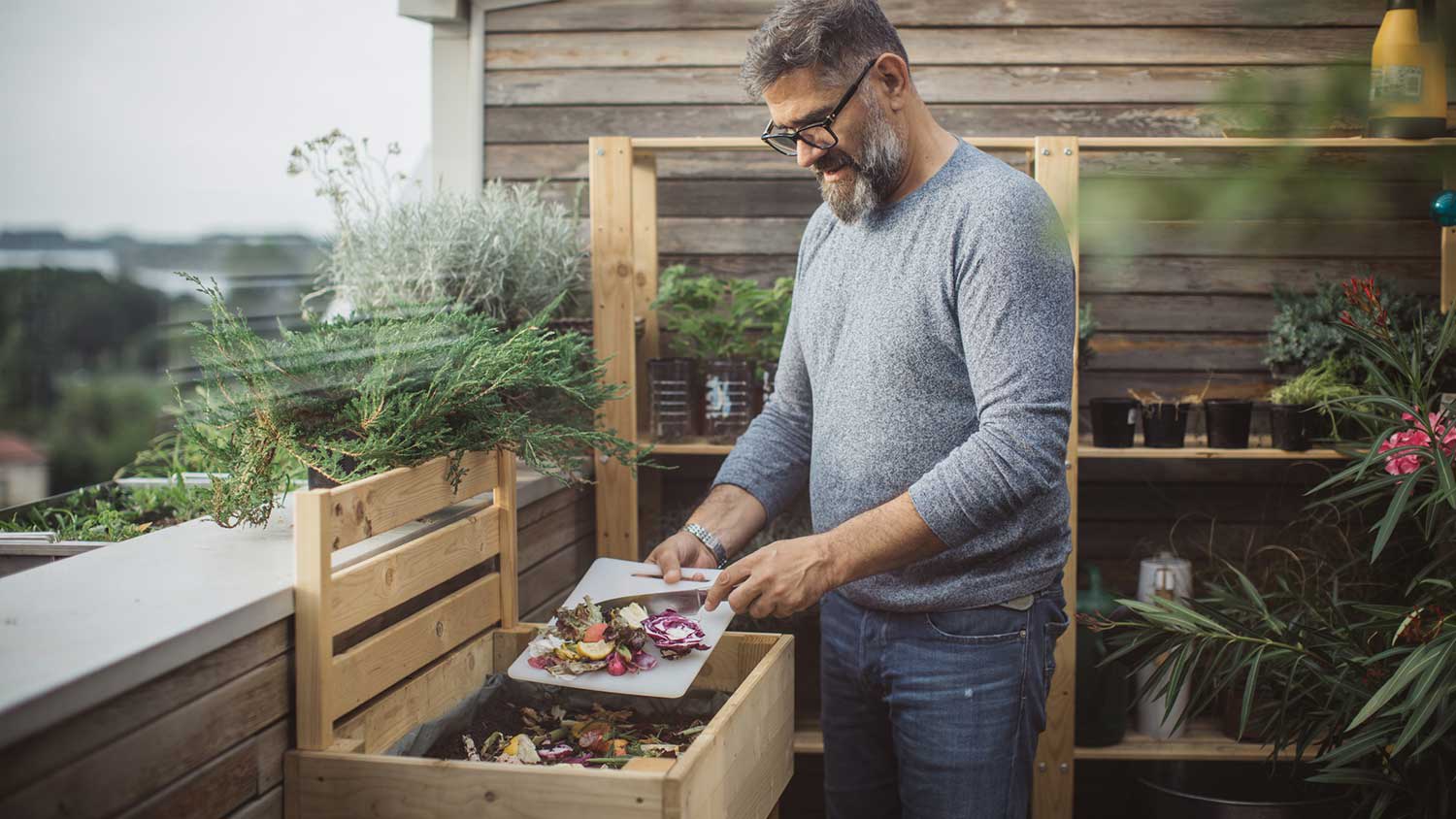
You’d love to make compost for your garden. You just don’t know how to DIY this homemade fertilizer. Read on for step-by-step instructions.