
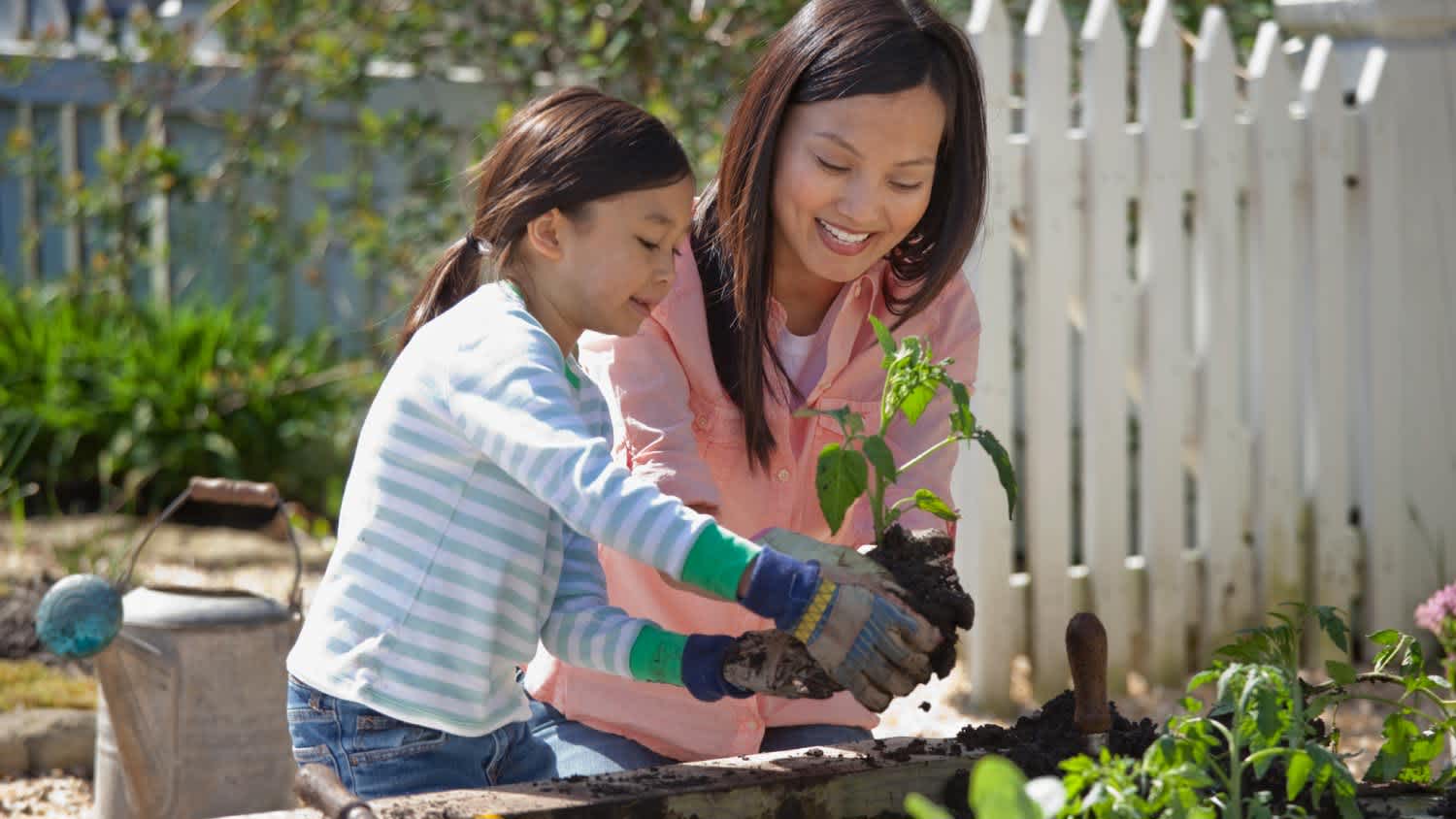
Gardening is about far more than a beautiful yard. Our beginner's gardening guide can help you extend your love of plants to the backyard and beyond.
You can master this garden jargon


Learning plant vocabulary words helps you communicate confidently with landscapers and garden center staff, making your gardening projects and plant purchases clearer.
Understanding the difference between annuals, biennials, and perennials helps you plan your garden budget and choose plants that match your long-term landscaping goals.
Knowing gardening terms like deadheading, pruning, and top dressing helps you maintain your plants properly and keep your garden healthy throughout the growing season.
Hiring a local landscaping professional provides expert guidance on plant selection and proper care techniques, helping you create a thriving garden that suits your climate.
Are you in the weeds when it comes to learning gardening lingo? Maybe, whenever you chat with your local landscaper or head to the garden center, you feel intimidated and at a loss for words. To sound like a plant pro, just study up on these top terms.
These words will help you describe plants.
1. Annuals: These plants complete their life cycle in one growing season. Add variety to your garden by buying annuals each year.
2. Biennials: These plants grow over two seasons, often only flowering and producing seed during the second year.
3. Perennials: Including all woody trees, shrubs, and vines, these plants return each year.
4. Deciduous Trees: These plants, such as oaks and maples, lose their leaves each year.
5. Evergreen Trees: These trees, such as pines, retain their green foliage all year-round.
6. Groundcover: These low spreading plants are ideal for landscaping large areas.
7. Shrubs or Bushes: These woody plants with several perennial stems are usually less than 13 feet tall.
8. Dwarf Plants: This plant type is bred to be smaller than the norm for its species.
9. Cool Season Crop: Annuals, like lettuce, peas, potatoes, and beets, that grow best in daytime temperatures between 60 and 80 degrees.
10. Warm Season Crop: Annuals, such as tomatoes, cucumbers, and melons, that thrive in daytime temperatures between 75 and 85 degrees.
11. Invasive: Plants that spread aggressively and can be difficult to get rid of.
12. Variegated: Plants with foliage in different colors.
13. Deer-Resistant Plants: These are plants that deer don’t like to eat.
Here’s how you can describe the various forms plants can take.
14. Seedling: A young plant started from seed.
15. Cutting: A short piece of plant often stuck in potting soil and kept in a humid environment before planting.
16. Bareroot: A tree, shrub, or vine sold without a pot or soil; find these in the late winter and early spring.
17. Balled and Burlapped: Large trees and shrubs whose roots are wrapped in burlap.

These terms refer to gardening activities.
18. Aerate: You do this to loosen the soil, which introduces air and helps drainage.
19. Deadhead: To remove dead blooms from flowering plants, which encourages new growth.
20. Fertilize: To treat the soil with natural or artificial substances to promote plant growth and health.
21. Prune: To trim a tree or shrub by cutting off dead or overgrown stems or branches.
22. Drip Irrigation: A type of watering where water drips slowly out at the base of individual plants; less water-intensive than sprinklers.
23. Transplant: To move seedlings or plants from one location to another.
24. Top Dress: To spread fertilizer or compost over soil, usually before planting.
25. Amend Soil: To treat soil with compost, fertilizer, or other substances.
Learn the lingo to describe what you’ll need to pick up at the garden supply store.
26. Loam: A soil that is fertile and well-drained.
27. Humus: A soil mix resulting from decomposed organic matter.
28. Mulch: A mix of wood chips, straw, and bark that protects soil from erosion, preserves moisture, and keeps plant roots cool.
29. Slow-Release Fertilizer: A fertilizer whose nutrients leach into the soil over time.
30. Topsoil: A top layer of soil, including organic matter, humus, microbes, earthworms, and insects.
31. Compost: A fertilizer you make yourself out of organic material.
These words can help you describe growing conditions.
32. Drainage: The degree to which water can pass freely through soil. Most plants prefer well-drained soil.
33. pH: A relative measurement of soil acidity or alkalinity. Different plants prefer different soil characteristics.
34. Container Gardening: When plants are grown in pots rather than in the ground.
35. Hardiness Zones: A way to group plants based on the minimum winter temperature they can tolerate. The USDA developed The Plant Hardiness Zone Map with 26 hardiness zones.
36. Xeriscaping: This one’s a tongue-twister! It refers to using drought-tolerant plants, like cacti and succulents, for low-water landscape designs.
Custom Paint Jobs LLC made our home feel like a piece of art. Thank you for your creativity!
 Custom Paint Jobs, LLC
Window Depot did an amazing job on my deck. I wasnt sure what I wanted to do, but their composite decking was affordable and will last a long time. I am excited to have family over, and I am no longer embarrassed by my backyard. Jeff and the ground crew were polite, respectful, and caring for...
 Window Depot USA of Central Ohio
First of all, the gentleman I dealt with (Cam?) was very responsive to my many questions and concerns throughout the project, which is a huge plus to me. From the first time I met him for the estimate all the way til the completion of the job, he and his crew were professional and respectful....
 All Star Paving and Sealing
We had a 20+ year old landscape lighting system that needed replacement. Midwest Lightscapes worked with us to design a much improved lighting system, lighting the exterior of the house and the back yard. Installation of the 45 light system took one and one-half days, and went very smoothly....
 Midwest Lightscapes
Another great success for me on home advisor. This company did an awesome job on my landscaping and stayed within my budget. The best part, the work was complete within 2 days of my initial request. Professional and responsive. I highly recommend!
 Blue Ring Residential Services, LLC
The company no showed on me twice. The 2nd time was no call no show. They were responsive to set up the first appointment to perform the "landscape cleanup". 3 hours after their initial scheduled appointment time they called me to let me know they had some "problem" with the truck and their...
 Ruby Home and Hauling Services
Received ideas for future landscape plans...quote to do the work seemed a bit high but I did not have any other quotes to compare it to, so perhaps that is the going rates. <br />
 Landscapes By Terra, Inc
All around they have done a really great job. <br /> I have used JL Landscapes for the past 8 years. I own and operate my own commercial/residential real estate company where we own, operate, and maintain our own properties. JL Landscapes has been our exclusive landscaper for both our...
 J.L. Landscapes
Bought a half a cord of firewood from Pitzer with stacking last month. I waited to report so I could see how the wood burned. <br /> <br /> I have three pet peeves regarding landscapers, but Pitzer scored "A"s regarding all three. First, rather than having customers "leave a message" and...
 Pitzer Landscaping
I left a message on Sunday requesting to schedule a time to obtain an estimate/walk-through and received a return call in the morning of the following Monday. Mark worked with me and agreed to schedule the estimate/walk-through for the following Saturday. When Mark arrived for the...
From average costs to expert advice, get all the answers you need to get your job done.
Gardening is about far more than a beautiful yard. Our beginner's gardening guide can help you extend your love of plants to the backyard and beyond.
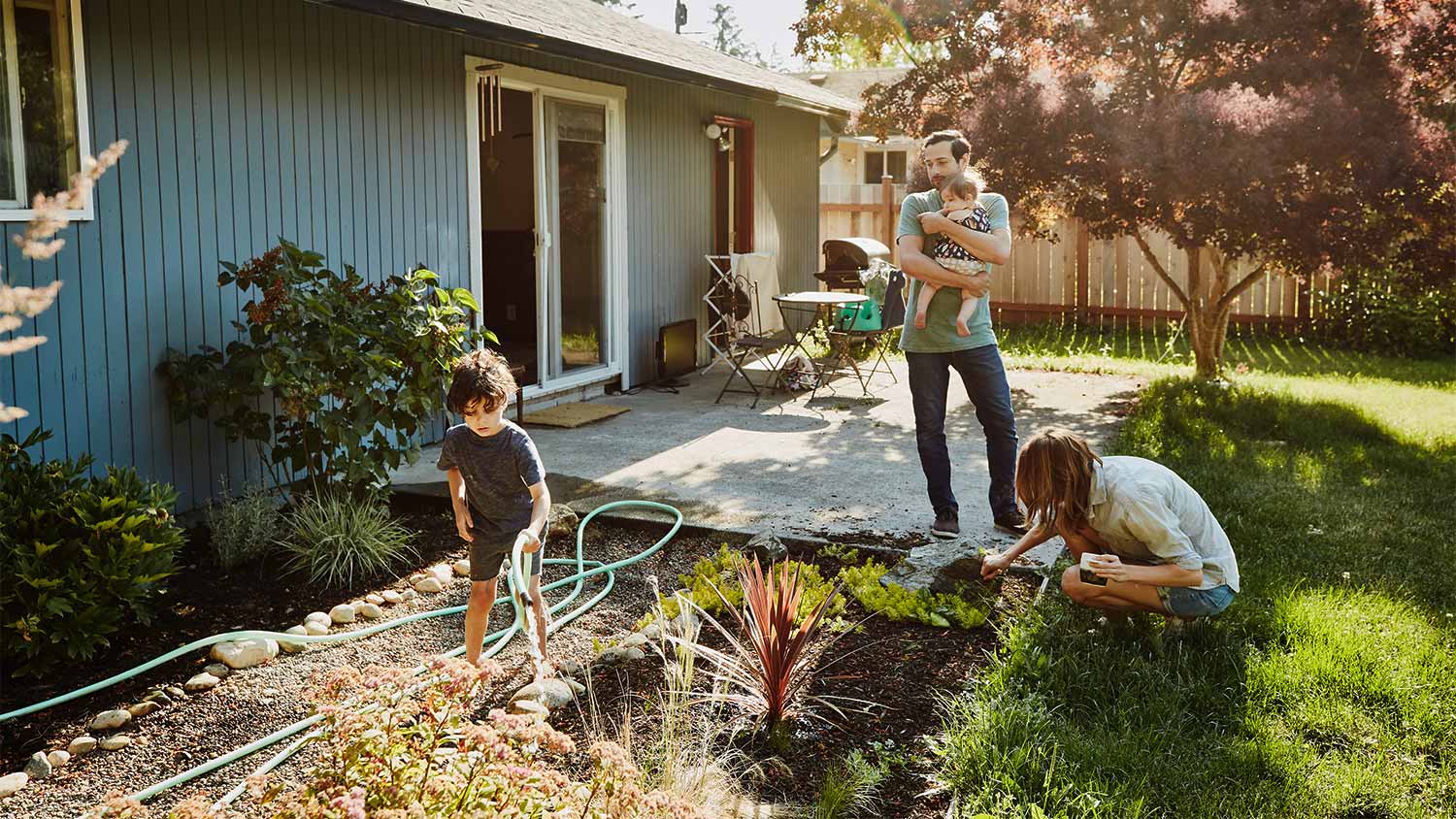
Between planting zones, the fall harvest, and spring frost dates: knowing when to plant your garden can be tricky. Pick the right moment with this guide.
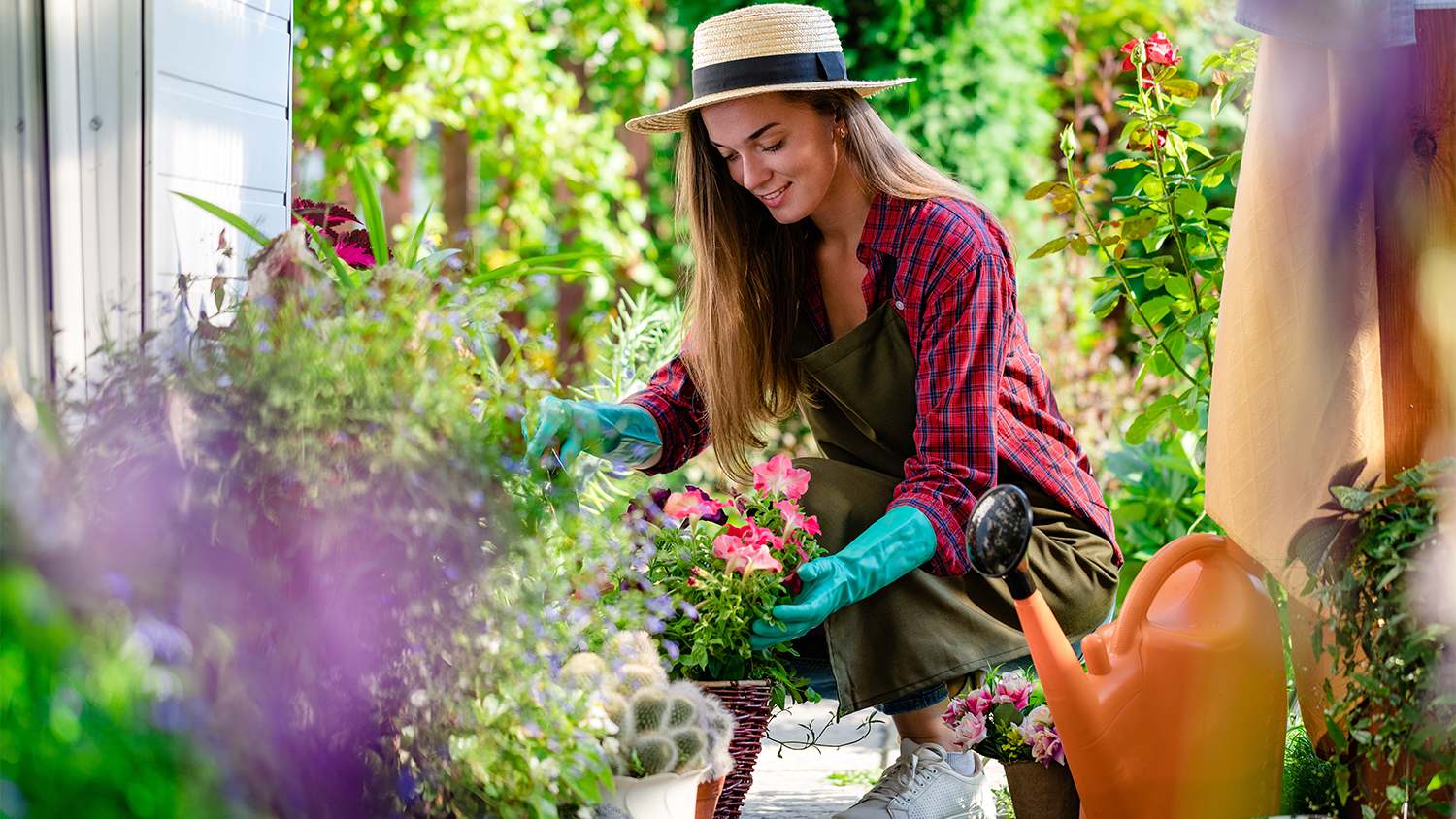
If you’re curious about the life cycle of plants, including flowering plants, annuals, and biennials, this guide delivers plant life cycle basics.

With houseplant ownership on the rise across the U.S., discover ten must-have houseplants, their benefits, and the best ways to show them off in your home.
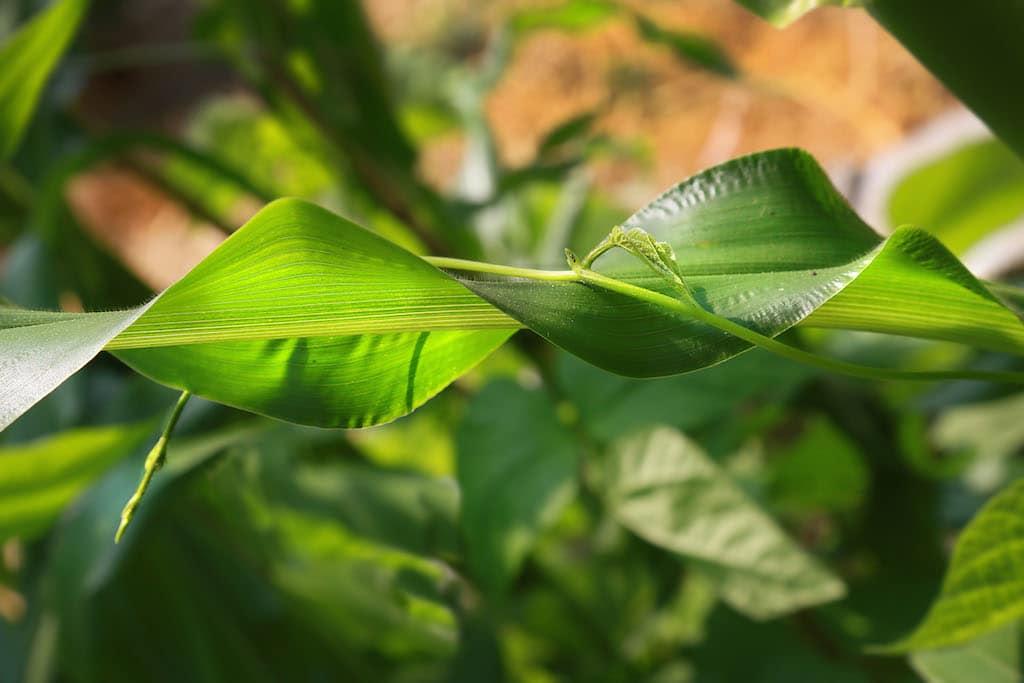
If you want your garden to yield more crops with minimal effort, start planning for plant guilds. Find out how companion plants can help boost your garden.

If you’re wondering how to order plants online, follow these helpful tips to make sure you receive vibrant, healthy plants for your home and garden every time.