
It’s important to know bed bug treatment costs if you have an infestation. Our guide covers different treatment methods and cost factors to eliminate these pests.
Find out if pesticides are the treatment plan you need to expose these undercover bugs

Bed bug pesticides work when you use EPA-registered products correctly, but common errors like overuse or applying outdoor sprays indoors turn them toxic fast.
Expect to pay $100 to $500 per room for professional pesticide treatment, making it more affordable than heat or steam methods for your home.
Safe pesticide use requires reading all product labels completely, following every direction, and keeping treated areas off-limits until spray dries and rooms ventilate fully.
Hiring a local bed bug removal professional removes guesswork from pesticide selection and application, helping you eliminate infestations safely without risking exposure to harmful chemicals.
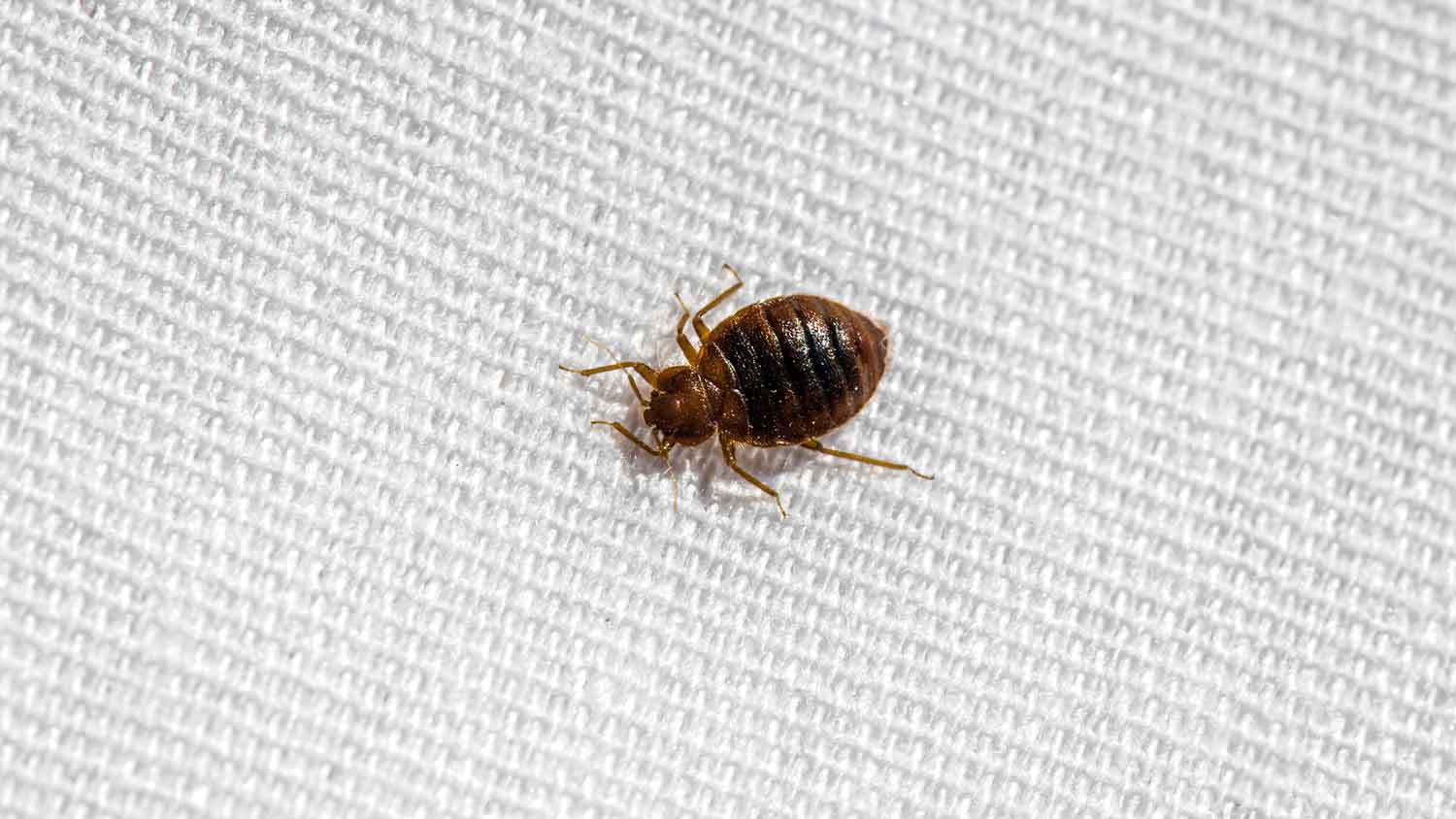
Bed bugs are the worst. Not only do they make a home in the place you go to unwind at the end of the day—your bed—but they also can reside in furniture and clothing throughout your home. So, when it’s time to get them out, you’ve probably considered bed bug pesticides as a solution. But before you move forward with this bed bug treatment option, this guide will dive into the pros and cons of bed bug pesticides, their risks, and how they work. Just a note before we start that a local bed bug extermination pro will always know best, so be sure to discuss your specific treatment options and concerns with them.
Think twice before using bed bug spray: The Environmental Protection Agency (EPA) has not registered any repellants for use on human skin to fight against bed bugs. Be sure to follow the product instructions and consult a bed bug removal professional before applying treatments.

While bed bug sprays can be considered safe for humans, the Environmental Protection Agency (EPA) and product manufacturers can't guarantee safety if user error is involved. Many common mistakes can turn bed bug spray toxic very quickly.
According to the EPA, the agency recommends using a registered bed bug product to maximize the odds of safely and successfully treating an infestation. Products that pose toxic danger to humans and animals won't pass the EPA's review process.
Additionally, the EPA urges anyone thinking of using bed bug sprays to carefully and completely read all product labels before opening packaging. Always follow all label directions and precautions during every stage of handling sprays.
The good news is that a licensed pest professional specializing in bed bugs will know to use the best products and practices for safely eliminating bed bugs from your home. In fact, the EPA strongly recommends hiring a professional over attempting DIY bed bug spraying.
Some common errors that can turn bed bug spray dangerous include:
Using a pesticide labeled for outdoor use indoors.
Buying sprays from unconfirmed online retailers.
Applying sprays to the skin.
Applying spray to furniture items or textiles that are not on the label.
Using an excessive concentration of bug spray.
Spraying over and over again because you think it will get rid of bed bugs quickly also poses health risks and can cause bed bugs to become resistant, making the spray ineffective.
In addition to posing health risks for family members and pets, bed bug spray mistakes can leave your home uninhabitable.
Pets and children are at higher risk for health issues caused by bed bug spray due to being smaller in size.
If bed bug sprays cause damage to a home, this can result in loss of personal items, expensive cleanup costs, and the need to replace contaminated or unsalvageable building materials.
Excessive exposure to bed bug sprays can occur when a person breathes in spray, swallows lots of spray, or has prolonged skin contact with spray. These are the symptoms of bed bug spray poisoning:
Coughing
Breathing difficulty/shortness of breath
Upset stomach or vomiting
Skin irritation
Loss of alertness
Headaches
Dizziness
Tremors
Seizure
Not all risks produce noticeable results. Some pesticides are known to interfere with hormones, healthy fetal development, and more.
Contact poison control or seek emergency medical attention immediately if you suspect that someone in your household has been improperly exposed to bed bug spray.
Generally, occupants should avoid an area for four to six hours after spraying. However, it's important to follow the specific directions for the spray product being used.
Before committing to using bed bug pesticides, let’s look over some of the pros of this treatment plan:
Chemical bed bug treatments are an affordable way to get rid of bed bugs. This bed bug treatment option costs $100 to $500 per room using a pesticide combination of liquids, powders, and foggers to complete the job. That’s much less than steam treatment which costs $250 to $1,000 per room, or heat treatment, which averages between $2,000 and $4,000 per project.
When you catch your infestation early on, this treatment option is very effective in helping you eliminate the problem. It can work overtime to protect your home from bed bugs throughout their life stages.
A pro who knows what they’re doing will be able to apply these pesticides in a way that is effective, but will also be safe for you and everyone in your household. They’ll also be able to give advice about what you should and shouldn’t do before, during, and after application. Again, seeking out a well-vetted pro and talking over your options can make all the difference here.
There are also certain risks and downsides to be aware of when choosing bed bug pesticides.
Whether a bed bug pesticide is effective depends on a few different factors, according to the EPA:
The severity of the infestation
How thorough the area was prepared for treatment
The quality of the pesticide and how much ground it covered
The bed bugs’ life stages
Whether the bed bugs had previously developed a resistance to the pesticide used during treatment
These factors could determine whether the chemical treatment will work. If it doesn’t, you’ll potentially endure a longer process before trying a different plan.
Luckily when you call a pro, they should consider your home’s needs as well as the level of infestation before creating a plan for you to stay safe and for the bed bugs to stay gone. This prep work will help your treatment to be as effective as possible.
On a similar note, bed bugs are good at hiding when they don’t want to be found. And since they want to stay hidden, it can be difficult for a bed bug exterminator to see all the areas where these sneaky insects are located. Because of this, they run the risk of not eliminating the entire colony, which typically happens in infestations that have gotten out of hand.
Of course, you run into this risk no matter which method you choose, but some are more effective overall—e.g., heat treatments.
For bed bug pesticides to work correctly, they’ll need time. For one, pesticides don’t work on bed bug eggs, so you’ll need multiple rounds of treatments—at least two—to remove the entire colony from your home. And these treatments can take days or weeks to finish, depending on the severity of the infestation.
On the other hand, heat treatment can take six to eight hours of at least 118 degrees Fahrenheit of continuous heat to help you get rid of bed bugs.
For chemical treatment plans to be effective, you’ll need to prepare your home so that the pesticides can get into all the nooks and crannies. But moving your furniture, emptying your clothing drawers, and practically decluttering your home isn’t very convenient. Treatment plans can last from days to weeks, so consider this when discussing a plan.

When used correctly, bed bug pesticides should have little effect on the home and its occupants. However, it is still possible for these chemicals to affect your health, especially if used incorrectly.
If you have pets or children, even if your exterminator applies the treatment in the recommended locations, there’s still a strong possibility that they could come into contact with it. To help keep your family members—both your two and four-legged ones—safe, keep them away from the treated area until the pesticides have had a chance to dry and the site has been thoroughly ventilated. Ask your exterminator what they suggest for specific advice on how to care for your family after getting your home treated for bed bugs.
Now that you know more about this treatment as a whole, let’s look at some of the common bed bug pesticides, their benefits and drawbacks, and how they work below:
What they are: Pyrethrins and pyrethroids are the most commonly used pesticides against bed bugs. Pyrethrins come from a natural material called chrysanthemum flowers. Pyrethroids are their synthetic chemical counterpart. This bed bug pesticide works by attacking the insect’s nervous system that comes into contact with or eats it.
Pros: It gets to work quickly by paralyzing its target and eventually killing them, usually within 24 hours.
Cons: It can not work at all on bed bugs that are resistant to it and only causes them to move to another hiding spot.
What it is: Desiccant pesticides destroy the bed bugs’ protective outer coating and then dehydrate them until they die. The desiccants used as bed bug pesticides are diatomaceous earth (DE) and boric acid.
Pros: It can be used in cracks and crevices where bed bugs hide. It’s also believed to be impossible for bed bugs to build an immunity to this.
Cons: Since it’s a slow-acting pesticide, it can take at least one week to kill bed bugs. An incorrect application can cause health problems in those that inhale it.
What it is: The synthetic form of nicotine, neonicotinoids, is absorbed through the skin. It causes the nicotinic receptors of a bed bug’s central nervous system to overstimulate the nerves, leading to paralysis then death. Neonicotinoids can take a few days to a little over a week on average to work.
Pros: Can be a great one to try if bed bugs are resistant to other methods.
Cons: Unfortunately, some bed bug colonies might also be resistant to this pesticide.
What it is: The most common form of biochemicals used in the fight against bed bugs, and the only one registered with the EPA, is cold-pressed neem oil. It comes in spray form and is more of a bed bug repellent than an insecticide. However, it can kill them too. If you want to exterminate bed bugs with this treatment, continually spray them with it over a few weeks, and that may do the trick.
Pros: It’s non-toxic to humans, so if a pro recommends this treatment, it can be a good gentler option.
Cons: The bed bugs will find another spot to camp in until the neem oil wears off if used incorrectly.
What it is: The only pyrrole pesticide registered by the EPA to fight bed bugs is Chlorfenapyr. It attacks bed bugs through their cells and affects their ability to transfer energy, thus killing them.
Pros: Its treatment can last a few days, up to 72 hours, making it a moderately quick way to kick bed bugs out.
Cons: The EPA classified it as a possible carcinogen—a cancer-causing substance.
What it is: Insect growth regulators (IGR) are insecticides that imitate the juvenile growth hormone in bed bugs.
Pros: It prevents them from reproducing and alters (or stops) how they grow, eventually killing them.
Cons: While it can be effective, it works best with other pesticides.
Bry'Ana Arvie contributed to this piece.
A reliable team for moves across state. My switch to a new place needed careful lifting through tight hallways. The movers checked the doorway first, then carried heavier pieces with slow, controlled movements. Their patience helped prevent damage, and I?d choose them again.
This company does it right. Firstly, I want to say that Landan was a joy to work with. He was so kind, transparent, and had everything under control. His entire team showed up ready to work and they were all very respectful of the fact that we were in an office space. A little backstory – we...
 Krumlauf Floors
I had FabClean 614 clean my apartment, and she did an outstanding job. She was so professional and efficient. My apartment looks absolutely spotless every surface, every corner, all cleaned to perfection. Definitely highly recommend FabClean 614 if you're looking for top-notch cleaning...
 Fab Clean 614
Raven and crew does absolutely fantastic job. They are very professional if any concerns were to occur with any of her work she always took responsibility and finished out with a great job. I have worked with her business for a year and have always been satisfied. Very trusted business and...
 Creations of Transformation LLC
I would recommend this company to anyone! He showed up on time, was friendly, completed a very difficult repair on our dryer vent cover, was responsive, and pricing was extremely fair and competitive. I would have him back to do any of our repairs or cleanings without hesitation!
 U.S.A. Dryer Vent, LLC
Best cleaning I've had at my property
Ace Fireplace Services' chimney sweep service is truly exceptional. They used advanced technology to ensure a thorough cleaning process, and my chimney has never looked better. I highly recommend their services.
 Ace Fireplace Services
This company went above and beyond with their work, chimney sweeps are usually pretty messy, but the clean up was spot on.!! Josh explained every thing that he was doing, and the things that he was checking to make sure the chimney was safe for me and my family. He was very professional,...
 Supreme brick & chimney
Good workers and they do a good job.
 Mira Construction
Mary Cleaning Service is fantastic! The entire team is professional and pay a great deal of attention to detail. They do such a thorough job of cleaning my house. I would definitely recommend!
From average costs to expert advice, get all the answers you need to get your job done.
It’s important to know bed bug treatment costs if you have an infestation. Our guide covers different treatment methods and cost factors to eliminate these pests.

Are you struggling with a pest problem? DIY pest control can be effective without being expensive. Here’s how much it’ll cost to bug bomb your house.
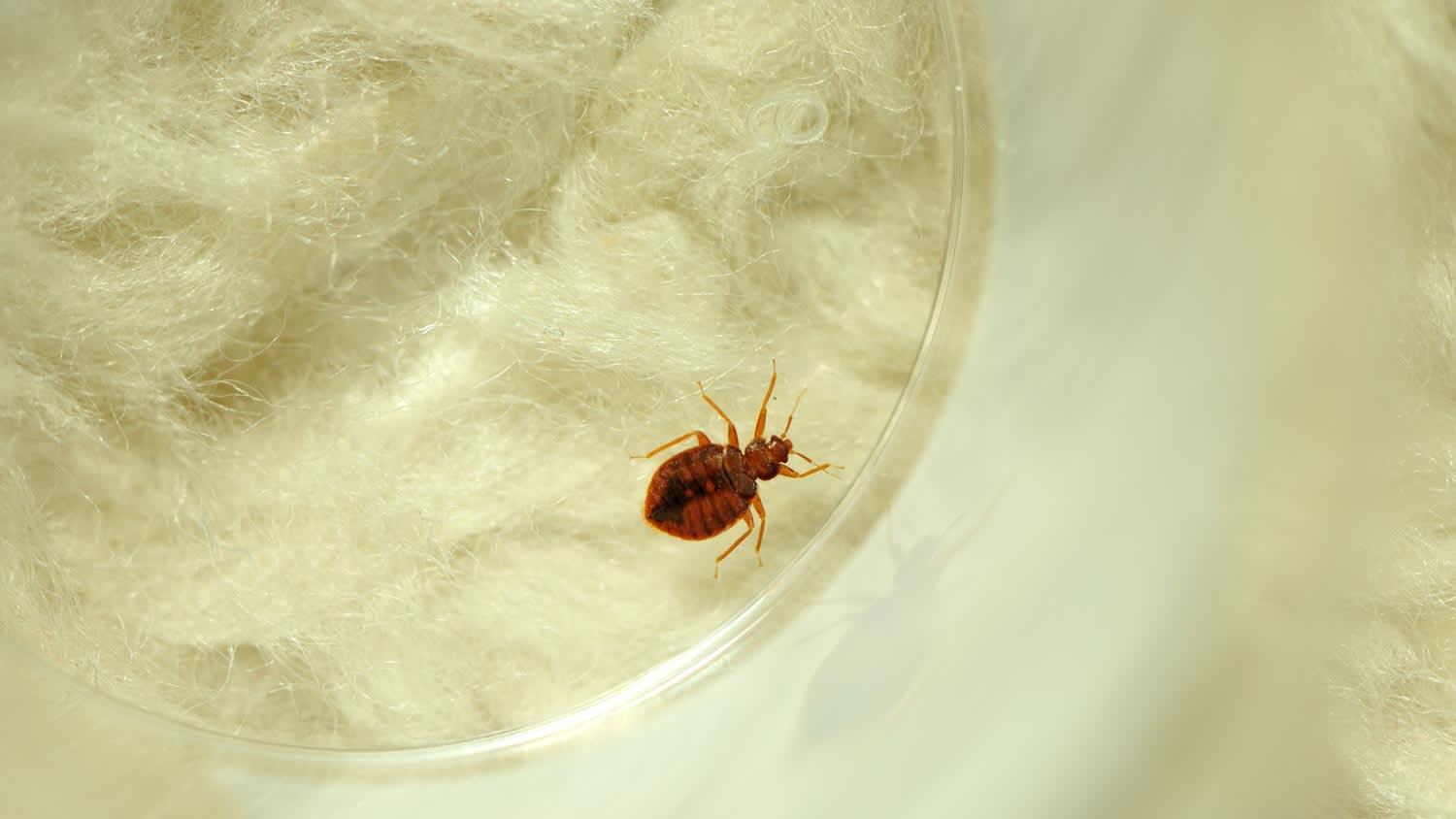
No one wants to find bed bugs at home. But what are bed bugs and how do you tell if you have an infestation? Check out this informational guide to learn more.
Find your best option for removing bed bugs in our comprehensive guide. Learn how to get rid of bed bugs and how to stop them coming back.

Learn how to check for bed bugs in your home, what to do if you find them, and how to prevent them from returning in this handy DIY guide.
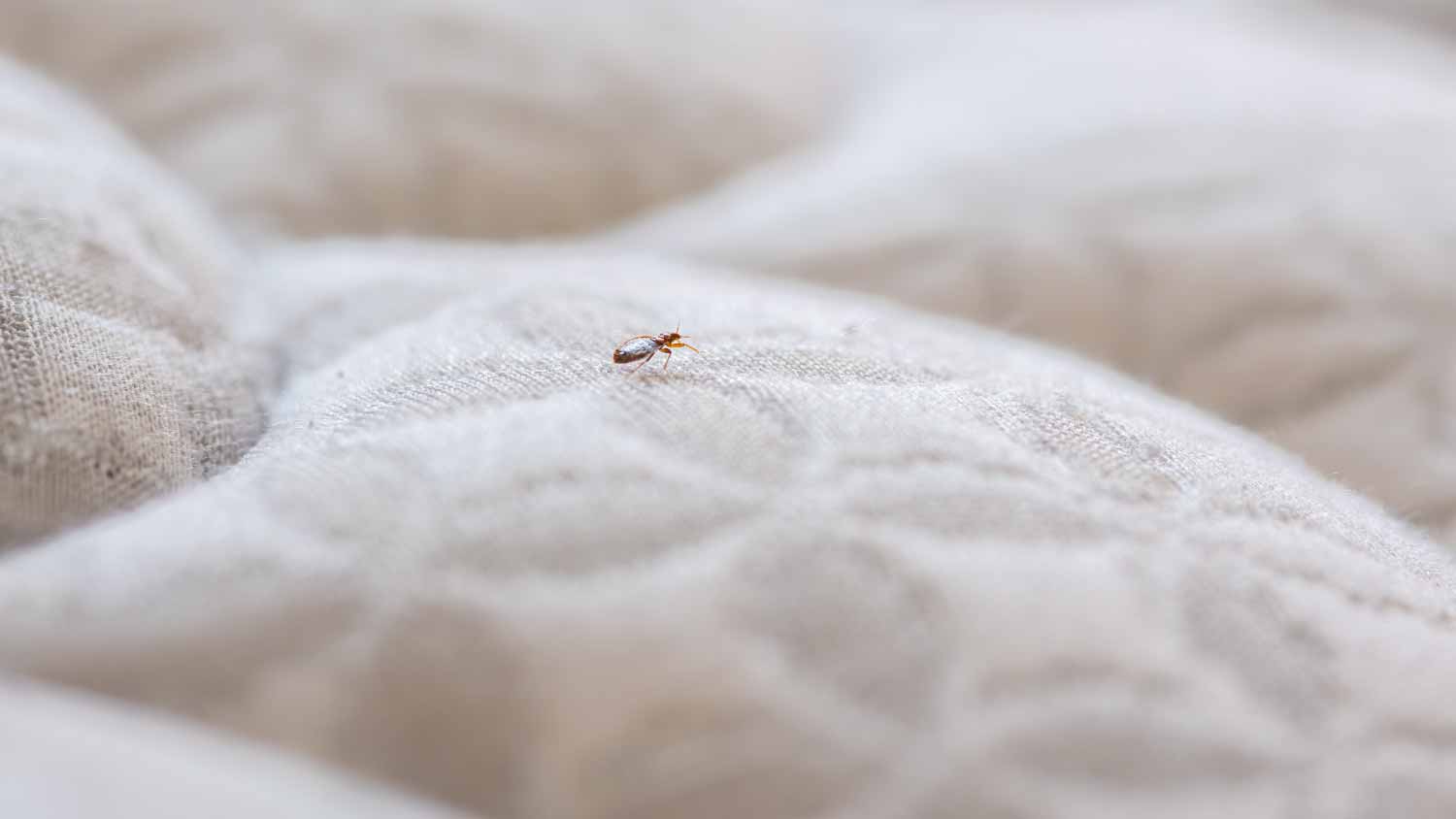
Bed bugs are temperamental when it comes to temperature. Find out what temperature kills bed bugs for future reference.