
If your furnace is malfunctioning, it could be a faulty control board. Find out what a furnace control board replacement costs for parts, labor, and more.
Stay warm this winter season by maintaining your furnace

Cold air from your furnace indicates the blower motor or fan is malfunctioning, preventing warm air from circulating throughout your home.
Strange noises like rattling or banging signal problems with the blower wheel or loose mechanical parts that need immediate attention.
A yellow pilot light instead of blue means your furnace is releasing carbon monoxide, which causes headaches, dizziness, and serious health risks.
Hiring a local HVAC repair professional provides reliable help with blower motor issues and pilot light problems, keeping your home warm and safe.
When the cold winter months roll around, it can feel like the end of the world when your furnace is malfunctioning. There are several reasons why your furnace may not be working, and luckily, some of them are fixable homeowner issues. Learn about how to catch signs of common furnace problems so you can avoid expensive furnace repairs later.
According to Angi data, nearly 41% of customers reported that their gas furnace or forced air heating system doesn’t provide heat or doesn’t get hot enough. Other common problems include pilot light out, makes odd noises, smells funny, and cycles off too rapidly or runs constantly.
It can be incredibly frustrating, particularly during the winter, to find that your home isn’t getting warm enough.
If you’re finding that the entire house is cold or certain spots are particularly cold, your furnace may not be properly functioning. This issue often has to do with the motor within the blower fan. The blower motor is what turns the blower fan and, in turn, circulates the air through the air ducts and into each room. When the blower fan malfunctions, the furnace won’t have enough power to heat the home sufficiently.
If you’re concerned your furnace isn’t functioning well, contact a local HVAC contractor who can check out your furnace and develop a solution before the problem gets worse.
While a functioning HVAC system may make humming sounds, these are normal part of furnace and heating basics. On the flip side, if you notice pops, squeaks, rattling, or banging, you may be facing a furnace issue.
One potential issue is that the blower wheel isn’t functioning properly. The blower wheel helps bring in and out a certain air from the furnace system. If the blades are malfunctioning, they can trap debris and dirt, which can cause these noises.
Another possibility is loosened or worn-out mechanical parts inside the furnace. For instance, rattling noises may indicate a loose screw. If you notice strange noises coming from the furnace, hire a local HVAC company to determine the source and solution.
When your furnace isn’t working efficiently to heat the home, it uses more energy. Consequently, your heating bills can spike. This is particularly true for winter heating costs since your furnace may be working extra hard to warm your home.
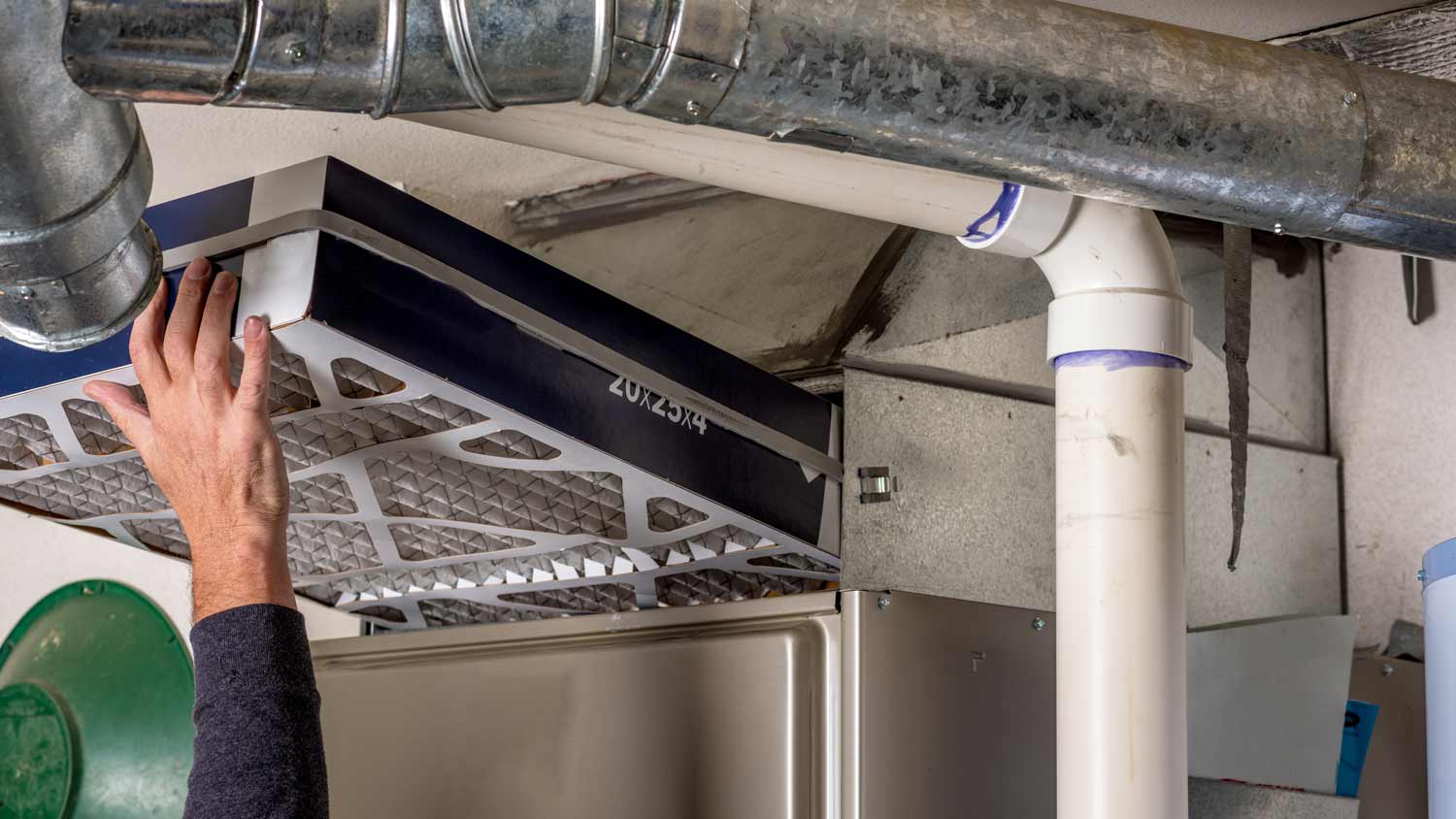
The first thing to do is check the furnace filter. If the filter is dirty, it may be obstructing the furnace airflow and forcing it to work overtime. The filter is usually located in the blower compartment, which is in a box at the base of the furnace.
If it’s clogged, you’ll want to either clean it out or replace it. If you have a disposable filter, you’ll want to replace it every two to three months. If you have a permanent filter, you can clean it yourself by submerging it in a mixture of water and a small amount of laundry detergent.
Providing regular maintenance to your filter can also help extend its life. This includes filter changes, tune-ups, and inspections.

If you’re having trouble turning on your furnace, don’t panic. As they age, furnaces can become more difficult to turn on. On average, they last around up to 20 years.
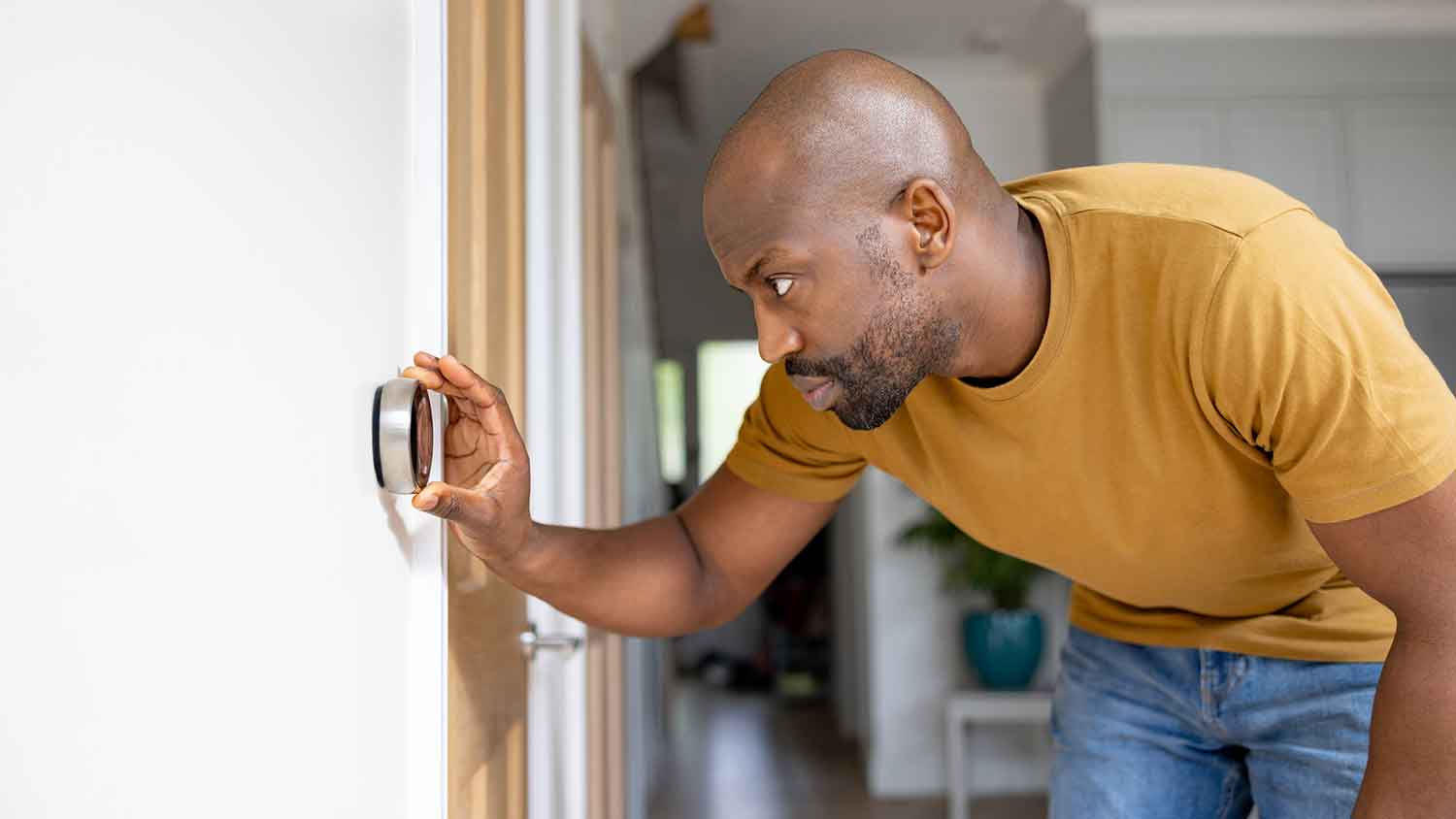
If your furnace is relatively new, you may need to reset or troubleshoot the thermostat. Follow the steps below to reset your thermostat:
Turn the thermostat to its minimum setting.
Switch the furnace on and then off.
If you can successfully turn your furnace to the desired temperature, you’ve fixed the problem.
Water leaks are a nuisance that many homeowners can relate to. While they aren’t dangerous, leaks can cause damage to flooring and walls and lead to mold growth.
Water leaks can occur when the furnace has a clogged condensation line connecting to the HVAC unit and funnels condensation outdoors. If a condensation line becomes clogged, you’ll likely see a pool of water surrounding the line.
Repairing the condensation line can be an extensive job, so your best bet is to hire an HVAC repair pro near you who’ll have the proper knowledge, experience, and tools to fix the issue. To prevent these problems in the future and ensure you catch them early on, you can make annual inspections with HVAC professionals.
A furnace’s pilot light ignites the natural gas getting pumped into the main burner. This light should always be blue. A yellow pilot light indicates that the HVAC system may be failing, and you may need to call a pro for a furnace repair. This could mean a ventilation problem or that harmful gasses may be leaking.
Since there’s the possibility of your furnace leaking carbon monoxide—a poisonous gas—it’s essential to take action immediately. Carbon monoxide exposure can lead to carbon monoxide poisoning, which, if minor, will cause you to have symptoms such as headaches, dizziness, nausea, and fatigue. More major exposure can lead to disorientation, vomiting, and fainting.
If you notice a yellow pilot light, shut off your furnace and contact an HVAC technician near you.
There are a handful of warning signs that indicate it’s time to buy a new furnace. While your local HVAC technician can often fix issues like the unit producing cold air or making strange noises, others can indicate a more serious issue that warrants a replacement. Keep an eye out for the following clues if you’re not sure.
Excessive soot, dust, or rust buildup around the furnace base. A properly functioning furnace shouldn’t produce much or any of such particles.
Extreme booming noise or sudden disappearance of sounds altogether. While noises like hissing and screeching are normal, and jingling or shaking is a sign to repair a furnace, loud booming can indicate an issue with gas emission, especially if you smell gas shortly afterward. On the flip side, no sounds at all from your typically noisy unit are a sign it could be on its last leg.
Yellow instead of blue pilot light. This can mean the unit isn’t using all available gas and may be venting carbon monoxide into your home.
Increased home humidity. If there is suddenly way more moisture in your home than normal, it could mean that the vents or furnace itself are blocked or clogged.
Unpleasant odors. Smelling gas is an automatic sign to call in a pro or replace a furnace entirely, but other funky, non-gas odors may indicate that rodents are in your system and chewing or breaking its infrastructure.
Flue or unit is rusted or cracked. Rust, cracks, or other such damage are a sign of old age in a furnace. You’ll particularly want to ensure issues like these aren’t present in the flue, as this part is responsible for proper ventilation and keeping your home carbon monoxide-free.
If the release of hazardous gasses into your home has happened to you in the past, consider replacing your current set-up with an oil-heated furnace instead.
Lydia Schapiro contributed to this article.
I have used Columbus Worthington Air for years and recommend them whenever I have a chance. The staff is quick, courteous, and well-trained.
 ARS Columbus Worthington Air
If you’re good people wanting to do business with good people, hire Matt. He is a consummate professional and utterly competent. He installed a water heater in my home at a price that beat competitors by hundreds of dollars with a promise to support the unit for its life (even after its 6 yr...
 Greene's Plumbing Services
Corey Carr was great. I had damage from a recent storm and needed to have my mast and other components replaced. The project entailed coordinating with AEP, and Corey helped make a stressful situation a lot less stressful. I really appreciated his dedication to service and the job very well done.
 Mr. Electric of Columbus
This service was great. My air conditioner went out during the heat spell that we had. My husband has health issues and they came out that night and at 9:30pm the air conditioner was fixed and running. We are sooo very thankful, this is the company I will be using from now on and would...
 Mr. Mechanical Ohio
Great company! Price was competitive, technician showed up on time and completed the job (exterior electric Radon fan replacement) quickly. Would hire them again.
 MaGen Property Inspections and Radon Mitigation
Raven and crew does absolutely fantastic job. They are very professional if any concerns were to occur with any of her work she always took responsibility and finished out with a great job. I have worked with her business for a year and have always been satisfied. Very trusted business and...
 Creations of Transformation LLC
I would recommend this company to anyone! He showed up on time, was friendly, completed a very difficult repair on our dryer vent cover, was responsive, and pricing was extremely fair and competitive. I would have him back to do any of our repairs or cleanings without hesitation!
 U.S.A. Dryer Vent, LLC
Ace Fireplace Services' chimney sweep service is truly exceptional. They used advanced technology to ensure a thorough cleaning process, and my chimney has never looked better. I highly recommend their services.
 Ace Fireplace Services
The technician was very professional and friendly. He answered all my questions and was very thorough. He left the fireplace area very clean . He inspected from the roof and advised me as to other work that might need to be done. There was no pressure there. I was very satisfied with the...
 Supreme brick & chimney
On time, clean and finished fast. Windows seem sturdy and the finish is good. Caulking was done with no smudges. Would recommend.
 Window Depot USA of Central Ohio
From average costs to expert advice, get all the answers you need to get your job done.
If your furnace is malfunctioning, it could be a faulty control board. Find out what a furnace control board replacement costs for parts, labor, and more.

Furnace problems have all kinds of causes, ranging from clogged filters to damaged components. Here are some of the most common culprits behind these issues.

If you’re having trouble with your furnace firing up or your house just won’t get warm, use this simple DIY guide to check if your furnace ignitor is bad.

Furnace safety is something every homeowner should prioritize. Use these furnace safety tips to help keep you, your family, and your home safe.
If you live in a home built before 1980, there is a risk of asbestos. Know the signs of asbestos in a furnace to quickly rid it from your home.

Whether you’ve lost heat or your furnace is making strange sounds, stay calm. Use this guide to determine the source of the problem and your next steps.