

•
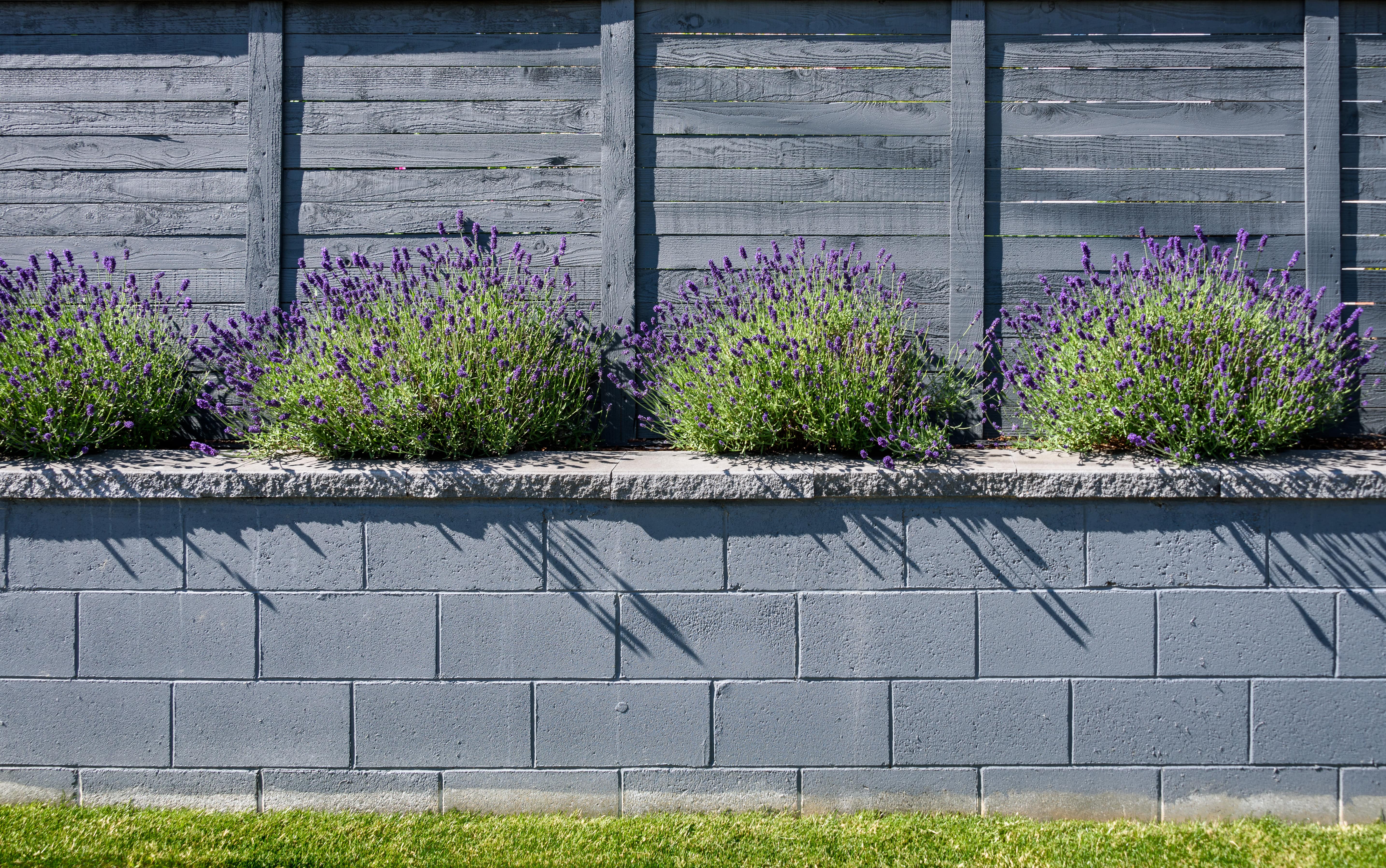
Find out how much a concrete retaining wall costs. Get average prices, cost factors, and expert tips to budget and save on your installation.
Pavers and hardscaping service costs depend on your project and location. Check with a local pro for your specific job.

Retaining wall installation costs $3,191 to $9,206 for your project, with height, materials, and wall length determining your final total.
Your yard's slope and soil type control the excavation and drainage work needed, which drives labor time and complexity before building begins.
You should budget for permits, waterproofing, rebar reinforcements, and material delivery fees when creating your project budget.
Hiring a local hardscape professional ensures proper drainage and reinforcement, protecting your property from erosion and wall failure.
In 2026, the national average cost to build a retaining wall is $6,082, based on 2,556 verified projects from Angi Pros. Most homeowners pay between $3,191 and $9,206, with wall height, length, and material choice being the primary drivers of that spread. For a wall between 2 and 6 feet tall, expect to spend about $40 to $360 per linear foot.
Wall height and length are the primary drivers of retaining wall costs, with taller structures costing more per linear foot due to the need for structural reinforcement. On average, a standard 2-foot-tall wall costs $40 to $200 per linear foot, whereas a 6-foot-tall wall costs up to $360+ per linear foot. The table below breaks down average retaining wall costs by length (in linear feet):
| Length (Linear Feet) | Cost Range | Average Cost in 2026 |
|---|---|---|
| 10 | $400–$3,600 | $2,000 |
| 15 | $600–$5,400 | $3,000 |
| 20 | $800–$7,200 | $4,000 |
| 25 | $1,000–$9,000 | $5,000 |
| 30 | $1,200–$10,800 | $6,000 |
| 50 | $2,000–$18,000 | $10,000 |
| 100 | $4,000–$36,000 | $20,000 |
| 150 | $6,000–$54,000 | $30,000 |

The material you choose is one of the most significant factors in your retaining wall's total cost, with options ranging from budget-friendly vinyl ($10–$15 per square foot) to premium steel ($15–$150 per square foot). More affordable materials like vinyl and timber suit smaller, lower-load walls, while concrete, I-beam, and steel are better suited to heavy-duty or structural applications.
The table below breaks down average retaining wall costs based on material, along with a description of each one:
| Retaining Wall Material | Cost Range per Square Foot (All-In) | Average Cost per Square Foot (All-In) | Description |
|---|---|---|---|
| Vinyl | $10–$15 | $12.50 | Lightweight, low-cost option best for short, low-weight walls |
| Railroad Ties (Wood) | $25–$30 | $27.50 | Older wood option, now rarely used due to toxic creosote treatment |
| Timber | $15–$30 | $22.50 | Affordable garden choice that lasts up to 20 years when waterproofed |
| Brick | $20–$25 | $22.50 | Decorative single-layer veneer anchored to a poured concrete core |
| Rammed Earth | $20–$25 | $22.50 | Eco-friendly mix of compacted earth and binder with concrete-like strength |
| Gabion | $10–$40 | $25 | Low-maintenance wire baskets of rock used for slope and shoreline erosion |
| Stone | $20–$100 | $25 | Durable option ranging from budget granite to high-end stacked limestone |
| Concrete | $30–$50 | $40 | Built with sturdy dry-stacked or reinforced blocks that accept veneers |
| I Beam | $40–$90 | $65 | Steel posts anchored in concrete holding wood or concrete panels |
| Steel | $15–$150 | $82.50 | Heavy-duty panels (like Corten) built for steep drops and soil support |
Labor accounts for a significant portion of retaining wall costs, with a local hardscape contractor charging $50 to $75 per hour or $15 to $50 per square foot. Rates vary based on wall materials and overall project complexity. Interlocking retaining wall blocks and pin mechanisms are the fastest and easiest to install, while hand-stacked limestone and I-beam walls require more time and skill, thereby increasing labor costs.
Your yard's terrain and where you install your retaining wall will also impact your final cost. You must also consider drainage, soil type, site prep, and other factors.
Sloped or unstable terrain can significantly increase the price of building a retaining wall, with labor costs rising by 50% or more when the ground requires additional excavation. On sloped sites, contractors must build step-downs or terrace the slope to safely support the wall. Rocky or unstable soil adds further complexity, requiring additional digging and compaction before construction can begin.
Where you install your retaining wall and the reinforcement it requires both affect your final cost. A shoreline wall demands far more structural support than a decorative retaining wall in your front yard, which is reflected in the price difference between them. The following table shows typical all-in cost ranges per linear foot based on retaining wall installation location:
| Location | Cost Range per Linear Foot (All-In) in 2026 | Average Cost per Linear Foot (All-In) in 2026 |
|---|---|---|
| Swimming pool | $20–$100 | $60 |
| Driveway | $30–$120 | $75 |
| Garden | $30–$150 | $90 |
| Front yard | $30–$200 | $115 |
| Shoreline | $150–$600 | $375 |
Every retaining wall requires drainage to prevent erosion, using methods such as pipes, gravel, weep holes, or criblock designs. If your existing wall isn't draining properly, fixing it through excavation costs $60 to $70 per linear foot. Replacing the wall entirely adds $20 to $30 per linear foot for demolition, in addition to the cost of the new wall.
The type of soil in your yard will determine the type of retaining wall you can build. Certain walls work better with certain soil types. For example, malleable clay soil may not be sturdy enough to support heavy wall materials.
In addition, rocky soil with many boulders will require your contractor to spend extra time clearing the land. It will also be more difficult to excavate, so you can expect higher labor costs across the board.
Site preparation before retaining wall construction typically includes land clearing, land grading, and tree removal, all of which add to your total project cost. Walls taller than 4 feet also require a structural engineer to design them. Common site prep costs include:
Structural engineer costs: $350–$750
Land clearing costs: $110–$250 per hour
Land grading costs: $900–$3,000
Tree removal costs: $200–$2,000
Most homeowners need a permit to build a retaining wall taller than three or four feet, though requirements vary by location. Building permits cost between $50 and $450 depending on your municipality. Check your local regulations before starting your project to avoid delays or fines.
Material delivery is an additional cost your contractor may pass along, typically running $30 to $100 per truckload of stone, brick, or concrete blocks. Not all contractors include delivery in their base quote, so confirm this detail upfront to avoid surprises in your final bill.
Waterproofing a retaining wall costs $2 to $10 per square foot and is one of the most effective ways to extend the wall's lifespan. It prevents water from seeping into wall joints, which can compromise structural integrity over time. Some materials, like vinyl, offer better natural water resistance than others, so ask your contractor whether waterproofing is necessary for your chosen material.
Reinforcements such as rebar can increase both material and labor costs for your retaining wall project. A hardscaping pro will add rebar horizontally or vertically at a cost of $0.80 to $1.60 per square foot. Particularly long or tall walls may also require footings and specialized fill materials, with costs varying based on the selected fill type.
A structural engineer adds reinforcements when:
The wall is taller than 4 feet
The wall is longer or taller than average
You're installing a sea wall
You live in a climate with extreme weather
If your retaining wall project requires additional fill dirt, expect to spend $150 to $600 per truckload. The cost of fill dirt can range from $5 to $30 per cubic yard depending on the type and quantity needed.
You can install a retaining wall at any time of year, but it will be more difficult if your contractor has to dig into frozen ground. This will increase labor costs. Save money by avoiding the winter and scheduling your job when the ground is still soft.
Retaining walls can be enhanced with a range of upgrades that improve both appearance and function, from planting flowers in mulch and adding landscape lighting to installing a raised paver patio or an outdoor kitchen. Common upgrade costs include:
Flower beds cost: $1,000–$3,000
Landscape lighting costs: $2,000–$6,000
Fence installation costs: $1,500–$8,000
Building a patio costs: $1,050–$8,100
Building an outdoor kitchen costs: $5,500–$22,200
Gravel installation prices: $300–$400
Landscape curbing cost: $800–$2,100
Decomposed granite installation costs: $60–$300
Long-term ownership of a retaining wall includes ongoing costs for inspections, repairs, and potential rebuilding that homeowners should plan for. Routine maintenance helps extend the wall's lifespan and prevents more expensive structural failures down the road. The following table outlines common ongoing retaining wall expenses:
| Ongoing Retaining Wall Projects | Average Cost in 2026 |
|---|---|
| Inspection | $150–$300 |
| Repairs | $800–$1,000 |
| Rebuilding or replacement | $6,000–$14,500 |
| Backfilling | $300–$1,200 |
| Land grading | $900–$3,000 |
Budgeting for a retaining wall is more manageable when you know where costs can be controlled and where savings are possible. Several practical strategies can reduce your total spend without compromising quality or safety:
Keep wall height low: Limiting your wall to less than four feet eliminates the need for a structural engineer and reduces labor for supports and footings.
Mix materials: A concrete or wood wall with a steel face can trim your budget by 25% to 50%, a common approach for steel retaining walls.
Reuse existing materials: If you're replacing a wall, salvage materials still in good condition, or ask your contractor about recycled options at a lower cost.
DIY prep work: Handle land clearing or finish landscaping yourself, and consider options like making your own mulch or laying decomposed granite for flower beds.
Bundle projects: Wrapping your retaining wall into a larger landscape project may qualify you for contractor discounts on multiple jobs.
Retaining wall projects can add up to 15% to a home's value, with an average return of 100% to 200%. You'll spend between $3,500 and $8,700 upfront, though some projects reach $14,000. In addition to the high return on investment for your retaining wall is their long-term non-monetary value. They'll last decades if constructed properly.
"When collecting bids on retaining wall work, it is really important to get a detailed scope of the installation work and make sure the proper base and drainage is installed for a long-lasting retaining wall," says Tara Dudley, Angi Expert Review Board member and owner of Plant Life Designs.
DIY retaining wall construction can save $15 to $50 per square foot in labor costs, which translates to $300 to $2,000 in savings for a wall that’s 20 feet long and 2 feet high. However, material delivery costs and equipment rental fees can offset those labor savings. For anything more complex than a basic wall, hiring a retaining wall installer near you is the safer and more cost-effective long-term choice.
Also, if you need something more complex than a basic wall, such as a cantilevered wall that holds back a lot of heavy stone or soil, it's best to hire a retaining wall installer near you.
Installing a retaining wall requires specialized tools, expertise, and careful precision. Here’s why it’s best to work with an experienced installer:
Professionals have the knowledge and expertise to prevent problems like soil erosion, collapse, and drainage issues.
Working with a pro ensures your project complies with local building codes and zoning laws.
DIY installation can lead to wall failure, shifting, and costly future repairs.
Reputable installers often carry insurance and offer warranties for added peace of mind.
A professionally installed retaining wall enhances curb appeal, boosts security, and can increase resale value.
To assist your pro with the installation, consider helping out with the following tasks:
Remove trees, shrubs, or landscaping from the work area
Keep tools, materials, and equipment organized and easily accessible
Mix or more soil and mulch for backfilling and landscaping
Plant shrubs or flowers around the wall after installation is complete
Be ready to discuss which material, size, and wall design best fit your budget and goals.
Let your pro know the length, height, and placement of your retaining wall in advance.
Ask your pro about required permits or inspections before the project begins.
Leave room in your budget for unexpected labor fees, material delivery fees, or add-ons.
Home is the most important place on earth, which is why Angi has helped more than 150 million homeowners transform their houses into homes they adore. To help homeowners with their next project, Angi provides readers with the most accurate cost data and upholds strict editorial standards. We’ve surveyed thousands of real Angi customers about their project costs to develop the pricing data you see, so you can make the best decisions for you and your home. We pair this data with research from reputable sources, including the U.S. Bureau of Labor Statistics, academic journals, market studies, and interviews with industry experts—all to ensure our prices reflect real-world projects.
Want to help us improve our cost data? Send us a recent project quote to [email protected]. Quotes and personal information will not be shared publicly.
I recently moved to another state and chose United Trust Van Lines after comparing several companies. Their team was punctual, professional, and extremely careful with my belongings. I was especially impressed with how they handled my home office setup and fragile items. Everything arrived on...
 United Trust Van Lines, LLC
Mitchell and the crew were top tier i am so happy with my new roof
 Home Genius Exteriors
This company does it right. Firstly, I want to say that Landan was a joy to work with. He was so kind, transparent, and had everything under control. His entire team showed up ready to work and they were all very respectful of the fact that we were in an office space. A little backstory – we...
 Krumlauf Floors
Amazing job. Efficient and quick without compromising quality. Basement feels brand new. Would use them again in a heartbeat.
 AffordaPro Restoration
D1 Roofing delivers outstanding service from beginning to end, backed by a strong warranty and expert teams. I highly recommend them for their excellence in meeting and surpassing expectations with unmatched communication. Choosing D1 Roofing was flawless decision
 Division 1 Roofing LLC
I'm a repeat customer of All Star Paving & Sealing and I appreciate the service that all start paving has done for me in the past. I just recently had them out for an estimate and things couldn't have gone better. The staff that they send out to do the estimates are very knowledgeable. The...
 All Star Paving and Sealing
Supreme Brick & Chimney did an excellent job restoring the brick and mortar joints on my home. Their team was professional, knowledgeable, and completed the work on time. I highly recommend them and will hire them again in the future! Thanks!
 Supreme brick & chimney
On time, clean and finished fast. Windows seem sturdy and the finish is good. Caulking was done with no smudges. Would recommend.
 Window Depot USA of Central Ohio
They are very reliable and available. They the drains all the time
 The Waterworks
We had a 20+ year old landscape lighting system that needed replacement. Midwest Lightscapes worked with us to design a much improved lighting system, lighting the exterior of the house and the back yard. Installation of the 45 light system took one and one-half days, and went very smoothly....
 Midwest Lightscapes
From average costs to expert advice, get all the answers you need to get your job done.
Find out how much a concrete retaining wall costs. Get average prices, cost factors, and expert tips to budget and save on your installation.
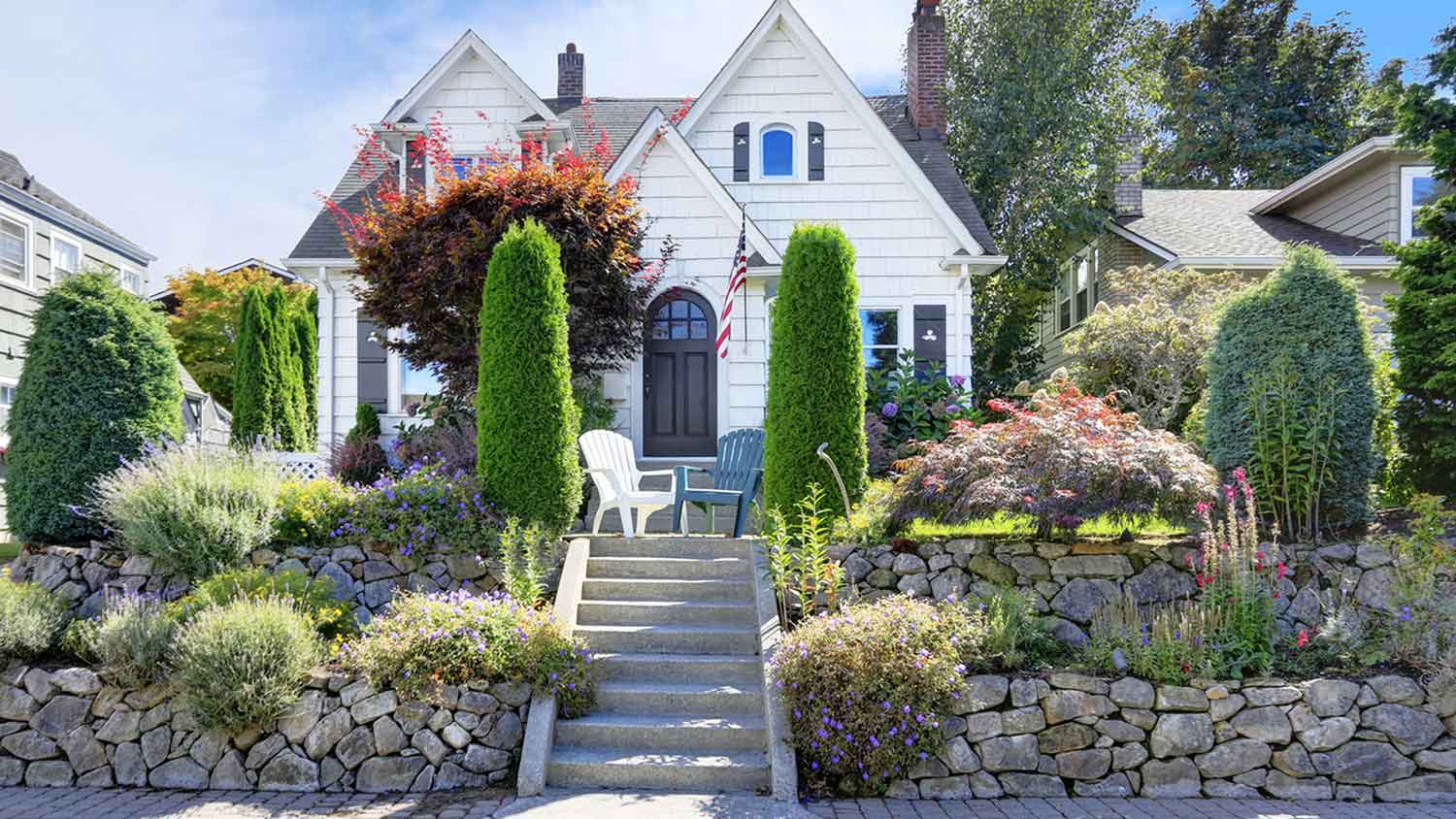
Retaining wall repair cost can vary widely based on the age and condition of the wall being restored. Learn why finding the right pro is important for getting the job done.
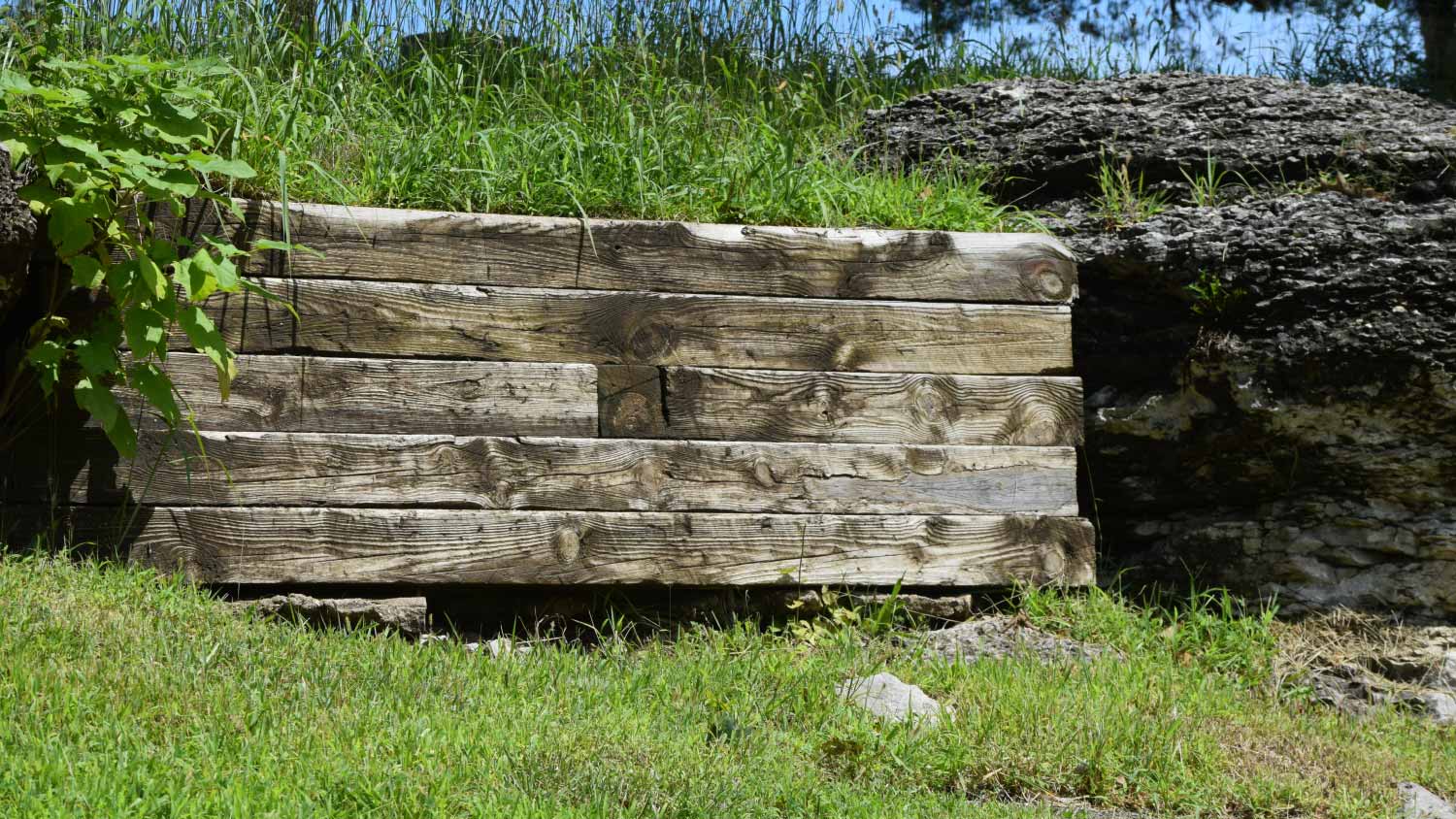
Railroad tie retaining wall costs can vary widely, so getting an accurate estimate for your needs is a good idea to set your budget appropriately.
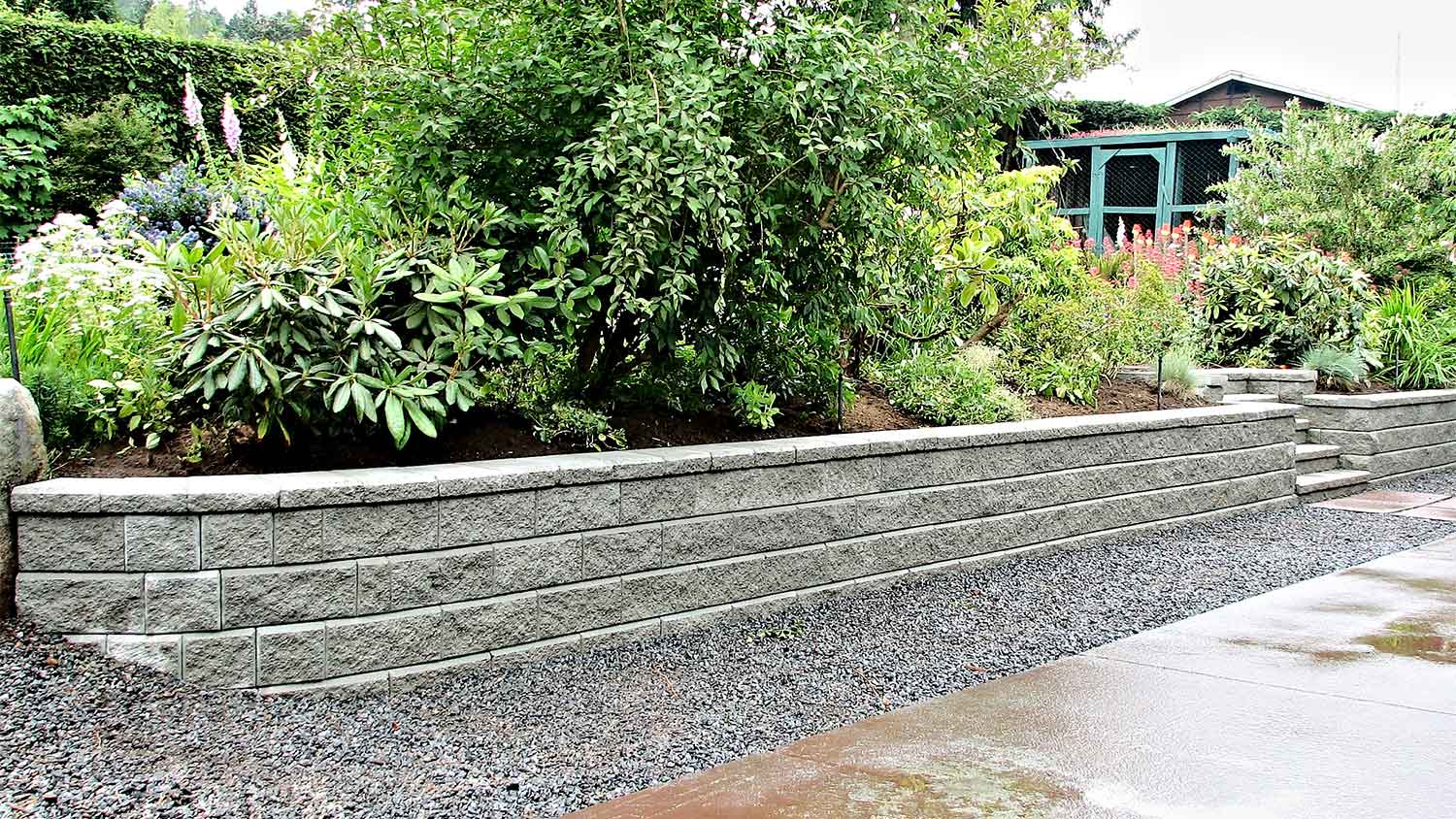
Retaining walls increase your yard space and your curb appeal. Use this step-by-step guide on how to build a retaining wall to put in your yard.
Thinking about building a concrete retaining wall? Learn about design options, costs to expect, and how to hire the right local pro for your yard.
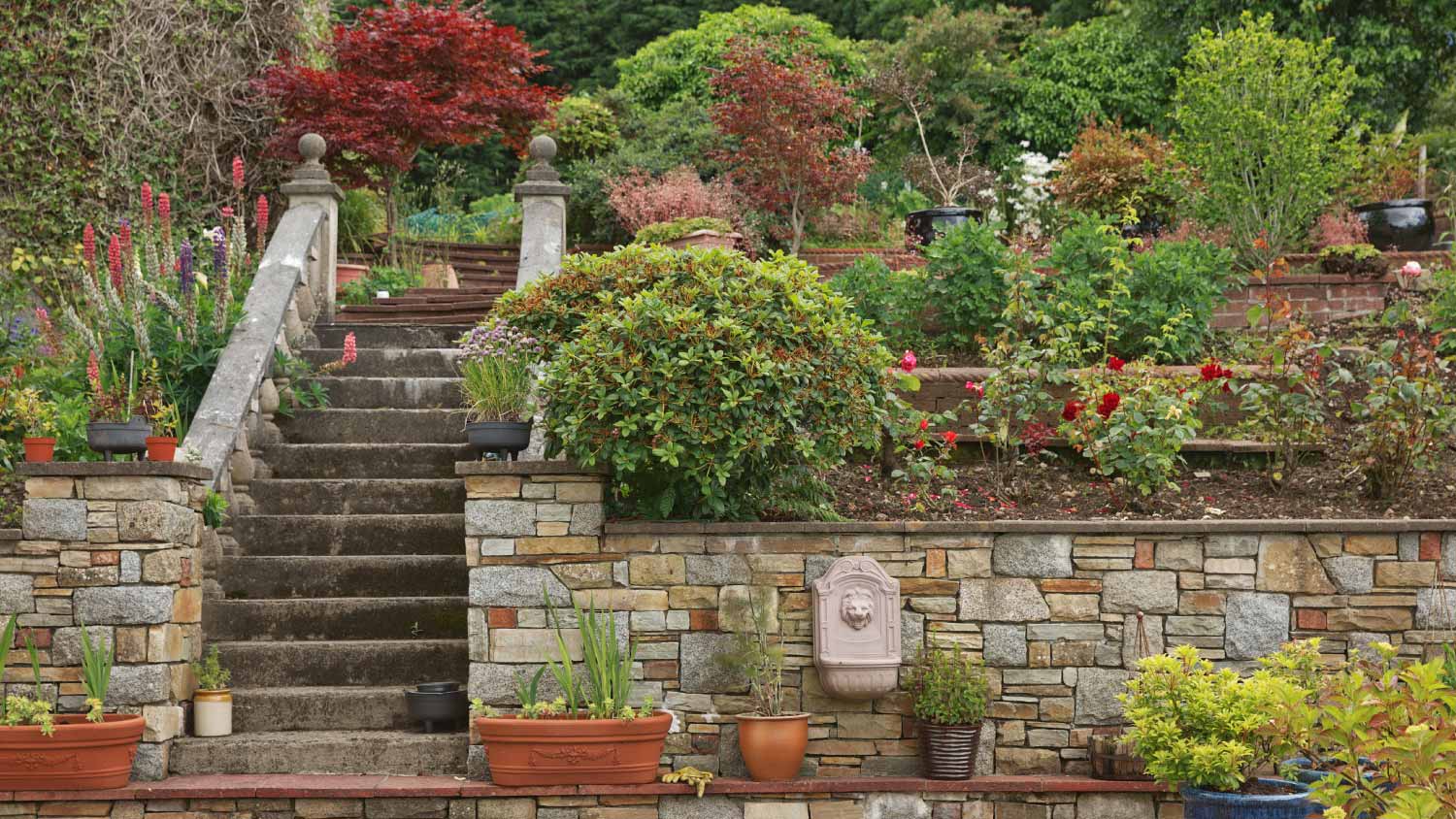
While it’s possible to DIY build a retaining wall, several pros have advanced knowledge of hardscaping and building. Learn who to hire to build a retaining wall.