


Top-rated septic tank pros.

Get matched with top septic tank pros in Beloit, WI

Enter your zip and get matched with up to 5 pros

Need a pro for your septic tank service project in Beloit, WI?

Select your specific project to find the pro for you.

TRUSTED BY BELOIT, WI HOMEOWNERS

  • Average homeowner rating star icon4.9
    Average homeowner rating
  • Verified reviews icon15
    Verified septic tank services reviews

Find Septic tank pros in Beloit

Avatar for American Home Shield – Home Warranty
American Home Shield – Home Warranty
3.5(
5,688
)

Serving Beloit, WI and surrounding areas

In business since 1971

Credit card accepted

"The technician emptied the freezer, which was in the basement, to work on the part that needed repair. Then he neglected to put anything back into the freezer, including a turkey I had bought for Christmas and a rack of ribs. Two days after he left, I went out of town for two weeks. The turkey actually exploded and spewed its liquid all over everything, which had to be discarded. I let AHS know and they couldn't even bother to call me or follow up on this. I'm considering not renewing my contract with them because of the quality (or lack thereof) of many of the providers they send."
Additional Photos
Additional Photos
Additional Photos
Additional Photos
Additional Photos

+2

Recommended by65%of homeowners
Plumbing Help & Co.
New to Angi

Serving Beloit, WI and surrounding areas

Hi, I’m a skilled and reliable plumbing professional serving the Chicagoland area. I specialize in residential and light commercial work, including repairs, installations, and troubleshooting everyday plumbing issues.\n\nI take pride in doing the job right the first time, showing up on time, and communicating clearly so there are no surprises. Whether it’s a small fix or a bigger project, my goal is to provide quality work, fair pricing, and service you can trust.\n\nI look forward to helping you keep your plumbing running smoothly.

Patricio Abeso
New to Angi

Serving Beloit, WI and surrounding areas

In business since 2013

Free estimates

Credit card accepted

We are committed to excellence in every aspect of our business. We uphold a standard of integrity bound by fairness, honesty, and personal responsibility. Our distinction is the quality of service we bring to our customers. Accurate knowledge of our trade combined with ability is what makes us true professionals. Above all, we are watchful of our customers' interests, and make their concerns the basis of our business.

Septic Tanks questions, answered by experts

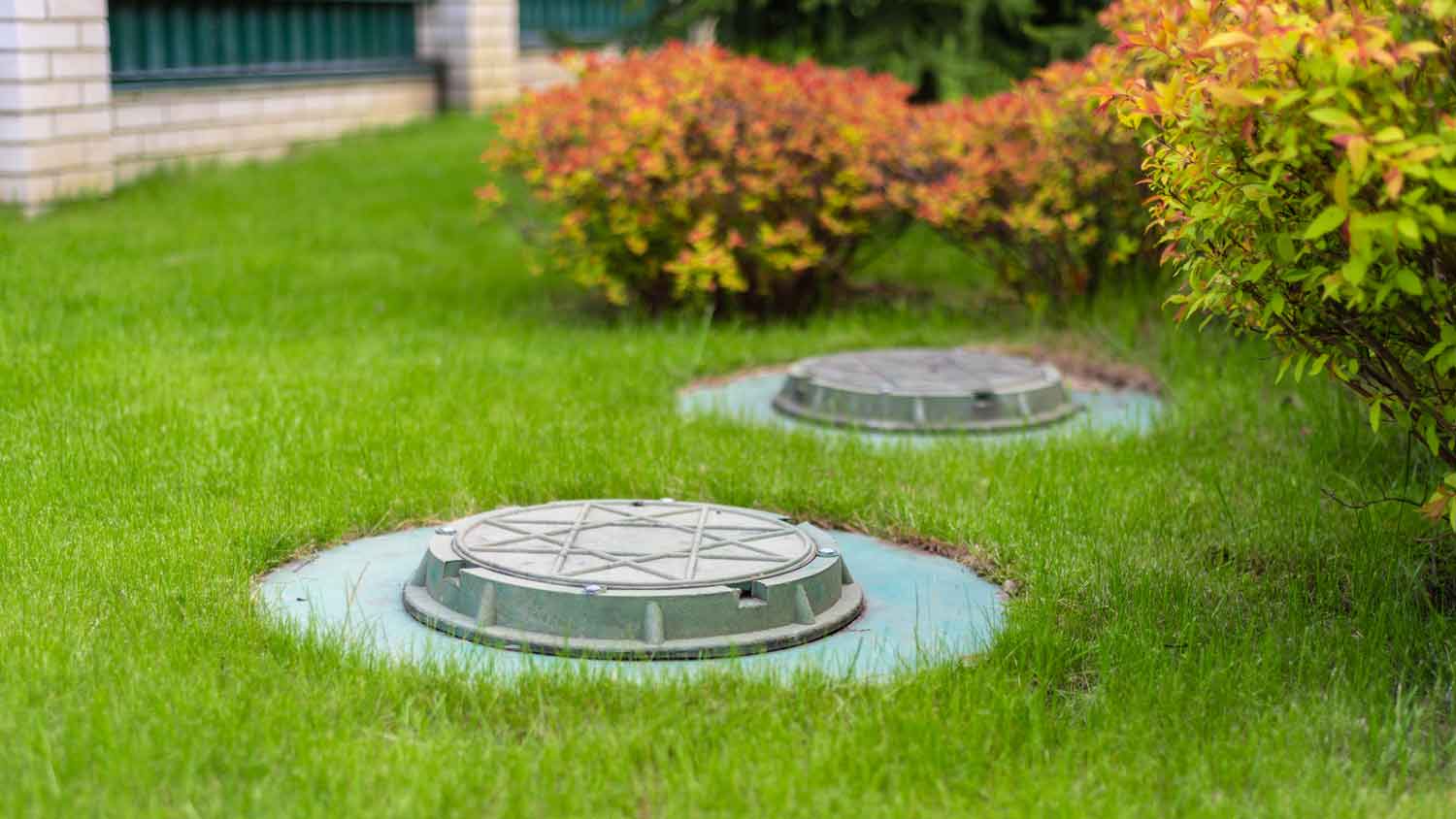
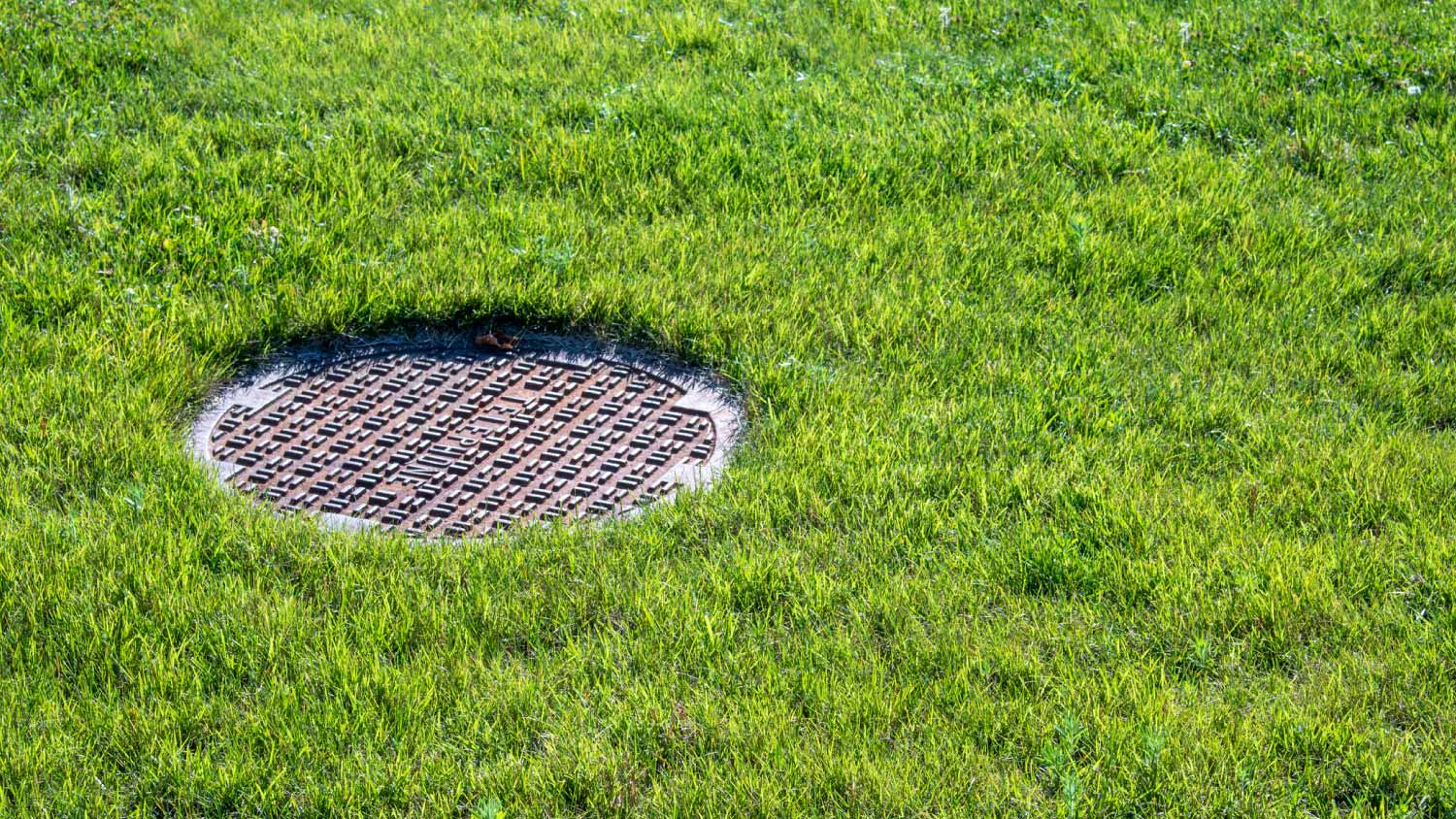
Start by finding the septic tank, marked by an access lid near your home. From there, the drain field extends outward in a series of trenches. Look for greener, lusher grass, as drain fields promote plant growth due to moisture and fertilizer. You can also check property records, use a soil probe to detect damp soil, or hire a septic professional with ground-penetrating radar equipment to map the drain field’s location.

The disadvantages of having a well include more maintenance, like annual testing and inspections, and high up-front costs to drill a well. Well water is also vulnerable to contamination, which is why keeping up with testing is important if you own a well. When it comes to well water versus city water, well water does offer more independence and is a reliable water source.

Wells typically replenish at a rate of about five gallons per minute, but several variables can influence how quickly they refill. A deep well will take more time to replenish than a shallow one. The replenishment rate can be slowed by issues such as leaks, damage, a faulty well pump, or a clogged well screen. Other factors, such as the surrounding geology, regular precipitation, and proper maintenance, also affect the recovery rate.

The ideal depth of a septic drain field is 18 to 36 inches below the surface. The trenches must be deep enough to allow proper wastewater distribution and filtration while remaining shallow enough for oxygen to reach the soil, promoting bacterial activity that helps break down contaminants. In areas with high groundwater or poor drainage, shallower systems like mound drain fields may be required.

There are a variety of different types of septic systems that can work in your home—such as conventional anaerobic systems, chamber systems, drip distribution systems and mound septic systems. All of them work using natural processes to break down solid waste and effectively treat wastewater without needing to be connected to a city sewer system. Which type of septic system you need will depend on characteristics of your property like how high the bedrock is or groundwater table is. Different types of systems come at different costs to install.

The Beloit, WI homeowners’ guide to septic tank services

From average costs to expert advice, get all the answers you need to get your job done.